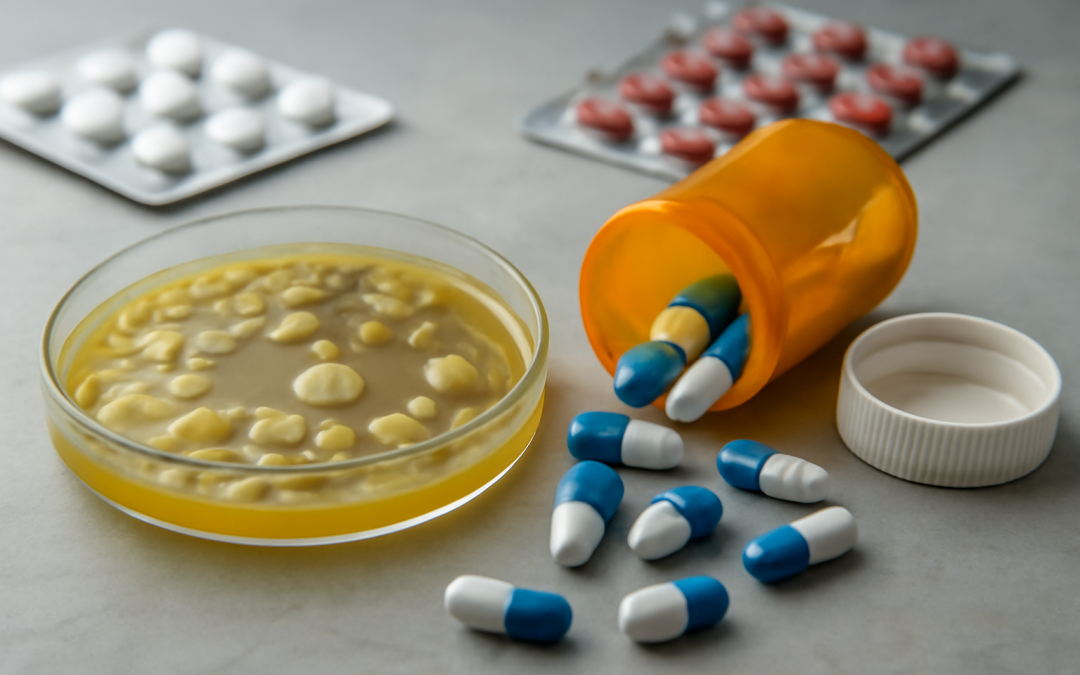
Antibiotic resistance has emerged as one of the most pressing health challenges of the modern age, undermining the incredible advances made in medicine over the past century. Antibiotics, once hailed as miracle drugs capable of treating a wide range of bacterial infections, have gradually lost their effectiveness due to the ability of bacteria to evolve and develop resistance. This phenomenon threatens not only individual patients but also the entire healthcare system, potentially sending humanity back to an era where simple infections and minor injuries could once again become deadly.
The foundation of modern medicine relies heavily on the ability to control bacterial infections. Before the widespread use of antibiotics, many common infections led to severe complications and significant mortality rates. Procedures such as surgeries, chemotherapy for cancer, and organ transplants all become significantly riskier without effective antibiotics to prevent or treat bacterial infections. The rise of antibiotic resistance jeopardizes these medical practices, as resistant bacteria become impervious to standard treatments, leaving doctors with fewer, less effective options to combat infections.
Bacteria are living organisms with an incredible capacity to adapt to their environment. When exposed to antibiotics, the most susceptible bacteria are killed, but those with mutations that confer resistance survive and multiply. This natural selection process accelerates when antibiotics are misused or overused—such as when they are prescribed for viral infections, taken in incomplete courses, or used excessively in agriculture. These practices create an environment in which resistant bacteria thrive, spreading their resistance genes to other bacterial populations and exacerbating the problem globally.
The consequences of this widespread antibiotic resistance are severe and multifaceted. In clinical settings, infections caused by resistant bacteria tend to be more difficult and costly to treat. Patients experience longer hospital stays, increased need for intensive care, and higher rates of complications and mortality. Health systems face tremendous financial strain because resistant infections require more expensive and complex therapies, additional diagnostic testing, and often result in lost productivity due to extended illnesses.
Beyond the hospital walls, antibiotic resistance threatens public health on a larger scale. Resistant bacteria and their genes can spread from person to person, through contaminated food, or via environmental reservoirs such as water sources. This makes outbreaks of resistant infections harder to contain and control. The failure of antibiotics to treat common infections may lead to a surge in illnesses that were once preventable, increasing the burden on healthcare infrastructure, particularly in low-resource settings, where access to alternative treatments is limited.
The problem is compounded by the slow pace of new antibiotic development. Discovering, testing, and bringing new antibiotics to market is an expensive and lengthy process, with relatively limited financial incentives for pharmaceutical companies. The result is a dwindling pipeline of novel drugs to replace those rendered ineffective by resistance. Without better stewardship of existing antibiotics and investment in research and development, the world risks running out of effective treatments for many bacterial infections in the near future.
Addressing antibiotic resistance requires a multifaceted approach that includes improved diagnostic tools, better surveillance, responsible prescribing practices, and public education to reduce misuse. Rapid diagnostic tests can help distinguish between bacterial and viral infections, ensuring antibiotics are prescribed only when truly needed. Surveillance systems track resistance patterns, informing treatment guidelines and public health interventions. Educating patients about the importance of completing prescribed courses of antibiotics and not demanding unnecessary medication can reduce inappropriate use that drives resistance.
Agricultural use of antibiotics plays a significant role in the development and spread of resistance. Antibiotics are often used in animal husbandry not only to treat infections but also to promote growth and prevent disease in crowded or unsanitary conditions. This widespread use contributes to the selection of resistant bacteria that can transfer to humans through food consumption, direct contact, or environmental pathways. Efforts to regulate and reduce antibiotic use in agriculture are critical components of a comprehensive strategy to combat resistance.
Global cooperation is essential, given that bacteria do not respect borders. Resistant strains can spread rapidly through international travel and trade of goods. International organizations, governments, and healthcare systems must coordinate efforts to establish policies, share data, and develop action plans to combat antibiotic resistance globally. Programs aimed at improving infection prevention and control in healthcare settings, along with initiatives to promote research into novel antibiotics, vaccines, and alternative therapies, are vital to managing the threat.
Public awareness campaigns play a crucial role in changing behavior related to antibiotic use. Many people mistakenly believe antibiotics are effective against all infections, including those caused by viruses, leading to unnecessary demands for prescriptions. Increasing understanding about when antibiotics are needed, the risks of misuse, and the importance of hygiene and vaccination to prevent infections can reduce pressure on healthcare providers to prescribe antibiotics unnecessarily. Empowering individuals with knowledge is a key component in slowing the spread of resistance.
Vaccination also offers a powerful tool for reducing antibiotic resistance. By preventing bacterial infections in the first place, vaccines decrease the overall need for antibiotics, thus reducing the opportunities for resistance to develop. Vaccines against pathogens such as Streptococcus pneumoniae and Haemophilus influenzae have already demonstrated their impact in reducing illness and antibiotic use. Expanding vaccine coverage and developing new vaccines against resistant bacteria can significantly alleviate the burden of antibiotic resistance.
In addition to vaccines, alternative therapeutic strategies are being explored to supplement or replace antibiotics. These include bacteriophage therapy, which uses viruses that specifically target bacteria, antimicrobial peptides, and immune modulation techniques. Research into these alternatives is still in relatively early stages, but they hold promise as tools to combat infections caused by resistant bacteria. Developing and integrating these innovative treatments into clinical practice could help preserve existing antibiotics and provide new options for resistant infections.
Infection prevention and control measures remain the frontline defense against the spread of resistant bacteria. Proper hand hygiene, sterilization of medical equipment, isolation of infected patients, and adherence to infection control protocols in hospitals and clinics can significantly reduce transmission. Strengthening these measures safeguards vulnerable patients and prevents resistant infections from gaining a foothold in healthcare settings, where they can cause severe outbreaks.
Ultimately, confronting antibiotic resistance is critical to maintaining the effectiveness of modern medicine. It challenges the fundamental tools of infection treatment and control, threatening to reverse decades of progress. Without urgent action, common medical procedures could become riskier, and routine infections potentially lethal. Addressing this crisis requires coordinated efforts across healthcare, agriculture, policy, and society as a whole to preserve the efficacy of antibiotics for current and future generations.
Antibiotic resistance represents a clear and present danger—but it also highlights the power of human innovation and cooperation. By recognizing the gravity of the problem, investing in new science, adopting responsible practices, and educating the public, it is possible to stem the tide of resistance. The window of opportunity to act effectively is closing, and the choices made today will determine whether antibiotics remain a cornerstone of medicine or become relics of the past. The stakes could not be higher for global health, and the need for decisive, sustained action has never been more urgent.