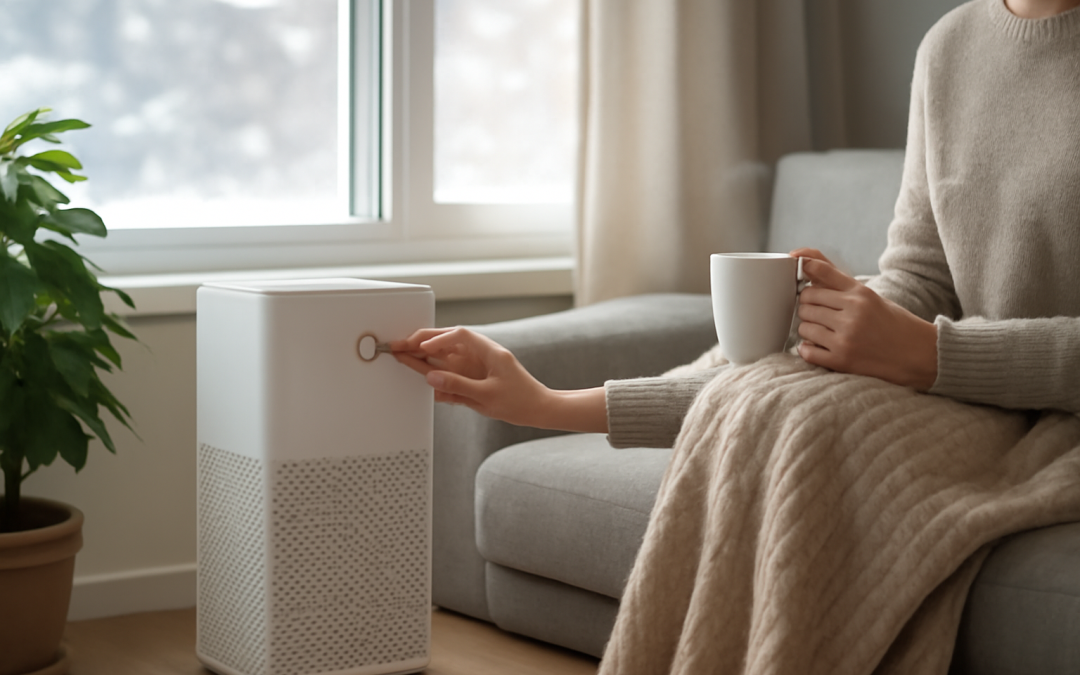
As the temperatures drop and the days grow shorter, many people retreat indoors to escape the harshness of winter. However, spending extended periods inside during these colder months can lead to a build-up of pollutants and allergens, making it crucial to pay close attention to indoor air quality. Cold weather often prompts homeowners to seal windows and doors tightly to conserve heat, but this can have the unintended consequence of reducing ventilation and trapping contaminants inside. Maintaining a healthy breathing environment in winter requires conscious effort, understanding the factors that affect air quality, and applying proven strategies to ensure that the indoor atmosphere remains fresh and safe.
One of the most significant challenges to indoor air during winter is reduced ventilation. When homes are tightly sealed to prevent drafts, the natural exchange of indoor and outdoor air diminishes sharply. This reduced airflow causes pollutants such as dust, pet dander, cooking fumes, and volatile organic compounds (VOCs) from household products to accumulate. Over time, these contaminants can trigger allergies, irritate respiratory systems, and exacerbate conditions like asthma. Additionally, humidity levels tend to drop during winter, especially when heating systems are in use, which can cause dry air. Dry air not only irritates the mucous membranes but also increases the likelihood of respiratory infections and discomfort.
Humidity control plays a vital role in maintaining good indoor air quality during winter. The ideal indoor relative humidity level lies between 30% and 50%, which helps minimize the survival of viruses and bacteria while reducing the spread of dust mites and mold. When air becomes too dry, it can cause cracking of wooden furniture and flooring, dry skin, and even worsen respiratory issues. Using humidifiers can add moisture back into the air, but it is essential to monitor humidity levels closely. Excessive humidity can promote mold growth and dust mite proliferation, potentially compromising air quality further. Employing a hygrometer to keep track of humidity helps maintain the delicate balance needed for optimal indoor health.
Ventilation systems are critical contributors to healthy indoor air, especially when natural air exchange is limited in winter. Mechanical ventilation, such as heat recovery ventilators (HRVs) or energy recovery ventilators (ERVs), can efficiently exchange stale indoor air for fresh outdoor air without significant heat loss. These systems help maintain adequate airflow while conserving energy, offering an effective solution to air quality concerns in tightly sealed homes. Regular use and maintenance of ventilation equipment, including filter changes and system inspections, ensure optimal performance. Without proper ventilation, pollutants can build up quickly, creating an unhealthy environment.
Another important consideration involves household activities that produce pollutants, which often increase during winter when people spend more time inside. Cooking, burning candles, smoking, and using fireplaces or wood stoves all release various contaminants into the air. For instance, cooking emits particulate matter and nitrogen dioxide, both of which can reduce air quality if not properly ventilated. Utilizing range hoods when cooking, ensuring chimneys and flues are clean and functional, and limiting indoor smoking are necessary precautions. These steps help reduce exposure to harmful substances that can accumulate more readily when windows are closed, and airflow is restricted.
Indoor allergens tend to be more problematic during winter months as well. Since windows remain shut and outdoor pollen counts drop, many people assume allergens are less of an issue. However, dust mites, pet dander, and mold spores thrive indoors, particularly in low-humidity or poorly ventilated environments. Dust mites favor warm, humid conditions, which can paradoxically persist in bathrooms or near humidifiers if not managed properly. Regular cleaning with a vacuum equipped with a HEPA filter, washing bedding in hot water, and minimizing clutter reduce allergen levels. Mold growth, often due to moisture in hidden areas like behind walls or under sinks, should be addressed promptly by fixing leaks and using dehumidifiers where necessary.
The choice of household cleaning and personal care products significantly impacts indoor air quality in winter. Many conventional cleaning agents contain harsh chemicals and fragrances that release VOCs into the air, which can cause headaches, respiratory irritation, and other health concerns. Switching to natural or low-VOC products can drastically improve indoor air quality. Proper storage of chemicals, adequate ventilation when using these products, and minimizing their use altogether further reduce pollutant levels. Paying attention to product labels and opting for unscented or hypoallergenic items also benefits sensitive individuals and helps maintain a healthier breathing environment.
Heating sources themselves can influence air quality considerably. Gas furnaces, wood stoves, and space heaters may release carbon monoxide, nitrogen dioxide, or fine particulates if not operated correctly. Ensuring that heating appliances are well-maintained, regularly inspected, and vented properly is essential to prevent indoor air pollution. Installing carbon monoxide detectors and smoke alarms throughout the home adds a layer of safety, alerting residents to dangerous conditions before they escalate. In addition, avoiding portable kerosene heaters or any unvented combustion devices indoors helps maintain cleaner, safer air.
The materials and furnishings within a home also impact indoor air quality. Many building materials, furniture, carpeting, and textiles can emit VOCs, which off-gas over time. During winter, when homes are closed up, these emissions often accumulate to higher concentrations. When possible, choosing low-emission or certified “green” products reduces the introduction of harmful chemicals. Additionally, ventilating new furnishings and freshly painted walls by increasing airflow initially—perhaps by opening windows briefly on warmer days—can help dissipate VOCs. Using air purifiers with activated carbon and HEPA filters adds another layer of protection by capturing airborne particles and absorbing gases.
Routine maintenance of air filtration systems within HVAC units plays a non-negotiable role in sustaining good air quality. Dirty or clogged filters reduce airflow, lowering heating efficiency and increasing the circulation of dust and allergens. Changing or cleaning filters according to manufacturer recommendations ensures that indoor pollutants are trapped effectively before they recirculate. For households with allergy sufferers or asthma patients, upgrading to high-efficiency particulate air (HEPA) filters provides more rigorous air cleaning. Preventative maintenance on furnaces and ductwork also prevents the growth of mold or buildup of contaminants that decrease indoor air quality.
Keeping indoor plants can be a natural method to improve air quality, though with some caveats in winter. Certain houseplants can absorb carbon dioxide and VOCs while releasing oxygen, contributing positively to the indoor environment. However, overwatering or poor drainage may promote mold growth, negating benefits. Selecting easy-care plants known for air-purifying properties and ensuring they are well maintained can subtly enhance air quality. Their presence also contributes psychologically to well-being, which can be especially valuable during the colder, darker months when people spend more time indoors.
Behavioral changes throughout winter can make a significant difference in air quality as well. Regularly airing out living spaces, even if only for a short time when outdoor conditions permit, helps flush out accumulated pollutants. Ensuring that exhaust fans in bathrooms and kitchens are operative during activities that generate moisture or odors aids in controlling humidity and airborne particles. Avoiding indoor smoking entirely and reducing the use of irritant-based items such as synthetic air fresheners help preserve clean air. Taking small but consistent steps to improve the indoor air environment protects not only health but also comfort.
In addition to the home environment, being mindful of activities outside and their influence on indoor air quality is important. For example, pollutants from vehicle exhaust can enter homes when doors open frequently during winter. Parking cars away from open windows and being cautious about tracking in dust or chemicals on shoes reduces indoor contamination. Similarly, ensuring pets are clean and well-groomed helps limit dander accumulation. By managing what enters the home and what happens within, individuals can proactively maintain a better air environment throughout the winter season.
Technological advancements also offer increasing opportunities to monitor and improve indoor air quality. Portable air quality monitors can detect levels of particulate matter, carbon dioxide, humidity, and more, empowering residents to act swiftly when conditions deteriorate. Smart thermostats and integrated ventilation systems allow for optimized operation that balances comfort, energy efficiency, and healthy air exchange. While investing in such devices represents an upfront cost, the benefits of sustained health and reduced medical expenses can outweigh these investments over time. Staying informed about emerging technologies and adopting relevant solutions enhances overall wintertime indoor air quality management.
Ultimately, improving indoor air quality in the colder months requires a holistic approach that encompasses ventilation, humidity control, source management, and regular maintenance. Paying attention to heating systems, household products, building materials, and daily habits creates a safer, more comfortable environment. The health benefits gained from cleaner air extend beyond respiratory relief; they improve sleep quality, cognitive function, and general well-being. As winter extends indoor living periods, prioritizing air quality ensures that the home remains a sanctuary rather than a source of irritation or illness.
By implementing these strategies, individuals can enjoy the warmth and coziness of winter while breathing easy. Maintaining a balance between energy efficiency and fresh air, controlling moisture levels, minimizing contaminants, and adopting smart behaviors collectively protect indoor air quality. Each step taken contributes to healthier lungs, stronger immune systems, and a more pleasant home experience throughout the coldest season of the year. Vigilance and proactive care foster an indoor environment that supports not just survival but thriving wellness during wintertime.