Texture holds a unique and powerful place in the world of visual and tactile experiences. It has the ability to draw attention, create depth, and evoke emotions in ways that color or shape alone sometimes cannot achieve. When used as a focal tool, texture transcends its role of mere background detail to become a primary element that guides the observer’s eye and shapes their engagement with an artwork, design, or space. Understanding how texture functions as an attention-grabbing device opens up a wide range of creative possibilities for artists, designers, architects, and others who rely on visual storytelling.
From the moment the eye lands on a textured surface, there is an immediate dialogue between the viewer and the material. Unlike flat, smooth areas that can often feel uniform or predictable, surfaces rich with texture invite curiosity and interaction. Texture introduces complexity and variation, which naturally pull the eye toward certain parts of a composition. This effect can be subtle, as in the gentle roughness of a canvas or the slight embossed detail on a book cover, or it can be bold and commanding, as with heavily carved wood or deeply etched stone. Regardless of intensity, texture activates a desire to explore, making it an effective focal tool.
One of the reasons texture captures attention so powerfully is its ability to simulate a sense of touch, even in purely visual media. Human beings are highly tactile creatures; our brains are wired to seek out and process physical sensations. When we see an image with pronounced texture, our minds often instinctively imagine the feel of that surface, whether it is coarse, smooth, gritty, or velvety. This multisensory engagement enhances the connection between viewer and subject, encouraging a closer and more prolonged examination. Texture, therefore, works not only as a visual stimulus but also as a bridge to the sensory imagination.
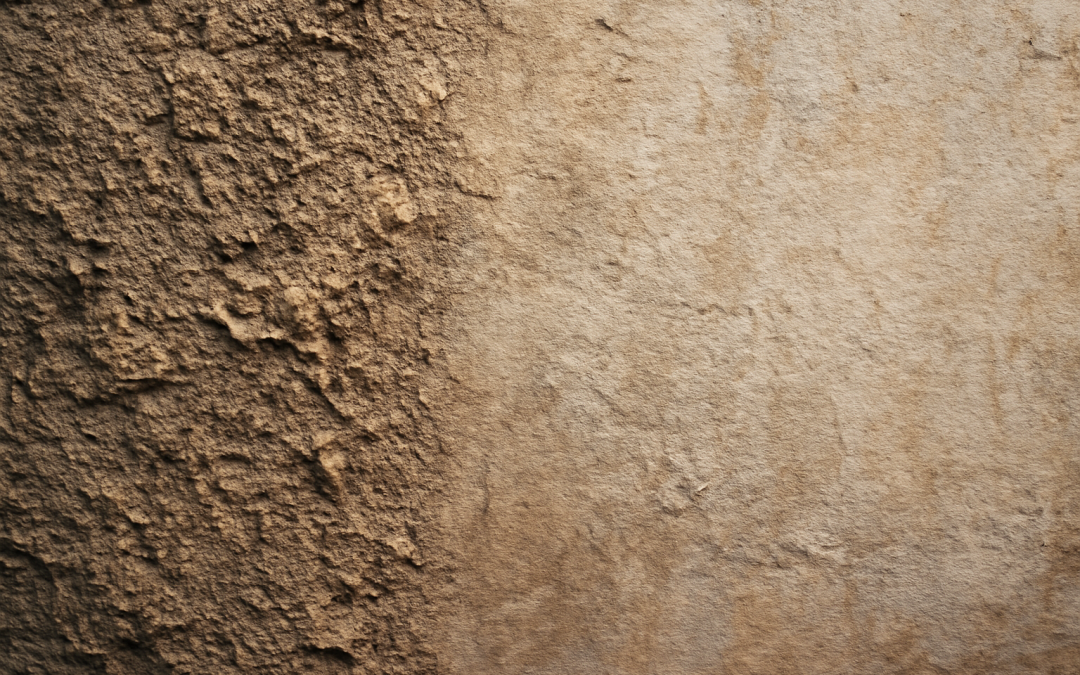
In addition to stimulating the sense of touch, texture plays a critical role in establishing hierarchy within a composition. Just as contrasting colors or shapes can signal importance, carefully chosen and applied textures can prioritize certain elements over others. For instance, a rough and intricate texture placed alongside flatter, less detailed areas immediately elevates itself in the visual hierarchy. This principle is frequently utilized in interior design, where feature walls with textured finishes demand attention and anchor a room’s aesthetic. Similarly, in graphic design, textured backgrounds or typography can create focal points that command the viewer’s focus before their gaze moves on to secondary content.
Moreover, texture can influence the emotional tone of a piece. The tactile qualities suggested by texture often carry symbolic meaning or evoke specific moods. Rough, rugged textures might bring to mind notions of strength, earthiness, or resilience, while smooth, polished textures suggest sophistication, calm, or modernity. By using texture as a focal tool, artists and designers can subtly steer emotional responses. The choice and placement of texture become a nuanced language that communicates beyond what is explicitly shown or written, enriching narrative and experiential layers.
While texture can be naturally occurring or artificially applied, the context and contrast it creates are crucial in its effectiveness. Natural textures—like the bark of a tree, woven fibers, or stone surfaces—carry an inherent authenticity that resonates with viewers. When these physical textures are introduced into man-made or digital environments, they create a striking focal point by virtue of their organic irregularities. In contrast, man-made textures, such as embossed patterns, brushstrokes in paint, or manipulated photographic grain, offer controlled visual interest that can be precisely tailored to direct focus. The interplay between natural and artificial texture can further heighten the attraction, as it introduces an element of surprise or novelty.
In the digital realm, texture takes on an additional dimension because it must be simulated rather than felt. Digital artists and designers employ a variety of techniques to mimic the appearance and implied sensation of texture, from high-resolution brushwork in digital painting to 3D modeling that simulates surface relief. Despite the intangible nature of digital media, texture remains one of the most effective means of creating a focal point. For example, in user interface design, textured buttons or backgrounds can enhance usability by drawing attention and indicating interactivity. Web designers often leverage subtle textures to break the monotony of flat designs, increasing engagement without overwhelming the user.
The strategic use of texture also enhances spatial perception and illusion in both two-dimensional and three-dimensional works. By incorporating texture gradients, artists can suggest proximity, depth, and spatial relationships. Textured elements that appear closer or more pronounced naturally attract the eye first, helping to organize the viewing experience and convey a stronger narrative. Architects exploit textured surfaces to enliven building facades or interior finishes, guiding visitors through spaces and creating memorable visual moments. In sculpture and installation art, texture can dictate how light interacts with a form, changing appearances throughout the day and reinforcing the focal nature of the piece.
Another fascinating aspect of texture as a focal tool is its relationship with pattern and repetition. While textures are often irregular, their interaction with patterned elements can amplify focal effects. Pattern tends to draw the eye by repetition and rhythm, but when combined with textural variation—such as a rough patch interrupting a smooth pattern—the disruption becomes an even stronger point of focus. This contrast plays on human perceptual tendencies to notice anomalies or deviations in order, directing attention precisely where desired. Thus, texture can be used not just to attract the eye initially but also to hold it, sustaining interest through subtle complexity.
For tactile textures, the physical engagement they invite can be a powerful complement to visual focus. In environments where touch is possible, such as galleries, museums, or designed spaces, textured elements act as interactive beacons that invite viewers to linger and establish a personal connection. Textured surfaces encourage exploration and discovery, essential qualities for immersive experiences. This kind of active participation deepens the impact of the focal point, turning a momentary glance into a meaningful encounter.
The versatility of texture is also apparent in its ability to connect different elements of composition. Texture can unify disparate parts of a design or artwork by providing a common tactile language, or it can distinctly set them apart, creating zones of attention and rest. This dynamic flexibility enables creators to engineer complex visual pathways, where texture leads the eye through a carefully choreographed experience. For example, the transition from smooth to rough texture can signal a shift in tone or narrative, guiding the viewer’s emotional journey as well.
Texture’s impact on light and shadow further enhances its role as a focal tool. Because texture inherently affects how light reflects, absorbs, or diffuses across a surface, it creates a play of highlights and shadows that adds dimensionality and intrigue. This optical variation can direct attention precisely, as brightly lit textured areas attract focus, while shadowed textures can create mysterious or intimate spaces within a visual composition. Photographers, painters, and lighting designers alike exploit this phenomenon to craft focal points that feel vivid and alive, transforming surfaces into dynamic narratives.
The emotional resonance of textured surfaces is often tied closely to cultural and personal associations. Certain textures evoke nostalgia, tradition, or warmth, while others suggest innovation and modernity. For example, the rough weave of burlap or the softness of velvet carries embedded meanings that go beyond their physical properties. Selecting a texture as a focal element allows creators to tap into these collective memories and sentiments, making the focal point not just visually compelling but emotionally charged. This enriches storytelling and provides depth to otherwise straightforward designs or artworks.
Texture also offers opportunities for experimentation with scale, which can magnify its focal function. When small-scale textures are viewed up close, their fine details invite detailed inspection, drawing the eye inwards. Conversely, large-scale texture—such as the undulating surface of a sculpted wall or the expansive brushwork of an abstract painting—can dominate the visual field and command immediate attention. Manipulating scale allows artists and designers to tailor the intensity and intimacy of the focal effect, tailoring it to the intended context and audience.
Within collaborative and interdisciplinary projects, texture often acts as a bridge between different sensory and conceptual elements. For instance, in theatrical set design, textured surfaces can inform costuming, lighting, and sound design, creating a coherent sensory environment centered around a focal theme. Similarly, in product design, the feel and look of texture influence user interaction and brand perception, underscoring the tactile dimension as part of overall appeal. These cross-disciplinary applications demonstrate the profound influence texture holds beyond purely visual realms.
While texture’s power is often immediate and instinctual, mastering its use as a focal tool requires thoughtful consideration and skill. Designers need to balance texture with other elements like color, form, and space so that it enhances rather than overwhelms. Overuse of texture can result in visual noise that dilutes the focal impact, while too little can reduce its potential to engage. The key lies in purposeful selection and placement—using texture to create points of interest that guide the viewer’s experience in harmony with the overall composition.
The process of creating and applying texture is also integral to the final impact. Whether it is achieved through traditional methods such as brush strokes, carving, or textile manipulation, or through modern digital techniques, the tactile quality of texture is linked to the artist’s hand and intention. This human touch often imbues the focal area with authenticity and emotional depth, making the texture not just a feature of the surface but a testament to the creative process itself. This relationship enhances the narrative power of texture, making focal points more meaningful and memorable.
In conclusion, texture’s role as a focal tool is multifaceted and deeply rooted in its capacity to attract, engage, and communicate. Its ability to stimulate sensory imagination, create hierarchy, influence mood, and manipulate perception makes it a versatile and potent element in creative expression. By thoughtfully incorporating texture into compositions, artists and designers can craft experiences that are not only visually striking but also emotionally resonant and intellectually stimulating. Ultimately, texture elevates visual storytelling by transforming simple surfaces into complex dialogues that captivate and hold the viewer’s attention, making it an indispensable tool in the arsenal of creative professionals.