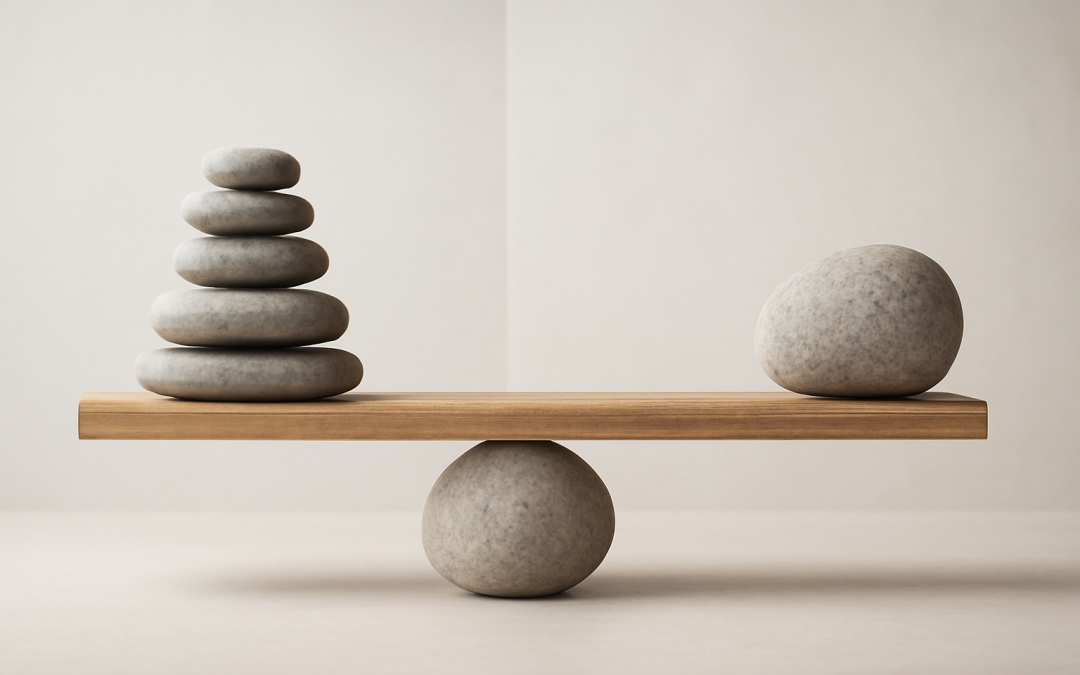
Balance is a fundamental principle that governs the composition and aesthetics of visual design, art, architecture, and even everyday life. It refers to the distribution of visual weight within a piece to create a sense of stability and harmony. Among the many ways to achieve balance, two prominent types stand out: symmetrical and asymmetrical balance. Both play essential roles in guiding the viewer’s eye, shaping the emotional impact, and defining the overall feel of an object or space. Understanding the nuances between these two types can elevate one’s appreciation and intentionality in creating compelling visual experiences.
Symmetrical balance, often described as formal balance, is characterized by an equal distribution of elements on either side of a central axis. This mirror-like reflection gives rise to a sense of order, formality, and calmness. In nature and design, symmetry is often associated with classical beauty and perfection. Many classical architectural structures, such as Greco-Roman temples, rely heavily on symmetry to convey stability and grandeur. The human face is another natural example of symmetry that machines and artists alike reference when determining attractiveness or emotional expression.
One of the most compelling features of symmetrical balance is its predictability. Because elements on both sides mirror each other, viewers tend to feel comfortable and relaxed when observing such compositions. This balance lends itself to conveying messages of authority, tradition, and reliability, which is why many logos for banks, government institutions, and luxury brands use symmetrical design. The straightforwardness of symmetrical balance makes it particularly effective for communicating clear, unambiguous information.
However, in some cases, symmetrical balance can border on rigidity or monotony. Because the eye encounters an almost exact repetition, there can be a lack of dynamic interest or surprise. This is why designers and artists sometimes incorporate subtle variations within symmetrical compositions to avoid stagnation while maintaining harmony. Small shifts in color, texture, or detail can serve as focal points that break uniformity without disrupting the overall equilibrium.
In contrast, asymmetrical balance, or informal balance, creates harmony by balancing unlike objects or elements with different visual weights. This type of balance is less predictable and often more engaging. Rather than mirroring each other, the elements interact dynamically to create tension, movement, or rhythm within the space. Asymmetrical balance reflects the complexities and variety found in nature and modern life, where elements rarely exist in perfect replication.
One of the key advantages of asymmetrical balance is its ability to evoke emotion and interest. It encourages viewers’ eyes to travel throughout the composition, exploring contrasts in size, shape, color, texture, and space. Asymmetrical arrangements tend to feel spontaneous or organic, often evoking feelings of creativity, energy, and growth. This makes asymmetrical balance especially popular in contemporary design, photography, and digital media, where engaging and visually stimulating compositions are necessary to capture fleeting attention.
Despite its dynamic nature, asymmetrical balance requires careful consideration and practice to master. Unlike symmetrical balance, where mirroring provides a clear guide, asymmetrical compositions rely on an intuitive sense of proportion and spatial arrangement. Elements with heavier visual weight, such as darker colors or larger sizes, must be offset by multiple lighter or smaller elements to achieve equilibrium. The imbalance is only effective if the total visual weight feels evenly distributed, preventing any single area from overwhelming the rest.
In environments such as interior design, asymmetrical balance can create inviting and personalized spaces. Rooms balanced asymmetrically often appear less formal but more lived-in and warm. For example, placing a large piece of artwork on one side of a room balanced by a cluster of smaller decorative items on the other creates visual interest without feeling chaotic. This fluid type of balance encourages flexibility and experimentation, allowing designers to reflect individuality and modern aesthetics.
Both symmetrical and asymmetrical balance are essential tools in an artist’s or designer’s repertoire, but their application depends on the intended message and desired emotional response. Symmetrical balance tends to ground the viewer in a sensation of stability, control, and predictability. It’s suitable for contexts where trust, order, and clarity are paramount. Asymmetrical balance, conversely, draws the viewer into an experience of exploration and engagement, offering a feeling of movement and evolution. It is ideal when the goal is to inspire creativity or reflect contemporary lifestyles.
The interplay between symmetrical and asymmetrical balance can also be found within a single composition, creating layers of meaning and visual texture. A symmetrical core can be enlivened with asymmetrical details, blending order with spontaneity. This hybrid approach allows creators to harness the strengths of both types, resulting in works that are both balanced and dynamic. For example, a symmetrical architectural façade might include asymmetrical landscaping elements to soften the rigidity and connect the structure with its natural surroundings.
Historically, the preference for one type of balance over the other has shifted depending on cultural values and technological advancements. Ancient civilizations often favored symmetrical balance for its associations with sacred geometry and cosmic order. The Renaissance period revived symmetrical design as an expression of harmony and human perfection. In contrast, the rise of modernism embraced asymmetry, breaking away from tradition to explore abstraction and movement. Today, designers often combine both in innovative ways, acknowledging that balance is not about uniformity but about intentional distribution of visual weight to convey meaning.
In practical terms, achieving balance—whether symmetrical or asymmetrical—requires a keen eye and an understanding of key visual elements such as shape, color, size, texture, and placement. Visual weight, or the perceived heaviness of an object, is influenced by these factors. For example, dark colors and large shapes typically appear heavier, while light colors and small, intricate details feel lighter. The spatial relationship between elements, including proximity and negative space, also contributes to the overall sense of balance.
In graphic design, symmetrical balance is often used in layouts that prioritize clarity and ease of navigation, such as newspapers, corporate websites, or printed invitations. The predictability guides readers through information logically and comfortably. On the other hand, asymmetrical designs might be preferred for artistic portfolios, advertising campaigns, or social media graphics where grabbing attention and evoking emotion is critical. The tension created by asymmetry can make a design memorable and distinctive.
Photography also demonstrates the principles of balance vividly. A symmetrical photograph, such as a reflection in water or a perfectly centered subject, instills calmness and order. Conversely, an asymmetrical photograph might place a subject off-center, balancing the composition with negative space or contrasting elements. This not only creates interest but also tells a story or conveys mood more effectively. Mastering balance allows photographers to compose shots that resonate emotionally and aesthetically with viewers.
In architecture, symmetrical balance offers structures that feel monumental and timeless, reflecting ideals of permanence and grandeur. Iconic buildings such as the Taj Mahal or the Parthenon showcase the breathtaking impact of symmetry. Modern architectural trends, however, often gravitate toward asymmetry to express innovation, break monotony, and respond to functional needs. Buildings with asymmetrical forms and irregular shapes can evoke a sense of movement, adaptability, and futuristic vision.
The process of deciding between symmetrical and asymmetrical balance is often one of balancing function, emotion, and context. Symmetry can simplify complex spaces, providing clear pathways and intuitive organization. Asymmetry can accommodate diverse needs and create dynamic experiences. For example, in urban design, symmetrical layouts might organize traffic and public spaces efficiently, while asymmetrical elements such as varied park designs or cultural installations foster vibrancy and exploration.
In the realm of fine art, both symmetrical and asymmetrical compositions have been celebrated and critiqued depending on the cultural and artistic movements involved. Artists like Leonardo da Vinci used symmetry to embody ideal human proportions and divine order, while artists like Jackson Pollock embraced asymmetry and randomness to evoke emotion and challenge traditional aesthetics. The choice of balance reflects not only formal considerations but deeper philosophical intentions about order, chaos, and human experience.
Psychologically, symmetry is often linked to beauty and preference in human cognition, possibly because it signifies health and stability. Asymmetry, although perceived as less stable, can be exciting and draw more attention due to its unpredictability. Designs using asymmetrical balance can stimulate curiosity and engagement, making them effective in fields like advertising or entertainment. Understanding these responses allows creators to tailor their work to influence mood and behavior deliberately.
Technology has expanded the possibilities for experimenting with balance. Digital tools and platforms allow designers to manipulate elements with precision, testing symmetrical and asymmetrical layouts rapidly. Responsive web design often uses asymmetry to adapt to different device sizes and orientations, enhancing user experience. Additionally, virtual and augmented reality environments use balance principles to create immersive and comfortable spaces that guide the user’s attention intuitively.
Ultimately, both symmetrical and asymmetrical balance possess inherent strengths that make them invaluable across various disciplines and applications. Symmetry fosters clarity, trust, and classical beauty, while asymmetry invites creativity, energy, and engagement. The thoughtful use of these principles can transform mundane visuals into meaningful compositions that resonate deeply with viewers. Whether the goal is to convey tradition and stability or to inspire exploration and innovation, balance remains the cornerstone for creating designs that truly connect and communicate.
Mastering the difference between symmetrical and asymmetrical balance requires not only technical knowledge but also sensitivity to context, culture, and emotional impact. Artists, designers, and architects who embrace both forms with flexibility are equipped to craft visuals that are balanced not just in appearance but in experience. In this way, balance transcends simple aesthetics, becoming a powerful language that shapes how we perceive and interact with the world around us.