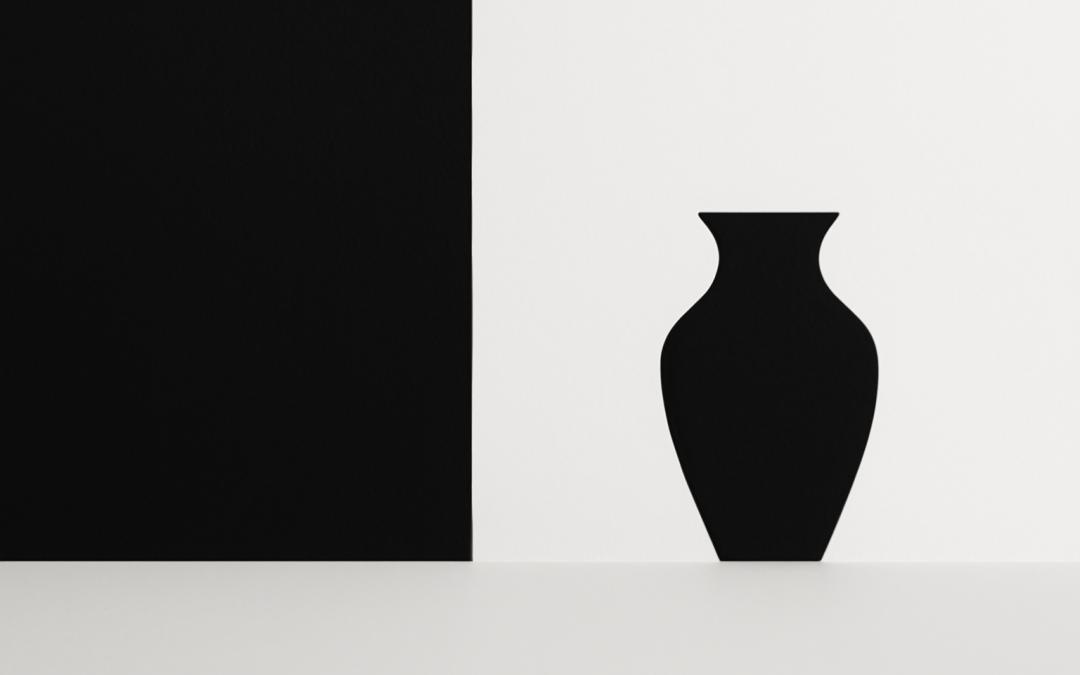
Understanding the interplay between positive and negative space is fundamental to creating compelling visual compositions. These two elements, often overlooked by beginners, form the backbone of artistic balance and harmony. Positive space refers to the area occupied by the main subject or elements in a composition, while negative space is the empty or open space surrounding and interacting with these subjects. Mastery over positive and negative space allows artists, designers, and photographers to manipulate perception, guide the viewer’s eye, and inject meaning into their work beyond the obvious.
The concept of positive and negative space transcends all forms of visual art. From painting and drawing to graphic design, architecture, and photography, the deliberate use of space can alter how a piece is interpreted. Positive space conveys substance, form, and focus, while negative space invites breathing room and emphasizes or reveals the positive areas more clearly. When these spaces are well balanced, compositions feel cohesive and intentional rather than cluttered or disconnected. A composition with poor use of these spaces can either overwhelm due to lack of rest areas or feel unfinished due to excessive emptiness.
One of the most fascinating aspects of learning this skill is realizing that negative space is not just “empty.” It carries as much importance as the positive elements and can transform a simple composition into a visually engaging experience. For instance, the classic FedEx logo cleverly incorporates an arrow within the negative space between the “E” and the “x,” illustrating how negative space can be used creatively to embed subtle messaging or symbolism. This use of negative space compels viewers to look more closely, offering a reward for their attention and deepening the impact of the design.
The psychological effects of positive and negative space at work are equally profound. Positive spaces tend to attract and confine attention since they carry the vital information or subject matter. In contrast, negative spaces provide relief and can invoke feelings of calm, openness, and even mystery. Strategic manipulation of these spaces plays into the emotional resonance of a piece and can influence how the viewer’s mood shifts as they look at the artwork. Artists who master this balancing act can control not only where a viewer looks but also how they feel during the viewing experience.
In practical terms, mastering positive and negative space starts with observation. An artist must learn to see objects not just as isolated forms but in relation to the spaces surrounding them. This “seeing” requires training the eye to recognize the shapes made by negative spaces, which are often irregular and overlooked. Drawing exercises that focus on sketching negative shapes rather than the objects themselves can sharpen this awareness. As these exercises progress, artists start to internalize this spatial understanding, which later influences their creative decisions organically.
Composition techniques heavily rely on the manipulation of positive and negative space. One common method to achieve balance is through the use of asymmetry, where a dominant positive space is offset by a large negative space elsewhere in the frame, generating dynamic tension. This contrasts with symmetrical compositions, where positive and negative spaces are mirror images on either side, creating harmony and stability. Both approaches have their place and can evoke very different responses from the audience depending on the artist’s intention.
In painting and drawing, the precise handling of light and shadow can enhance the perception of space. Negative space can be suggested through shadow or absence of detail, effectively shaping how a viewer interprets the volume and relationships between elements. This technique is often evident in chiaroscuro, where contrasts between light and dark create a dramatic effect, heightening the three-dimensional quality of forms. By focusing on these spatial interactions, the artist enhances depth, ensuring that positive spaces do not appear flat but rather live harmoniously within the negative environment.
Photography especially demonstrates how vital negative space is to composition. A portrait framed tightly with the subject filling the frame might feel claustrophobic and overwhelming, whereas incorporating ample background or negative space can provide context, emphasize isolation, or evoke emotion. Landscape photography leverages negative space extensively to show vast skies, empty fields, or oceans, invoking feelings of freedom, solitude, or tranquility. Photographers who understand this dynamic can create images that communicate more than just the content captured—they tell stories through spatial relationships.
Graphic designers use positive and negative space as fundamental tools to communicate messages clearly and efficiently. Logos, branding materials, and advertisements all benefit from balanced use of space to avoid visual clutter and ensure messages are immediately understandable. For example, minimalist logos often rely heavily on negative space to create elegant, memorable marks that scale well and remain legible in various contexts. Design trends that embrace simplicity highlight the critical role negative space plays in modern aesthetics by giving designs room to breathe and reducing cognitive overload.
One challenge that artists face is the subconscious dominance of positive space in a composition. Our eyes are naturally drawn to objects, colors, or patterns that carry content, which can sometimes lead to overcrowding or neglecting the negative space. Training oneself to see negative space as a subject itself helps overcome this bias. This shift in perspective encourages more thoughtful placement and refinement of all elements within the frame, strengthening the overall composition.
Negative space also plays a significant role in cultural and symbolic contexts. The implicit meanings derived from what is left unsaid or unseen can be as important as the explicit forms presented. In Eastern ink paintings, for example, large areas of untouched paper signify emptiness, potential, and spiritual openness—a philosophy that enhances the simplicity and elegance of the artwork. Western art movements, such as Minimalism, similarly exploit negative space to focus audiences on form and essence by stripping away unnecessary details.
Achieving mastery in the use of positive and negative space often requires iterative experimentation. Artists must repeatedly adjust compositions to discover the most effective spatial balance for their message and style. Digital tools and software have made this process more accessible by offering the ability to resize, crop, and manipulate elements quickly, providing real-time feedback on how spatial relationships shift. Nonetheless, intuition remains vital; artists must develop a keen eye through practice to anticipate how viewers will interpret spatial arrangements.
The context in which an artwork is presented also influences the effectiveness of positive and negative space. For example, gallery white walls around a painting can act as external negative space, emphasizing the artwork itself as positive space. Similarly, in architectural design, the negative space between buildings or within rooms affects how individuals move through and experience the environment. Urban planners and interior designers consciously manipulate space to create flow, openness, or intimacy, demonstrating that this principle extends beyond traditional art forms.
Understanding how positive and negative space interact enables problem-solving in creative work. When compositions feel off or unbalanced, artists can diagnose whether the issue arises from too much positive clutter or overwhelming emptiness in negative areas. Adjusting these elements can salvage a piece and introduce new layers of meaning or aesthetic appeal. This skill equips creators with the flexibility to refine existing works and innovate confidently, knowing how to direct visual weight and attention effectively.
For educators, teaching the principles behind positive and negative space involves guiding students to appreciate the interaction of shape and void. Exercises such as cutting out paper shapes or creating collages can physically demonstrate how altering one space transforms the other. Encouraging student awareness of these relationships builds a foundation that enhances their work across all visual disciplines, making their creations more sophisticated and polished.
In summary, developing a comprehensive understanding of positive and negative space is indispensable for anyone serious about visual composition. These opposing yet complementary elements dictate the structure, flow, and emotional resonance of a work. Mastery arises from diligent observation, mindful experimentation, and a willingness to reconsider how each space contributes to the whole. By harnessing the power of spatial relationships, creators unlock the potential to elevate their art beyond mere representations into compelling narratives that engage and inspire.