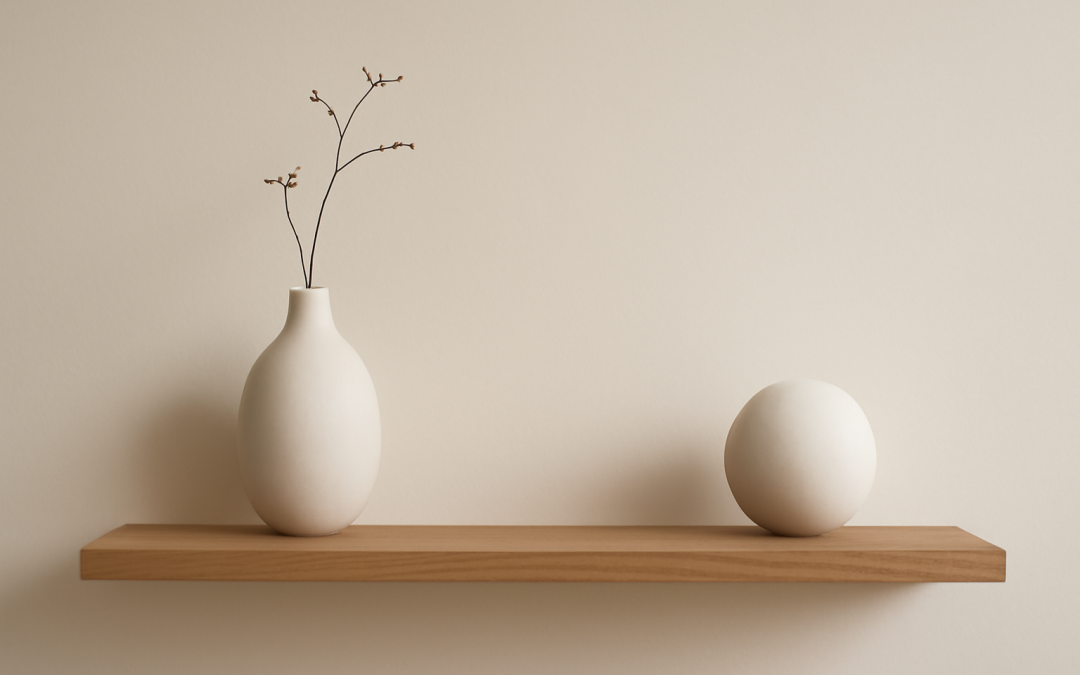
Creating a serene and purposeful environment often lies at the heart of minimalist design. It is an approach rooted in simplicity, where every element serves a function and every space breathes with intention. Yet, minimalism’s success depends not merely on reducing clutter or stripping away excess but on achieving a subtle equilibrium that makes a space not only visually appealing but also comfortably livable. This equilibrium, often overlooked, is the essence of balance in minimalist design. It is what transforms a sparse room into a sanctuary.
Balance in minimalist interiors is the foundational principle that prevents spaces from feeling cold, empty, or lifeless. It manages the interplay between positive and negative space, between objects and emptiness, between function and aesthetics. Without this equilibrium, interiors may veer toward sterility or chaos, undermining the core minimalist objective of harmony and clarity. Balance ensures that every item has a place and a purpose, contributing to an environment that is both calming and coherent.
One of the most compelling aspects of balance in minimalist design is the use of negative space—the areas left intentionally empty. Far from being merely blank, negative space frames the design elements and accentuates their presence. It creates breathing room for the eye and mind, fostering calm and focus. Achieving balance requires careful consideration of how much space is maintained around objects to avoid overcrowding while ensuring the space doesn’t appear abandoned or neglected. The tension between filling and leaving empty space is delicate and must be tuned to suit the room’s size, lighting, and function.
The choice of color plays a significant role in maintaining balance within minimalist settings. Neutral tones often dominate minimalist palettes because they provide a restful and unobtrusive backdrop. Whites, grays, and muted earth tones serve as visual anchors that subtly unify the space. However, balance doesn’t mean uniformity. Strategic use of accent colors—whether in textiles, artwork, or furnishings—activates the room without overwhelming it. These splashes of color should be sparingly introduced to maintain the minimalist aesthetic while providing warmth and personality.
Texture also contributes substantially to the perception of balance in minimalist interiors. In absence of ornate decoration or excessive color variation, tactile contrasts become vital to creating interest and depth. The interplay between sleek surfaces like polished concrete or glass and softer textures such as linen or woven wool counters monotony. Incorporating varied textures helps achieve a visual and tactile balance that invites interaction with the space, making it feel layered and complete without overcomplicating the design.
Furniture selection and arrangement are critical aspects of balance in minimalist design. The forms chosen should be simple, often characterized by clean lines and geometric shapes, yet still comfortable and inviting. Oversized or bulky furniture can disrupt equilibrium by overpowering the space, while too few furnishings may render it sparse and unwelcoming. The placement of furniture should allow fluid movement and visual openness, with careful spacing to ensure conversational zones and focal points emerge naturally. Symmetry is one tool for balance, but asymmetry, when thoughtfully composed, can produce a dynamic and engaging spatial harmony.
Lighting is another indispensable element that impacts balance. Natural light is particularly prized in minimalist design since it enhances the perception of openness and purity. Large windows, skylights, and reflective surfaces are used to maximize daylight. Artificial lighting, meanwhile, is selected and positioned to highlight architectural details and objects, adding dimension without clutter. A combination of ambient, task, and accent lighting can create an ensemble that maintains visual calm while supporting functionality. The careful layering of light sources maintains intimacy and clarity, preventing spaces from feeling either stark or gloomy.
Another subtle but powerful factor in achieving balance is proportion. Minimalist design relies heavily on the relationship between the sizes of objects and the space they inhabit. Appropriately scaled furnishings make rooms feel comfortable and cohesive. When proportion is disregarded, a small piece may seem insignificant or lost, while an oversized item could dominate and inhibit movement. Balanced proportion respects not only the physical dimensions but also the psychological effect objects have on the inhabitants. The eye naturally seeks proportional harmony, which sustains a sense of order and peace.
Materials used in minimalist spaces further echo the call for balance. Natural materials—such as wood, stone, leather, and metal—bring a grounded vitality to interiors. These elements introduce imperfection and variability that soften minimalism’s sometimes rigid geometric discipline. The tactile warmth of natural finishes juxtaposed with smooth, matte surfaces offers sensory balance, appealing both to sight and touch. Moreover, materials with a sustainable or tactile quality often complement the minimalist philosophy of thoughtful consumption and longevity.
In minimalist environments, balance extends beyond aesthetics to inform functional organization. Storage solutions are ingeniously integrated to minimize visual distraction while maintaining accessibility. Open shelving, built-ins, and concealed compartments prevent clutter accumulation, which would otherwise disrupt the spatial harmony. The intentional concealment or display of objects follows a deliberate narrative, reinforcing the room’s identity and supporting a sense of calm order.
Visual rhythm also contributes to balance by repeating shapes, colors, or textures in measured ways, creating cohesion. This rhythmic repetition can be subtle yet compelling—such as the echo of a shape in a chair back and a pendant light, or the recurrence of a color tone in a rug and a cushion. Rhythm helps guide the eye through the space in a natural flow, knitting disparate elements into a unified whole. It is through such repetition that the minimalist design achieves both restraint and vibrancy simultaneously.
It is worth noting that balance in minimalist design embraces a variety of approaches and personal styles. For some, this may mean a nearly austere environment punctuated by a single art piece or a unique furniture item. For others, it involves layering minimal elements in thoughtful ways that enrich comfort and functionality. Regardless, the underlying theme remains consistent: intentionality governs every choice, ensuring that balance—both visual and experiential—remains intact across the spectrum.
Emotional balance is another dimension often intertwined with the physical balance of minimalist spaces. A room that is visually balanced invites relaxation, creativity, and mental clarity. The absence of clutter reduces cognitive overload, allowing occupants to focus on what truly matters. By fostering a peaceful atmosphere, balanced minimalist environments nurture well-being and mindfulness, reinforcing the deep connection between space and psychological state.
Cultural and contextual nuances further shape how balance manifests in minimalist design. While rooted in principles that span many design traditions, minimalism can vary greatly depending on local materials, climate, and cultural aesthetics. Scandinavian minimalism, for instance, emphasizes warmth and coziness alongside sparse forms, while Japanese minimalism intertwines simplicity with natural elements and spiritual symbolism. These variations enrich the broader idea of balance by showing how minimalism can adapt fluidly to different settings without sacrificing its core tenets.
In architectural contexts, the external structure of a minimalist building often echoes and enhances internal balance. Clean lines, geometric precision, and thoughtful window placements establish a framework that supports tranquil interiors. The interplay between indoor and outdoor spaces is also essential that blurs boundaries and extends the sense of openness. Balanced minimalist architecture embraces light, scale, and nature in ways that create an immersive experience of simplicity and sophistication.
Technological integration within minimalist design provides another frontier for balance. Modern homes and offices utilize smart systems to maintain order, manage clutter, and elevate comfort subtly. For example, wireless charging, integrated sound systems, and concealed wiring reduce visual distraction. These advancements must be employed judiciously to preserve the minimalist ethos; technology should serve the space transparently, enhancing rather than disrupting balance.
Achieving balance in minimalist design is an evolving process rather than a static state. As people live in and interact with a space, their needs and preferences naturally shift. The flexibility to rearrange, curate, or introduce new elements without compromising the overall harmony is vital to maintaining relevance and satisfaction. Minimalism’s adaptability ensures that space remains inviting and functional across different life stages and activities, proving that balance thrives with intentional change and evolution.
In conclusion, balance is the silent yet powerful force that breathes life into minimalist design. It negotiates between absence and presence, function and beauty, simplicity and depth. By attending to spatial relationships, color, texture, proportion, lighting, and personal needs, balance ensures that minimalist spaces transcend minimalism as mere lack and transform into harmonious environments that speak of clarity, calm, and thoughtful living. The artful achievement of balance invites occupants into a world where less is truly more, creating spaces that are as enriching as they are refined.