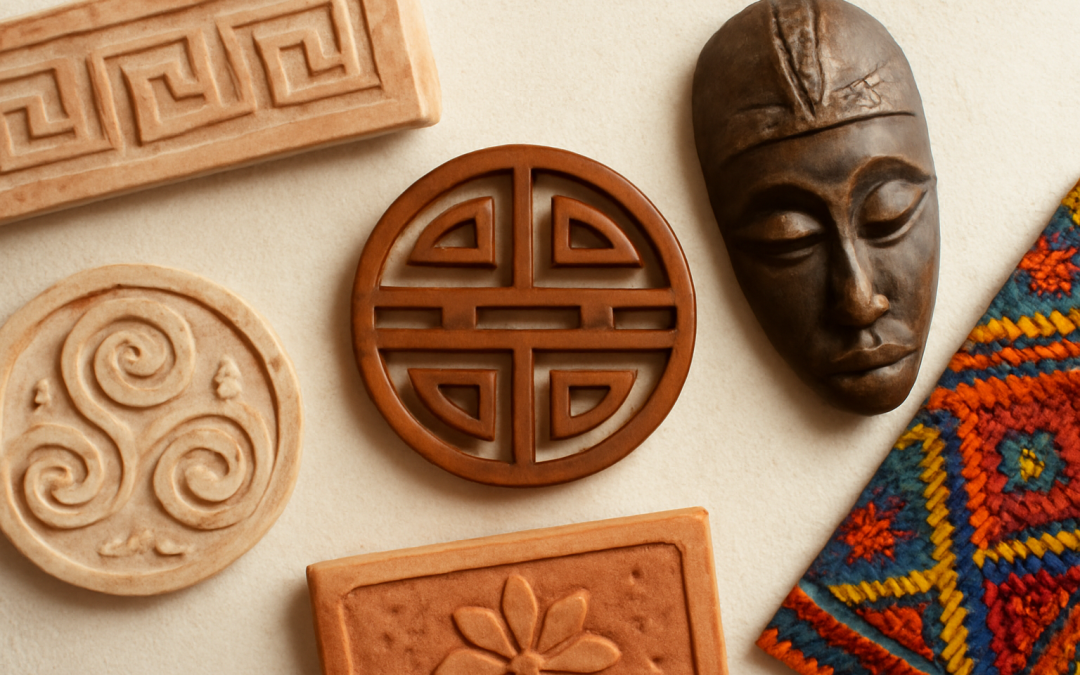
Design is more than just an aesthetic endeavor; it is a language that communicates deeply ingrained values, beliefs, and stories. Cultural symbols in design serve as vital conduits that bridge the gap between eras, regions, and peoples by embedding meaning beyond visual appeal. These symbols encapsulate shared histories, collective identities, and nuanced worldviews, transforming ordinary compositions into rich, evocative expressions of culture. As globalization accelerates the cross-pollination of styles and ideas, understanding the significance and proper use of cultural symbols in design becomes increasingly important. Not only do these symbols enrich the design process, but they also foster respect, inclusivity, and dialogue among diverse communities.
At its core, cultural symbolism in design functions as a visual shorthand that conveys complex messages with economy and elegance. For instance, the lotus flower, often found in Asian design, represents purity and spiritual awakening, while Celtic knots in European art embody interconnectedness and eternity. When these symbols enter the realm of graphic design, fashion, architecture, or product packaging, they are more than decorative elements—they become storytellers that communicate cultural narratives instantly and effectively. The choice to incorporate certain symbols must be deliberate, as it resonates emotionally and intellectually with audiences familiar with their significance, while also educating those encountering them for the first time.
One significant aspect to consider is the dynamic nature of cultural symbols. Although they often have deep historical roots, these symbols evolve over time, shaped by social, political, and technological changes. For example, the swastika, originally an ancient symbol denoting good fortune in various cultures, was deeply transformed in meaning during the 20th century. This highlights the responsibility that designers carry when using cultural symbols; they must be aware of their original context, contemporary interpretations, and potential sensitivities. By doing so, designers can prevent misappropriation and create works that honor and elevate cultural heritage rather than diminish or exploit it.
The visual language of indigenous designs provides a powerful example of how cultural symbols function in practice. Indigenous motifs, patterns, and color schemes often reflect connections to nature, spirituality, and communal life. These elements are not arbitrary but are embedded with layers of meaning passed down through generations. Incorporating such symbols into modern design gives voice to traditional knowledge systems and emphasizes the importance of safeguarding intangible cultural heritage. When approached with respect and collaboration, such design endeavors can amplify marginalized voices and encourage more authentic representation in the global design dialogue.
Similarly, religious symbols hold immense importance in design, influencing everything from architecture to graphic iconography. Christian crosses, the Islamic crescent, Hindu om symbols, and Buddhist mandalas each embody spiritual principles and cultural identities. The integration of these symbols must respect their sacredness and intended purpose. For example, in architecture, Gothic cathedrals employ Christian symbolism to inspire awe and spiritual contemplation, while in graphic design, religious symbols can help establish cultural connections in community branding or festival promotion. However, designers must remain sensitive to the context in which these symbols appear, avoiding trivialization or commercial exploitation that can offend adherents.
Language and written script itself can serve as cultural symbols within design. Typography that reflects traditional calligraphy or indigenous scripts can be a powerful way to express cultural pride and identity. Arabic calligraphy, Japanese kanji, and the Cherokee syllabary are not just functional forms of communication but carry aesthetic and cultural significance. In branding and advertising, the mindful use of culturally specific typography can elevate a project’s authenticity and reinforce a sense of place or heritage. This strategic use of language as a visual symbol helps foster connections that resonate deeply with target audiences, bridging modernity with tradition.
Another facet of cultural symbols in design is their role in fashion, where motifs and techniques serve as markers of identity and social meaning. Traditional textiles and jewelry often incorporate symbolic patterns that denote tribal affiliation, social status, or rites of passage. For example, the intricate beadwork of the Maasai tribe or the vibrant textiles of the Andean communities carry stories and ancestral wisdom. Fashion designers who draw inspiration from these cultural symbols have the power not only to celebrate diversity but to raise awareness about the significance of craftsmanship and cultural preservation. However, the line between cultural appreciation and cultural appropriation is delicate, necessitating a nuanced understanding and ethical engagement with the communities whose symbols are featured.
In the realm of corporate and product design, cultural symbols are increasingly employed to communicate brand heritage, values, or geographic identity. Companies often use local or national symbols to establish trust, familiarity, and pride among their audience. Combining cultural symbolism with contemporary design trends allows brands to stand out in the global marketplace while honoring their roots. For example, employing indigenous motifs or traditional patterns in packaging design can evoke authenticity and uniqueness. Yet, this practice also raises questions about ownership and permissions regarding cultural content, calling for more transparent and equitable collaborations between designers, brands, and cultural communities.
Public spaces and urban design also reveal the power of cultural symbols to shape collective identity and memory. Monuments, murals, plazas, and architectural landmarks often incorporate symbolic elements to celebrate historical figures, events, or cultural milestones. These spaces not only enhance the aesthetic environment but serve as sites of cultural education and communal gathering. Incorporating cultural symbols thoughtfully in urban design helps foster a sense of belonging and pride among diverse populations. Furthermore, these symbols can act as visual anchors that promote cultural literacy and awareness, encouraging residents and visitors alike to engage with the multifaceted stories that shape a city’s character.
The digital age brings new opportunities and challenges in the use of cultural symbols within design. Digital platforms enable the sharing and remixing of symbols across borders with unprecedented speed and scale. Designers working in digital media must therefore balance innovation with cultural responsibility, ensuring that the symbols they use are contextualized and respected. For instance, the use of emojis and icons, some of which have roots in specific cultural traditions, illustrates how symbols can be repurposed in global communication. Designers must also be wary of oversimplifying or homogenizing cultural symbols in digital formats, as this can strip away their complexity and nuance.
Education plays a crucial role in supporting the ethical integration of cultural symbols into design. Designers, educators, and cultural bearers must collaborate to impart a comprehensive understanding of symbolism, history, and cultural sensitivity. By fostering an environment where cultural symbols are studied deeply and applied thoughtfully, design professionals can contribute to cross-cultural empathy and the celebration of diversity. Coursework, workshops, and community engagement initiatives can help demystify cultural symbolism and provide designers with the tools needed to navigate this complex terrain responsibly.
Sustainable design practices also intersect meaningfully with cultural symbolism. Indigenous symbols and traditional design methods often embody principles of environmental stewardship, cyclical time, and interconnectedness with nature. As sustainability becomes a global imperative, designers can draw inspiration from these cultural frameworks to create eco-conscious projects that respect cultural heritage. This approach not only preserves cultural identity but aligns with broader ecological goals, proving that cultural symbolism and sustainability can reinforce one another in meaningful ways.
The interpretation of cultural symbols in design is not static; it shifts according to context, audience, and intent. A symbol’s meaning can be reinterpreted, challenged, or reclaimed by different groups, leading to dynamic dialogues around identity and representation. This fluidity necessitates openness and ongoing reflection on the part of designers. Engaging with communities and soliciting feedback are essential practices to ensure that the use of cultural symbols remains relevant and respectful. Furthermore, such engagement fosters partnerships that enrich the creative process and produce design outcomes rooted in mutual understanding and shared values.
In practice, successful incorporation of cultural symbols in design relies on meticulous research and consultation. Designers must delve into the histories, meanings, and contemporary significance of the symbols they wish to employ. This research should be complemented by direct communication with cultural custodians or experts to avoid misinterpretation and ensure authenticity. When done effectively, these collaborations can lead to innovations that honor tradition while pushing creative boundaries. The resulting designs resonate on multiple levels, appealing to both aesthetic sensibilities and deeper cultural consciousness.
Cultural symbols in design also play a pivotal role in social and political movements. Activists often use culturally significant imagery to galvanize communities, express solidarity, and challenge dominant narratives. Posters, logos, and apparel bearing such symbols can become rallying points for collective action and identity validation. By embedding cultural symbols in their visual strategies, movements tap into shared memories and aspirations, strengthening their impact and reach. For designers, this underscores the immense power—and responsibility—of symbolic imagery as an agent of change.
Ultimately, the thoughtful use of cultural symbols in design contributes to a richer, more interconnected global visual culture. It reveals the shared humanity beneath surface differences and highlights the beauty of diverse traditions. When designers approach cultural symbols with curiosity, respect, and integrity, they create works that inspire, educate, and unite. Such design transcends trends and commercial motivations, becoming a meaningful dialogue between past and present, local and global, individual and collective. In a world increasingly defined by cultural intersections, this deep engagement with symbolism elevates the role of design as a form of cultural stewardship and creative expression.