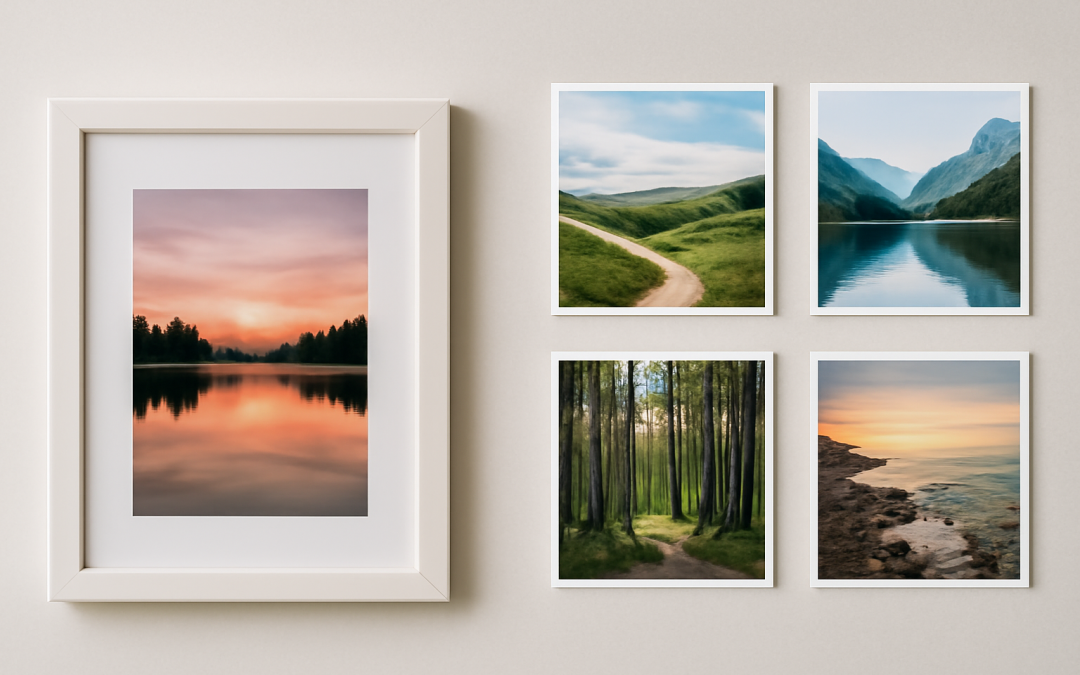
Visual storytelling offers artists, photographers, and content creators a spectrum of opportunities to communicate narratives and evoke emotions. At the heart of this lies a crucial decision: should the story be told through a single image or through a series? This choice influences not only how the audience perceives the message but also how deeply they engage with it. Opting for a single image demands precision and intensity, conveying essence within one frame. Conversely, a series provides a broader canvas, allowing subtler developments, contrasts, and progression over time to emerge. Understanding the power and challenges of each approach illuminates how they shape narrative, perception, and impact.
In many cases, a single image serves as a powerful snapshot—an encapsulation of a specific moment, emotion, or idea. A well-crafted single image has the ability to arrest attention immediately, making a potent statement that resonates effortlessly. This is especially effective in editorial photography, advertising, and even fine art where a singular photograph can symbolize abstract concepts or distill complex narratives into something visually compelling. The challenge lies in achieving clarity and depth in just one frame, with no room for additional context. Every element within the frame must be deliberate, from composition and lighting to subject matter and symbolism.
On the other hand, a series leverages the strength of cumulative storytelling. By presenting multiple images, it creates an arc—showing development, change, or a variety of perspectives. This gradual unfolding encourages deeper reflection and emotional bonding with the subject as viewers become invested in the narrative trajectory. Documentaries, photojournalism, and conceptual projects frequently rely on series to build layers of meaning, explore nuances, and emphasize contrasts or similarities that single images might struggle to convey. Series can chronicle events over time or compile images unified by a common theme, allowing artists to experiment with pacing and sequencing.
One significant advantage of employing a series is the opportunity to present multiple facets of the same subject. For instance, a single portrait might reveal personality through facial expression and posture, but a series could capture a subject under different emotional states, in various environments, or during transformational moments. This complexity often leads to a richer, more holistic understanding of the subject matter. Additionally, a series affords creators more flexibility in storytelling methods, whether through chronological storytelling, thematic exploration, or visual contrasts and similarities.
However, creating a compelling series comes with its own set of challenges. Maintaining consistency in tone, style, and quality across multiple images requires meticulous planning and execution. There is also the risk of redundancy or diluting the impact if the series becomes overly long or unfocused. Sequencing plays a pivotal role; the order in which images are presented can alter the narrative’s meaning or emotional weight. Selecting which images to include and how they interact with one another demands a keen editorial eye to ensure cohesion and to guide the viewer’s experience effectively.
Meanwhile, with a single image, the pressure to capture a story in one decisive shot can be immense. Photographers and artists often rely on composition techniques such as the rule of thirds, leading lines, or negative space to draw attention and enhance storytelling within that frame. Color, lighting, and subject positioning must be carefully manipulated to evoke the intended response. The successful single image strikes a balance between explicit communication and subtle suggestion, inviting viewers to interpret and engage with the underlying layers of meaning.
In marketing and branding, the choice between single image and series affects how messages are delivered and absorbed by audiences. A single striking image can create immediate brand recognition or emotional impact, often used in campaigns to convey a powerful, clear message. In contrast, a series may develop a brand story over time, cultivating a deeper connection through diversified content that resonates with different segments or portrays multifaceted brand values. Both approaches are effective but serve distinct purposes based on the goals of engagement and storytelling granularity.
A psychological angle also plays a role in how audiences process single images versus series. Viewers often experience a single powerful image instantaneously, with a strong emotional or intellectual imprint that lingers. Series, however, engage cognitive processes over a longer period, requiring viewers to piece together narrative fragments, infer connections, and synthesize the overall message. This prolonged engagement can lead to a profound understanding and emotional investment, but only if the series is skillfully constructed to maintain interest and convey clarity.
Technological advancements have further complicated and enriched the debate between single image and series formats. Digital platforms facilitate the sharing of photographic series easily, allowing for interactive presentations, slideshows, or sequential posts that maintain narrative flow. Conversely, the surge in social media usage has also popularized single impactful images due to the tendency of users to scroll quickly through content. Thus, adapting storytelling strategies to fit platform preferences and audience behavior is critical. Creators must weigh the format’s advantages in storytelling against the consumption habits of their target audiences.
Moreover, the cultural and contextual significance of imagery influences the effectiveness of single images versus series. In cultures where storytelling and oral traditions predominate, a visual series can emulate narrative structures through progressive disclosure. Single images, which might symbolize myths, values, or historical moments, hold ceremonial or emblematic importance. The interpretation of these images can differ widely depending on cultural backgrounds, emphasizing the need for creators to consider audience diversity when choosing their medium for communication.
From an artistic perspective, both forms offer unique creative opportunities. Single images invite innovation in visual metaphor, minimalism, and symbolism, demanding precision and an eye for the perfect moment. Series encourage experimentation with rhythm, pacing, and juxtaposition, fostering multidimensional narratives and visual essays. Artists often find that exploring both approaches enriches their craft, allowing them to harness the strengths of each depending on the concept or project. The interplay between single images and series can even create dynamic exhibitions or publications that blend the intensity of singular moments with the depth of ongoing stories.
In the realm of photojournalism, the distinction bears professional significance. A single compelling photograph can define an event, encapsulate political or social issues, and galvanize public opinion. However, series provide a more comprehensive portrayal of events, illustrating cause, effect, and the human dimension across time and place. The ethical responsibility of portraying truth becomes more nuanced with series, as the selection and arrangement of images can influence narrative framing and viewer perceptions. Journalists must balance immediacy and depth, choosing the approach that best serves accurate and empathetic storytelling.
Furthermore, the emotional impact of single images and series manifests differently. A single image’s power lies in its immediacy: it can quickly evoke shock, joy, sorrow, or awe, sparking instant empathy or curiosity. Series, by contrast, allow for emotional build-up, resolution, or complexity, often mirroring real-life emotional experiences. Through repetition or contrast, series can create resonance or tension, drawing the viewer into a more immersive journey. Understanding how emotions unfold over time enhances the effectiveness of series, while appreciating the potency of decisive moments strengthens the impact of single images.
The decision to use a single image or a series also intersects with practical considerations, such as project scope, resource availability, and intended distribution channels. Producing a series typically requires more time, planning, and resources, including shooting multiple scenes, editing extensively, and organizing the sequence. Single images may be more feasible for constrained projects but necessitate rigorous conceptualization and technical mastery to succeed. Distribution platforms further influence feasibility—print media may favor impactful single images due to space limitations, whereas online formats can accommodate extensive series with interactive features.
Technological trends like virtual reality and augmented reality also suggest new frontiers in visual storytelling, blending single image intensity with the expansiveness of a series. Immersive experiences combine the focus of isolated scenes with the connectivity of a narrative sequence, redefining how stories engage audiences. This convergence highlights that the future of visual storytelling may transcend traditional divides, integrating the best elements of single images and series to create richer, multidimensional encounters.
Ultimately, the choice between a single image and a series is not about superiority but about suitability. Each approach serves distinct artistic, communicative, and emotional functions, shaped by the creator’s intent and the audience’s expectations. Some stories crystallize perfectly in one decisive frame, while others unfold gradually, enriched by multiple perspectives and phases. Recognizing the nuances of each format enables creators to craft more purposeful, impactful work that resonates meaningfully and endures in memory.
Evaluating the context, subject matter, and desired audience reaction can guide the informed selection between single image and series. Engaging in thoughtful experimentation with both forms can unlock new creative potential and heighten storytelling prowess. Whether capturing a fleeting moment packed with meaning or weaving a layered visual narrative over many images, the essence lies in communicating authentically and compellingly. This balance between precision and expansiveness shapes the art of storytelling, inviting viewers into experiences that are as immediate or as immersive as intended.