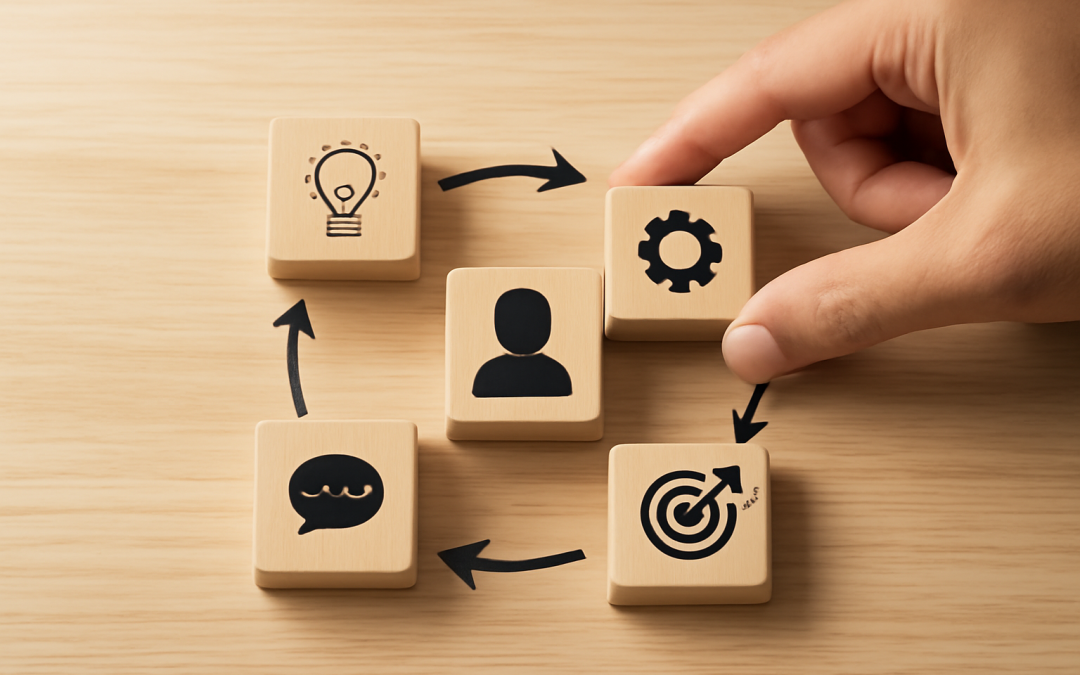
In an increasingly competitive marketplace where customer expectations continue to rise, businesses must find ways to differentiate themselves beyond price and product features. One of the most potent strategies for achieving this differentiation is through a mindset that prioritizes the user’s needs, desires, and experiences at every stage of development and delivery. This perspective fundamentally transforms how companies create, market, and refine their offerings, enabling them to build deeper relationships with their customers and revenue streams that are more sustainable over time.
Understanding customers as active participants rather than passive recipients changes the dynamic of business in profound ways. It shifts focus from internal capabilities and efficiencies to external value and satisfaction. This approach involves meticulously researching who the users are, what challenges they face, and how they seek solutions. By basing decisions on real feedback, patterns, and behavioral insights, companies can tailor their products and services to resonate authentically with their audience. This not only improves user satisfaction but also reduces costly missteps that arise from assumptions or disconnected innovation.
Integral to this way of thinking is empathy—the ability to step into the user’s shoes and experience the world from their perspective. Empathy encourages professionals to ask better questions and listen actively to responses rather than simply pushing agendas or predefined concepts. It requires dedication to understanding diverse user contexts, motivations, and barriers, promoting inclusivity and accessibility. When organizations embed empathy into their processes, the outcome is often a more intuitive and meaningful user journey that feels personalized, even at scale.
One of the cornerstones of this approach is iterative design, which champions continuous testing and learning. Instead of waiting until a product is “perfect” before launch, teams release early versions and gather user reactions to inform subsequent improvements. This cycle of build, measure, and learn fosters agility and innovation, allowing companies to remain responsive to evolving demands. It also engages customers as co-creators, who contribute valuable insights while feeling more invested in the final product. By valuing their input, businesses not only enhance user experience but also cultivate trust and loyalty.
Successful user-focused organizations also recognize the power of seamless cross-functional collaboration, integrating diverse expertise within their teams to holistically address user needs. Rather than working in silos, designers, engineers, marketers, and customer support collaborate closely, sharing insights and aligning goals every step of the way. This unity ensures that the promise made in marketing is delivered by product design, supported by responsive customer service, creating a coherent and reliable user experience. The result is a harmony that nurtures brand integrity and boosts overall satisfaction.
Incorporating user-centered thinking extends beyond the design process and touches virtually every aspect of business strategy. From initial concept development through to post-sale support, each phase benefits from a customer-focused lens. For instance, supply chain decisions might be influenced by delivery preferences, or pricing strategies adjusted to perceived value rather than cost-plus calculations. Marketing messages are crafted to communicate genuine benefits tailored to various user segments rather than generic sales pitches. This holistic approach enables businesses to be more adaptable and aligned with market realities.
A key benefit of this mindset is its profound impact on customer retention and advocacy. When users feel understood and that their input shapes the products they use, they develop emotional connections with the brand. These connections often translate into repeat purchases, premium pricing tolerance, and word-of-mouth referrals, all of which are more cost-effective than constant acquisition efforts. Moreover, satisfied customers who perceive high value are more forgiving of occasional missteps, seeing issues as exceptions rather than systemic failures, which helps companies sustain reputation and revenue through challenges.
Data plays an indispensable role in advancing user-centered thinking in today’s digital landscape. Analytics provide detailed insights into user behavior, preferences, and pain points that complement qualitative research. By harnessing this data, organizations can anticipate trends, personalize experiences, and identify friction points that might otherwise go unnoticed. However, it is crucial to balance quantitative data with qualitative understanding. Numbers reveal what is happening, but real empathy uncovers why, deepening the contextual knowledge essential for meaningful innovation and user delight.
The adoption of this mindset often requires cultural shifts within an organization, demanding leadership that champions user needs as a central priority. To be truly user-centered, companies must move away from purely top-down directives and empower teams at all levels to advocate for the customer. Training in human-centered design methods, encouraging open feedback loops, and celebrating successes rooted in user outcomes contribute to embedding this culture. Leaders must model this philosophy by prioritizing user insights in strategy discussions and recognizing the long-term value of customer-centric investments.
In addition to traditional industries, user-centered thinking is increasingly crucial in emerging fields like technology, healthcare, and education. For example, in software development, user experience can make or break adoption rates, as complex systems often intimidate or alienate users if not designed with empathy. Similarly, in healthcare, patient-centered design improves treatment compliance, satisfaction, and ultimately, outcomes by considering emotional, cognitive, and physical needs. Education technologies that incorporate user feedback create more engaging and accessible platforms that enhance learning opportunities for diverse populations.
Despite its clear advantages, adopting a user-centered mindset can be challenging, particularly in established organizations with ingrained processes or product-driven cultures. Resistance may arise from concerns about added complexity, slower timelines, or fear of exposing weaknesses through user feedback. However, such apprehensions overlook the benefits of increased alignment with customer needs, which drive efficiency and competitiveness in the long term. Organizations that navigate these challenges through leadership commitment and incremental changes often find that user-centered thinking becomes a source of innovation, resilience, and sustainable growth.
Practical implementation of user-centered thinking varies widely depending on the context but often includes techniques such as user personas, journey mapping, usability testing, and customer interviews. Each method offers unique insights that help clarify who users are and what they require. These strategies, when combined thoughtfully, build a comprehensive picture that guides decision-making throughout product development and service delivery. Equally important is the ongoing commitment to revisit and update these insights as markets and user behaviors evolve, ensuring relevance and responsiveness rather than static solutions.
Ultimately, enterprises that embrace user-centered thinking develop beyond transactional relationships into partnerships with their customers. These partnerships create a feedback-rich environment that encourages creativity and responsiveness, yielding products and services that truly solve problems and add value. As the pace of change accelerates and consumer empowerment rises, companies that neglect this approach risk irrelevance. Conversely, those that place users at the heart of their business create competitive advantages that are difficult to replicate and foster enduring loyalty.
In conclusion, today’s market demands more than just functional products; it requires experiences that resonate emotionally and cognitively with users. Placing their needs and perspectives at the center of business decisions leads to enhanced innovation, stronger customer connections, and sustainable success. By cultivating empathy, fostering collaboration, leveraging data, and committing to continuous learning from users, organizations can create offerings that go beyond satisfying needs to delighting the people they serve. This paradigm not only benefits users but transforms companies into dynamic, agile entities poised to thrive in an ever-evolving world.