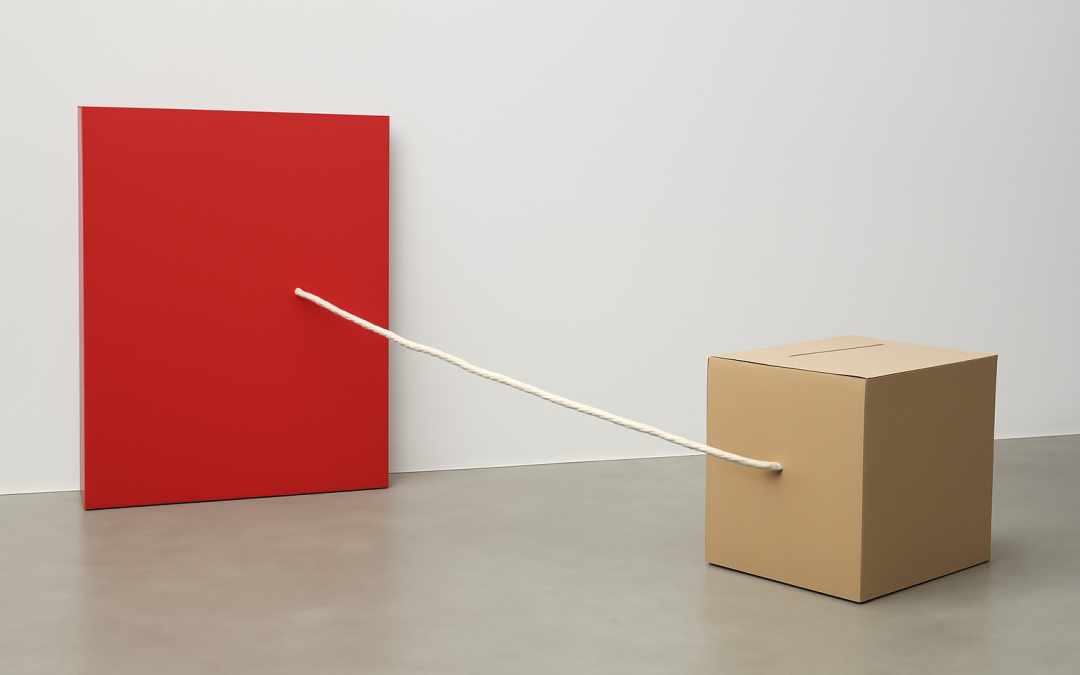
Conceptual art is often perceived as an obscure and difficult-to-understand movement, cloaked in complex language and ideas that can alienate many viewers. Yet, at its core, it is a form of creative expression that centers on ideas rather than traditional aesthetic or technical skills. The essence lies not in the finished object itself but in the concept that drives it. This approach shifts the focus from what is visually present to what it means, inviting viewers to engage intellectually and emotionally with the work on a different level. By stripping away unnecessary jargon, it becomes clear that conceptual art is simply about using creativity to explore and communicate ideas in novel ways.
Traditional artwork typically prioritizes visual beauty or craftsmanship, but conceptual art challenges and redefines these notions. Instead of producing an image or sculpture meant solely for admiration, artists use various media including text, performance, and installation to explore thoughts, questions, or social issues. This movement emerged in the 1960s as artists began to push against the limitations of painting and sculpture, seeking new avenues for expression. They wanted to emphasize that art could be more than just something pleasing to the eye; art could be a way to provoke thought, challenge norms, or highlight overlooked realities.
One of the central ideas in conceptual art is that the idea behind the artwork holds more significance than the physical object itself. This principle means that the tangible piece is often secondary or even unnecessary, as the key lies in understanding the thought process or the message being conveyed. This can be confusing for those accustomed to traditional art forms, where the value is often linked to skill or aesthetics. However, conceptual artists invite viewers to consider the “why” rather than just the “what”—asking them to reflect on the meaning, context, or implications of the work.
Artists working within the conceptual art framework frequently use language itself as a tool. Text might be used to pose a question, state a concept, or describe an idea. This can transform a gallery space into a kind of dialogue between the artist and audience, where the words or instructions become art in itself. Sometimes, conceptual pieces include instructions for viewers or performers, turning the experience into an interactive event. This blurs the boundaries between artist, artwork, and audience, making the creative process communal and dynamic rather than static.
One famous example of this approach is the work of Sol LeWitt, whose drawings often consisted of simple instructions that anyone could follow to recreate the piece. This method emphasized the idea over the execution and questioned traditional notions of authorship and originality. His work demonstrated that art could exist purely as a set of ideas communicated through language and action. By focusing on instructions, LeWitt shifted the artistic value from the physical mark on paper to the concept that generated those marks.
Another important aspect of conceptual art is its tendency to engage with social, political, or philosophical themes in a direct way. Unlike art meant simply to decorate or entertain, conceptual works often confront viewers with challenging questions or uncomfortable truths. By using everyday objects or recognizable symbols, artists draw attention to cultural assumptions or systemic issues, encouraging viewers to reconsider their perspectives. This facet of conceptual art makes it a powerful tool for critique and change, extending its reach beyond galleries into broader conversations.
The materials used in conceptual art are as varied as the ideas they represent and often include nontraditional objects or media. Artists may work with photographs, found objects, video recordings, or even spaces and sounds. The choice of material is dictated not by artistic convention but by what best suits the idea being explored. This flexibility allows conceptual art to adapt and evolve, remaining relevant across different contexts and times. It also democratizes art by demonstrating that creativity and meaning do not rely on expensive materials or classical training.
Conceptual art’s emphasis on interpretation means that the experience of the viewer is fundamental to the artwork’s existence. Meaning is not fixed or dictated wholly by the artist but is open to individual understanding and response. This participatory element can be liberating but also daunting, as it demands an active engagement rather than passive consumption. The viewer’s personal insights, background, and imagination become part of the work’s life. This dynamic relationship fosters a deeper connection where art serves as a catalyst for thought and conversation rather than simply an object to be admired.
Despite its intellectual nature, conceptual art does not have to be inaccessible or pretentious. At its best, it communicates complex ideas in straightforward ways by focusing on clarity of message rather than artistic mystique. The use of simple language and everyday imagery can make profound statements without alienating audiences. This approach invites curiosity and encourages exploration, allowing people from all knowledge levels to engage with important concepts. By removing jargon, conceptual art becomes a universal language that speaks to shared human experiences.
Critics who dismiss conceptual art often do so because they expect art to follow traditional rules about beauty or technique. Conceptual art disrupts these expectations and invites viewers to redefine what art can be. In challenging established conventions, it expands the possibilities for creative expression and opens doors to innovative thinking. Instead of rejecting the movement outright, it helps to embrace its principles as a call to look beyond appearances and appreciate art as a way of thinking and questioning.
Conceptual art also intersects with philosophy and language in interesting ways, drawing on ideas from thinkers like Ludwig Wittgenstein, who explored how words relate to meaning. This philosophical dimension can enrich the understanding of conceptual works without making them overly complex. Both art and philosophy invite people to grapple with abstract ideas, and conceptual artists use this synergy to foster dialogue about existence, identity, perception, and communication. Again, clear explanations and approachable concepts ensure that these explorations remain accessible rather than obscure.
In contemporary art, the influence of conceptual art remains strong, with many artists continuing to prioritize ideas and messages over form. Technologies like digital media, social platforms, and interactive installations offer new tools to communicate concepts in diverse and innovative ways. This ongoing evolution shows that conceptual art is not a closed chapter but a living practice that adapts to changing cultural and technological landscapes. It remains a vibrant field for expressing values, questioning realities, and imagining alternatives.
Understanding conceptual art without jargon opens up a rich and rewarding world where creativity meets critical thought. It invites everyone to participate in the creative conversation, emphasizing that art is not just for specialists or collectors but for all who are curious and willing to engage. By focusing on ideas rather than appearances, it allows art to speak directly to our minds and hearts, making us reflect on the world and our place within it. When approached with openness, conceptual art becomes not a puzzle to be solved but a doorway to new perspectives.
Ultimately, conceptual art challenges us to think deeply about what art is and what it can do. It reminds us that art is not confined to galleries or masterpieces but lives in ideas, dialogues, and experiences. This realization can enrich our appreciation of creativity in daily life and encourage us to find inspiration in unexpected places. By removing jargon and embracing simplicity, conceptual art becomes a powerful tool for connection, understanding, and transformation, inviting everyone to become part of its ongoing story.