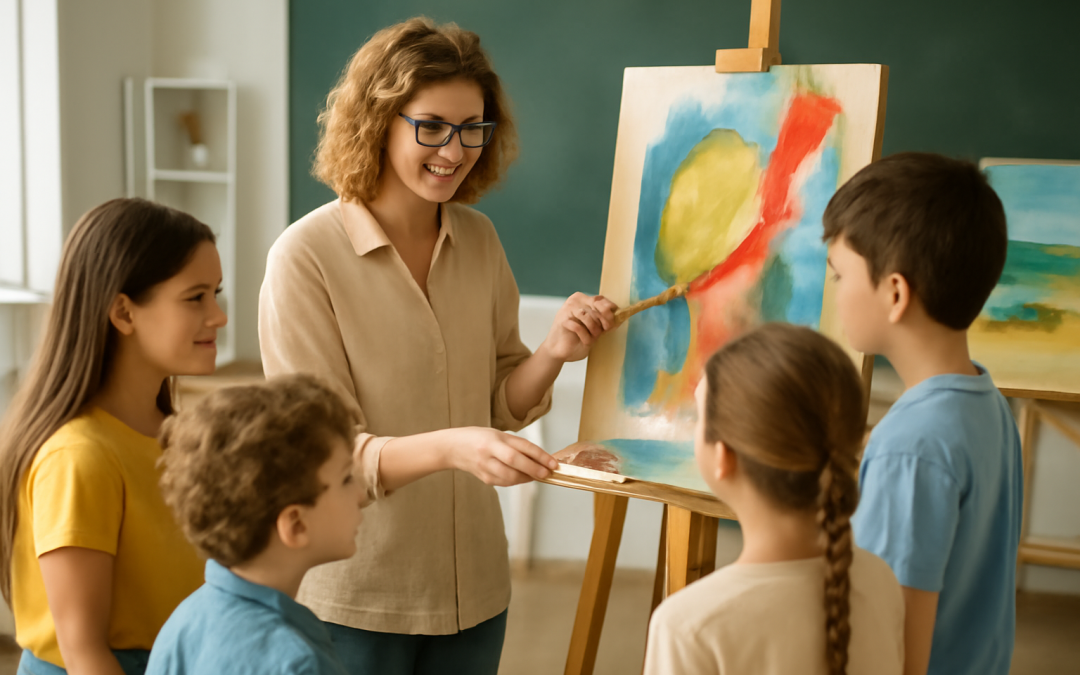
Teaching art effectively involves more than just imparting technical skills; it requires nurturing creativity, fostering critical thinking, and encouraging personal expression. The process is both an art and a science, demanding a balance between structured lessons and open-ended exploration. Educators must recognize that art is not simply about producing aesthetically pleasing work but about helping students develop a deeper understanding of culture, history, and their own emotions. To achieve this, teachers need strategies that inspire engagement, promote individual growth, and accommodate diverse learning styles.
One of the most important aspects of teaching art effectively is creating a supportive and inclusive environment where students feel safe to experiment and make mistakes. Art, by its nature, involves risk-taking, and students often hesitate to fully express themselves for fear of judgment or failure. By establishing a classroom culture that values process over perfection, teachers can encourage students to embrace challenges and view errors as opportunities for learning. This mindset not only boosts confidence but also cultivates resilience, which is essential for artistic development.
Incorporating a variety of teaching methods helps address the different ways students absorb and apply information. Visual learners may benefit from demonstrations and visual examples, while kinesthetic learners often respond better to hands-on activities and movement. Effective art instruction blends direct teaching, group collaboration, individual projects, and reflective discussions to engage learners on multiple levels. By doing so, educators can reach students with varied strengths and learning preferences, ensuring that each one has the opportunity to succeed.
A comprehensive art education also extends beyond technique to include the study of art history and theory. Understanding the context in which artworks were created enriches students’ appreciation and informs their own creative decisions. When students analyze the intentions and methods of past masters alongside contemporary artists, they gain insight into evolving artistic movements and cultural influences. This knowledge not only broadens their perspective but also encourages critical thinking and the ability to articulate their ideas clearly.
Encouraging experimentation with different media and styles is another key component of teaching art effectively. Exposure to a broad range of materials, including painting, sculpture, digital art, printmaking, and photography, allows students to discover their preferences and strengths. Exploration leads to innovation, as students combine techniques and ideas in unexpected ways. Providing opportunities for cross-disciplinary projects can inspire creativity and highlight the interconnectedness of various art forms.
Assessment in art education should be thoughtful and multifaceted to support student growth. Traditional grading methods often fail to capture the complexity of artistic development, which includes creativity, effort, problem-solving, and personal expression. Alternative approaches such as portfolio reviews, self-assessment, and peer critique promote reflection and meaningful feedback. These methods empower students to take ownership of their learning and recognize their progression over time.
Technology plays an increasingly prominent role in both the creation and teaching of art, presenting new possibilities for engagement and learning. Digital tools can enhance traditional techniques, simulate different media, and provide platforms for sharing and collaboration. When integrating technology into the classroom, teachers should balance digital experiences with hands-on work to preserve tactile skills and sensory engagement. Furthermore, technology can enable access to a wider range of resources, such as virtual museum tours and online tutorials, enriching the educational experience.
Cultural sensitivity and inclusivity are paramount when educating diverse groups of students. Art reflects the values, experiences, and identities of different communities, and teaching should honor this diversity. Incorporating artworks and artists from various cultural backgrounds creates a more equitable curriculum and fosters empathy and understanding among students. Discussions on representation, appropriation, and artistic voice can prompt thoughtful dialogues about societal issues and encourage responsible creativity.
Helping students develop a personal artistic voice is often the ultimate goal of art education. As students gain technical competence and contextual knowledge, they should be encouraged to express their unique perspectives and narratives. This process involves introspection and experimentation, supported by a teacher’s guidance and encouragement. When students feel that their work has meaning and relevance, they are more motivated and invested in their art.
Time management and organization are practical considerations that impact teaching art effectively. Art projects can be time-consuming and require access to specific materials and space. Structuring lessons with clear objectives and flexible schedules allows for deeper engagement without causing frustration or burnout. Planning adequately for clean-up, demonstrations, and critique sessions is also essential to maintain an efficient workflow and a positive classroom atmosphere.
Professional development plays a significant role in ensuring art teachers remain effective educators. The field of art is continually evolving, with new techniques, technologies, and pedagogical theories emerging regularly. Teachers who engage in ongoing training, attend workshops, and participate in artistic communities are better equipped to inspire their students and adapt to changing educational demands. Furthermore, reflecting on one’s teaching practices promotes growth and innovation in the classroom.
Collaboration among students enhances the learning process and mirrors the real-world nature of many artistic endeavors. Group projects teach communication, compromise, and collective problem-solving, enabling students to benefit from diverse ideas and skills. Collaborative experiences can also increase motivation and provide peer support, making the creative process more enjoyable and dynamic. Balancing group work with individual assignments ensures that personal development remains at the heart of art education.
Finally, connecting classroom work to the broader community enriches the educational experience and demonstrates the relevance of art beyond the school setting. Exhibitions, public art projects, and partnerships with local artists or cultural organizations enable students to share their work and receive broader validation. These opportunities help students understand the social and cultural impact of art and can inspire them to pursue artistic careers or lifelong creative practices.
In conclusion, teaching art effectively requires a holistic approach that embraces technique, creativity, cultural awareness, and personal growth. It demands an understanding of diverse learning styles, the integration of traditional and contemporary practices, and the cultivation of a supportive classroom environment. When educators meld these elements skillfully, they empower students to become confident, thoughtful, and innovative artists who appreciate the profound role art plays in human experience. This depth of instruction not only benefits individual learners but also enriches society as a whole by nurturing creative minds capable of meaningful expression and change.