Windows play a crucial role in regulating the temperature and comfort of a home, making them a significant factor in overall energy consumption. Proper care and maintenance of windows can greatly enhance a building’s energy efficiency, reduce heating and cooling costs, and improve indoor comfort. Whether your home features single-pane older windows or modern, energy-efficient double- or triple-pane installations, routine attention to their condition and functionality is essential to maximize their potential.
Regularly inspecting windows for damage or wear is the first step in maintaining energy efficiency. Look for cracks in the glass, gaps or breaks in the frame, and worn weatherstripping, all of which can allow drafts and air leakage. Even small gaps can contribute to significant heat loss during winter or unwanted heat gain during summer, resulting in higher energy bills. Identifying these issues early means you can take corrective action before the inefficiencies worsen or cause structural problems such as water damage.
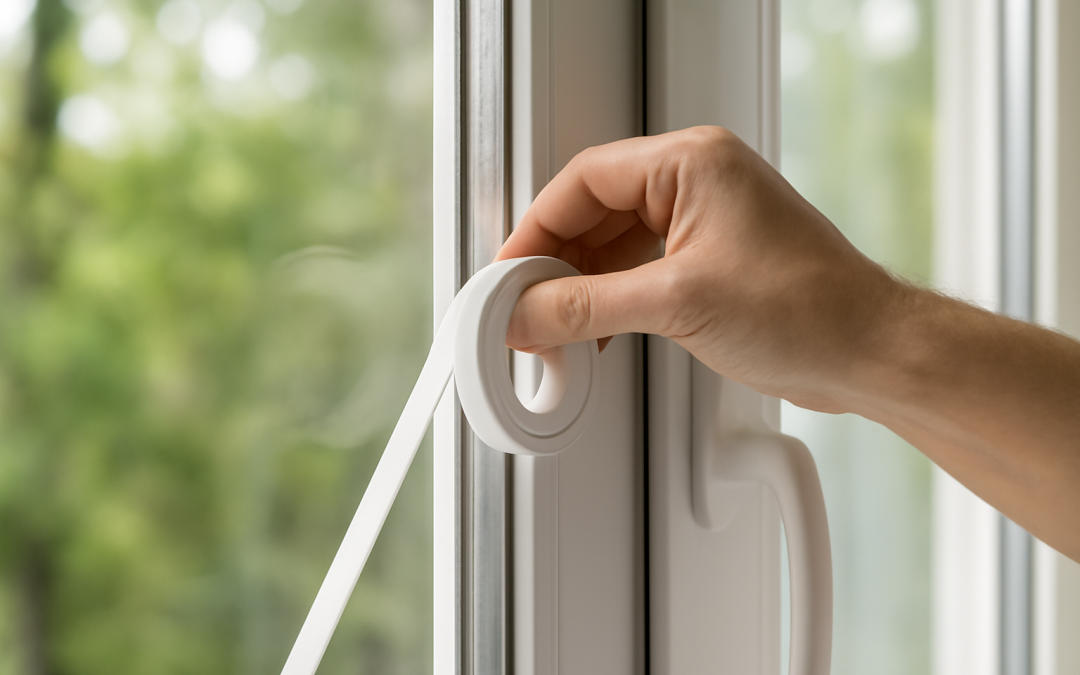
The tightness of window seals plays a pivotal role in preventing air leaks. Over time, the caulking and weatherstripping around windows can become brittle, crack, or peel away. Reapplying fresh, high-quality weatherstripping is a cost-effective way to create an airtight barrier that reduces infiltration of cold air during winter and keeps cool air in during summer months. Different types of weatherstripping, such as foam tape, V-strip, or adhesive-backed rubber, are available and can be chosen based on the specific window type and local climate conditions.
Cleaning window panes and frames should not be overlooked from an energy efficiency perspective. Dirt and debris buildup on glass can reduce natural light transmission, causing the interior to rely more on artificial lighting and increasing energy consumption. Additionally, regular cleaning allows for closer inspection of seals and frames, helping uncover areas that may need repair. Use non-abrasive cleaning products and soft cloths to safeguard the integrity of the frames, especially if they are made of wood or have historic detailing.
Energy-efficient window maintenance also includes monitoring and upgrading window treatments like blinds, shades, and curtains. Thick, lined curtains and cellular shades can provide additional insulation by trapping air close to the glass surface, reducing heat exchange through windows. In cold seasons, opening treatments on sunny days can harness passive solar heating, while closing them in the evening keeps warmth inside. Conversely, reflective blinds or shades used in summer can divert heat and reduce cooling loads, contributing to a consistently comfortable indoor climate.
For older windows or those that still show signs of poor insulation, consider the option of storm windows. These secondary windows add an extra layer of glass or acrylic, improving insulation and soundproofing without needing to replace the entire window. Properly installed storm windows with tight seals can significantly decrease air leakage and reduce condensation on interior surfaces. In some cases, they also protect the primary window from weather damage, extending its lifespan.
Checking the operation of locks, hinges, and hardware forms another vital part of window maintenance. Properly functioning hardware ensures windows close tightly, which is essential to maintaining an effective thermal barrier. Lubricating hinges and tightening screws periodically keeps windows easy to open and close, reducing the chances of damage from forced operation. If locks become worn or ineffective, replacing them not only improves security but also helps maintain a proper seal against drafts.
For properties located in regions subjected to extreme weather conditions, evaluating the durability of window frames is critical. Wood frames, while aesthetically appealing and good insulators, require regular painting or sealing to prevent rot, warping, or insect damage that can compromise their insulation abilities. Vinyl and aluminum frames generally demand less upkeep but can still develop gaps or cracks around joints or fasteners, so inspecting and sealing these areas helps maintain efficiency.
Window glazing can also be optimized through coating and film applications. Low-emissivity (Low-E) coatings reduce the amount of infrared and ultraviolet light passing through glass without sacrificing natural light, contributing to lower energy costs by reflecting heat back inside during winter and keeping it out during summer. Retrofitting existing windows with energy-efficient films is a budget-friendly alternative to complete window replacement and can significantly reduce heat transfer.
Condensation buildup on windows is another common issue that affects energy performance and indoor comfort. Excess moisture can lead to mold growth, wood rot, and damage to window components, further reducing insulation efficiency. Ensuring that window seals are intact and that the home’s ventilation systems work properly helps minimize condensation. Using dehumidifiers in damp seasons or areas can also assist in controlling indoor humidity levels, preserving the integrity of windows and the surrounding structures.
Another often overlooked factor is the shading and orientation around windows. Maintaining trees and shrubs that provide seasonal shade can reduce direct solar gain in the summer while allowing sunlight to warm the home in winter when leaves fall. Conversely, ensuring that no structures or debris block windows unnecessarily improves daylight penetration and heating potential. Thoughtful landscaping and maintenance of surrounding elements complement the efforts of window upkeep to enhance overall energy efficiency.
Window replacement may occasionally be necessary when maintenance no longer suffices to ensure energy efficiency. When selecting replacement windows, prioritize products with high energy performance ratings, such as those endorsed by ENERGY STAR. Features to look for include multiple glazing layers, inert gas fills such as argon or krypton between panes, tight seals, and thermally broken frames. While the upfront investment can be considerable, the long-term savings on heating and cooling bills, coupled with increased home comfort and improved resale value, often justify the expense.
To extend the lifespan and efficiency of new or existing windows, regular professional inspections are advisable. Window specialists can identify subtle problems that may be missed during routine homeowner checks, such as hidden cracks or compromised seals. Maintenance contracts or seasonal tune-ups can help homeowners stay ahead of costly repairs and ensure that windows continue to perform at their best throughout changing weather patterns.
In addition to physical maintenance, understanding how to use windows strategically contributes to energy efficiency. For example, opening windows during cooler evenings or mornings allows for natural ventilation, reducing the need for mechanical cooling during certain periods. Conversely, windows should remain closed during peak heat or cold times to maintain temperature control. Employing window sensors or smart home technologies to automate these actions can optimize comfort while minimizing energy waste.
The cumulative impact of diligent window maintenance and mindful usage is substantial. Energy-efficient windows not only reduce utility expenses but also contribute to a greener lifestyle by lowering the carbon footprint of your household. By prioritizing window upkeep—from sealing and cleaning to hardware maintenance and seasonal adjustments—homeowners can realize meaningful energy savings while enhancing the durability and aesthetic appeal of their properties.
In conclusion, investing effort into the regular maintenance of windows is a practical and effective way to improve home energy efficiency. Simple actions such as sealing gaps, cleaning, ensuring proper operation, and upgrading components can prevent heat loss and gain, resulting in a more comfortable living environment and reduced energy costs. As windows serve as a critical interface between the indoor and outdoor environment, taking proper care of them is key to achieving a sustainable and efficient household. Prioritize these maintenance tasks to enjoy reliable performance and a well-protected home throughout the year.