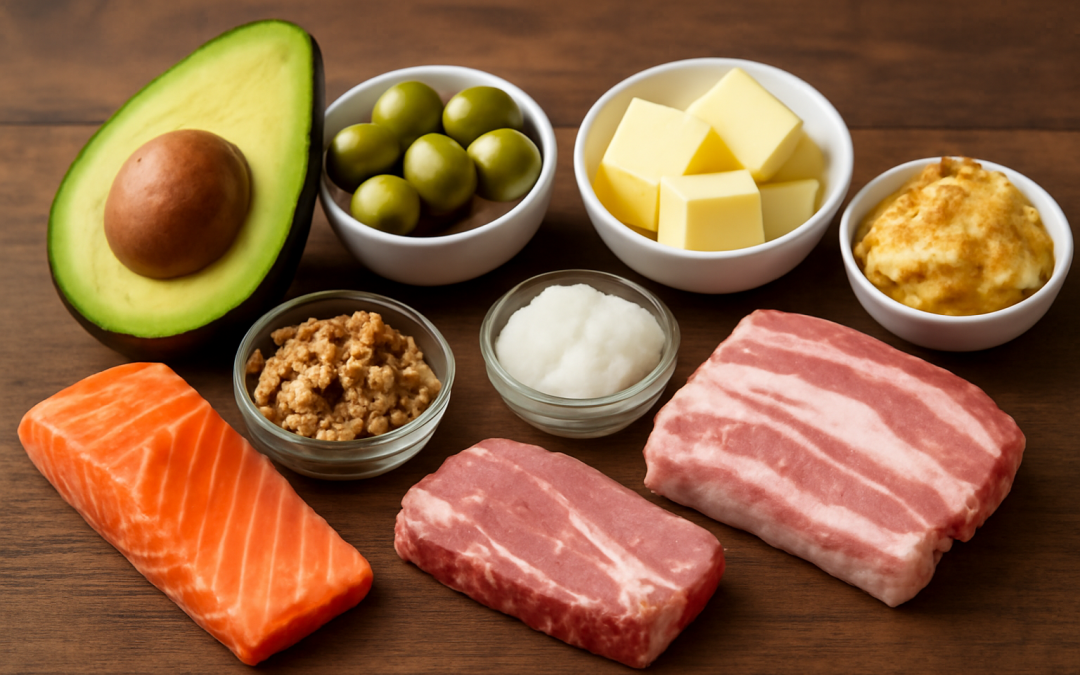
Fats have long been a controversial topic in nutritional discourse, often portrayed as the enemy of a healthy diet. However, this perception is an oversimplification that overlooks the intricate role fats play in our bodies. Not all fats are created equal; some are essential to maintaining optimal health, while others can contribute to chronic diseases when consumed in excess. Understanding the difference between good and bad fats is crucial for making informed dietary choices that promote wellbeing rather than undermine it.
At its core, fat is a macronutrient, like carbohydrates and proteins, that provides energy and serves several vital functions in the body. Fat supports cell structure, aids in the absorption of fat-soluble vitamins such as A, D, E, and K, and plays a critical role in hormone production. Furthermore, fats contribute to brain health, influence inflammation levels, and impact cardiovascular function. The diverse types of fats can be broadly categorized into unsaturated fats, saturated fats, and trans fats, each affecting health differently.
Unsaturated fats are widely regarded as the “good” fats. These include monounsaturated and polyunsaturated fats, both of which are liquid at room temperature and found predominantly in plant-based oils, nuts, seeds, and fatty fish. Monounsaturated fats, found in olive oil, avocados, and almonds, have been shown to improve cholesterol levels and reduce the risk of heart disease. Polyunsaturated fats, which include omega-3 and omega-6 fatty acids, are essential fats that the body cannot produce independently and must be obtained through diet. Omega-3s, in particular, found in salmon, flaxseeds, and walnuts, have powerful anti-inflammatory properties and are associated with improved brain function, heart health, and reduced risk of chronic disease.
In contrast, saturated fats have traditionally received a bad reputation but require more nuanced understanding. They are solid at room temperature and mainly found in animal products such as butter, cheese, and red meat, as well as some tropical oils like coconut and palm oil. While excessive consumption of saturated fat has been linked to increased LDL cholesterol—often referred to as “bad” cholesterol—and a higher risk of cardiovascular disease, recent research suggests the relationship is more complex. Some saturated fats might have a lesser impact on heart health compared to others, and the overall dietary pattern and lifestyle play crucial roles in determining health outcomes.
Trans fats are unequivocally harmful and appear naturally in small amounts in some animal products but are primarily created industrially through hydrogenation, which solidifies liquid oils. Found in many processed and fried foods, trans fats raise LDL cholesterol, lower HDL cholesterol, increase inflammation, and significantly heighten the risk of heart disease, stroke, and type 2 diabetes. Because of the overwhelming evidence of their dangers, many countries have restricted or banned the use of artificial trans fats in food manufacturing.
The difference between good and bad fats also extends to their effects on inflammation and metabolic processes. Chronic inflammation underlies many modern ailments such as obesity, diabetes, and heart disease. Good fats, especially omega-3 fatty acids, help to reduce this inflammation and support healthy immune function. On the other hand, excess saturated fat and trans fat consumption can promote inflammatory pathways, exacerbating risk factors for metabolic syndrome and other chronic conditions.
In terms of dietary recommendations, emphasis is placed on increasing intake of unsaturated fats while moderating saturated fat consumption and avoiding trans fats altogether. The Mediterranean diet exemplifies this approach by primarily incorporating olive oil, nuts, seeds, whole grains, legumes, and fatty fish, all rich in healthy fats. Research consistently shows that populations adhering to this eating pattern experience lower rates of cardiovascular disease, cognitive decline, and certain cancers.
It’s important to recognize that fat is highly calorie-dense, providing nine calories per gram compared to four calories per gram for proteins and carbohydrates. This means portion control is a key consideration to prevent unwanted weight gain, regardless of fat type. Balancing fat intake with an active lifestyle and overall diet quality ensures the body gains the benefits fats offer without negative consequences.
Processing methods also influence the healthfulness of fats. Cold-pressed and unrefined oils retain more beneficial phytochemicals and antioxidants compared to heavily refined oils, which can lose nutritional value and form harmful oxidation products when exposed to heat and light. Moreover, frying oils repeatedly at high temperatures can degrade fat quality, producing compounds detrimental to health. Choosing minimally processed oils and cooking methods that preserve fat integrity, such as baking or steaming, align better with health-focused eating.
Natural food sources of fat offer additional nutritional advantages. For example, nuts and seeds provide fiber, protein, vitamins, and minerals alongside healthy fats, creating a synergistic effect that supports satiety and blood sugar regulation. Fatty fish deliver high-quality protein and essential omega-3s without added sugars or excessive calories often found in processed snack foods. In contrast, many items high in bad fats are ultra-processed, loaded with added sugars, and devoid of other nutrients, which compounds their negative impact on health.
Individual factors such as genetics, existing medical conditions, and lifestyle also influence how different fats affect a person. Some individuals may be more sensitive to saturated fats and experience marked increases in LDL cholesterol, while others may not see significant changes. Personalized nutrition approaches and professional guidance can help tailor fat consumption to optimize health outcomes effectively.
Recent advances in nutritional science underscore the importance of moving beyond simplistic labels of “good” and “bad” when discussing fats. The context of the diet overall, food quality, portion sizes, and frequency all shape how fats contribute to health. A balanced approach that incorporates a variety of healthy fats while limiting harmful fats enables the body to function optimally and reduces the risk of nutrition-related diseases.
Nutrition education that emphasizes whole foods, cooking practices, and food label literacy empowers individuals to identify healthier fat sources and make informed choices. Reading ingredient lists to avoid partially hydrogenated oils, opting for nuts, seeds, avocados, and fish, and using olive or avocado oil for cooking are practical strategies to improve fat quality in the diet.
Incorporating moderate amounts of good fats into daily meals not only enhances flavor and satisfaction but also supports numerous physiological processes integral to well-being. Healthy fats participate in cell membrane maintenance, hormone synthesis, nerve function, and the absorption of critical micronutrients. Ignoring their importance or eliminating fat indiscriminately can lead to nutrient deficiencies and diminished health.
A comprehensive understanding of fat types and their biological effects is fundamental to navigating the complex world of nutrition effectively. Prioritizing dietary sources rich in unsaturated fats while minimizing intake of saturated and avoiding trans fats contributes to improved cardiovascular health, better weight management, and reduced inflammation. It also fosters long-term resilience against chronic diseases.
Ultimately, paying attention to the difference between good and bad fats transcends simple calorie counting. It involves recognizing fats as dynamic nutrients with profound impacts on health, tasting the richness they bring to meals, and embracing balanced dietary patterns that nourish both body and mind. By making mindful selections and valuing quality over convenience, one can harness the power of fats to cultivate a vibrant, healthy life.