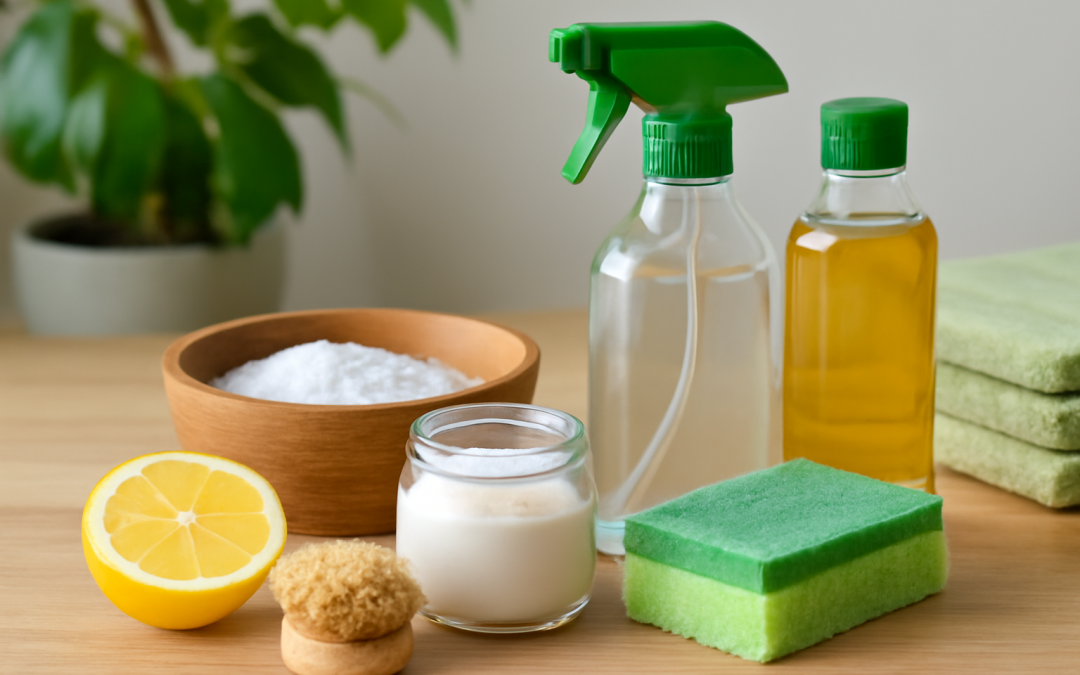
Maintaining a clean home is essential for both health and comfort, yet traditional cleaning methods often involve the use of harsh chemicals that can pose risks to the environment and personal well-being. The growing awareness of eco-friendly practices has led many homeowners to explore green cleaning solutions for home maintenance, which offer effective cleaning without compromising safety or sustainability. These alternatives are gaining popularity because they reduce exposure to toxins, minimize environmental damage, and frequently turn out to be more cost-effective than conventional products.
Green cleaning solutions prioritize natural ingredients that are biodegradable, non-toxic, and safe for the entire family, including pets. Many common household items like vinegar, baking soda, lemon juice, and essential oils can be combined in creative ways to tackle a wide variety of cleaning tasks. Unlike chemical-based cleaners that may release harmful volatile organic compounds (VOCs), these natural alternatives improve indoor air quality and contribute to a healthier living environment. Moreover, by using green cleaning products, individuals contribute less plastic and chemical pollutants to landfills and waterways, fostering a more sustainable lifestyle.
One of the most compelling reasons to adopt green cleaning is the reduction of allergic reactions and respiratory problems. Harsh chemical cleaners often contain fragrances and compounds that irritate sensitive skin, eyes, and lungs. This is particularly problematic for children, the elderly, and those with asthma or allergies. Green cleaning solutions, on the other hand, reduce the risk of such health issues by eliminating synthetic fragrances and irritants. For families wanting to ensure a safer home environment, switching to these eco-friendly options can make a significant difference in overall wellness.
Effectiveness is often a concern when switching from conventional to green cleaning products. However, numerous studies and user experiences prove that these natural alternatives can be just as powerful. For example, vinegar has natural antibacterial properties, making it an excellent choice for disinfecting surfaces. Baking soda’s mild abrasiveness is perfect for scrubbing and deodorizing without scratching. Lemon juice provides natural bleach-like qualities that brighten and remove stains. The combination of these ingredients can be tailored to clean floors, windows, kitchens, bathrooms, and even delicate fabrics efficiently and safely.
In addition to their cleaning capabilities, green cleaning products often contribute to a more pleasant home environment. Strong chemical scents can linger indoors and may trigger headaches or nausea. Using natural essential oils such as lavender, eucalyptus, or tea tree not only aids in disinfection but also leaves behind refreshing, subtle aromas. These scents can promote relaxation and well-being, turning routine cleaning into a more enjoyable task. By incorporating these natural aromas, homeowners can enhance their mood and the atmosphere of their living spaces without exposing themselves to harmful chemicals.
Cost is another practical benefit of green cleaning solutions. Many DIY recipes rely on inexpensive pantry staples, reducing the need to purchase multiple commercial products. For instance, a simple mixture of vinegar and water can serve as a versatile cleaner for glass, countertops, and floors. Baking soda alone is effective in deodorizing carpets, refrigerators, and garbage disposals. Purchasing natural cleaning products in bulk or making your own blends can further reduce expenses over time. This affordability aligns with sustainable living goals, making green cleaning accessible to a wide range of households.
Sustainability in home maintenance goes beyond the ingredients and includes packaging and waste considerations. Many green cleaning brands now offer refills, biodegradable packaging, or concentrate formulas that help reduce plastic waste. Additionally, creating homemade cleaning solutions reduces dependency on single-use plastic bottles and minimizes the carbon footprint associated with manufacturing and transporting commercial products. These small changes, multiplied across millions of homes, contribute significantly to reducing environmental impact and conserving natural resources.
Implementing green cleaning routines also fosters mindfulness and a deeper connection to one’s living space. By choosing to understand and control the ingredients used in cleaning, homeowners take an active role in their health and environment. This awareness can extend to other areas of home maintenance, encouraging more responsible consumption, energy saving, and waste reduction practices. Developing eco-conscious habits within the household can influence children and guests to adopt similar values, creating a ripple effect that benefits the wider community.
Practical guidance for incorporating green cleaning solutions involves identifying the specific needs of each area in the home. For bathrooms, where mold and mildew are common concerns, vinegar can be used effectively to inhibit fungal growth without harsh chemical residues. Kitchen surfaces beset by grease respond well to mixtures of water, lemon juice, and baking soda, which cut through grime naturally. Hardwood or laminate floors can be cleaned with diluted castile soap or essential oil blends that avoid residue buildup. Adapting cleaning techniques to match surface materials and contamination types ensures optimal results while protecting home interiors.
Allergy sufferers often find relief when switching to green cleaning, as many traditional products contain allergens or irritants. Some commercial cleaners have synthetic dyes and fragrances known to trigger symptoms. By eliminating these elements and replacing them with hypoallergenic natural alternatives, the home environment becomes more hospitable for sensitive individuals. Furthermore, green cleaning products tend to have fewer preservatives and chemicals that can react with other household substances, reducing the risk of toxic fumes or accidental contamination.
Beyond the household, embracing green cleaning is a responsible step toward environmental stewardship. Chemical residues from conventional cleaners can enter waterways during rinsing, harming aquatic life and disrupting ecosystems. Many of these substances take long periods to break down, persisting in soil and water supplies. Transitioning to green cleaning products, which degrade naturally and contain less harmful compounds, helps safeguard local water quality and wildlife habitats. These benefits affirm that home maintenance can be aligned with broader environmental goals without sacrificing cleanliness.
Several misconceptions persist regarding the convenience and availability of green cleaning options. However, the market has since evolved dramatically, with an increasing number of retailers offering certified eco-friendly brands. Many stores carry biodegradable, non-toxic, and cruelty-free cleaning products, making green solutions easier to find than ever before. Moreover, thanks to straightforward recipes and accessible ingredients, anyone can create effective cleaning agents at home. This democratization of green cleaning ensures that environmental responsibility is not limited to niche audiences but can become mainstream practice.
Another important consideration is the safety of pets, who are often vulnerable to the chemicals in standard cleaning products. Animals frequently come into contact with floors, countertops, and waste areas where residue may linger. Ingesting or inhaling toxic substances can lead to serious health issues for cats, dogs, and other companions. Green cleaning solutions, which contain natural and non-toxic ingredients, minimize these risks and contribute to safer living spaces. Pet owners can maintain hygiene without worrying about unintended harm, aligning their cleaning choices with the well-being of families.
Green cleaning also supports the growing trend of minimalism and decluttering in home maintenance. Relying on multi-purpose, simple ingredients reduces the need for an extensive cabinet full of cleaning products, which often leads to waste through expiration or underuse. A streamlined collection of green cleaners can fulfill most household needs effectively, encouraging tidier storage and easier access. This minimalist approach fosters an organized environment and complements sustainable living philosophies by reducing overconsumption.
Transitioning to green cleaning solutions often involves a period of adjustment as homeowners familiarize themselves with alternative methods and results. It may take some experimentation to identify the most effective blends and techniques for individual preferences and household conditions. Patience and consistency are key, as natural solutions may behave differently from chemical cleaners in terms of drying times or required application methods. However, the long-term rewards in health, environmental impact, and cost savings make this transition worthwhile and sustainable for many families.
Educating oneself about green cleaning ingredients is vital to maximizing their benefits. Understanding the chemical properties and uses of substances like citric acid in lemon juice or the antimicrobial actions of vinegar leads to better application strategies. Homeowners can avoid common mistakes such as mixing incompatible ingredients or using too strong a concentration. Reliable sources and community knowledge-sharing play a crucial role in spreading effective green cleaning techniques, empowering individuals to maintain their homes safely and sustainably.
Finally, green cleaning solutions contribute not only to a cleaner home but also to a broader cultural shift toward environmental mindfulness. Increased demand for sustainable products influences manufacturers to innovate and adopt greener practices. As more consumers choose eco-friendly options, markets respond by increasing availability and reducing costs, creating a positive feedback loop that supports long-term environmental goals. By integrating green cleaning into daily routines, individuals participate actively in promoting sustainability and inspiring others to make responsible choices.
In conclusion, adopting green cleaning solutions for home maintenance represents a holistic approach to living in harmony with health, safety, and the environment. These methods offer effective cleaning power while reducing exposure to harmful chemicals, supporting the well-being of all household members, including pets. They also ease financial burdens through low-cost ingredients and minimize environmental harm by limiting waste and pollution. Beyond practical benefits, green cleaning fosters conscious living and a deeper appreciation for sustainable practices. By embracing these alternatives, homeowners take a meaningful step towards creating healthier, safer, and more eco-friendly homes.