
by admin | Jul 31, 2026 | Reviews
In a cinematic landscape often dominated by predictable romantic dramas and formulaic coming-of-age stories, *The Fault in Our Stars* emerges as a poignant exploration of love and mortality, touching on themes that resonate deeply with audiences of all ages. Adapted from John Green’s widely acclaimed novel, the film delves into the lives of two teenagers who grapple not only with the complexities of first love but also the harsh realities of terminal illness. This poignant narrative invites viewers into a tender world where vulnerability and hope coexist, shedding light on the fragility of human existence while celebrating the power of emotional connection.
At the heart of the story are Hazel Grace Lancaster and Augustus Waters, played with earnestness and depth by Shailene Woodley and Ansel Elgort. Hazel, a sixteen-year-old battling thyroid cancer that has spread to her lungs, is cautious about forming attachments because of her declining health and the inevitability of loss. Augustus, a former basketball player who is in remission from osteosarcoma, approaches life with optimism and a philosophical bent that both challenges and inspires Hazel. Their chance meeting at a cancer support group sparks a relationship grounded not just in physical attraction but in a shared understanding of pain, hope, and the desire to leave a meaningful mark on the world.
The development of Hazel and Augustus’s relationship is where the story finds its emotional core. The film carefully avoids the pitfalls of melodrama by grounding their romance in honesty and complexity. Their conversations often circle around existential questions but never lose sight of the tender, everyday moments that define young love. The narrative’s delicate balance between humor and heartbreak is skillfully maintained through sharp dialogue and sincere performances that invite empathy without slipping into sentimentality. This dynamic makes their interactions feel authentic, encouraging viewers to reflect on the nature of intimacy against the backdrop of vulnerability.
One of the film’s most striking accomplishments is its treatment of mortality, which remains ever-present but is never exploited for cheap emotional effect. Through Hazel and Augustus’s perspectives, viewers witness what it means to live fully while knowing that time is limited. The characters are not defined solely by their illnesses, allowing their personalities, aspirations, and quirks to shine through. This nuanced portrayal challenges societal tendencies to reduce people with terminal conditions to their medical diagnoses. Instead, the film honors their humanity, illustrating how love and friendship can provide moments of transcendence amid suffering.
A particularly memorable aspect of the story is the trip Hazel and Augustus take to Amsterdam to meet Peter Van Houten, the enigmatic author of Hazel’s favorite novel. This journey represents more than a change of scenery; it symbolizes the search for answers and meaning in the face of uncertainty. The encounter with Van Houten is both disappointing and revealing, underscoring the theme that real-world heroes and mentors are imperfect, much like the characters themselves. This sequence adds depth to the narrative by exposing the messiness inherent in grief and disappointment, making the characters’ resilience all the more inspiring.
Visually, the film employs a soft, understated aesthetic that complements the story’s tone. The use of natural lighting and muted colors enhances the feeling of intimacy and realism, drawing audiences closer to the characters’ internal experiences. Director Josh Boone’s restrained approach avoids sensationalism, opting instead for moments that feel genuine and emotionally resonant. This restraint extends to the film’s pacing, which allows time for reflection and the gradual deepening of relationships, rather than rushing toward a cathartic conclusion. The care taken in each framing decision helps create an immersive experience where the weight of the characters’ journeys is palpable.
The soundtrack also plays a crucial role in enriching the emotional texture of the narrative. Featuring a mix of indie rock and tender ballads, the music mirrors the film’s balance of youthful energy and somber introspection. Songs like Explosions in the Sky’s “Your Hand in Mine” provide a sonic backdrop that elevates the most significant moments without overwhelming them. This thoughtful integration of music contributes to a cohesive atmosphere that aligns with the story’s exploration of hope amidst sorrow.
Beyond its artistic merits, the film serves as an important cultural touchstone for discussions about illness, loss, and young love. Its emphasis on the lived experience of young cancer patients brings visibility to a demographic that is often marginalized or sanitized in media portrayals. By depicting characters who are intellectually curious, emotionally complex, and deeply human, the story challenges stereotypes about illness and youth. It encourages empathy not just from those who have faced similar struggles, but also from wider audiences who may gain a better understanding of what it means to navigate life with uncertainty.
The performances throughout are uniformly compelling, but the chemistry between Woodley and Elgort stands out as the film’s emotional backbone. Woodley brings a quiet strength to Hazel, portraying her as both guarded and fiercely intelligent. Her expressive eyes and subtle nuances convey the internal conflicts of a teenager who longs for normalcy while wrestling with her mortality. Elgort’s Augustus is charismatic and earnest, imbuing his character with a sense of wonder even as he confronts his own fears. Their ability to embody the complexity of young love—hopeful yet tinged with an awareness of loss—anchors the film and makes their journey profoundly affecting.
While the film succeeds in many areas, it is not without its critiques. Some viewers might find certain plot points predictable, especially those familiar with typical romantic drama conventions. Additionally, the portrayal of adult characters occasionally veers into cliché, with the support group leaders and family members serving more as narrative devices than fully fleshed-out individuals. However, these minor shortcomings do little to diminish the overall impact of the story or the authenticity of the central relationship. The narrative’s honesty and emotional depth ultimately carry the film, inviting audiences to sit with difficult emotions in a meaningful way.
Subtly woven throughout the film is a meditation on the human desire to be remembered. Both Hazel and Augustus are acutely aware that their lives, though brief, have significance beyond their physical existence. Augustus’s grand romantic gestures and Hazel’s reflections on her favorite book underscore the universal wish to leave behind a legacy of love and meaning. The film asks viewers to consider how relationships, memories, and stories outlast the inevitable finality of death. In this way, it affirms a hopeful perspective that life’s impermanence does not diminish its value, but rather heightens the preciousness of every moment shared.
Another layer of the film’s emotional resonance lies in its exploration of gratitude. Hazel, initially reluctant to embrace life fully because of her illness, begins to recognize the blessings that persist despite her circumstances. Acts of kindness, moments of laughter, and the beauty of ordinary experiences take on profound significance through her eyes. This theme encourages a shift in perception, motivating viewers to find joy in what they have rather than dwell solely on what is lost or feared. The narrative gently reminds us that love, in all its forms, can be a source of liberation and strength.
The role of literature in the film merits particular attention. The characters’ engagement with stories—both fictional and real—serves as a source of comfort and connection. Hazel’s attachment to *An Imperial Affliction* functions as both a symbolic and literal thread weaving through the plot, reflecting her search for understanding and closure. Literature becomes a vehicle for expressing emotions that might otherwise remain unspoken, giving voice to their deepest fears and hopes. This metafictional element enriches the narrative by demonstrating how art shapes our experiences of life and loss.
One of the film’s most profound achievements is its ability to resonate without overt sentimentality. It neither shies away from the harsh truths of illness nor exploits them for emotional manipulation. Instead, it offers a balanced and respectful portrayal that honors the complexity of its characters’ experiences. This careful navigation is key to the film’s lasting impression, as it invites viewers to engage honestly with themes often avoided or sanitized in mainstream storytelling. The resulting narrative feels both intimate and universal, a celebration of life in the face of death.
The interplay between humor and sorrow is another hallmark of the film’s emotional texture. Moments of levity—sharp wit, playful banter, and genuine laughter—act as vital counterpoints to the gravity of the circumstances. These instances reinforce the characters’ humanity and resilience, offering glimpses of light even in shadowed times. The humor is never forced or trivializing; rather, it emerges organically from the characters’ personalities and shared experiences, further grounding the film’s emotional realism.
From a technical standpoint, the film’s cinematography and editing contribute significantly to the storytelling. The framing often emphasizes close-ups and intimate compositions, drawing viewers into the characters’ emotional worlds. Editing choices allow for contemplative pauses, giving weight to silence and subtle gestures that communicate volumes. This minimalist approach highlights the intensity of the characters’ inner lives and the delicate balance between hope and grief that defines their journey.
In addition to its artistic strengths, the film’s societal impact should not be underestimated. It has sparked important conversations about the emotional and psychological experiences of young people living with cancer, inspiring greater awareness and empathy. Support organizations and advocacy groups have used the film as a platform to engage with audiences, helping to reduce stigma and foster solidarity. By humanizing the experience of illness and celebrating love’s transformative power, the story serves as a catalyst for deeper understanding and compassion.
The narrative’s enduring relevance also lies in its affirmation of life’s unpredictability. Hazel and Augustus’s experiences remind viewers that despite our best-laid plans and desires, life is often shaped by forces beyond our control. Yet, rather than engender despair, this acknowledgment fosters a sense of urgency to live authentically and meaningfully. The film encourages embracing vulnerability as a strength and cherishing connections, no matter how fleeting. This message resonates in a world where uncertainty is a constant, providing comfort and inspiration.
Ultimately, *The Fault in Our Stars* invites audiences to confront some of the most challenging questions of existence with courage and tenderness. It celebrates the beauty found in imperfection and the resilience of the human spirit in the face of loss. Through its carefully crafted characters, evocative storytelling, and thoughtful treatment of love and mortality, the film leaves a lasting impression that extends far beyond the screen. It reminds us that though life is finite, the bonds we forge and the love we share can create a legacy that defies the limitations of time.

by admin | Jul 30, 2026 | Reviews
The Girl with the Dragon Tattoo is a gripping cinematic experience that expertly combines elements of mystery and vengeance, weaving a narrative that captures the darkest corners of human nature and resilience. From the opening scenes, the film plunges viewers into an intricate web of secrets, lies, and deeply rooted trauma, setting the tone for a thriller that refuses to let go. As the story unfolds, the relentless pursuit of truth reveals not only the depths of corruption but also the burning desire for justice that drives the characters, making this much more than a mere crime drama.
Central to the film’s allure is its compelling protagonist, a stark contrast against the cold and often hostile world she navigates. The complexity of her character, marked by a troubled past and formidable intelligence, adds layers of depth that transcend typical genre archetypes. Her dragon tattoo, a symbol of resilience and defiance, mirrors the film’s overarching themes of vengeance and empowerment. The narrative arc cleverly leverages her unique skills and vulnerabilities, ensuring that every revelation feels earned rather than contrived. This attention to character development emphasizes the emotional stakes involved, making the mystery personal and urgent.
The investigative narrative is meticulously crafted, drawing viewers into a labyrinth of clues and red herrings that demand intense attention. The pacing strikes a delicate balance between developing a suspenseful atmosphere and providing sufficient character insight, avoiding the pitfalls of exposition-heavy storytelling. Each interaction and discovery builds tension incrementally, with the underlying menace gradually coming into sharper focus. This strategic storytelling reinforces the palpable sense of dread and anticipation, a hallmark of effective mystery narratives, where every piece of information potentially redefines the viewer’s understanding of the story.
Visual storytelling plays a critical role in complementing the film’s mood and themes. Cinematography is saturated with cold, desaturated tones that echo the bleakness of the narrative world. The stark Scandinavian landscapes serve as more than just a physical backdrop; they symbolize isolation, secrecy, and the harsh realities confronting the characters. The use of shadow and light subtly hints at the dual nature of humanity displayed throughout the film—morality entwined with malevolence, innocence shadowed by experience. These artistic choices elevate the narrative, making every frame an immersive part of the storytelling experience.
Equally impactful is the film’s sound design and score, which further enhances the emotional resonance and tension. The music shifts seamlessly from haunting minimalism to more intense, urgent rhythms, mirroring the protagonist’s internal struggles and the external threats she faces. Sound cues are employed with precision, punctuating moments of revelation or danger without overwhelming the scene. This audio landscape draws the audience deeper into the emotional fabric of the story, intensifying the suspense and highlighting the psychological complexity of the quest for vengeance and justice.
The thematic exploration within the film goes beyond a straightforward mystery thriller. It delves into societal issues such as systemic abuse, misogyny, and the long shadows cast by trauma. These themes are integrated thoughtfully, providing a raw, unvarnished view of the characters’ realities without resorting to sensationalism. The portrayal is respectful yet unflinching, shedding light on the pervasive challenges faced by survivors. Such layers make the film resonate on a deeper level, encouraging reflection on the broader implications of power, violence, and redemption.
At the heart of the narrative is a revenge plot that defies simplistic moral binaries. Vengeance is portrayed not as a glorified act but as a complex, often painful, process that can consume and transform individuals. The film interrogates the motivations behind seeking retribution, exploring its costs and consequences with nuance. This approach distinguishes it from many conventional thrillers by offering a more humanized and psychologically rich depiction of the protagonist’s journey. The interplay between her quest for justice and the ethical dilemmas she confronts adds emotional weight to the suspense and drama.
The supporting characters in the story are equally well-rounded, each contributing critical perspectives and emotional textures that deepen the narrative. Their interactions with the protagonist help reveal multiple facets of the central mystery, as well as the social dynamics at play. Relationships are portrayed with complexity, capturing trust, betrayal, and alliance in a world where appearances are deceiving. These dynamics emphasize the film’s examination of truth and deception, underscoring how personal histories and motivations shape the unfolding events.
The script is tightly written with sharp dialogue that balances exposition with character insight. Conversations often carry double meanings or subtle undertones, keeping the audience engaged and alert to subtextual clues. The writing ensures that key pieces of information are delivered naturally, avoiding overly contrived or didactic moments. The narrative structure, with its interweaving of past and present, further enriches the storytelling, allowing the mystery to unfold gradually without losing momentum. This careful scripting is crucial to maintaining the film’s suspenseful atmosphere over its extended runtime.
Performance-wise, the cast delivers powerhouse portrayals that command attention and evoke empathy. The lead actor captures the protagonist’s enigmatic resilience and vulnerability with remarkable subtlety, navigating shifts in tone effortlessly. Supporting performances complement this balance, enriching the story with sincerity and complexity. The chemistry among the actors lends credibility to their relationships, making the emotional stakes and psychological tension more palpable. This strong ensemble reinforces the film’s ability to maintain a gripping narrative sustained by authentic characters.
The film’s adaptation of its source material is noteworthy for how it remains faithful to the spirit of the original work while making necessary cinematic adjustments. It respects the intricacies of the novel’s plot and character depth, rather than diluting them for broader appeal. The adaptation navigates the challenge of translating dense narrative layers into visually arresting and emotionally compelling scenes, maintaining coherence without sacrificing complexity. This careful calibration results in a cinematic experience that honors the literary foundation while standing robustly on its own merit.
The exploration of darkness and resilience in the story is not limited to physical violence or crime but also extends into psychological territory. Themes of mental health and coping mechanisms are woven through the narrative with sensitivity. The protagonist’s personal struggles and coping strategies are displayed realistically, providing insight into the long-term effects of trauma. This approach sensitizes the viewer to the interplay between vulnerability and strength, highlighting how survival often entails both confrontation and adaptation. The psychological depth adds a poignant layer that enriches the overall mystery and character study.
The film’s conclusion offers a resolution that is both satisfying and thought-provoking, refusing to provide easy answers. The mystery is unraveled with clarity, but the human consequences of the revelations linger, inviting contemplation about justice and its limitations. This ending avoids melodrama in favor of a more mature reflection on the cyclical nature of violence and the potential for healing. It acknowledges that vengeance, while cathartic, rarely offers complete closure, underscoring the complexity of human emotions and societal structures. Such an ending ensures the story stays with the audience long after the credits roll.
Beyond its narrative and thematic strengths, the film excels as a technical achievement that underscores the craft of filmmaking in the thriller genre. The direction employs a meticulous attention to detail, ensuring that every element from framing to pacing contributes to an immersive experience. Editing is crisp and purposeful, maintaining tension and narrative clarity without becoming disjointed. The production design subtly reinforces mood and character psychology, with settings that feel lived-in and meaningful. This technical proficiency elevates the film, making it a benchmark for future mystery thrillers.
The film also benefits from a cultural specificity that enriches its atmosphere and authenticity. Its setting and social context are integral to the story, shedding light on a particular time and place with unique societal dynamics. This localized perspective speaks to broader themes while grounding the narrative in recognizable reality. The authentic portrayal of environment and attitudes enhances immersion and credibility. Such cultural depth distinguishes the film from more generic thrillers, offering audiences a textured experience that combines universal themes with specific social critique.
Ultimately, the film’s resonance lies in its fearless confrontation of uncomfortable truths woven into an engaging and intricately constructed mystery. It invites viewers to consider the costs of silence and complicity, and the power of resilience and retribution. The juxtaposition of stark violence with moments of genuine human connection creates a dynamic that challenges and sustains audience engagement. By balancing suspense with social commentary and psychological insight, the film achieves a rare synthesis that elevates it beyond mere entertainment into a compelling statement on justice and human nature.
The cinematic journey encapsulates a profound meditation on the shadows that dwell within society and individuals alike. It serves as both a cautionary tale and a tribute to those who seek to expose darkness and reclaim agency. The nuanced portrayal of its characters’ strengths and frailties provides a powerful reflection on how trauma shapes identity and motivates action. In this light, the film stands as a significant contribution to the mystery genre, redefining conventions through its complex narrative and thematic richness.
In summary, the movie delivers a potent blend of mystery and vengeance, enacted by unforgettable characters set against a richly atmospheric backdrop. Its narrative sophistication, emotional depth, and technical excellence come together to create a resonant and memorable viewing experience. By exploring difficult themes with courage and nuance, it challenges audiences to think critically about justice and morality. This is a film that haunts the mind and lingers in the soul, a rare achievement that distinguishes it within the contemporary thriller landscape.

by admin | Jul 29, 2026 | Reviews
From the very first moment, the story thrusts us into a dystopian world where the stakes are as high as the tension is palpable. The portrayal of survival becomes a gripping spectacle, one that is both horrifying and fascinating. In this world, the boundaries between human endurance, political manipulation, and media sensationalism blur in sharp and unsettling ways. The Hunger Games, as a cinematic experience, masterfully balances the intense struggle for life with a broader commentary on society’s obsession with spectacle and control. This duality drives much of the film’s emotional and narrative power, making it a compelling watch that resonates on multiple levels.
At the core of the narrative is a young protagonist navigating an arena designed to test every ounce of her strength, intelligence, and morality. The Hunger Games pits tributes against one another in a fight not only for survival but for the very concept of hope. The film’s depiction of this brutal contest serves as a stark metaphor for the way societies pit individuals against each other, often to distract from larger systemic injustices. The protagonist’s journey is both a personal and political fight, underscoring the complex layering of themes beneath the surface spectacle of violence and competition.
The world-building in the film is particularly noteworthy. The setting, a totalitarian regime where the ruling Capitol exerts control through fear and spectacle, echoes many dystopian traditions but carries its own powerful voice. The Capitol’s lavish excess contrasts sharply with the impoverished districts, illustrating social inequality in a tangible way. This disparity is not only a backdrop but fuels the psychological and emotional tension throughout the story. The Hunger Games portrays the commodification of human suffering as entertainment, making viewers question their own appetite for spectacle in media and the moral consequences tied to it.
One of the most striking aspects of the film is the way it humanizes the contestants. Rather than turning them into faceless victims or mere survivors, the narrative invests deeply in their individual stories, motivations, and fears. This humanization adds layers of empathy and complexity, encouraging viewers to see beyond the contest itself and into the broader implications of forced competition for survival. The Hunger Games forces the audience to confront uncomfortable ethical dilemmas and the cost of survival in a society that glorifies it as a form of entertainment. This emotional depth raises the film above a simple action story, making it a thought-provoking exploration of humanity under extreme pressure.
In terms of visual storytelling, the film excels in creating an immersive experience. The juxtaposition of stark, desolate environments against the Capitol’s opulence visually reinforces the thematic splits within the narrative. The forested arena is both beautiful and menacing, a natural world turned hostile and weaponized. The film uses cinematography not just to thrill but to underscore the isolation and vulnerability of the characters as they navigate an environment that is both familiar and alien. Every shot conveys a sense of claustrophobia or grandeur depending on the narrative need, making the arena feel like a character in its own right.
Attention to detail is apparent in the design and costumes, which further enhance storytelling. The clothing and styles from each district reflect their natural resources and economic conditions, while the Capitol’s flamboyant costumes highlight excess and frivolity. These visual cues do more than set the scene; they develop the world and the power dynamics at play. The audience is constantly reminded of the disparities and the artificiality of the Games as a televised event meant to entertain a complacent and disconnected elite. This adds an additional layer of critique on media consumption and the desensitization toward violence in popular culture.
The pacing of the narrative strikes a delicate balance between action sequences and quieter character moments. The early build-up offers insight into the protagonists’ backgrounds and the societal structure that governs their lives. The tension rises steadily as alliances form and fracture, and the survival stakes become increasingly dire. This careful pacing ensures that moments of violence and action hit with maximum emotional impact rather than becoming mere spectacle. It allows the film to explore the psychological toll of the Games and the moral conflicts faced by the participants, giving the story a gravitas that lingers.
The portrayal of relationships is one of the more emotionally resonant elements in the film. Friendships and alliances are formed out of necessity but come to represent hope and humanity in the face of dehumanizing conditions. These connections serve as vital emotional anchors and highlight the innate human need for connection and support, even amidst brutality. The shifting dynamics underscore the fragile yet powerful bonds forged in extreme circumstances. The Hunger Games excels in showing that survival is not just a physical challenge but an emotional and psychological one, deeply affecting the characters’ identities and moral compasses.
The soundtrack and sound design also play a crucial role in reinforcing the film’s atmosphere. The music alternates between hauntingly sparse moments and more intense, adrenaline-pumping sequences that heighten suspense. Sound effects are used effectively to immerse viewers in the world, from the ominous quiet of the forest to the explosive chaos of confrontations. This auditory layering amplifies the tension and emotional gravity without overwhelming the scene, allowing the story and performances to remain front and center.
Performance-wise, the cast delivers strong and nuanced portrayals. The lead actor’s ability to convey vulnerability and strength simultaneously makes the protagonist a compelling figure. Supporting characters add depth and texture to the story, each bringing a unique perspective to the brutal world of the Games. The subtle emotional expressions and moments of quiet determination elevate the narrative beyond typical action fare, making it as much a character study as an adventure. This human focus grounds the film, making the spectacle of survival feel urgently personal.
The film also provokes reflection on contemporary issues, including social inequality, media manipulation, and the ethics of entertainment. The use of a televised battle to distract and control reflects real-world parallels about how media spectacles are used to divert attention from deeper problems. Moreover, the stark disparities between the districts and Capitol mirror ongoing concerns about wealth, class, and power. Within this context, the film’s brutal survival narrative takes on new significance, suggesting that what is sometimes seen as entertainment is underpinned by real suffering and systemic oppression.
Exploring the psychological impact of the Games adds yet another dimension. The trauma experienced by the participants is portrayed with honesty and sensitivity, showing how extreme stress affects decision-making, relationships, and identity. The hunger for food and safety becomes a constant backdrop, metaphorically representative of broader human needs for security and dignity. By focusing not only on the external challenges but also the internal conflicts, the film provides a more comprehensive and empathetic portrayal of survival. This psychological insight elevates the story beyond a mere fight for life into an examination of resilience and the human spirit.
In addition to its thematic richness and emotional resonance, the film is a technical triumph. The special effects are seamlessly integrated, making the environment and action sequences believable and immersive. The visual effects enhance rather than overshadow the story, ensuring that the focus remains on the characters and their struggles. The direction keeps the narrative tightly focused, avoiding unnecessary detours or distractions. This clear vision helps maintain the story’s intensity and urgency, allowing the audience to remain fully engaged throughout the experience.
What makes this story particularly compelling is its universal appeal. While steeped in dystopian fiction, the central themes of survival, sacrifice, and resistance are timeless and relatable. The moral questions raised about power, oppression, and individual agency invite viewers to consider their own values and societal structures. The Hunger Games uses its speculative setting as a mirror to contemporary realities, challenging audiences to think critically about the world around them. It’s this blend of thrilling spectacle and provocative social commentary that gives the film its lasting impact.
The role of media in the narrative is especially poignant. The Hunger Games is not just a physical contest but also heavily mediated and broadcasted to the masses, which is a potent reminder of how narratives can be shaped and controlled. The spectacle of survival becomes a tool of oppression, used by the ruling class to reinforce their dominance and quash dissent. This commentary resonates strongly in an age where information and entertainment are often intertwined with political agendas. The film encourages critical thinking about the nature of consumption and the morality of voyeurism in the face of human suffering.
Character development is intricately woven through the progression of the Games. The transformation of the protagonist and others highlights themes of growth, resilience, and the cost of survival. The narrative does not shy away from the painful realities, showing that victory often comes at emotional or moral expense. This nuanced portrayal avoids simplistic heroics, grounding the story in the complexities of human nature. As alliances shift and betrayals occur, the audience is reminded that survival is rarely clear-cut and often fraught with difficult choices.
From a cultural perspective, the film has had a significant influence, sparking conversations about youth agency, governmental control, and media ethics. Its impact extends beyond entertainment into education and activism, demonstrating the power of storytelling to inspire critical discourse. The Hunger Games invites viewers to question authority and consider the means by which power is maintained and challenged. This cultural relevance adds to the film’s significance and ensures its place in the pantheon of influential dystopian cinema.
The tension between spectacle and genuine human experience is perhaps the most compelling contradiction presented. The Games are designed as a mass entertainment event, yet the participants’ experiences are raw and deeply traumatic. This dichotomy raises questions about the boundaries of entertainment and the value placed on human life. The film explores how spectacle can desensitize but also mobilize audiences, creating a complex relationship between viewers and the events unfolding on screen. It challenges us to think about where we draw ethical lines, both within the story and in our real lives as consumers of media.
The narrative adeptly explores themes of resistance and rebellion. Despite the oppressive systems in place, acts of defiance emerge, showcasing the human spirit’s refusal to be completely subdued. The protagonist’s evolution into a symbol of resistance provides a hopeful counterpoint to the harsh realities of the Games. This aspect resonates widely, as it highlights the possibility of change even in the darkest circumstances. It also reminds audiences that survival is not only about physical endurance but about maintaining one’s principles and fighting for a better future.
In conclusion, this film combines riveting storytelling, rich thematic content, and emotional depth to create a powerful commentary on survival under extreme conditions. Its portrayal of the Games as both a physical struggle and a media spectacle offers profound insights into society’s relationship with power, entertainment, and human dignity. By engaging with complex characters and moral ambiguities, it challenges viewers to reflect on deeper social issues while delivering a suspenseful and emotionally engaging experience. This multifaceted approach cements the film’s place as a significant and thought-provoking work in modern cinema.

by admin | Jul 28, 2026 | Reviews
From the moment you delve into the world of *Never Let Me Go*, you are drawn into a quietly unsettling narrative that weaves together love, memory, and the inexorable force of fate. The story unfolds with a delicate tension between the everyday and the extraordinary, creating an atmosphere charged with emotional complexity. It is a tale that explores human connection amid circumstances defined by loss and inevitability, challenging readers to confront profound questions about what it means to live and love when time is cruelly limited.
At the heart of this story lie the intertwined lives of its central characters, whose relationships evolve with a subtlety that feels both natural and heart-wrenching. Their bonds are layered with the intricacies of adolescent discovery, youthful longing, and a deeply ingrained sense of fatalism. As they navigate a world that is strangely familiar yet disturbingly controlled, the lines between friendship and romance blur, revealing the fragile nature of affection when shadowed by an unavoidable destiny.
Love in this narrative is not portrayed through grand gestures or idealized romance; instead, it emerges quietly in stolen moments and whispered confessions. The restrained emotions of the characters mirror the constrained environment in which they are raised, amplifying the poignancy of their connections. Each expression of love becomes a rebellion against the bleakness of their situation, a way to assert their humanity in the face of dehumanization. This measured portrayal invites readers to reflect on the forms love can take, especially when bound by secrecy and resignation.
The theme of fate is intricately woven throughout the narrative, highlighting the tension between free will and predetermination. The characters seem to live under a shadow, aware of an unchangeable future that shapes their present choices. This palpable sense of fate adds gravity to their decisions and interactions, making every moment charged with significance. The inevitability they face does not diminish their desires or hopes but instead underscores the tragic beauty of their existence.
One of the most striking elements is the way memory functions within the story, serving as both a refuge and a source of pain. The characters cling to their pasts, to remembered moments of warmth and connection, as a way to affirm their identity and humanity. These recollections are tinged with melancholy, yet they offer a counterbalance to the bleakness that surrounds them. Memory becomes a means of preserving love and selfhood in a world determined to erase both.
The narrative’s setting plays a crucial role in shaping its mood and themes. The environment is simultaneously ordinary and eerie, with an institutional feel that hints at control and surveillance. This backdrop reinforces the characters’ feelings of confinement while also emphasizing the extraordinary nature of their experiences. The juxtaposition between the familiar and the unsettling creates a profound tension that permeates the narrative, suggesting that the boundaries between normality and otherness are fragile and permeable.
Stylistically, the story is marked by a restrained, almost minimalist prose that heightens its emotional impact. The understated language allows the characters’ inner lives to come to the forefront, inviting readers to engage deeply with their thoughts and feelings. This subtlety in narration contributes to an immersive experience, where the quieter moments carry immense weight and meaning. The narrative pace is deliberate, reflecting the careful unfolding of both plot and character development.
The exploration of identity is another central thread, as the characters grapple with understanding who they are beyond the roles they have been assigned. This quest for self-understanding is complicated by the external forces that define their existence, forcing them to confront questions about autonomy and humanity. Their struggle resonates on a universal level, as it speaks to the fundamental human desire to be recognized and valued for one’s individuality.
In addition to its emotional depth, the story raises ethical questions about the treatment of the characters and, by extension, the society that permits such treatment. These moral dilemmas add layers of complexity, encouraging deep reflection on themes such as exploitation, mortality, and the essence of what it means to be human. The narrative deftly balances these philosophical inquiries with its intimate character study, resulting in a story that is both intellectually stimulating and deeply moving.
The tragic arc of the characters’ lives is central to the story’s impact, imbuing it with a somber beauty that lingers long after the final pages. Their acceptance of fate, mingled with moments of hope and defiance, creates a poignant tension that is both heartbreaking and inspiring. This blend of resignation and resilience invites readers to ponder the ways in which love and fate shape our lives, often in ways beyond our control.
Moreover, the relationships portrayed underscore the power of human connection as a source of meaning and comfort. In a world that systematically diminishes them, the characters’ attachments become acts of resistance and affirmation. Their shared experiences highlight the importance of empathy and solidarity in confronting adversity, suggesting that love—however fleeting or fraught—remains a vital force.
The title itself evokes themes of attachment and loss, hinting at the story’s exploration of holding on and letting go. This duality is evident in the characters’ interactions, where the desire to preserve moments clashes with the inevitability of separation. It resonates deeply, reminding us that the experience of love is often intertwined with the awareness of impermanence and change.
Ultimately, the story invites readers to reflect on what it means to live a meaningful life when faced with predetermined limitations. It raises the question of how individuals might assert their humanity amid systems designed to undermine it. Through its nuanced portrayal of love and fate, the narrative offers a meditation on hope, memory, and the enduring quest for connection.
The emotional resonance of the story is heightened by its ability to evoke empathy without relying on overt sentimentality. The characters’ experiences feel authentic and unvarnished, allowing readers to engage deeply with the complexities of their inner worlds. This realism reinforces the tragic elements, making their struggles all the more affecting and thought-provoking.
In sum, the narrative presents a compelling examination of how love and fate intertwine within the human condition. It challenges readers to consider the ways in which our lives are shaped by forces both within and beyond our control, and how love can persist in spite of such constraints. Through its delicate balance of intimacy and universality, the story achieves a profound emotional and philosophical impact that stays with the reader long after the final conclusion.
by admin | Jul 27, 2026 | Reviews
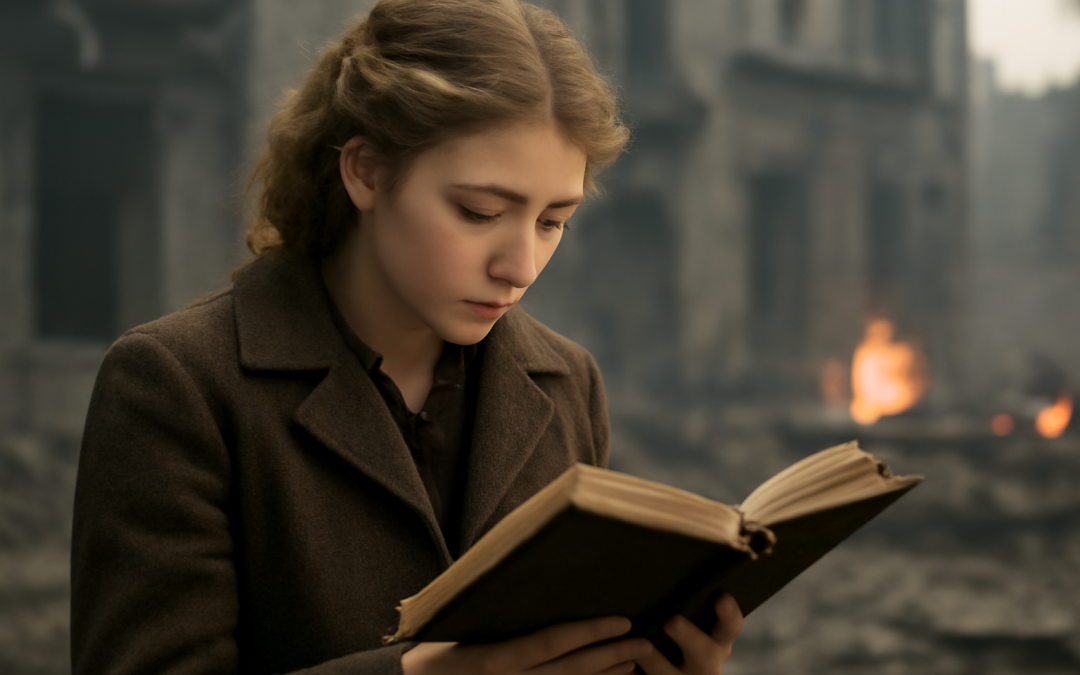
In the world of literature, certain novels transcend the typical boundaries of storytelling, blending history, humanity, and the power of language into an unforgettable experience. Such is the case with this novel, set against the brutal backdrop of World War II. This story’s exploration of words—how they can both wound and heal, deceive and reveal—offers a profound reflection on the human condition amidst immense adversity. At its core, it is a narrative about survival, resistance, and the unexpected ways people find hope when everything seems lost.
The novel’s setting, Nazi Germany, is integral to its emotional and thematic resonance. Life under the Third Reich, particularly for a young girl navigating loss, fear, and oppression, is portrayed with a harrowing yet compassionate lens. The main character’s journey is one of profound transformation; she starts as a timid, uncertain child who discovers a surprising affinity for words. These words become her refuge, her form of rebellion, and her way to connect with others in a world that often feels indifferent or hostile. The power of language as both a weapon and a sanctuary stretches throughout the novel, underscoring how deeply words shape our experiences and memories.
The narrative structure is both inventive and poignant. The story unfolds through the perspective of Death, an unusual yet compelling narrator who offers a detached but deeply empathetic view of the characters’ lives. This choice adds layers of philosophical depth, inviting readers to ponder mortality and the meaning of suffering. Through Death’s eyes, the reader witnesses the stark contrasts between the brutality of war and the small, tender moments of human kindness. The narrator’s voice is neither sentimental nor harsh; it holds a steady, contemplative tone, which fits perfectly with the underlying themes of the story.
Character development in the novel is rich and nuanced. The protagonist, a young girl, is drawn with emotional complexity. She is flawed, brave, scared, and resilient. Her relationships with those around her—her adoptive family, a young Jewish refugee they hide, and others in her small neighborhood—are portrayed with sensitivity and depth. These relationships serve as a microcosm of the larger societal tension, showing both the cruelty and compassion possible in times of war. The bonds formed and broken throughout the narrative illustrate the human capacity for kindness and cruelty, often existing side by side.
A compelling aspect of the story is how it highlights the role of literature and storytelling as a means of defying oppression. Books are represented as vessels of hope and rebellion, offering solace to the protagonist amid the chaos around her. The act of reading becomes an act of resistance, a way to preserve knowledge and humanity in a world where hatred seeks to erase them. The story’s emphasis on the importance of words challenges readers to consider their own relationship with language and memory. It reminds us how stories can serve as both mirrors and windows, reflecting personal pain and revealing shared humanity.
The backdrop of war and the Holocaust is never underplayed or sanitized, yet the novel manages to maintain a delicate balance by focusing on personal experience rather than historical exposition alone. It highlights the everyday struggles and moral dilemmas faced by ordinary people caught in extraordinary circumstances. In this way, it restores individuality and dignity to those history often reduces to statistics. The story does not shy away from the darkness but also refuses to let that darkness completely define its characters or the reader’s experience. It is a narrative that acknowledges pain while affirming resilience.
The prose itself is another noteworthy element. The language is carefully crafted—lyrical yet accessible, rich with imagery but never overly ornate. The writing style captures the emotional complexity of the story while maintaining clarity and momentum. Because of this, readers are invited into the protagonist’s inner world and the brutal realities of the era with equal ease. Symbolism and metaphor are used sparingly but purposefully, reinforcing the thematic weight of the narrative without overwhelming it. Each scene, each described word or gesture, feels deliberate and meaningful, contributing to a cohesive emotional and intellectual journey.
One cannot discuss the novel without noting its exploration of morality and the ambiguities of human behavior during war. The characters often occupy morally gray areas, forcing readers to question simplistic notions of good and evil. Acts of kindness sometimes coexist with fear-fueled betrayal; moments of courage are tinged with vulnerability. This complexity adds a compelling psychological realism to the story. Rather than presenting war as a clear battleground of heroes and villains, it reveals the messy reality of human choices and survival. This nuanced portrayal invites empathy and reflection, challenging readers to rethink assumptions about who the victims and perpetrators are.
The novel also beautifully depicts the impact of secrecy and silence, both personal and societal, in times of conflict. The characters carry heavy burdens of unspoken truths, fears they dare not voice, and histories they struggle to share. The weight of silence creates tension and suspense but also underscores the isolation and loneliness war imposes. At the same time, the moments when words are finally spoken—whether through stolen books, whispered confessions, or courageous storytelling—are deeply cathartic and transformative. This dynamic further illustrates the healing potential of language, even when words seem fragile or inadequate.
Moreover, this book offers a unique lens on childhood during wartime. The protagonist’s youthful innocence is both a source of vulnerability and strength. Her curiosity, imagination, and developing moral sense stand in stark contrast to the destruction surrounding her. The portrayal of childhood is tender but unflinching, acknowledging trauma without diminishing the complexity of youthful experience. Through her eyes, readers see the strange coexistence of normalcy and horror, joy and sorrow, that marked so many lives during the war. This perspective enriches the novel’s emotional depth and immediacy, making the historical realities resonate personally.
Family and chosen family are other thematic pillars of the narrative. The foster family’s love and protection provide a critical anchor for the protagonist amid chaos and danger. Their relationships are depicted with warmth and occasional tension, capturing the everyday dynamics that persist even in extraordinary circumstances. This focus on familial bonds adds a deeply human dimension to the story’s larger historical context. It also emphasizes that amid widespread loss, relationships remain a vital source of meaning and hope. The ways people nurture and protect one another become acts of defiance against the brutal forces that seek to tear them apart.
The story’s pacing and plotting further enhance its impact. While the novel moves steadily forward with a sense of impending doom, it also allows room for reflection and character moments. This balance between tension and pause enables the emotional stakes to build naturally, making climactic moments more powerful. Suspense is crafted through both external threats and internal conflicts, maintaining engagement throughout the narrative. The layered storytelling, combined with well-drawn characters and evocative settings, creates a rich tapestry that lingers in the reader’s mind long after the final page.
Themes of loss and memory permeate the novel, giving it a timeless quality. The characters grapple with profound grief and the challenge of remembering loved ones amidst widespread destruction. The act of telling stories, preserving moments of joy and sorrow, becomes a form of defiance against erasure. Memory is both a blessing and a burden—an essential part of identity but also a source of pain. This exploration offers a meditation on the fragility and endurance of human experience, reminding readers that history is not just a series of events but a collection of lived moments carrying deep emotional truths.
The novel’s conclusion is both heartbreaking and hopeful, refusing to offer simplistic resolutions. The ending reflects the complexity and ambiguity woven throughout the story, allowing readers to carry forward a sense of sorrow alongside the possibility of renewal. There is a recognition that while war leaves scars that may never fully heal, the human spirit’s resilience and the enduring power of words provide a glimmer of light in the darkness. It is an ending that resonates emotionally and intellectually, inviting contemplation long after the book is closed.
Ultimately, this novel is a testament to the enduring strength of language and storytelling in the face of unimaginable cruelty and loss. It highlights how words can shape reality, preserve humanity, and offer solace when hope seems distant. Through an unforgettable protagonist and a richly imagined wartime world, it delivers a powerful message about courage, compassion, and the complexity of human nature. It engages readers not only as a historical narrative but as a profound study of language’s transformative power amid the harshest of circumstances.
For those seeking a story that moves beyond conventional war narratives, this book offers an insightful and deeply moving experience. It challenges readers to consider how stories endure, how language can heal and hurt, and how ordinary individuals navigate the extraordinary trials of history. With its compelling characters, evocative prose, and profound themes, it stands as a reminder that even in the darkest times, the human spirit can find ways to resist, remember, and hope. Through words—as tools, weapons, and treasures—the novel celebrates the indomitable will to survive and to keep telling the truth of human experience.

by admin | Jul 26, 2026 | Reviews
Khaled Hosseini’s *The Kite Runner* is a deeply moving narrative that explores the intricate themes of guilt and redemption through the life of its protagonist, Amir. Set against the backdrop of a turbulent Afghanistan, the story delicately unravels the complexities of personal betrayal, the burdens of past mistakes, and the quest for forgiveness. This novel resonates profoundly with readers by offering not only a vivid depiction of a country’s socio-political upheaval but also an intimate exploration of the human spirit’s capacity for both cruelty and compassion.
From the opening scenes, the theme of guilt permeates the story. Amir, a privileged boy from Kabul, carries the weight of a childhood betrayal that shapes the course of his life. The defining moment of the novel—a devastating act of cowardice against his loyal friend Hassan—casts a long shadow over Amir’s conscience. This guilt is not a fleeting sensation but a persistent force, compelling Amir to wrestle with his sense of self-worth and moral integrity. Hosseini masterfully conveys how guilt can distort one’s perspective, leading to years of self-reproach and emotional paralysis.
What makes the novel particularly compelling is its unflinching portrayal of how guilt can isolate individuals from those they love. Amir’s internal struggle is compounded by his silence and refusal to confront the consequences of his actions. This silence breeds distance not only between himself and Hassan but also within his own family. Hosseini’s narrative style invites readers to empathize with Amir’s pain, understanding that guilt, though isolating, is also a profoundly human experience that demands acknowledgment if healing is ever to begin.
Redemption, then, emerges as the novel’s counterbalance—a theme woven through Amir’s journey toward atonement. The story suggests that true redemption requires courage, sacrifice, and a willingness to face one’s past openly. Throughout the novel, Amir grapples with this path to redemption, which ultimately leads him back to Afghanistan years after fleeing the country. His return serves as a symbolic act of reclaiming not only his homeland but also the integrity he once lost. In reclaiming his narrative and confronting old wounds, the novel provides a powerful message about the possibility of redemption even in the darkest circumstances.
One of the novel’s most striking features is its rich depiction of Afghan culture and history. Hosseini’s portrayal is neither simplistic nor romanticized; rather, it captures the beauty and tragedy of a nation torn apart by war and political strife. Through vivid descriptions of Kabul’s streets, kite-flying tournaments, and everyday family life, the novel immerses readers in a world that is both foreign and deeply relatable. This setting enriches the themes of guilt and redemption, as personal stories unfold alongside the nation’s upheavals, underscoring how individual lives are intertwined with the broader currents of history.
The character development in *The Kite Runner* is exceptionally nuanced. Amir’s transformation from a self-centered boy into a man seeking to make amends is portrayed with profound authenticity. His moral evolution is marked by moments of painful self-reflection and growth, highlighting the complexities of human nature. Hassan, too, embodies unwavering loyalty and innocence, becoming a symbol of unmerited sacrifice that further intensifies the emotional impact of Amir’s betrayal. The dynamics between these characters explore the fragile bonds of friendship and the devastating consequences when those bonds are broken.
The novel also addresses the theme of fatherhood and its influence on identity and choices. Amir’s relationship with his father, Baba, is fraught with tension and unmet expectations, reflecting the challenges of living up to parental ideals. This strained dynamic adds another layer to Amir’s feelings of guilt and his subsequent quest for approval and self-acceptance. Baba’s own flaws and virtues are intricately woven into the narrative, illustrating how parental figures shape our understanding of honor and morality.
Hosseini employs language that is both elegant and accessible, allowing readers to engage deeply with the characters’ inner lives and the story’s emotional nuances. His prose is often poignant, conveying complex emotions with simplicity and grace. The kite-flying motif, recurring throughout the novel, operates as a powerful metaphor for freedom, loss, and the fragile nature of happiness. It becomes a symbol that links the past with the present, reminding Amir—and readers—of the possibility of hope amid suffering.
Another layer of the novel’s exploration of guilt and redemption lies in the depiction of social class and ethnic tensions in Afghan society. Hassan’s ethnic identity as a Hazara and his social status as a servant’s son play significant roles in how his friendship with Amir is viewed and valued. The entrenched prejudices and injustices serve as a backdrop for Amir’s moral failings, highlighting that personal guilt cannot be divorced from the broader context of societal inequities. By intertwining personal and political narratives, the novel presents a more holistic understanding of suffering and redemption.
The narrative structure itself enhances the emotional resonance of the story. Told predominantly from Amir’s perspective, the first-person narration invites the reader into an intimate dialogue with the protagonist’s conscience. The use of flashbacks seamlessly connects past events with Amir’s present, emphasizing how unresolved guilt can linger and impact one’s future. This storytelling approach builds tension and poignancy, making Amir’s eventual confrontation with his past all the more meaningful.
As the novel progresses, the theme of redemption is not portrayed as an easy or guaranteed resolution. Instead, Amir’s path is marked by setbacks, sacrifices, and painful reckonings. His return to a now war-ravaged Afghanistan is fraught with danger, yet it is a necessary step to confront the ghosts of his childhood and to seek forgiveness, both from others and himself. This complexity ensures that redemption in *The Kite Runner* is authentic and earned, rather than simplistic or sentimental.
The emotional climax of the novel, where Amir rescues Hassan’s son from a similarly brutal situation, crystallizes the thematic nexus of guilt and redemption. This act of bravery and compassion is Amir’s attempt to break the cycle of betrayal and cowardice that has haunted him. It signals the possibility of transformation through courageous action and the healing power of selflessness. This pivotal moment illustrates that redemption is an active process, requiring continued commitment rather than passive regret.
Beyond the personal story, the novel’s broader commentary on forgiveness and human resilience is compelling. It suggests that while guilt may never fully disappear, it can be transformed into a catalyst for change and growth. Hosseini thus offers a hopeful vision that those burdened by their mistakes are not condemned but can find pathways to renewal and grace. This universal message resonates across cultures and experiences, giving the narrative its enduring power.
In addition, *The Kite Runner* challenges readers to consider the implications of silence and complicity in the face of injustice. Amir’s initial failure to defend Hassan is a stark reminder of how fear and cowardice can perpetuate harm. The novel invites reflection on the moral responsibilities individuals hold toward others, especially in moments of crisis. By examining the roots and consequences of Amir’s silence, the story speaks to the broader human condition and the ethical imperative to act with courage and integrity.
The enduring appeal of *The Kite Runner* can also be attributed to its exploration of the complexities of human relationships. Whether between friends, fathers and sons, or across social divides, Hosseini captures the nuances and contradictions that define these bonds. The novel does not shy away from portraying flawed characters who are capable of both profound kindness and deep mistakes, thereby humanizing their struggles and triumphs alike.
Finally, the novel’s portrayal of hope amidst darkness encapsulates its most powerful message. Despite the many tragedies and betrayals that unfold, the narrative ultimately affirms that redemption is possible, even when it seems out of reach. Through Amir’s journey, readers are reminded that the past may shape us, but it does not have to define us—a profound insight that echoes long after the final page is turned.
In sum, *The Kite Runner* is a rich and multifaceted novel that offers an unforgettable meditation on guilt and redemption. Its compelling characters, evocative settings, and universal themes combine to create a story that is both heart-wrenching and inspiring. As readers accompany Amir on his path toward forgiveness, they are invited to reflect on their own lives and the ways in which they might confront their past with courage and compassion. This timeless story continues to resonate because it speaks to the deepest struggles and hopes of the human soul.