
by admin | Sep 7, 2026 | Reviews
In the landscape of personal development and skill acquisition, few resources manage to balance the intricate blend of self-confidence and technical mastery with the finesse of a well-structured system. The Blueprint Review delves deeply into this dynamic, offering insights not only into the methodology behind crafting competence but also into the mindset that fuels sustained growth. At its core, this approach is designed to arm individuals with the tools and mentality necessary to navigate challenges while cultivating an authentic sense of self-assurance.
Building confidence is often perceived as a nebulous journey, with many struggling to identify the tangible practices that foster genuine belief in one’s abilities. The Blueprint addresses this by segmenting confidence into actionable steps, which are interwoven throughout the learning process. Unlike traditional programs that separate skill acquisition from personal growth, this approach recognizes that confidence and craft are intrinsically linked. Mastery of a particular craft naturally breeds a level of trust in one’s capabilities, but that mastery must be developed in tandem with psychological resilience and self-awareness for it to be truly effective.
One of the most compelling aspects of this resource is its emphasis on intentional practice. The Blueprint moves beyond the notion of mere repetition and encourages deliberate engagement with tasks that stretch one’s limits. This method is grounded in the principle that confidence is built not through comfort zones but through the consistent challenge of them. By structuring practice sessions in a way that promotes incremental improvements, learners experience measurable progress, which reinforces motivation. This cycle of challenge and achievement is essential to developing a mindset geared toward growth rather than fixed ability.
Another critical element encompassed in the approach is the cultivation of self-compassion. While many development programs focus heavily on pushing harder, The Blueprint acknowledges the inevitable setbacks and frustrations that arise during any learning process. It guides users to adopt a more forgiving perspective, framing failures not as reflections of worth but as valuable data points on the path to improvement. This shift in thinking helps to reduce the fear of failure, a significant barrier to both confidence and competence. By normalizing difficulty and encouraging a balanced emotional response, individuals are better equipped to persevere and maintain their enthusiasm for growth.
Moreover, the resource adopts a holistic view that integrates mindset, environment, and habits into the learning journey. It challenges the notion that skill-building happens in isolation, emphasizing that external factors such as social support, workspace design, and daily routines play a vital role in sustaining progress. By providing strategies to optimize these elements, The Blueprint helps learners create an ecosystem conducive to consistent effort and positive reinforcement. This interconnectedness between internal motivation and external conditions is one of the standout qualities that elevates the approach beyond standard instructional models.
In exploring the craft component, the program highlights the importance of foundational knowledge coupled with creative experimentation. Mastery is depicted not only as the accumulation of technical skills but also as the ability to innovate and adapt within one’s field. This dual focus nurtures flexibility – a necessary trait in evolving industries and complex problems – alongside precision. Learners are encouraged to develop fluency through repetition while remaining open to novel approaches and perspectives. This balance fosters both confidence in existing abilities and excitement about future possibilities.
The Blueprint’s framework also addresses common pitfalls encountered by those eager to accelerate their growth. Procrastination, inconsistency, and self-doubt are identified as hurdles to progress, and practical solutions are woven into the curriculum. For example, goal-setting is presented in a manner that emphasizes clarity and alignment with personal values rather than vague aspirations. This personalization enhances motivation and commitment, making it easier to overcome inertia. Furthermore, the inclusion of feedback mechanisms ensures that learners can adjust their strategies dynamically, minimizing wasted effort and frustration.
One cannot overlook the role of community within this model. Collaboration and shared learning experiences are integrated as vital components, recognizing that social interaction strengthens accountability and provides diverse perspectives. Engaging with peers not only exposes individuals to different techniques and ideas but also offers emotional support, reducing feelings of isolation often associated with solo development efforts. The Blueprint recommends cultivating networks that challenge and inspire, allowing learners to position themselves within a broader ecosystem of growth.
The program’s language and tone throughout demonstrate a keen awareness of the psychological nuances underpinning personal transformation. Rather than employing a one-size-fits-all motivational rhetoric, it adopts a conversational and empathetic style that resonates with varying temperaments and backgrounds. This accessibility is crucial in maintaining engagement, as it avoids alienating learners either by overly technical jargon or by simplistic platitudes. The balance struck here contributes significantly to the program’s effectiveness, inviting reflection and personal ownership of the journey.
Additionally, The Blueprint underscores the importance of patience and incremental progress, combating the modern tendency toward instant gratification. It candidly addresses the frustration that can emerge when results aren’t immediately apparent and offers strategies for sustaining effort over longer periods. By championing consistency and long-term vision, learners are equipped to weather the inevitable plateaus and regressions that come with any substantial endeavor. This emphasis on endurance over speed reframes success as a marathon rather than a sprint.
In terms of practical application, the techniques and exercises included are diverse enough to be adapted across numerous disciplines and contexts. Whether one is seeking to enhance professional skills, artistic abilities, or even interpersonal communication, the principles governing confidence and craft remain universally relevant. This adaptability broadens the resource’s appeal and utility, providing a framework that can be tailored to individual goals and circumstances.
The Blueprint also pays close attention to measuring progress in meaningful ways. Beyond superficial metrics or external validation, it encourages self-assessment tools that promote introspection and genuine growth. Reflective journaling, performance reviews, and periodic goal recalibration are integrated as standard practices. These methods empower users to identify strengths and areas for improvement with greater clarity, avoiding stagnation and fostering continuous refinement.
Furthermore, the program demystifies the concept of talent, positioning it not as an innate gift but as the product of sustained effort and strategic learning. This mindset aligns with contemporary research on neuroplasticity and skill acquisition, reinforcing the idea that dedication and methodical practice can redefine perceived limitations. By shifting focus away from fixed attributes, The Blueprint promotes a more inclusive and empowering narrative, encouraging individuals from all backgrounds to invest in their development.
The psychological benefits of combining confidence with craft are far-reaching. Increased confidence boosts resilience, reduces anxiety, and enhances decision-making capabilities. When paired with tangible skills, it creates a powerful synergy that propels individuals forward both professionally and personally. This dynamic enables more deliberate risk-taking, greater creativity, and a stronger belief in one’s capacity to effect change. The Blueprint’s comprehensive approach ensures that these outcomes are not accidental but systematically cultivated.
In contemporary society, where uncertainty and rapid transformation are commonplace, such a framework is particularly valuable. The ability to adapt with confidence is a critical asset, enabling individuals to navigate career shifts, evolving industries, and personal challenges with greater ease. The Blueprint thus serves as both a guide and a toolkit, offering strategies that are relevant in unpredictable environments and support ongoing growth regardless of external circumstances.
Moreover, the resource does not neglect the importance of celebrating milestones along the way. Recognizing achievement, no matter how small, is positioned as an integral factor in maintaining momentum and reinforcing positive behaviors. This practice nurtures a healthier relationship with progress, one that values process over perfection and encourages sustained enthusiasm. By intertwining acknowledgment with effort, The Blueprint fosters a rewarding cycle that motivates continued commitment.
The balance of theory and practice within the program is artfully maintained, preventing overwhelm and information overload. Concepts are introduced contextually and supported by practical exercises, ensuring that learners can immediately apply insights to their daily routines. This experiential learning model accelerates internalization and increases retention, making the transformation more enduring. It also respects individual pacing, allowing users to engage at a level that suits their readiness and capacity.
The Blueprint’s structure promotes a sense of autonomy, encouraging individuals to tailor their approach to fit unique preferences and circumstances. This flexibility contrasts with rigid systems that often fail to accommodate variability among learners. By providing guiding principles rather than rigid rules, it empowers users to take ownership of their development, enhancing motivation and satisfaction. This self-directed element is crucial for deep, lasting change.
Finally, the program’s vision extends beyond immediate skill gains to encompass broader life enrichment. The confidence and craft nurtured through this approach facilitate not just professional excellence but also deeper fulfillment and authenticity. By fostering alignment between abilities and aspirations, it helps individuals live more integrated and meaningful lives, where personal values and external achievements resonate in harmony.
Ultimately, the comprehensive framework explored here illuminates a path toward mastery that is grounded in realistic, sustainable practices. It dispels myths surrounding overnight success and highlights the importance of mindset, environment, and community in the journey. By interlacing confidence with craft, it offers a blueprint for growth that is both practical and profound, enabling individuals to unlock their potential with clarity and courage.

by admin | Sep 6, 2026 | Reviews
In the annals of music history, certain albums emerge that do more than just capture the spirit of their time; they redefine genres and challenge the very conventions of musical creation. *Kid A* by Radiohead stands as one such transformative work. Released in the dawn of the new millennium, this album marked a bold departure from the band’s previous rock-oriented sound, embracing experimental electronic textures, a fragmented approach to songwriting, and a palette of sounds that seemed almost alien to mainstream audiences. It was not simply an album but a reinvention of rock’s boundaries and possibilities.
At its core, the significance of *Kid A* lies in its fearless exploration of new sonic landscapes. Radiohead had garnered critical and commercial success with their prior album *OK Computer*, which itself was a complex, atmospheric record loaded with social anxiety and technological alienation themes. Yet, instead of resting on their laurels, the band chose a radically different path with *Kid A*, immersing themselves in electronic music, jazz, ambient soundscapes, and avant-garde experimentation. This pivot was risky, alienating many listeners who expected a continuation of the guitar-driven style that had made Radiohead famous. However, this risk is precisely what makes *Kid A* a landmark; it defied expectations and in doing so, expanded what rock music could be.
The album’s production techniques reveal much about its innovation. Radiohead incorporated synthesizers, samplers, and programming alongside traditional instruments. Tracks such as “Everything in Its Right Place” utilized layered, manipulated vocals and dissonant electronic sounds to create a hypnotic effect that diverged sharply from the conventional verse-chorus-verse structure. Meanwhile, “Idioteque” stands out as a frantic fusion of glitchy beats and cryptic lyrics, drawing direct influence from cutting-edge electronic producers like Aphex Twin and Squarepusher. The juxtaposition of Thom Yorke’s vulnerable vocals against mechanical, artificial soundscapes created a haunting and almost dystopian atmosphere, reflective of the anxieties at the turn of the century.
Lyrically, *Kid A* is enigmatic and abstract, moving away from the more straightforward storytelling seen in earlier Radiohead works. Thom Yorke, the band’s frontman and chief lyricist, employed fragmented imagery and cryptic phrases that resist easy interpretation but invite deep contemplation. Themes of identity, technology, alienation, and the uncertainty of the modern human condition weave through the album in subtle ways. This poetic ambiguity allows listeners to engage with the album on a personal level, extracting meanings that resonate with their own experiences and emotions. The lyrics are not the only component encouraging introspection; the music itself often creates a mood of tension and unease, balanced by moments of serene beauty.
Structurally, *Kid A* is unconventional. The album rejects the typical rock album’s reliance on hooks and catchy choruses, favoring fluidity and texture instead. The tracks flow into one another, creating a seamless yet disjointed auditory journey. This choice to emphasize mood and atmosphere over accessibility made *Kid A* a challenging listen upon its release, but it also invited repeat listening and deeper analysis. The album’s sequencing is deliberate, crafting an emotive arc that moves through confusion, anxiety, and hope. For instance, the transition from the eerie, electronic pulses of “Morning Bell” into the lush, orchestral soundscapes of “Motion Picture Soundtrack” elegantly showcases the range of emotions encapsulated within the album.
The impact of *Kid A* extended far beyond the confines of Radiohead’s fanbase. It influenced a broad spectrum of artists in rock, electronic, and indie music who saw the album as a blueprint for breaking free from genre constraints. The integration of electronic elements into rock music became more widespread following *Kid A*’s release, encouraging musicians to experiment with synthesizers, drum machines, and digital production techniques. Furthermore, it contributed to the rising acceptance of blurred genre lines in popular music, where electronic and acoustic elements coexist fluidly. The album’s experimental ethos forged a path for future innovation, inspiring artists to approach album-making as an art form unbound by commercial formulas.
Critically, the album was initially polarizing due to its departure from Radiohead’s earlier style, but over time it has been universally acknowledged as a masterpiece. Many reviewers now hail *Kid A* as one of the greatest albums of its decade, if not of all time. Its artistry lies in its combination of complexity and innovation without sacrificing emotional depth, a rare feat in experimental music. The album also foresaw many contemporary trends in music, from the integration of ambient soundscapes to the narrative potential of abstract lyrics, establishing Radiohead not only as rock musicians but as cultural visionaries.
In the context of the music industry at large, *Kid A* helped to redefine the commercial potential of experimental work. At a time when record labels heavily favored radio-friendly singles and formulaic albums, Radiohead’s bold gamble was a statement about artistic integrity. The band eschewed the traditional promotional strategies, releasing limited information before launch and allowing the music to speak for itself. This strategy paid off, as fans and critics eagerly dissected the album, building almost mythic anticipation and reception around it. The commercial success paired with critical acclaim demonstrated that there was an appetite for challenging and innovative music, encouraging labels to support more adventurous projects.
The relationship between the audience and *Kid A* is noteworthy for how it reshaped listener engagement. The album’s cryptic packaging, lack of conventional promotion, and refusal to conform to radio norms required an active and thoughtful listener. It encouraged fans to immerse themselves fully, dissecting every sonic detail and lyrical nuance. This level of engagement helped cultivate a devoted community that perceives music as an evolving conversation rather than mere background noise. It fostered a culture where music consumption is an intellectual and emotional act, something that resonates in the digital age of streaming and quick consumption.
From a technical standpoint, *Kid A* exploits the capabilities of both analog and digital technologies, merging them into a cohesive sound palette. The use of vintage instruments such as the Ondes Martenot alongside cutting-edge software tools exemplifies the hybrid nature of the album’s production. This blend created textures that feel both timeless and futuristic, blurring the lines between organic and synthetic sounds. The intricate layering of instruments and effects required meticulous studio craftsmanship and a deep understanding of sound design. This mastery over both traditional musicianship and modern technology allowed Radiohead to construct an album that sounds like no other.
Beyond its immediate musical influence, the album also challenged prevailing cultural attitudes about what rock music could be. While rock had its roots in rebellion and experimentation, by the 1990s it often became formulaic and commercialized. *Kid A* insisted that rock artistry could be cerebral, abstract, and immersive. It questioned the idolization of guitar music and conventional band dynamics by introducing electronic and jazz influences that altered the genre’s DNA. This radical approach has encouraged a new generation of musicians to view rock not as a static style but as a flexible framework open to innovation.
The album’s status as a cultural milestone is also tied to its timing. Released just after the turn of the millennium, *Kid A* perfectly captured the fascination and apprehension that defined the era. Concerns about technological advancement, globalization, and the loss of traditional identities permeate the music and lyrics. The cold, mechanized sounds echo the anxieties of a society rapidly transforming due to digital revolution. Yet, amid the mechanization, there remains a deeply human emotional core, a yearning for connection and meaning. This duality resonates with listeners who themselves navigate between the advantages and alienations of modern life.
In retrospect, the legacy of *Kid A* is evident not only in music but in broader artistic and cultural realms. Its influence can be traced in the rise of genre-defying works across various media and the celebration of ambiguity and abstract narrative in contemporary art. The album’s pioneering spirit continues to inspire creators to push beyond comfortable boundaries and embrace the challenge of innovation. It remains a fixture in conversations about the evolution of modern music and an emblem of the transformative power of art.
Ultimately, the album stands as a testament to the importance of risk-taking in creative pursuits. Radiohead’s willingness to abandon expectations and explore uncharted territory resulted in an album that refuses to be easily categorized or dismissed. Its sonic experimentation, lyrical depth, and emotional resonance constitute a compelling argument that rock music is not a relic but a living, evolving form capable of continuous reinvention. *Kid A* is a bold declaration that true artistry involves embracing uncertainty and disruption, an enduring inspiration to musicians and listeners alike.

by admin | Sep 5, 2026 | Reviews
Few albums have managed to capture the complexities of soul and identity as profoundly as Lauryn Hill’s landmark work from the late 1990s. It resonates not just as a piece of music but as a cultural milestone, articulating the struggles and triumphs of personal growth, womanhood, and artistic authenticity. This record arrived at a critical juncture, a time when hip-hop and R&B were aggressively commercial but often lacked the reflective depth and genuine vulnerability that Lauryn Hill brought to her art. From the opening notes, it becomes clear that this is an album dedicated to exploring what it means to be human, layered with raw emotion and introspection.
The project’s fusion of rap, reggae, and soul, punctuated by sweeping melodies and poetic lyricism, creates a soundscape that is both timeless and deeply personal. It challenges conventional genre boundaries while simultaneously embracing them, echoing the multifaceted nature of identity itself. The artist’s voice — at times tender and at others fiercely unapologetic — narrates stories of love, pain, self-discovery, and rebellion. This emotional range is what makes the record a powerful vessel for the overarching themes of self-acceptance and the pursuit of truth in a world that often demands conformity.
One of the most compelling aspects is how the record confronts the intersection of fame and personal integrity. As an artist thrust into the spotlight at a young age, the narrative voice wrestles with the pressures of public expectation versus personal values. The internal conflict presented in the lyrics invites listeners into an intimate dialogue about the costs of success and the yearning for authenticity. This is not a casual recount of stardom; it is a nuanced meditation on the trials of holding onto one’s true self amid external noise and temptation.
The album’s exploration of identity extends beyond the personal to the collective, highlighting themes of racial pride, cultural heritage, and social consciousness. Its tracks serve as both a celebration and critique, reflecting a keen awareness of the artist’s place within a broader historical and societal context. This duality enriches the record, transforming it from mere autobiography into a statement on resilience and empowerment. The balance between vulnerability and strength underscores a deep-rooted desire to foster understanding, connection, and change.
Musically, the layered production complements the thematic depth, with arrangements that blend organic instrumentation and hip-hop beats in innovative ways. The rhythmic complexity supports the emotional weight of the lyrics, driving home the urgency behind each message. The soulfulness imbued into every note adds texture and warmth, amplifying the album’s ability to engage listeners on a visceral level. Such craftsmanship ensures that the record is not only heard but felt, staying with audiences long after the music fades.
Furthermore, the nuanced storytelling woven throughout the album elevates it into a modern-day epic. Each song can stand alone as a vignette, yet together, they form a cohesive journey that charts the evolution of an individual grappling with love, betrayal, faith, and self-worth. The lyricism is both lucid and metaphorical, inviting repeated listening to unpack the layers of meaning. This poetic quality highlights the artist’s literary prowess and establishes the album as a work of art that transcends simple categorization.
Another dimension of the record’s impact lies in its portrayal of womanhood, particularly Black womanhood, as complex, multifaceted, and worthy of respect. It dismantles stereotypes and challenges listeners to recognize the nuances of female experience, from the spiritual to the sensual. The empowerment conveyed through the music is not imposed but rather emerges organically from the artist’s own lived realities and reflections. This authentic representation has inspired countless others, solidifying the album’s legacy as a beacon for women navigating their own paths.
The socio-political commentary interspersed throughout the album adds yet another layer to its significance. It does not shy away from confronting issues such as systemic oppression, identity politics, and cultural displacement. These topics are presented with a degree of subtlety and sophistication that underscores the artist’s insightful worldview. Rather than detract from the personal narratives, these elements deepen the album’s relevance and elevate it beyond mere entertainment into the realm of meaningful discourse.
Listeners are drawn to the record’s emotional honesty and its refusal to settle for easy answers. The tensions between hope and despair, faith and doubt, love and heartbreak are palpable and intricately portrayed. This emotional duality mirrors real human experience and allows the music to serve as both a mirror and a source of solace. The artist’s vulnerability is a source of strength, creating a space where the complexities of life are acknowledged and embraced rather than hidden or simplified.
The cultural and historical context in which the album emerged also amplifies its importance. Arriving in a period marked by shifting musical trends and evolving social dynamics, it stood out as a bold reaffirmation of artistic integrity and cultural pride. Its success challenged industry norms and opened doors for artists who sought to blend genres while addressing substantive themes. The influence exerted by the album can still be seen in contemporary music, where the fusion of message-driven content and innovative sound continues to thrive.
In examining the record’s legacy, it is clear that its impact extends far beyond commercial success. It became a touchstone for generations seeking music that speaks to the heart and mind simultaneously. The courage to be authentically oneself in the face of external pressures resonates deeply, offering a blueprint for creative expression that is both transformative and healing. The album’s endurance is a testament to its ability to connect across time and culture, maintaining relevance and power decades after its initial release.
Critically, the album has been lauded for its masterful integration of storytelling, musicianship, and social awareness. Each element supports the others, creating a harmonious whole that invites engagement on multiple levels. Its willingness to confront difficult questions without providing simplistic resolutions demonstrates a maturity rarely found in popular music. This quality endears it to critics and fans alike, ensuring that it remains a subject of study and admiration in music history.
On a personal level, the album’s themes of self-reflection and transformation hold universal appeal. The artist’s journey from confusion and pain toward clarity and empowerment mirrors a path many listeners have traveled or aspire to take. This identification fosters a deep emotional connection that elevates the listening experience. The soul that permeates every track is not just a genre label but a lived reality conveyed through artistry and honesty.
The balance between musical innovation and traditional influences also makes the album a rich text for analysis. It honors the legacy of soul music while pushing creative boundaries, highlighting the tension between past and present that is central to identity itself. This dual homage and reinvention contribute to the album’s uniqueness and lasting cultural significance. It stands as a prime example of how music can serve as both preservation and progression.
Moreover, the album’s role as a catalyst for discussions around race, gender, and spirituality remains potent today. Its explicit and implicit messages offer points of entry into larger conversations about what it means to be authentic in a variety of social contexts. The artist’s blending of personal struggle with broader societal issues challenges listeners to consider their own positions and encourages empathy. This capacity to inspire reflection and dialogue enhances the album’s depth and appeal.
The project also wrestles with the complexities of love in its many forms—romantic, familial, and communal. The nuanced portrayal of relationships acknowledges their beauty and difficulty, illustrating how love can both uplift and wound. Through this lens, the album becomes a meditation on connection and isolation, underscoring the human need for understanding and acceptance. Such exploration gives the record emotional breadth and universality.
Technically, the production choices reflect a deliberate effort to create an intimate yet expansive sound. The use of live instrumentation alongside samples adds texture and authenticity, while the vocal performances convey a sense of immediacy and emotion. These elements combine to produce a listening experience that is immersive and dynamic, mirroring the multifaceted themes expressed in the lyrics. The careful construction of each track contributes to the album’s cohesion and impact.
The artist’s songwriting is marked by introspection and candor, with lyrical content that often reads like poetry set to music. This literary approach elevates the album beyond entertainment, positioning it as a work that invites contemplation and analysis. The use of metaphor and allegory enriches the listening experience, allowing for multiple interpretations and connections. Such depth is rare in mainstream music and highlights the album’s unique contribution to the genre.
Throughout the work, there is a palpable sense of spiritual searching and existential questioning. Themes of faith, doubt, redemption, and enlightenment thread through the songs, reflecting the artist’s personal journey and inviting listeners to reflect on their own beliefs. This spiritual dimension adds complexity and nuance, distinguishing the album from others that focus solely on external realities. It provides a transcendent quality that resonates on a deeply human level.
In the context of the artist’s career, this album represents a moment of artistic zenith and personal expression that remains unmatched. It showcases a rare combination of technical skill, emotional insight, and cultural commentary. The record’s enduring influence is a testament to its ability to articulate the inexpressible and to connect with the core of human experience. For many, it is not just an album but a touchstone that continues to inspire and challenge.
Ultimately, the lasting power of this work lies in its fearless exploration of selfhood set against a backdrop of cultural and social complexity. It refuses to offer easy answers or provide tidy conclusions, instead honoring the messiness of life and the courage required to navigate it. This authenticity and refusal to compromise artistic vision have cemented its status as a classic, continuing to captivate new audiences and maintain its place in the pantheon of influential music.
Listening to the album today, its messages feel as urgent and relevant as ever, especially in conversations about identity and the search for meaning in an increasingly fragmented world. It serves as a reminder of the importance of staying true to oneself, even when confronted with adversity and doubt. The intricate interplay of soul and identity woven throughout the album ensures that it is more than music—it is a profound statement on what it means to be human.
The intersection of personal narrative and broader social commentary found in this record remains a masterclass in storytelling through music. It offers a multifaceted perspective that speaks to diverse experiences while maintaining a coherent and compelling voice. This balance between specificity and universality is a testament to the artistry at work and underscores the album’s significance as both cultural artifact and artistic achievement.
Time and again, the album reveals new layers upon each listen, rewarding patience and attention with deeper insight and emotional resonance. Its complexity and richness invite ongoing exploration, making it a continually relevant and inspiring work. The blend of vulnerability, strength, and creativity contained within its tracks ensures it remains a source of inspiration and a pillar of musical excellence. It stands as a testament to the transformative power of art to express, heal, and empower.

by admin | Sep 4, 2026 | Reviews
From the moment the lights dim and the opening chords of one of the most iconic albums in music history echo through the theater, there is a palpable intensity that sets the tone for this musical experience. The audience is immediately plunged into a world of raw emotions and deeply personal narratives, delivered through a dynamic fusion of storytelling and powerful performances. This production does not simply retell familiar songs from a beloved artist; it delves into the complex web of family dynamics, identity struggles, and societal issues, rendering each moment authentic and resonant.
What sets this show apart is its unapologetic willingness to confront uncomfortable truths head-on. The narrative weaves through the tumultuous landscape of addiction, race, mental health, and sexual identity, dissecting how these themes can fracture relationships yet also forge new paths toward understanding and reconciliation. Rather than offering neat resolutions, the story embraces the messiness of real life, mirroring the jagged edges in the human experience that are often glossed over on stage. This commitment to authenticity is both the production’s greatest strength and its most challenging aspect for some viewers.
Musically, the score pays homage to its source with reverence and energy. The songs, lifted directly from a landmark album, are reimagined with fresh arrangements that empower the narrative weight of each moment. From the angst and defiance of the opening numbers to the quieter introspection of later ballads, the music serves as both a character and a catalyst, unlocking emotions that words alone cannot convey. The performers navigate these songs with a fierce dedication, channeling their spirit and nuance without veering into mere mimicry.
Each cast member brings a distinctive presence that breathes life into their complex characters. The lead’s portrayal is particularly compelling, capturing the grit and vulnerability essential to the story’s emotional core. Their ability to transition from explosive outbursts to tender, haunting silence punctuates key moments, deepening the audience’s connection to the unfolding drama. Supporting roles shine as well, providing necessary texture and opposing perspectives that underscore the show’s multifaceted exploration of identity and pain.
The direction is thoughtful, creating a visual landscape that mirrors the narrative’s intense emotionality. The use of lighting and stage space artfully reflects the shifting moods, from claustrophobic familial confrontations to moments of individual solitude and reflection. Minimalist set pieces emphasize the characters and their psychological states rather than distracting with excessive decoration. This sparseness not only honors the rawness of the material but also leaves room for the audience’s imagination to fill in the gaps, making the experience more intimate and personal.
An essential element is the script’s strong, honest dialogue. The writing rejects melodrama in favor of nuanced conversations that feel lived-in and true to life. Characters frequently grapple with difficult questions and uncomfortable feelings, and the language captures the awkwardness, anger, and tentative hope that come with these discussions. The dialogue’s realism invites the audience into the emotional trenches alongside the characters, fostering empathy and reflection.
The themes explored resonate beyond the immediate family drama, offering commentary on broader societal issues that are often sidelined in musical theater. The show addresses the ongoing stigma around addiction, the struggles with acceptance faced by LGBTQ+ individuals, and the ways mental health is intertwined with personal and cultural identity. This careful integration of social concerns avoids preachiness, instead presenting these topics through personal stories that engage the heart and mind. Such an approach opens avenues for conversations long overdue in both artistic and everyday contexts.
One cannot overlook the cultural significance embedded within the narrative. The musical both celebrates and critiques the legacy of the landmark album it’s inspired by, acknowledging its impact while pushing audiences to think critically about the stories it tells and those it leaves out. It challenges the simplicity of the original’s rebellious spirit by adding layers of complexity and consequence that reflect today’s realities. This additional dimension offers fresh perspective on familiar material, making it accessible and relevant to new generations.
Another notable aspect is the show’s ability to balance hope within its often grim subject matter. While the narrative confronts hardship and pain unflinchingly, it also highlights moments of connection, healing, and resilience. These instances are neither sentimental nor forced but arise naturally from the characters’ journeys toward understanding themselves and each other. This delicate interplay between despair and growth gives the production its emotional depth and lasting impact.
The choreography and movement work complement the storytelling without overshadowing it. Fluid, expressive sequences underscore key emotional beats and transitions, heightening the atmosphere without distracting from the narrative focus. These movements often serve as an external reflection of the characters’ internal states, using space and gesture to convey unspoken tension and release. The restraint shown in this area respects the show’s grounded tone and supports the overall coherence of the production.
Sound design enhances the immersive quality of the performance, integrating subtle effects and ambient noises that enrich the sensory environment. From the hum of a passing car to the quiet creak of a house settling, these details ground scenes in reality and reinforce moments of emotional weight. The audio balance ensures that the music and vocals maintain clarity and prominence, further elevating the audience’s connection to the story and characters.
Costuming in the production is smartly chosen to reflect the characters’ personalities and arcs, ranging from everyday casual wear to more symbolic pieces that hint at inner transformation. The costumes support the narrative without calling undue attention to themselves, helping to situate characters within specific socio-economic contexts while preserving flexibility for storytelling. This thoughtful attention to detail contributes to the production’s overall authenticity and immersive quality.
Throughout the performance, pacing is carefully calibrated to maintain engagement and emotional momentum. The show avoids dragging through slower moments by infusing them with meaningful pauses and tension, allowing audiences to process and feel the gravity of the scenes. Energetic numbers lift the tempo and provide contrast, preventing the atmosphere from becoming oppressively heavy. This ebb and flow keep the audience invested and attentive from start to finish.
Audience reactions testify to the production’s emotional power. Many emerge visibly affected, carrying with them a mixture of sadness, hope, and thoughtful introspection. The show prompts an intense emotional journey that can be challenging yet cathartic, leaving little room for passive viewing. This capacity to stir deep feelings speaks to the enduring strength of its source material coupled with bold, sensitive adaptation.
Critically, the production succeeds in making a songbook musical feel fresh, relevant, and necessary. It not only honors the spirit of the original album but also uses it as a springboard for profound exploration of contemporary issues and personal growth. This delicate balancing act earns the show a place among compelling and socially conscious theater work that speaks both to the heart and to the intellect.
In sum, this musical is a fierce, unvarnished reflection on the human condition, rendered through unforgettable music and riveting storytelling. Its willingness to expose vulnerability and challenge societal taboos invites audiences into a shared space of healing and understanding. Far beyond a nostalgic revival, the production stands as a provocative and moving piece of art, resiliently relevant in its raw confession and unflinching honesty. It is a testament to the enduring power of music and theater to illuminate the jagged edges of life and forge connection through shared truth.
by admin | Sep 3, 2026 | Reviews
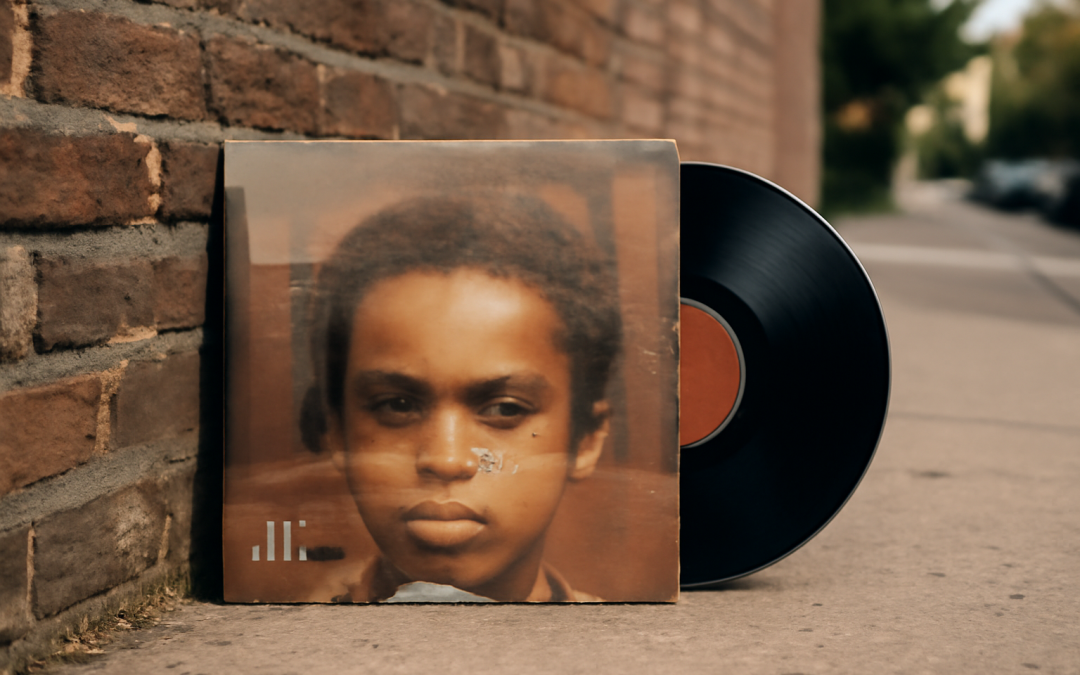
Few albums in the history of hip-hop have managed to capture the raw essence of urban life with the precision and lyrical craftsmanship that this record delivers. Emerging at a time when the genre was transitioning from its playful beginnings to a more introspective and socially aware form, it stood as a beacon of authenticity and artistry. The album is hailed not only for its introspective storytelling but also for its intricate wordplay and unmatched flow, forging a timeless blueprint for hip-hop lyricism. It transcended the boundaries of traditional rap records, positioning itself as a work of street poetry that elevated the culture.
The artist behind this masterpiece was only a teenager when the album dropped, yet his seasoned delivery reflects a depth of experience far beyond his years. His voice is both confessional and confrontational, weaving tales of hope, struggle, and survival within the concrete jungle of New York City. Each verse reads like a vivid snapshot of life in Queensbridge, offering listeners an unfiltered look at day-to-day realities marked by hardship and resilience. The intimate and detailed portrayal of his environment breaks down complex emotions and societal issues into relatable narratives, making his story universal despite its specificity.
Production-wise, the album is a marvel. The beats, crafted by some of the finest producers of the era, are deceptively minimalistic, providing just the right amount of space for the lyrics to shine. Sampling jazz and soul records, the soundscape combines gritty drums with smooth melodic loops, creating a mood both nostalgic and urgent. The sonic backdrop perfectly complements the artist’s voice, underscoring his reflective mood while driving the rhythm forward. The production style was innovative yet respectful of hip-hop’s roots, avoiding overproduction to maintain a raw and organic feel that has aged gracefully.
The opening track sets a profound tone with its iconic intro and introspective lyrics, immediately pulling the listener into the world the artist inhabits. It serves as both a thematic overture and a statement of intent, showcasing the lyrical prowess and confidence that define the entire project. As the album progresses, each track unfurls another layer of the artist’s psyche, from childhood memories to the harsh realities of adulthood. This conceptual cohesion creates a cinematic experience, guiding listeners through a sonic journey marked by emotional highs and lows.
The lyrical content is packed with literary devices rarely seen in the genre at that time. Metaphors, alliteration, internal rhymes, and multisyllabic structures pepper the verses, demonstrating the artist’s mastery over language. Beyond technical skill, there’s an undeniable emotional weight in his writing that connects deeply with the audience. He doesn’t simply tell stories; he paints vivid pictures and stirs empathy through his words. His commitment to authenticity avoided glamorizing the struggle, instead focusing on introspection and the desire for personal growth amid adversity.
One of the most compelling aspects of the album is how it captures the contradictions of young life in an environment rife with danger and limited options. The artist simultaneously reflects street wisdom and vulnerability, ambition and frustration, strength and doubt. This complexity breathes reality into the record and allows it to resonate across different generations. His narratives challenge prevailing stereotypes about urban youth, revealing nuanced human experiences behind the headlines. In doing so, the album helped usher in a new era of conscious rap, expanding the thematic possibilities for the entire genre.
The impact of this album on hip-hop culture cannot be overstated. Its release marked a pivotal moment that inspired countless artists to elevate their lyrical content and embrace introspection. The meticulous attention to detail in both the writing and production raised the bar for what an album could be, influencing the sound and style of East Coast rap and beyond. Many subsequent acts cite this record as a cornerstone of their artistic development, a testament to its enduring influence. It set a precedent for narrative complexity and authenticity in a medium that was still exploring its artistic boundaries.
Notably, the album’s reception was one of immediate critical acclaim paired with a lasting popularity that saw it grow in stature over the years. While commercial success wasn’t instantaneous, the record’s reputation only increased as its themes remained relevant and its lyrical content discovered by new listeners. Critics praised the balance of poetic insight and street wisdom, noting how it neither compromised artistic integrity nor popular appeal. The ongoing discussion around the album’s place in music history often highlights it as the quintessential example of hip-hop’s potential as a literary art form.
The collaborative efforts behind the album also contributed significantly to its perfection. Producers brought unique sensibilities to each track, ensuring diversity within a cohesive framework. The mixing and mastering preserved the clarity of the artist’s voice and the warmth of the samples, lending a timeless quality to the sound. Guest appearances, though minimal, enhanced the album’s texture without detracting from the central narrative. Every element was meticulously curated, reflecting a shared vision of creating something both deeply personal and universally relatable.
Aside from the technical and artistic excellence, the album serves as a powerful cultural document. It captures a specific time and place with unmatched accuracy, providing a historical lens into the socioeconomic challenges of inner-city youth in the early ’90s. Through its vivid storytelling, it humanizes communities often marginalized in mainstream media, highlighting issues such as poverty, violence, and systemic neglect. At the same time, it offers hope and self-determination as underlying currents, emphasizing the transformative power of language and art. The record remains a source of inspiration for individuals striving to overcome adversity.
Listening to the album today, its relevance is undiminished. Its themes of resilience, identity, and social commentary continue to resonate in a world where many of the challenges depicted persist. Moreover, the artist’s lyrical inventiveness and flow remain benchmarks for aspiring rappers. The record’s timeless appeal lies in its ability to bridge generations and cultural divides, speaking to anyone seeking truth and depth in music. It also remains a reminder of the artistry and potential within hip-hop, countering outdated notions that dismiss it as a passing trend or mere entertainment.
What truly sets this album apart is the symbiotic relationship between the artist’s words and the beats. The production never overwhelms the narrative but instead accentuates its emotional intensity. The album moves fluidly from hard-hitting street anthems to reflective ballads, maintaining coherence through consistent mood and message. This dynamic range showcases the artist’s versatility and the meticulous craftsmanship behind the scenes. It’s a rare example of an album where every track contributes meaningfully to a greater whole, creating a powerful and immersive listening experience.
Beyond its artistic merits, the record exemplifies the spirit of innovation and self-expression foundational to hip-hop’s growth. It embodies a commitment to truth-telling and personal voice, qualities that have endeared it to fans and scholars alike. The artist’s refusal to conform to commercial expectations without sacrificing accessibility set an important precedent. It proved that deeply personal and socially conscious content could coexist with mass appeal, paving the way for future artists to explore similar paths. This balance between individuality and universality remains central to the album’s legacy.
The storytelling throughout the album is multi-dimensional, oscillating between moments of vivid description and introspective analysis. The artist frequently employs imagery that evokes sensory experiences—a sound, a smell, a visual scene—immersing the listener in the moment. These poetic elements elevate raw reality into art, allowing for both emotional engagement and intellectual appreciation. His narratives do not shy away from darkness, yet they are permeated with an enduring sense of humanity. This tension between harsh truth and hopeful aspiration enriches the album’s impact and memorability.
The intricate rhyme schemes and rhythmic patterns exemplify a level of technical skill that demands repeated listens to fully appreciate. The artist’s flow is fluid yet precise, navigating complex rhythms with apparent ease. His ability to inject meaning into every syllable transforms what could be simple cadence into profound expression. Such mastery challenges other rappers of the time to expand their own lyrical ambitions, marking a significant evolution in the craft. The album, in this sense, stands as a pedagogical tool for understanding the potential of MCing as a sophisticated art form.
In examining the sociopolitical context surrounding the album, it arrives during a period marked by economic hardship, urban decay, and rising awareness of systemic inequalities. The artist’s portrayal of life in Queensbridge projects these realities without preachiness, allowing the narrative to emerge organically. He offers a microcosmic view that reflects larger societal dynamics, making his personal account a universal critique. This duality enhances the album’s significance as both a document of its time and a timeless commentary on social issues. It contributes to the ongoing dialogue within hip-hop about activism, representation, and empowerment.
A key strength of the record lies in its emotional authenticity. The artist does not present himself as infallible but rather exposes vulnerabilities, doubts, and contradictions. This honesty resonates deeply with listeners who find reflections of their own struggles within his verses. The album’s emotional complexity broadens its appeal, allowing it to transcend ethnographic boundaries and speak to human experiences at large. By balancing braggadocio with humility, and anger with hope, the record charts a nuanced emotional landscape rarely matched in popular music.
The cultural ripples caused by this album continue to influence not only hip-hop but also broader artistic expression. It has inspired poets, filmmakers, and visual artists who see in its narrative and aesthetic a touchstone for representing urban realities authentically. Its songs have been sampled, referenced, and celebrated in a variety of creative fields. Moreover, academic studies often cite the album as a seminal text in understanding the relationship between music and social identity. Its enduring presence in popular culture attests to the depth of its contribution beyond mere entertainment.
Critically, the album has consistently ranked among the greatest hip-hop records of all time, a testament to its comprehensive excellence. Its balance of lyrical virtuosity, thematic depth, and innovative production creates a holistic artistic achievement. It redefined expectations and standards within the genre while remaining accessible to a broad audience. Listeners new and old find fresh insights upon revisiting it, demonstrating its layered complexity and enduring relevance. This combination of innovation and timeless appeal secures its place as a cornerstone of hip-hop history.
Equally significant is the album’s role in shaping the narrative possibilities of hip-hop storytelling. It opened the door for future artists to tackle complex characters, intricate plots, and sociocultural critique within a single project. The album’s success proved that rap could be more than party music or braggadocio; it could serve as a powerful vehicle for artistic expression and social commentary. Several subsequent albums in the genre have drawn inspiration from its thematic approach, continuing its legacy of narrative innovation. This transformation has broadened hip-hop’s scope as an art form.
In terms of influence on fashion and street culture, the album also played a formative role. The artist’s aesthetic and lyrical references helped popularize certain styles and gestures linked to urban identity. These cultural markers reinforced the album’s authenticity and connected it with a wider community beyond music fans. They contributed to the globalization of hip-hop culture, influencing youth cultures across continents. Such cultural cross-pollination reflects the album’s unique position at the intersection of artistic expression and social movement.
The production techniques on the record deserve particular attention for their creativity and technical precision. The use of layered samples and breakbeats embodies a reverence for musical tradition while pushing boundaries within hip-hop production. Each beat serves not just as a rhythmic foundation but as an additional narrative voice, complementing and enhancing the lyrical content. The producers employed a variety of techniques to create mood shifts that mirror the artist’s emotional journey. This approach ensured that the album maintained listener engagement through subtle and dynamic soundscapes.
The contrast between hardness and vulnerability is another defining feature of the record. The artist’s delivery switches effortlessly from aggressive, assertive flows to reflective, tender moments. This range adds a human dimension often missing in less nuanced works. It shows a subject grappling with his environment and inner demons, rather than merely reacting to them. The album as a whole feels less like a collection of songs and more like an immersive biography, rich with character development and thematic continuity. This narrative depth elevates its artistic standing.
The album’s legacy can also be seen in how it shaped the expectations of hip-hop’s lyrical standards. Post-release, there was a noticeable shift in the genre’s emphasis toward lyricism and narrative coherence. Rappers aspiring to respect the craft often looked to this record as the gold standard. This influence extended to various subgenres within hip-hop, reinforcing the importance of storytelling and technical skill. As a result, the album is frequently cited as a source of inspiration in workshops, documentaries, and retrospectives related to hip-hop culture.
Even years after its initial release, the record continues to spark debate and analysis among critics, fans, and scholars. Discussions often focus on its artistic achievements, social implications, and cultural significance. This ongoing engagement highlights the album’s complexity and richness, inviting multiple interpretations. It serves as a reminder of hip-hop’s potential to be both a form of entertainment and a profound cultural commentary. The album’s ability to inspire dialogue ensures its place as an enduring cultural artifact.
Ultimately, this album is a testament to the power of music as a storytelling medium that can evoke empathy, inspire change, and document history. It captures the voice of a generation grappling with its place in society and the universal quest for identity and meaning. Its combination of poetic brilliance and heartfelt candor offers an experience that transcends time and genre. For anyone seeking a profound and authentic exploration of urban life filtered through masterful lyricism and production, this record remains unparalleled. It stands as a monument to hip-hop’s artistic potential and the enduring strength of the human spirit.
by admin | Sep 2, 2026 | Reviews
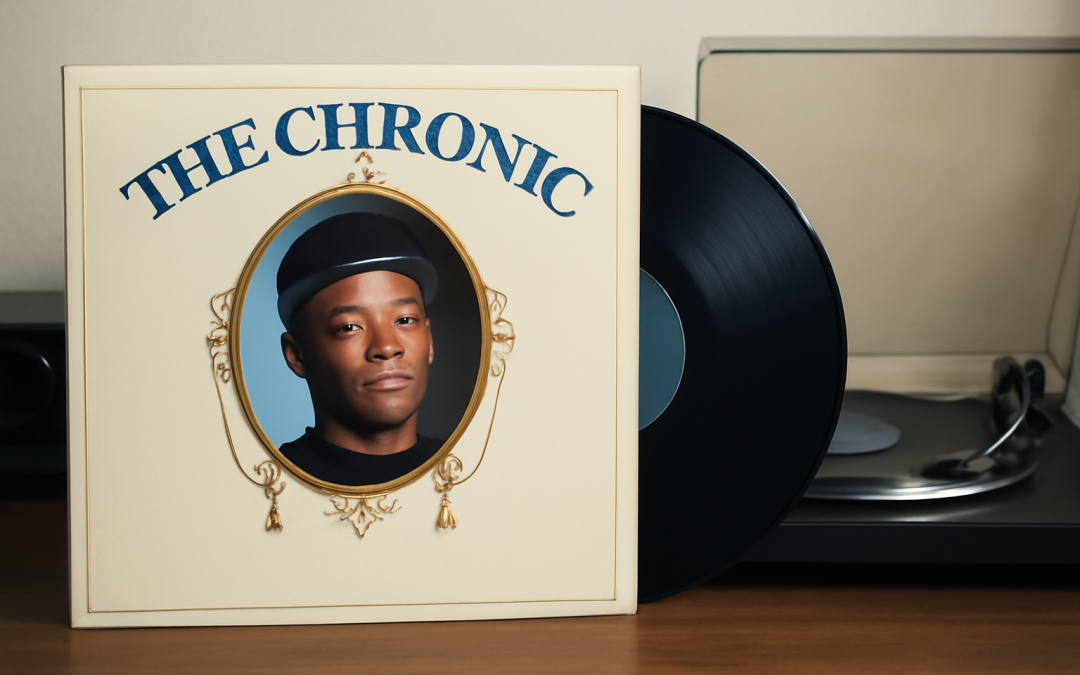
In the vast and varied tapestry of hip hop history, few projects have carried as much weight and influence as those emerging from the West Coast scene. This region, with its sun-soaked streets and gritty realities, fostered a sound distinct from the East Coast’s boom-bap or the Southern drawl, creating its own culture and style that resonated nationwide and beyond. A true blueprint for this movement, “The Chronic,” redefined the genre and laid the foundation for future artists who aspired to capture the essence of West Coast life. The Chronic review not only represents a critique of an album but an exploration of an era, a culture, and an undeniable legacy.
Released in the early ’90s, “The Chronic” stood out not just for its sonic innovation but also for its bold storytelling and production techniques. Dr. Dre, the mastermind behind the project, was already respected for his work with N.W.A., but this solo debut took his vision to new heights. The album’s production embraced the lush, synthesized beats of G-funk while weaving in funk samples from artists like Parliament-Funkadelic. This fusion generated a smooth yet hard-hitting soundscape that perfectly mirrored the lifestyle and struggles of its creators. From the opening track, listeners are drawn into a world that feels simultaneously laid-back and charged with energy.
One of the most remarkable aspects of this project is how it captured the complexities of West Coast urban life. The Chronic review cannot ignore the way the lyrics mirror the social and political climate of the time—addressing issues like police brutality, gang violence, and systemic inequality. Tracks such as “Nuthin’ but a ‘G’ Thang” and “Let Me Ride” not only provide unforgettable hooks and catchy rhythms, but also highlight a culture trying to assert itself amid adversity. The lyrical content speaks to both the aspirations and frustrations of a generation seeking to make sense of their environment through music.
The Chronic’s influence extends far beyond its immediate commercial success. Its production style became a blueprint for countless artists and producers who sought to emulate its fusion of heavy basslines, melodies, and funk samples. Dr. Dre’s use of layered instrumentation, particularly the incorporation of synthesizers and background vocals, set new standards for quality and creativity in hip hop production. This evolution of sound helped propel West Coast rap into mainstream consciousness and sparked new collaborations and rivalries that shaped the genre for years.
Beyond just Dr. Dre’s prowess as a producer, the album introduced audiences to an impressive roster of collaborators who would also go on to shape hip hop culture. Snoop Dogg’s debut presence on this album arguably launched one of the most iconic careers in rap history. His laid-back flow and charismatic delivery on tracks like “Gin and Juice” were already distinct, but combined with Dre’s production, it created a listener experience that was both fresh and timeless. This partnership exemplified the collective spirit behind much of West Coast hip hop’s rise—an interdependent community whose members pushed one another to innovate.
The Chronic review also highlights the album’s visual and cultural impact. The cover art, designed with a photographic style reminiscent of a Blaxploitation movie poster, immediately set a tone of defiance and coolness. This imagery became synonymous with the West Coast lifestyle that Dre and his peers sought to portray. The music videos accompanying the singles further reinforced this narrative, showcasing the beaches, cars, and street scenes familiar to the album’s audience. This integration of music and visual storytelling played a key role in establishing the identity of a regional hip hop culture.
One cannot examine the significance of this album without acknowledging the controversy it sparked. The explicit lyrics and unapologetic depiction of street life drew sharp criticism from various media and political figures, who feared the glorification of violence and misogyny. Yet, this pushback only underscored the authenticity of the work. The Chronic review shows us that these themes were not meant to sensationalize but to depict reality from a specific perspective. In a world saturated with sanitized narratives, the album’s raw honesty struck a chord with listeners who felt unseen or unheard elsewhere in popular culture.
Moreover, the album’s layered storytelling goes beyond surface-level bravado. Beneath the beats and hooks lies a reflective examination of identity, ambition, and resilience. The Chronic review reveals how the tracks often navigate between celebration and caution, between the allure of wealth and the dangers inherent in the paths taken to achieve it. This complexity grants the album a timelessness, allowing new generations of fans to find relevance despite changing cultural landscapes. The emotions and experiences conveyed are not confined to a moment but echo the broader human struggle for respect and self-determination.
In the broader context of hip hop’s evolution, The Chronic represents a turning point. It helped cement Los Angeles and the surrounding areas as major hubs for rap music, challenging the dominance of New York’s scene. The album’s success proved that regional sounds could translate to a national and even global audience without losing their unique flavor. This democratization of hip hop was essential in fostering the genre’s growth into the multi-faceted powerhouse it is today. The chronic review shows how this album’s legacy can be heard in the beats of countless artists who followed, carrying pieces of its DNA into new musical frontiers.
Production values on this album were meticulously crafted, setting a benchmark for the industry. Dr. Dre’s attention to sonic detail created a clear, potent listening experience that balanced vocals and instrumentation impeccably. The spacious mixes allowed for both lyrical clarity and instrumental richness, something not always achieved in hip hop at the time. This flawless production elevated the material and earned The Chronic enduring praise from critics and producers alike. The review of this album underscores how its technical aspects contributed significantly to its artistry and appeal.
Additionally, the narrative arc across the album’s tracks creates a consistent thematic journey. The sequencing invites listeners to move through different moods and environments, from party anthems to introspective moments. This cohesion adds to the sense that the album is not just a collection of singles but a complete work with artistic integrity. Each song builds on the others, reinforcing motifs of pride, struggle, and the celebration of community. This conceptual approach to album-making set a precedent for future releases in hip hop and other genres.
The Chronic also had a profound impact on the sociocultural landscape beyond music. It played a part in shifting perceptions about West Coast urban communities, offering an insider’s perspective that challenged mainstream stereotypes. By giving voice to the everyday realities of people often marginalized in society, the album contributed to a broader conversation about race, class, and opportunity in America. Its artistic success helped validate hip hop as a serious cultural form capable of expression and influence beyond entertainment alone.
Listening to The Chronic today remains a powerful experience, revealing nuances that might be missed by casual listeners. The layers of lyrics, sounds, and moods invite repeated engagement and deeper interpretation. The chronic review points to the album’s status as a classic not only for historical reasons but because it continues to resonate artistically and emotionally. As hip hop has evolved, treasuring foundational works like this ensures that the roots and origins of the genre’s diversity remain visible and appreciated.
Ultimately, this album is a testament to the power of vision and perseverance. Dr. Dre’s ability to channel personal and collective experience into a coherent and innovative project underscores the potential of music to transcend barriers. The Chronic review affirms that this album’s influence extends through generations, inspiring countless artists to explore their own voices while respecting the groundwork laid before them. It stands as a milestone not only in West Coast hip hop but in the broader narrative of music history.
In conclusion, the legacy of this project lies in its multifaceted contribution to music, culture, and societal discourse. Its groundbreaking production, compelling narratives, and cultural authenticity combined to create an enduring blueprint for West Coast hip hop. The Chronic review highlights how this album continues to inspire, challenge, and reflect both the spirit of an era and the timeless qualities of great art. For those who seek to understand hip hop’s evolution, it remains an essential touchstone—and a masterclass in how music can shape and define a movement.