
by admin | Sep 3, 2026 | Art & Design
Every creation begins with a question—a need, a challenge, or an obstacle—that demands a resolution. Design, in its essence, is the act of addressing these questions through intentionality and creativity. This perspective unveils design not merely as an aesthetic pursuit or a means of decoration, but as a disciplined process rooted in problem solving. Whether crafting a product, shaping an experience, or constructing a system, designers engage deeply with complex issues, seeking solutions that balance functionality, usability, and desirability.
At its core, design functions as a bridge between a defined problem and an effective solution. The process initiates by understanding the nature of a problem in its fullest context. This requires empathy—genuine insight into the needs, desires, and constraints faced by those affected. Designers immerse themselves in the user’s environment, gleaning information from observation, interviews, and data to uncover hidden pain points or unarticulated needs. This investigative phase is crucial because it forms the foundation upon which meaningful and relevant solutions can be built.
Once the problem space is well understood, ideation begins. This stage involves generating a wide array of potential approaches to address the identified challenges. Creativity and rational thinking merge, allowing designers to explore various possibilities without premature judgment. The breadth of ideas ensures a thorough exploration of the problem, increasing the likelihood of innovative breakthroughs. Importantly, this phase symbolizes a mindset shift—from simply reacting to problems toward proactively shaping ideas that can transform challenges into opportunities.
Prototyping is the next critical step in this problem-solving continuum. Here, concepts take physical or digital form, transitioning from abstract notions to tangible representations. Prototypes are not polished final products but experimental tools designed to test hypotheses and gather feedback. They serve as vehicles for learning, allowing designers and stakeholders to evaluate, iterate, and refine solutions quickly. This iterative process underscores design’s fundamentally experimental nature—solutions evolve through cycles of trial, error, and improvement until they effectively meet the underlying needs.
An essential aspect of design as problem solving lies in its interdisciplinary approach. Complex problems rarely exist within a single domain. Instead, they dwell at intersections—between technology and human behavior, form and function, cost and quality. Successful design involves synthesizing diverse perspectives, drawing knowledge from fields like psychology, engineering, business, and art. This holistic view enables designers to balance conflicting requirements and optimize outcomes across multiple dimensions, ensuring the solution is feasible, sustainable, and impactful.
Human-centeredness remains the guiding principle throughout this journey. The best solutions do not emerge solely from technical prowess but from a profound commitment to enhancing human experiences. This orientation requires continuous engagement with users, validating assumptions, and adapting strategies in response to real-world feedback. When empathy drives design decisions, the results are not only functional but also meaningful, generating emotional resonance and improving well-being. By prioritizing people above all, design elevates itself to a powerful tool for positive change.
In practical terms, design as problem solving translates into methodologies that prioritize clarity, iteration, and validation. Frameworks such as design thinking, user-centered design, and lean UX formalize this approach by providing structured processes for dissecting problems and developing solutions. These methodologies emphasize stages like defining the problem, ideating solutions, prototyping builds, and testing with users—each reinforcing the commitment to empirical learning and adaptability. Organizations employing these methods gain competitive advantages by rapidly responding to evolving challenges and user expectations.
Moreover, design’s problem-solving nature extends beyond tangible products to intangible systems and services. It tackles issues ranging from social inequities to environmental sustainability, applying similar principles to craft solutions that are equitable, efficient, and scalable. For example, urban planners might use design to solve traffic congestion problems, while healthcare innovators design patient-centered care pathways that improve outcomes. In such contexts, the complexity and stakes are higher, demanding even more rigorous analysis, collaboration, and iteration to achieve meaningful results.
Technology, as a constantly advancing frontier, has also expanded the scope and complexity of design challenges. Designers today operate in an environment where digital interfaces, data analytics, artificial intelligence, and interconnected devices shape user experiences. Solving problems within this digital landscape calls for agility and a deep understanding of emerging tools and user interactions. Balancing technological possibilities with ethical considerations presents a multifaceted challenge that demands both creative and critical thinking. In this regard, design acts as an ethical mediator, ensuring that technological innovations serve humanity rather than complicate or marginalize it.
One unavoidable truth about design as problem solving is that limitations and constraints are not hindrances but vital drivers of creativity. Resource scarcity, time pressures, technical restrictions, and cultural nuances force designers to think innovatively within boundaries. These constraints create a fertile environment where ingenuity thrives—encouraging the efficient use of resources and the discovery of elegant, often unexpected solutions. Overcoming constraints, therefore, exemplifies the problem-solving spirit fundamental to good design, demonstrating that boundaries do not devalue creativity but channel it productively.
Another dimension of design’s problem-solving role lies in its ability to communicate solutions effectively. A solution must be understandable and usable by its intended audience, not just technically sound. Design decisions therefore encompass not only functionality but also clarity, accessibility, and emotional cues that guide user behavior. Visual hierarchy, typography, interaction patterns, and sensory feedback all play roles in bridging the gap between intention and experience. Through this communicative function, design transforms abstract solutions into lived experiences that feel seamless and intuitive.
Sustainability has increasingly become a critical concern within design problem solving. Responsible design addresses the environmental impact, social implications, and economic viability of solutions. Designers are challenged to think holistically about the lifecycle of their creations—from material sourcing to production, use, and end-of-life disposal. This expanded responsibility insists that solutions not only solve immediate problems but also minimize negative externalities and contribute positively to future generations. Such foresight embodies a problem-solving ethos that embraces complexity and interconnection rather than short-term fixes.
Reflecting on design as an iterative problem-solving process highlights the importance of resilience and adaptability. Solutions rarely emerge perfect on the first attempt; instead, they undergo continuous evolution in response to shifting circumstances, user needs, and technological advancements. This dynamic nature recognizes that problems and their contexts are in flux, requiring designers to remain flexible and open to ongoing learning. Embracing uncertainty and viewing failure as an opportunity for insight positions design as a resilient practice capable of responding to an ever-changing world.
Collaboration is another indispensable facet of this form of problem solving. Design rarely happens in isolation; it thrives within networks of diverse expertise and viewpoints. Inclusion of stakeholders—users, clients, engineers, marketers, and policymakers—enriches the problem understanding and diversifies solution possibilities. Such collaborative environments encourage transparency, shared ownership, and collective creativity, enhancing the quality and acceptance of outcomes. Through collaboration, design becomes a communal endeavor that harnesses the strengths of many to solve complex problems effectively.
In navigating the tension between innovation and practicality, design acts as a mediator that balances visionary ideas with achievable realities. Problems often demand solutions that push boundaries while respecting existing infrastructures, budgets, and user capabilities. This balancing act requires skills in negotiation, prioritization, and strategic thinking. Effective problem solving requires finding sweet spots where creativity meets implementation feasibility, ensuring that innovative concepts translate into practical benefits and sustainable results.
Education and training in design increasingly emphasize problem-solving skills over rote techniques. Developing abilities such as critical thinking, systems analysis, and user empathy prepares designers to tackle diverse and complex challenges. This shift reflects a broader acknowledgment that design’s value lies in its capacity to respond thoughtfully to real-world problems rather than adhering rigidly to stylistic trends or technical manuals. Cultivating a problem-solving mindset empowers designers to be agents of change, equipped to address emerging societal and technological needs with confidence and creativity.
Ultimately, design as problem solving is about transformation—turning abstract challenges into concrete improvements. It is a process that demands curiosity, rigor, creativity, and humility. The problems tackled through design shape human experiences, influence behaviors, and impact environments, making the discipline profoundly consequential. Recognizing design in this way elevates its role across industries and societies, highlighting the unique power of thoughtful problem solving to innovate, improve, and inspire.
In conclusion, understanding design as a form of problem solving enriches how the discipline is perceived and practiced. It centers the work around purposeful inquiry and human needs, guiding creators toward solutions that are not only functional but also meaningful and humane. This paradigm encourages continuous exploration and adaptation, fostering designs that are resilient, ethical, and impactful. By embracing the challenges inherent in real-world problems, design harnesses its full potential as a transformative force capable of shaping a better future.
by admin | Sep 2, 2026 | Art & Design
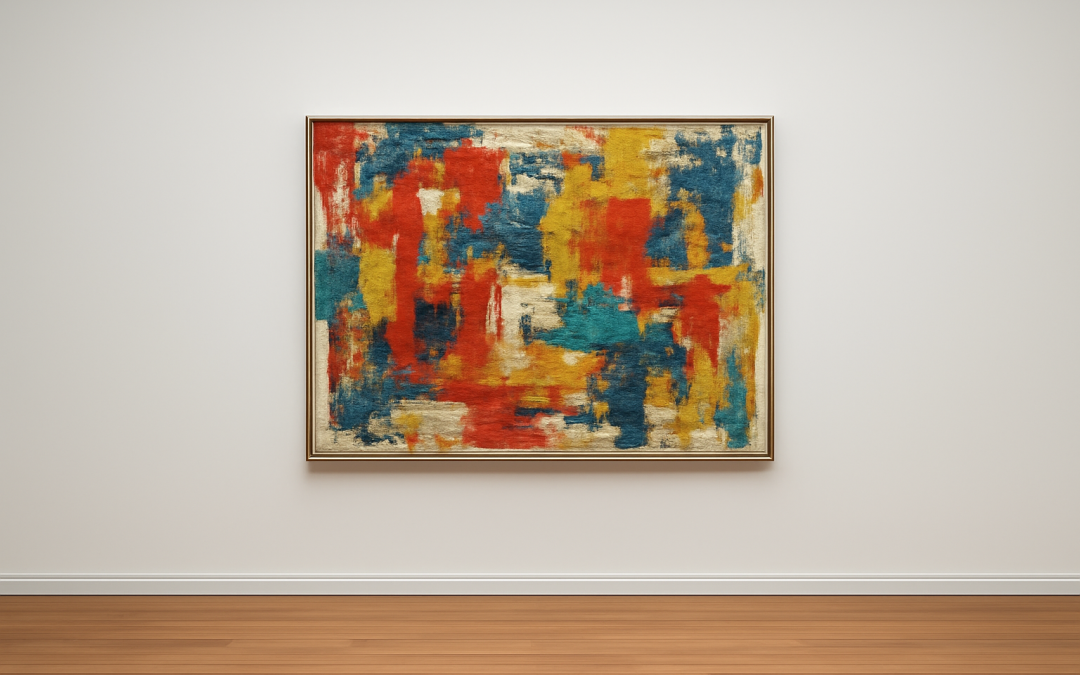
Art, in its purest form, exists beyond the confines of explanation. It speaks in a language that transcends words, inviting viewers to experience, interpret, and connect with it on a deeply personal level. The insistence on rationalizing or decoding every piece of art can sometimes limit its impact, reducing a vibrant, emotional encounter into a sterile, intellectual exercise. Instead, embracing art without explanation allows for a spontaneous and authentic engagement, where feelings, memories, and imagination intermingle freely. This form of interaction honors the artist’s intent to evoke rather than dictate meaning.
Throughout history, some of the most influential artistic movements and masterpieces have thrived because they resisted easy categorization or literal interpretation. Abstract expressionism, for instance, offers no clear blueprint for understanding; the chaotic brushstrokes of Jackson Pollock or the vivid color fields of Mark Rothko do not come with an instruction manual. These works compel the audience to bring their own experiences into the encounter. The absence of a prescribed narrative makes the experience of viewing the art something intimate and dynamic, changing with every person and moment.
The cultural habit of demanding explanation for art often stems from an educational framework that equates knowledge with understanding. While context, history, and technique can enrich appreciation, they should not override the personal resonance of the art itself. A landscape painting, for example, does not lose its power if the viewer has no prior knowledge about the artist’s biography or the era in which it was painted. The ability of the artwork to evoke serenity, nostalgia, or awe becomes the true measure of its success. This experiential dimension encourages viewers to dwell on the sensations and emotions the art elicits rather than focusing on intellectual validation.
In contemporary society, where rapid consumption of information is the norm, the pressure to decipher meaning quickly can diminish the patience needed to experience art fully. Many people approach art with a consumer mindset, seeking immediate clarity or a takeaway message. However, art without explanation invites a slower, more contemplative approach. It challenges audiences to sit with ambiguity, uncertainty, and sometimes discomfort. This process can open a doorway to deeper self-awareness and reflection, as the viewer projects their own psychological landscapes onto the artwork, making the experience unique to their identity.
Furthermore, the insistence on explanation often privileges certain cultural or academic perspectives, unintentionally marginalizing other voices. By demanding a particular understanding or interpretation, society can elevate some narratives while diminishing others. Conversely, allowing art to remain unexplainable levels the field, offering room for diverse interpretations. Indigenous art, folk art, and other non-Western forms often embody this open-endedness, inviting viewers into a dialogue that honors multiplicity rather than a singular authoritative reading. This aspect enriches the global art conversation and fosters inclusivity by recognizing the myriad ways art can resonate.
Artists themselves frequently resist thorough explanations as a way to preserve the magic and mystery of their creations. Explaining every element or symbol can feel reductive, potentially stripping the artwork of its evocative power. The creative act often emerges from subconscious impulses, fragmented memories, or instinctual responses rather than from a rational blueprint. Therefore, the need for formal interpretation might miss the core of what inspired the piece. When viewers accept this uncertainty, they respect the enigmatic quality that is often the heart of the artwork’s vitality.
The relationship between artist and audience is a significant factor in why some prefer to experience art without explanation. Art assumes a participatory role, inviting viewers to become co-creators in meaning-making. Without the constraints of an official explanation, each person can explore different facets of the work and develop personal narratives that resonate with their individual experience. This freedom yields a richer and more diverse range of emotional and intellectual responses, establishing a dynamic conversation rather than a fixed conclusion.
In many forms, such as music, dance, or abstract painting, the connection to meaning is inherently nonverbal. The emotional or sensory impact can be immediate and undeniable, yet elusive when put into words. To insist on explaining such works can be akin to translating a poem into a mathematical equation—something essential is lost in the process. The refusal to explain, or even the absence of an explanation, underscores the unique capacity of art to communicate aspects of the human condition that evade language. This sensory communication affirms a shared humanity that crosses linguistic and cultural boundaries.
Moreover, art without an explanation encourages active imagination and creativity from the viewer. When there is no prescribed meaning, the audience fills that emptiness with their interpretations, dreams, and associations. This open space fosters cognitive engagement as viewers consider possibilities, reflect on symbolism, or simply revel in the aesthetics of the piece. The artwork becomes a catalyst for personal growth and mental exploration, stimulating thought without demanding conformity to a fixed answer. Such experiences can lead to newfound insights about oneself and the broader world.
The marketing and commercialization of art also complicate the issue of explanation. In galleries and museums, wall texts and curator notes often frame how a work is understood, sometimes prioritizing market value or historical pedigree over emotional resonance. While context can be helpful, it can also impose limitations, guiding audiences toward predetermined interpretations that serve commercial or institutional interests. Art without explanation resists this commodification and reminds us that its primary value lies in the direct, unmediated experience—an encounter that is spontaneous, moving, and free from external agendas.
Social media, with its emphasis on quick impressions and viral content, has further accelerated the appetite for immediate explanation or judgment of visual media. In this landscape, art risks being skimmed over or reduced to a caption or hashtag. The carefully cultivated environment in which viewers can lose themselves in silent contemplation is often absent. Embracing art without explanation is a form of rebellion against this truncated consumption. It calls for slowing down, paying attention, and allowing the work to resonate in ways beyond surface appreciation or instant understanding.
At the same time, it is essential to acknowledge that some art benefits from or even demands explanation to reveal its depth. Narrative art, political art, or works deeply embedded in cultural symbols may require some contextual knowledge to grasp their full significance. However, prioritizing explanation should not overshadow the fundamental experience of engaging with the piece on an emotional or sensory level first. Explanation can be a complementary layer, an invitation to explore further once the viewer’s initial reactions have been respected. This sequence preserves the authenticity of the artistic experience while enriching it through contextual insight.
Children’s art is a vivid example of creativity that thrives without the burden of explanation. Young artists often produce works that are unexpected, dreamlike, or nonsensical to adult eyes. Yet their creations communicate feelings, stories, and visions in pure, unfettered ways. Adults’ attempts to impose explanations can sometimes dampen this spontaneity and creativity. By appreciating children’s artwork without demanding rational interpretations, we honor the instinctual and emotive power of art as a means of expression. This openness nurtures curiosity, imagination, and joy in the act of creation itself.
The therapeutic use of art also highlights the significance of experiencing art without explanation. In art therapy, the process of creating or engaging with art serves as a tool for emotional release and healing rather than intellectual analysis. Patients often depict feelings or experiences that are too complex or painful to describe verbally. Here, the value lies in expression and recognition, not in detailed explanation. Embracing art without explanation in therapeutic contexts underscores its ability to capture and communicate the ineffable, providing solace and understanding where words fail.
Philosophically, the notion that everything must be clearly defined and explained reflects a rationalist worldview that prioritizes logic over intuition or emotion. Art challenges this perspective by embodying ambiguity and paradox. It exposes the limits of language and the certainty of knowledge, reminding us that some aspects of life and human experience resist simplification. By accepting art as an encounter beyond explanation, one acknowledges the mysterious and sublime qualities that bring richness and depth to existence.
The digital age, with its proliferation of images and content, ironically calls for renewed appreciation for art that resists explanation. In a world saturated by visual stimuli, works that cannot be easily categorized or understood offer a refreshing pause. They create a space for quiet reflection amid the noise, encouraging viewers to slow down and notice details or emotional nuances. This mindful engagement with art without explanation becomes a form of resistance to fast-paced, superficial consumption, fostering deeper appreciation and connection.
Finally, the relationship between art and the ineffable speaks to spiritual or transcendental dimensions that often elude definitive description. Many artists draw from experiences or insights that are profoundly personal and beyond ordinary language. Their work serves as an invitation to glimpse these deeper realities without the intrusion of intellectual commentary. Art without explanation, therefore, can become a conduit for transcendent experience—a moment of awe, wonder, or unity with something greater than oneself.
In embracing art without explanation, viewers cultivate an openness to uncertainty and ambiguity, allowing personal meaning to emerge naturally. This approach not only respects the artist’s creative process but also enhances the richness of artistic engagement. It restores the mystery and magic that often fuels the passion for art and invites us into a more genuine encounter with creativity. Ultimately, it reminds us that art is not merely to be understood but to be experienced, felt, and lived.
by admin | Sep 1, 2026 | Art & Design
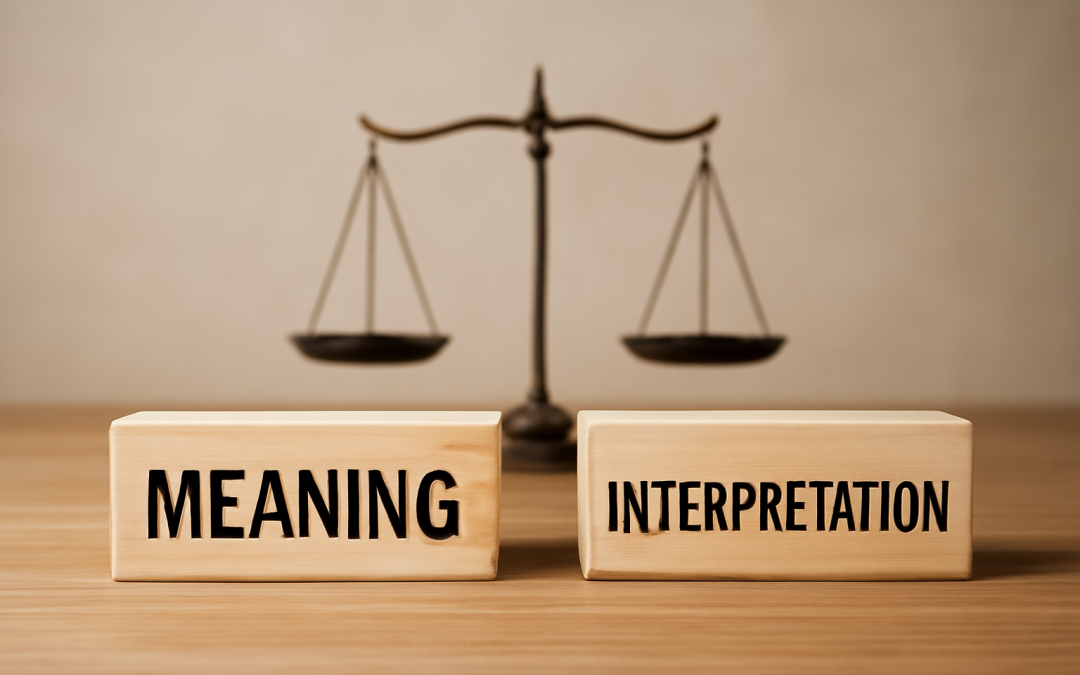
Understanding the subtle yet significant distinction between meaning and interpretation is essential for anyone engaging with texts, artworks, or any form of communication. These two concepts, while closely intertwined, serve different functions in the process of comprehension and response. Meaning typically refers to the underlying message or intent originally encoded by the creator, while interpretation involves the individual’s personal extraction or understanding of that message. This nuanced separation influences how we appreciate literature, art, cultural expressions, and even everyday conversations, shaping the way information is conveyed and received.
Meaning can be understood as the foundation or core significance embedded within a text or artifact. It is often rooted in the creator’s intended message, cultural context, and the specific language or symbols used. For example, in literature, an author chooses certain words, structures, and plot devices not randomly but to convey particular emotions, ideas, or themes. This intentionality behind the creation forms the “meaning,” the anchor point that grounds the work in a certain perspective or purpose. To access this meaning, one often must consider the historical background, the author’s personal experiences, and the conventional interpretations recognized by the culture of origin.
However, meaning is not always fixed or entirely accessible. Different authors and artists may create layers of meaning, some explicit and others implicit, requiring deeper analysis to unravel. This complexity ensures that meaning is multi-dimensional and not always readily apparent on the surface. Hence, even though meaning is considered something that pre-exists the audience’s encounter with the work, it is never fully divorced from the act of interpretation, which takes place in real time as an individual interacts with the piece.
Interpretation, on the other hand, is the dynamic process through which a recipient decodes, reconstructs, or responds to the meaning. It is subjective, varying greatly depending on the interpreter’s own experiences, cultural background, beliefs, and emotional state. Unlike meaning, interpretation often reflects a personalized engagement with the work, shaped by each reader’s or viewer’s unique lens. For example, one person reading a novel might interpret the protagonist’s journey as a metaphor for personal growth, whereas another might see it as a critique of societal norms.
This subjective nature of interpretation does not devalue the original meaning but rather enriches the dialogue between creator and audience. In fact, this interaction can produce multiple valid interpretations, highlighting the openness of texts and artworks to diverse understandings. The multiplicity of interpretations can contribute to a broader appreciation of the work and foster discussion that extends beyond the original scope envisaged by the creator.
The relationship between meaning and interpretation becomes particularly evident in fields such as literary criticism, art history, and cultural studies. For scholars and critics, the aim is often to bridge the gap between the intended meaning and the range of possible interpretations. Methods such as close reading, contextual analysis, and theoretical frameworks enable a deeper exploration of how meaning is constructed and how interpretation varies. This scholarly endeavor underlines that while meaning hopes to be stable or anchored, interpretation thrives on fluidity and multiplicity.
An interesting dimension to consider is how context influences both meaning and interpretation. Meaning, while theoretically anchored in intention, is contingent on cultural, temporal, and linguistic contexts. A symbol that holds certain significance in one culture or epoch may hold an entirely different meaning elsewhere or at a different time. Interpretation is even more sensitive to context because it relies on the interpreter’s individual circumstances. Language barriers, educational background, and even current social trends can shape how one interprets a work.
Considering meaning and interpretation in the realm of communication highlights another practical implication. Effective communication depends on the alignment of meaning (intended message) and interpretation (received understanding). Miscommunication often arises when these two diverge significantly. For instance, a speaker’s intended meaning might be clear to them but misinterpreted by the listener due to differences in context, knowledge, or assumptions. This gap can lead to misunderstandings or conflict, emphasizing the importance of considering both aspects in communication strategies.
In law, meaning and interpretation also play crucial roles, especially in the application of statutes and legal documents. The meaning of a law often lies in the precise wording and legislative intention. However, judges and jurists must interpret its application in diverse and unforeseen situations. Here, interpretation is legally guided but remains a balancing act between the original meaning and current societal needs. The debate around originalism versus living constitutionalism in jurisprudence exemplifies the tension between fixed meaning and evolving interpretation.
The arts provide another fertile ground for exploring meaning versus interpretation. In visual art, the artist’s meaning might be rooted in an intended expression, thematic concept, or social commentary. Yet, viewers bring their own experiences and emotions into the act of interpretation, sometimes seeing interpretations vastly different from or even contradictory to the original meaning. This phenomenon underscores the richness of art as a communicative medium, simultaneously holding a core meaning and inviting openness to interpretation.
The evolution of postmodern thought further complicates the distinction by often emphasizing interpretation as overriding fixed meaning. Postmodernism questions the notion of singular, authoritative meanings and promotes the idea that texts and artworks are sites of multiple, competing interpretations. This philosophical shift has encouraged readers and audiences to embrace subjective readings as legitimate and has blurred the lines traditionally drawn between meaning and interpretation. While not denying the existence of intended meaning, postmodernism highlights the active role of the interpreter in creating meaning through interpretation.
In educational settings, this dynamic between meaning and interpretation is crucial for teaching critical thinking and analytical skills. Students are often encouraged to look beyond surface meanings and engage in interpretation, considering various perspectives and contexts. This helps develop a deeper understanding and appreciation of texts or issues, moving from passive reception of information to active engagement. Teachers emphasize that understanding the difference between meaning and interpretation can lead to more nuanced discussions and thoughtful critiques.
Moreover, the digital age has further transformed how meaning and interpretation play out in communication. Social media platforms, with their brevity and rapid exchange of ideas, amplify the diversity of interpretations while sometimes obscuring original meaning. Memes, hashtags, and viral contents are rapidly interpreted and reinterpreted, often detaching from the creator’s initial message. This phenomenon reveals how meaning can become fluid, and interpretation can spread across diverse audiences, morphing in the process.
Language itself inherently embodies the tension between meaning and interpretation. Words carry denotative meanings but often require interpretation to grasp connotations, nuances, and implied messages. Sarcasm, irony, metaphor, and other rhetorical devices depend on the receiver’s interpretative skills to uncover meanings beyond the literal. This illustrates that, even in everyday communication, the process of interpretation is indispensable for fully understanding meaning.
Philosophically, the exploration of meaning and interpretation intersects with questions about truth, reality, and knowledge. Semantics, hermeneutics, and semiotics are disciplines that explore how meaning is constructed and communicated, and how interpretation factors into understanding. Philosophers like Gadamer have argued that interpretation is not merely a passive activity but an active process involving a dialogue between the past (meaning) and present (interpreters). This fusion of horizons results in new understandings that respect the original meaning while acknowledging contemporary perspectives.
Ultimately, recognizing the difference between meaning and interpretation empowers individuals to engage more thoughtfully with information and creative works. It fosters humility, acknowledging that one’s interpretation is just one among many possibilities and that the original meaning may be more layered than initially apparent. This awareness encourages open-mindedness, critical dialogue, and a richer appreciation of human communication and expression.
Whether analyzing a poem, decoding a political message, or appreciating a work of art, the interplay between meaning and interpretation shapes the encounter. Meaning provides a starting point, a reference to the intended message or significance embedded by the creator. Interpretation breathes life into that meaning, allowing it to evolve through each individual’s perspective and moment in time.
In conclusion, while meaning and interpretation are closely connected, they play distinct roles in the process of understanding. Meaning represents the intended or inherent message encoded by the creator, influenced by specific contexts and conventions. Interpretation is the personal, often subjective, process through which individuals engage with that meaning, drawing from their own experiences and frameworks to reconstruct the message. Both are indispensable: meaning grounds communication, while interpretation expands and personalizes it. The dance between these two elements enriches human expression and comprehension, enabling complex, nuanced interactions with texts, art, and communication in all forms.
by admin | Aug 31, 2026 | Art & Design
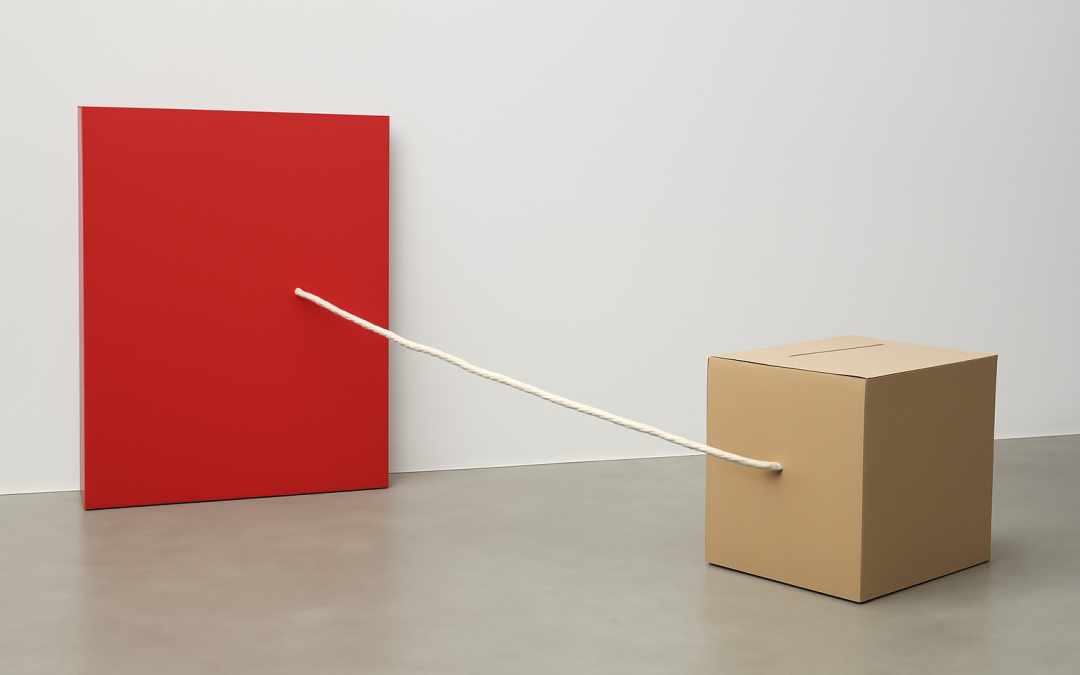
Conceptual art is often perceived as an obscure and difficult-to-understand movement, cloaked in complex language and ideas that can alienate many viewers. Yet, at its core, it is a form of creative expression that centers on ideas rather than traditional aesthetic or technical skills. The essence lies not in the finished object itself but in the concept that drives it. This approach shifts the focus from what is visually present to what it means, inviting viewers to engage intellectually and emotionally with the work on a different level. By stripping away unnecessary jargon, it becomes clear that conceptual art is simply about using creativity to explore and communicate ideas in novel ways.
Traditional artwork typically prioritizes visual beauty or craftsmanship, but conceptual art challenges and redefines these notions. Instead of producing an image or sculpture meant solely for admiration, artists use various media including text, performance, and installation to explore thoughts, questions, or social issues. This movement emerged in the 1960s as artists began to push against the limitations of painting and sculpture, seeking new avenues for expression. They wanted to emphasize that art could be more than just something pleasing to the eye; art could be a way to provoke thought, challenge norms, or highlight overlooked realities.
One of the central ideas in conceptual art is that the idea behind the artwork holds more significance than the physical object itself. This principle means that the tangible piece is often secondary or even unnecessary, as the key lies in understanding the thought process or the message being conveyed. This can be confusing for those accustomed to traditional art forms, where the value is often linked to skill or aesthetics. However, conceptual artists invite viewers to consider the “why” rather than just the “what”—asking them to reflect on the meaning, context, or implications of the work.
Artists working within the conceptual art framework frequently use language itself as a tool. Text might be used to pose a question, state a concept, or describe an idea. This can transform a gallery space into a kind of dialogue between the artist and audience, where the words or instructions become art in itself. Sometimes, conceptual pieces include instructions for viewers or performers, turning the experience into an interactive event. This blurs the boundaries between artist, artwork, and audience, making the creative process communal and dynamic rather than static.
One famous example of this approach is the work of Sol LeWitt, whose drawings often consisted of simple instructions that anyone could follow to recreate the piece. This method emphasized the idea over the execution and questioned traditional notions of authorship and originality. His work demonstrated that art could exist purely as a set of ideas communicated through language and action. By focusing on instructions, LeWitt shifted the artistic value from the physical mark on paper to the concept that generated those marks.
Another important aspect of conceptual art is its tendency to engage with social, political, or philosophical themes in a direct way. Unlike art meant simply to decorate or entertain, conceptual works often confront viewers with challenging questions or uncomfortable truths. By using everyday objects or recognizable symbols, artists draw attention to cultural assumptions or systemic issues, encouraging viewers to reconsider their perspectives. This facet of conceptual art makes it a powerful tool for critique and change, extending its reach beyond galleries into broader conversations.
The materials used in conceptual art are as varied as the ideas they represent and often include nontraditional objects or media. Artists may work with photographs, found objects, video recordings, or even spaces and sounds. The choice of material is dictated not by artistic convention but by what best suits the idea being explored. This flexibility allows conceptual art to adapt and evolve, remaining relevant across different contexts and times. It also democratizes art by demonstrating that creativity and meaning do not rely on expensive materials or classical training.
Conceptual art’s emphasis on interpretation means that the experience of the viewer is fundamental to the artwork’s existence. Meaning is not fixed or dictated wholly by the artist but is open to individual understanding and response. This participatory element can be liberating but also daunting, as it demands an active engagement rather than passive consumption. The viewer’s personal insights, background, and imagination become part of the work’s life. This dynamic relationship fosters a deeper connection where art serves as a catalyst for thought and conversation rather than simply an object to be admired.
Despite its intellectual nature, conceptual art does not have to be inaccessible or pretentious. At its best, it communicates complex ideas in straightforward ways by focusing on clarity of message rather than artistic mystique. The use of simple language and everyday imagery can make profound statements without alienating audiences. This approach invites curiosity and encourages exploration, allowing people from all knowledge levels to engage with important concepts. By removing jargon, conceptual art becomes a universal language that speaks to shared human experiences.
Critics who dismiss conceptual art often do so because they expect art to follow traditional rules about beauty or technique. Conceptual art disrupts these expectations and invites viewers to redefine what art can be. In challenging established conventions, it expands the possibilities for creative expression and opens doors to innovative thinking. Instead of rejecting the movement outright, it helps to embrace its principles as a call to look beyond appearances and appreciate art as a way of thinking and questioning.
Conceptual art also intersects with philosophy and language in interesting ways, drawing on ideas from thinkers like Ludwig Wittgenstein, who explored how words relate to meaning. This philosophical dimension can enrich the understanding of conceptual works without making them overly complex. Both art and philosophy invite people to grapple with abstract ideas, and conceptual artists use this synergy to foster dialogue about existence, identity, perception, and communication. Again, clear explanations and approachable concepts ensure that these explorations remain accessible rather than obscure.
In contemporary art, the influence of conceptual art remains strong, with many artists continuing to prioritize ideas and messages over form. Technologies like digital media, social platforms, and interactive installations offer new tools to communicate concepts in diverse and innovative ways. This ongoing evolution shows that conceptual art is not a closed chapter but a living practice that adapts to changing cultural and technological landscapes. It remains a vibrant field for expressing values, questioning realities, and imagining alternatives.
Understanding conceptual art without jargon opens up a rich and rewarding world where creativity meets critical thought. It invites everyone to participate in the creative conversation, emphasizing that art is not just for specialists or collectors but for all who are curious and willing to engage. By focusing on ideas rather than appearances, it allows art to speak directly to our minds and hearts, making us reflect on the world and our place within it. When approached with openness, conceptual art becomes not a puzzle to be solved but a doorway to new perspectives.
Ultimately, conceptual art challenges us to think deeply about what art is and what it can do. It reminds us that art is not confined to galleries or masterpieces but lives in ideas, dialogues, and experiences. This realization can enrich our appreciation of creativity in daily life and encourage us to find inspiration in unexpected places. By removing jargon and embracing simplicity, conceptual art becomes a powerful tool for connection, understanding, and transformation, inviting everyone to become part of its ongoing story.
by admin | Aug 30, 2026 | Art & Design
Formalism is a complex concept that permeates various fields such as literature, art, philosophy, and even law. At its core, formalism emphasizes the importance of structure, form, and intrinsic elements over external context or content. By focusing on the internal features of a subject rather than its background or historical setting, formalism offers a distinctive approach that highlights how meaning is constructed within the work itself. Understanding formalism can initially seem daunting, but breaking it down into its fundamental principles reveals why it remains influential and relevant.
In the realm of literature, formalism is a critical approach that prioritizes the analysis of narrative techniques, language, style, and literary devices. Unlike approaches that concentrate on author biography, historical circumstances, or societal implications, formalism insists that a work of literature holds its meaning primarily through its form. This means that poems, stories, and plays should be examined for their structural components—such as meter, rhyme, plot, and symbolism—rather than for the personal experiences or political beliefs of the author. A formalist critic might, for instance, analyze how a Shakespearean sonnet follows a specific rhyming pattern and uses metaphor, focusing on how these elements create meaning and evoke emotions in readers.
Central to formalism is the belief that the value and significance of a work can be discovered through close reading and detailed examination. This approach encourages readers and critics to pay meticulous attention to language, including syntax, diction, imagery, and tone. By doing so, they uncover multiple layers of meaning encoded within the text itself. Formalists argue that through this lens, literature becomes a self-contained system where form and content are inseparable. In this sense, understanding how a story is told is just as important as what that story is about. For example, the repetition of certain motifs or the arrangement of scenes in a non-linear fashion can shape a reader’s interpretation and the emotional impact of the piece.
Formalism’s origins can be traced back to the early 20th century, particularly to Russian formalism, a movement that revolutionized literary studies. Scholars such as Viktor Shklovsky and Roman Jakobson argued that literature should be studied based on its specific literary devices and artistic techniques, rather than its themes or social context. They introduced the idea of “defamiliarization,” the concept that literature’s role is to make the familiar seem strange or new again. This is achieved by using language and structure in ways that disrupt ordinary perception, compelling readers to engage more deeply with the text. This shift away from context and towards intrinsic qualities influenced not only literary criticism but also other artistic disciplines.
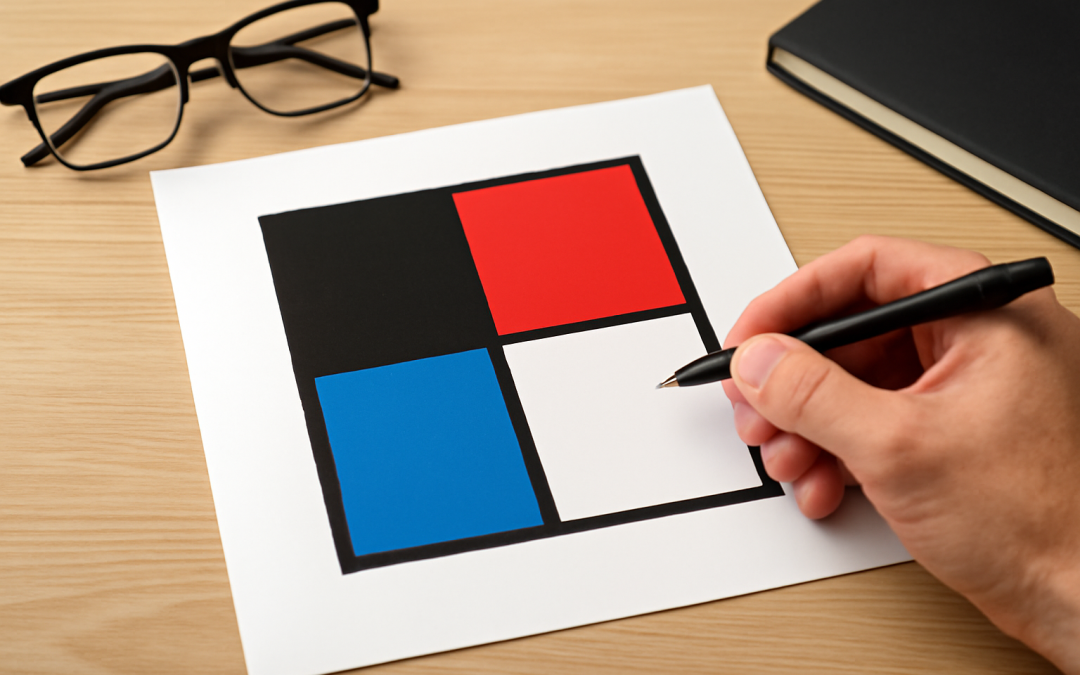
In criticism and theory, formalism extends beyond literature into the visual arts, where it similarly emphasizes elements like shape, line, color, composition, and technique. Rather than viewing an artwork through its historical background or the artist’s personal intentions, formalist analysis focuses on how these formal qualities interact to produce meaning and aesthetic experience. For instance, a formalist art critic might study a Picasso painting by examining the geometric forms, brushstrokes, and color contrasts, interpreting how these aspects contribute to the overall effect of the artwork. This approach encourages viewers to immerse themselves fully in the visual language of the piece, appreciating its design and craftsmanship apart from contextual factors.
Formalism also has significant implications in philosophy, particularly aesthetics—the branch concerned with the nature of beauty and art. Philosophers who adopt a formalist stance argue that beauty is not dependent on external references, moral lessons, or emotional reactions rooted in personal history. Instead, beauty arises from the harmonious arrangement of forms, balance, symmetry, and proportion. This view posits that art should be judged on its ability to fulfill its formal criteria, creating unity and coherence within its own framework. Consequently, understanding formalism is essential to grasp debates about what constitutes art and how it should be evaluated objectively.
One of the strengths of formalist analysis is its ability to highlight craftsmanship and technique, fostering appreciation for artistic skill and innovation. By shifting the focus away from external factors, formalism invites critics and audiences to engage with a work on its own terms. This can lead to new discoveries about the artist’s methods and insights into how meaning is constructed through form. Moreover, formalism’s insistence on close reading and detailed study encourages precision in interpretation and prevents overly simplistic or reductive readings based solely on external context or ideology.
However, formalism also faces criticism for its exclusion of historical, cultural, and social contexts from analysis. Critics argue that by isolating a work from its background, formalism can overlook important influences that shape meaning. For instance, understanding the historical circumstances in which a novel was written can illuminate its themes and characters in profound ways. Additionally, some believe that formalism risks treating artworks as closed systems, ignoring the dynamic ways in which audiences bring their own experiences and interpretations to a work. These critiques have led to the development of other literary and artistic theories that seek to balance formal analysis with contextual understanding.
Despite its limitations, formalism remains a valuable tool in the critical toolbox. It teaches readers and viewers to pay close attention to details often overlooked in casual engagement with art or literature. This meticulous focus often uncovers complexities and nuances that enrich understanding and enjoyment. In education, formalism serves as an effective means for teaching students how to analyze texts and artworks independently, equipping them with skills to appreciate the mechanics behind artistic creation. From dissecting poetic structures to studying visual composition, formalism offers a systematic approach that enhances critical thinking.
In addition to its applications in literature and art, formalism also plays a role in legal theory. Legal formalism centers on interpreting laws and legal texts based on their literal wording and established rules, rather than on broader social considerations or potential outcomes. Proponents argue that this approach ensures consistency, predictability, and fairness in judicial decisions by adhering strictly to the letter of the law. Opponents contend that rigid formalism can lead to unjust results when it ignores the broader context and purpose of a legal provision. This ongoing debate highlights the tensions between form and meaning, rules and values, that formalism engages with beyond the arts.
Overall, formalism invites us to appreciate the intrinsic qualities of creative and intellectual works by focusing on how their elements are arranged and function. Whether analyzing the structure of a poem, the composition of a painting, or the literal wording of a legal document, formalism emphasizes the significance of form as a vessel of meaning. It challenges us to look beyond external factors and immerse ourselves fully in the work’s internal logic and design. This perspective sharpens our analytical abilities and deepens our engagement with the creations that surround us.
In summary, formalism is a multifaceted approach that values form and structure as key to understanding and interpreting works across disciplines. By honing attention on the details that make up a text, artwork, or legal code, formalism reveals layers of complexity that might otherwise remain hidden. Despite some criticisms, its emphasis on close study and detailed analysis ensures that form is never overlooked in the search for meaning. This focus not only enriches our experience but also underscores the artistry behind the creation, reminding us that how something is made is often inseparable from what it means.
by admin | Aug 29, 2026 | Art & Design
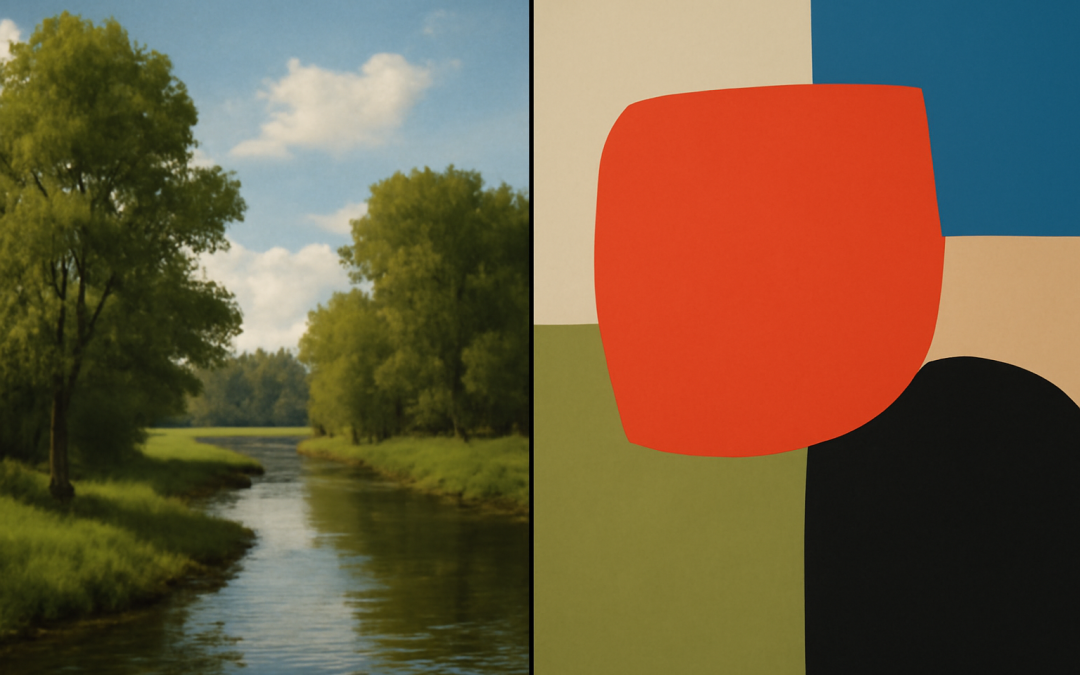
In the realms of art, philosophy, and design, the concepts of representation and abstraction frequently emerge as fundamental approaches to understanding and expressing reality. These two methods serve as distinct yet interconnected strategies for interpreting the world, each offering unique insights and challenges. Representation strives to depict subjects with fidelity to their observable features, aiming to mirror reality as closely as possible. Abstraction, by contrast, deliberately distances itself from the literal appearance, distilling essence, emotion, or conceptual aspects of the subject through symbolic, simplified, or non-literal forms. Understanding the nuanced differences and interplay between these methods enriches our appreciation of creative endeavors and broadens our cognitive engagement with various modes of communication.
Representation is often perceived as the faithful rendering of objects, scenes, or figures as they exist in the tangible world. This approach is deeply rooted in the human impulse to document and preserve the visual and conceptual truths of experience. From prehistoric cave paintings accurate enough to identify animal species, to Renaissance masterpieces teeming with lifelike detail, representational works invite viewers into shared spaces of recognition. These works emphasize clarity and precision, relying on visual cues that resonate with common reality. Through techniques like perspective, shading, and anatomical correctness, representation endeavors to create a believable illusion, guiding observers toward a unified understanding of the subject matter.
This commitment to fidelity does not imply that representational art or thought is devoid of interpretation or creativity. On the contrary, artists and thinkers often employ representation to highlight particular aspects, elicit specific emotions, or convey deeper narratives embedded within literal forms. However, the anchor remains the tangible, the verifiable, and the recognizable. In literature, for instance, representational storytelling hinges on realistic depictions of characters, settings, and events, which ground narratives in believable human experiences. In philosophy, representation can denote the depiction or symbolization of ideas or phenomena in ways that maintain a connection to their original referents in the physical or conceptual realm.
Abstraction, in contrast, breaks from the constraints of direct depiction. It prioritizes form, color, composition, or conceptual content over literal resemblance. The abstract artist or thinker distills experience to its fundamental qualities, aiming to evoke response or insight that transcends mere visual or factual accuracy. Abstraction emerged more prominently in the modern era when shifting cultural paradigms encouraged exploration beyond traditional boundaries. Movements such as Cubism, Abstract Expressionism, and Minimalism embraced the abstract as a means to explore perception, emotion, and the ontological nature of subjects in innovative ways.
The process of abstraction often involves simplification, fragmentation, or symbolic reinterpretation. By deconstructing familiar forms and reassembling them into unfamiliar configurations, abstraction invites viewers or readers to engage actively with meaning-making. It challenges conventional recognition and prompts an inward search for comprehension or connection. Rather than relying on a shared external reality as a guide, abstraction appeals to inner experiences, intellectual curiosity, and subjective interpretation. Its power lies in its universality and ambiguity, enabling diverse readings and emotional resonance regardless of cultural or temporal context.
In visual arts, abstraction can take myriad forms—from geometric shapes and dynamic brush strokes to nuanced color fields and textured surfaces. These elements stand apart from representational content yet communicate through rhythm, balance, and contrast. Similarly, in literature and philosophy, abstraction manifests as allegory, symbolism, metaphor, or theoretical frameworks that separate themselves from concrete particulars to address broader truths or principles. The abstraction in thought probes the essence of an idea, investigating underlying structures or relationships untouched by the distractions of detail.
Despite their seeming opposition, representation and abstraction are not absolute categories but points on a continuum that often overlap and inform one another. Many artworks or philosophies integrate elements of both to enrich complexity. A representational painting may subtly incorporate abstract forms to suggest emotion or movement beyond ordinary sight, while an abstract piece may retain faint traces of recognizable shapes lending it an anchoring reference. This hybridization reflects the inherent tension between capturing the external world and expressing internal realities, a duality central to human creativity.
Beyond the arts and philosophy, the distinction between representation and abstraction plays a pivotal role in domains such as computer science, cognitive psychology, and education. In computer graphics, for instance, representational modeling strives for photorealism, employing algorithms that simulate light, texture, and anatomy to mimic reality. Conversely, abstract modeling seeks simplified data structures or symbolic representations that optimize function or comprehension, like wireframe models or schematics that omit superfluous detail. Similarly, cognitive psychology explores how humans mentally represent information from the environment, balancing concrete sensory inputs with abstract concepts or schemas that facilitate flexible thinking and problem-solving.
In education, understanding the dynamics of representation and abstraction is crucial for effective teaching and learning. Representational techniques are often used to introduce new concepts by grounding them in familiar contexts, making the unfamiliar accessible and understandable. Once foundational knowledge is established, abstraction is introduced to encourage higher-level thinking, critical analysis, and the ability to generalize from specific instances. This graduated approach supports cognitive development and equips learners to navigate complex ideas and systems adeptly.
The philosophical debates around representation and abstraction also engage with fundamental questions about reality, perception, and knowledge. Representational theories of mind, for example, propose that mental states function as stand-ins or models for external reality, enabling interaction and understanding. Critics argue that such views may oversimplify consciousness or neglect the ways in which perception is active, interpretative, and constructed. Abstraction offers alternative perspectives that emphasize the constructive nature of cognition and the fluid boundaries between concept and experience.
Art and philosophy provide fertile ground for exploring how these concepts shape human understanding. Representational art often celebrates the visible world as a shared heritage, reinforcing collective memory and identity. Abstraction, in challenging direct visual or conceptual clarity, can serve as a form of resistance or exploration, questioning assumptions and expanding horizons. The tension between the two encourages dialogue between tradition and innovation, certainty and ambiguity, surface and depth.
Moreover, the tension between representation and abstraction reveals something profound about communication itself. All forms of communication, whether visual, verbal, or symbolic, involve a degree of representation—they stand for something else. Yet, every act of communication also abstracts elements of reality, selecting and shaping them to fit particular purposes, contexts, and audiences. This duality highlights the limits and possibilities inherent in our attempts to convey meaning and truth.
In contemporary culture, this interplay manifests vividly. Advertising often employs representational images to appeal to immediate recognition, while simultaneously incorporating abstract design elements to evoke mood or brand identity. Film and theater blend representational storytelling with abstract symbolism to create layered narratives and emotional depth. Even emerging technologies like virtual reality negotiate representation and abstraction to craft immersive environments that are simultaneously believable and fantastical.
Appreciating the nuances between representation and abstraction enhances critical engagement with art, media, and ideas. It encourages viewers and readers to consider not just what is depicted, but how and why it is presented in certain forms. Questions arise about the artist’s or author’s intention, the cultural context, and the viewer’s own interpretive framework. Recognizing this interplay fosters sophisticated literacy, equipping individuals to navigate a world saturated with images, symbols, and narratives.
In summary, representation and abstraction function as complementary methods for making sense of reality, each serving unique and vital roles in human creativity and cognition. Representation anchors us in a shared, observable world, facilitating recognition, memory, and communication grounded in commonality. Abstraction activates imagination, critical thinking, and emotional depth, inviting engagement with essence and possibility beyond literal constraints. Together, they form a dynamic dialectic that shapes how we perceive, interpret, and express the complex fabric of existence. Embracing the fluid boundary between these approaches opens avenues for deeper understanding and richer expression, illuminating the multifaceted nature of human experience.