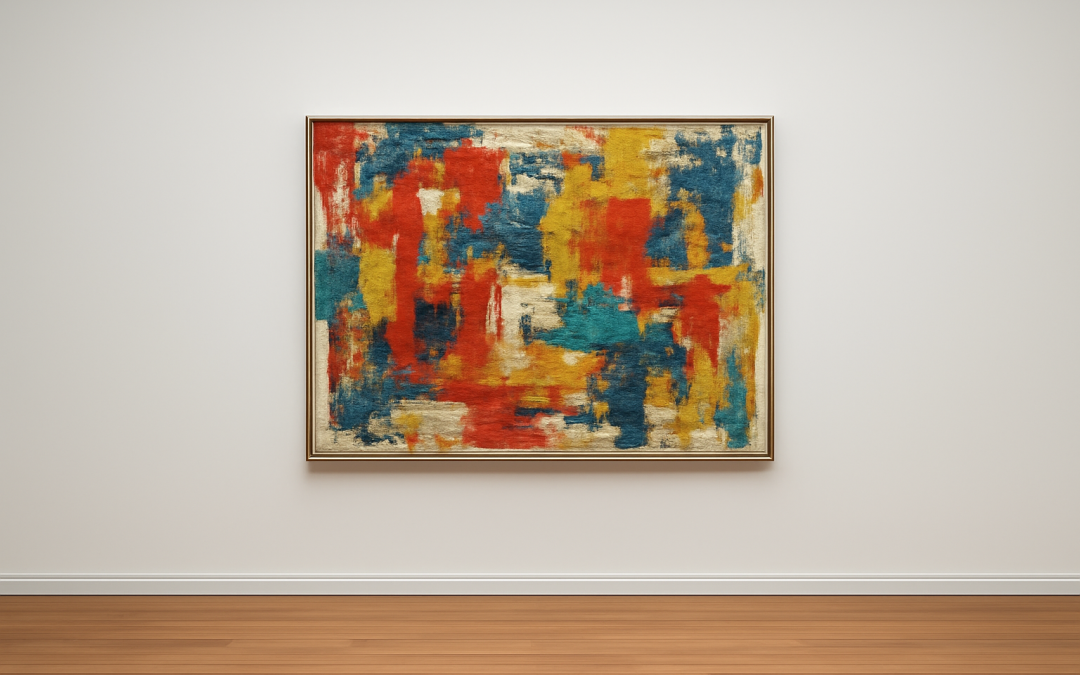
Art, in its purest form, exists beyond the confines of explanation. It speaks in a language that transcends words, inviting viewers to experience, interpret, and connect with it on a deeply personal level. The insistence on rationalizing or decoding every piece of art can sometimes limit its impact, reducing a vibrant, emotional encounter into a sterile, intellectual exercise. Instead, embracing art without explanation allows for a spontaneous and authentic engagement, where feelings, memories, and imagination intermingle freely. This form of interaction honors the artist’s intent to evoke rather than dictate meaning.
Throughout history, some of the most influential artistic movements and masterpieces have thrived because they resisted easy categorization or literal interpretation. Abstract expressionism, for instance, offers no clear blueprint for understanding; the chaotic brushstrokes of Jackson Pollock or the vivid color fields of Mark Rothko do not come with an instruction manual. These works compel the audience to bring their own experiences into the encounter. The absence of a prescribed narrative makes the experience of viewing the art something intimate and dynamic, changing with every person and moment.
The cultural habit of demanding explanation for art often stems from an educational framework that equates knowledge with understanding. While context, history, and technique can enrich appreciation, they should not override the personal resonance of the art itself. A landscape painting, for example, does not lose its power if the viewer has no prior knowledge about the artist’s biography or the era in which it was painted. The ability of the artwork to evoke serenity, nostalgia, or awe becomes the true measure of its success. This experiential dimension encourages viewers to dwell on the sensations and emotions the art elicits rather than focusing on intellectual validation.
In contemporary society, where rapid consumption of information is the norm, the pressure to decipher meaning quickly can diminish the patience needed to experience art fully. Many people approach art with a consumer mindset, seeking immediate clarity or a takeaway message. However, art without explanation invites a slower, more contemplative approach. It challenges audiences to sit with ambiguity, uncertainty, and sometimes discomfort. This process can open a doorway to deeper self-awareness and reflection, as the viewer projects their own psychological landscapes onto the artwork, making the experience unique to their identity.
Furthermore, the insistence on explanation often privileges certain cultural or academic perspectives, unintentionally marginalizing other voices. By demanding a particular understanding or interpretation, society can elevate some narratives while diminishing others. Conversely, allowing art to remain unexplainable levels the field, offering room for diverse interpretations. Indigenous art, folk art, and other non-Western forms often embody this open-endedness, inviting viewers into a dialogue that honors multiplicity rather than a singular authoritative reading. This aspect enriches the global art conversation and fosters inclusivity by recognizing the myriad ways art can resonate.
Artists themselves frequently resist thorough explanations as a way to preserve the magic and mystery of their creations. Explaining every element or symbol can feel reductive, potentially stripping the artwork of its evocative power. The creative act often emerges from subconscious impulses, fragmented memories, or instinctual responses rather than from a rational blueprint. Therefore, the need for formal interpretation might miss the core of what inspired the piece. When viewers accept this uncertainty, they respect the enigmatic quality that is often the heart of the artwork’s vitality.
The relationship between artist and audience is a significant factor in why some prefer to experience art without explanation. Art assumes a participatory role, inviting viewers to become co-creators in meaning-making. Without the constraints of an official explanation, each person can explore different facets of the work and develop personal narratives that resonate with their individual experience. This freedom yields a richer and more diverse range of emotional and intellectual responses, establishing a dynamic conversation rather than a fixed conclusion.
In many forms, such as music, dance, or abstract painting, the connection to meaning is inherently nonverbal. The emotional or sensory impact can be immediate and undeniable, yet elusive when put into words. To insist on explaining such works can be akin to translating a poem into a mathematical equation—something essential is lost in the process. The refusal to explain, or even the absence of an explanation, underscores the unique capacity of art to communicate aspects of the human condition that evade language. This sensory communication affirms a shared humanity that crosses linguistic and cultural boundaries.
Moreover, art without an explanation encourages active imagination and creativity from the viewer. When there is no prescribed meaning, the audience fills that emptiness with their interpretations, dreams, and associations. This open space fosters cognitive engagement as viewers consider possibilities, reflect on symbolism, or simply revel in the aesthetics of the piece. The artwork becomes a catalyst for personal growth and mental exploration, stimulating thought without demanding conformity to a fixed answer. Such experiences can lead to newfound insights about oneself and the broader world.
The marketing and commercialization of art also complicate the issue of explanation. In galleries and museums, wall texts and curator notes often frame how a work is understood, sometimes prioritizing market value or historical pedigree over emotional resonance. While context can be helpful, it can also impose limitations, guiding audiences toward predetermined interpretations that serve commercial or institutional interests. Art without explanation resists this commodification and reminds us that its primary value lies in the direct, unmediated experience—an encounter that is spontaneous, moving, and free from external agendas.
Social media, with its emphasis on quick impressions and viral content, has further accelerated the appetite for immediate explanation or judgment of visual media. In this landscape, art risks being skimmed over or reduced to a caption or hashtag. The carefully cultivated environment in which viewers can lose themselves in silent contemplation is often absent. Embracing art without explanation is a form of rebellion against this truncated consumption. It calls for slowing down, paying attention, and allowing the work to resonate in ways beyond surface appreciation or instant understanding.
At the same time, it is essential to acknowledge that some art benefits from or even demands explanation to reveal its depth. Narrative art, political art, or works deeply embedded in cultural symbols may require some contextual knowledge to grasp their full significance. However, prioritizing explanation should not overshadow the fundamental experience of engaging with the piece on an emotional or sensory level first. Explanation can be a complementary layer, an invitation to explore further once the viewer’s initial reactions have been respected. This sequence preserves the authenticity of the artistic experience while enriching it through contextual insight.
Children’s art is a vivid example of creativity that thrives without the burden of explanation. Young artists often produce works that are unexpected, dreamlike, or nonsensical to adult eyes. Yet their creations communicate feelings, stories, and visions in pure, unfettered ways. Adults’ attempts to impose explanations can sometimes dampen this spontaneity and creativity. By appreciating children’s artwork without demanding rational interpretations, we honor the instinctual and emotive power of art as a means of expression. This openness nurtures curiosity, imagination, and joy in the act of creation itself.
The therapeutic use of art also highlights the significance of experiencing art without explanation. In art therapy, the process of creating or engaging with art serves as a tool for emotional release and healing rather than intellectual analysis. Patients often depict feelings or experiences that are too complex or painful to describe verbally. Here, the value lies in expression and recognition, not in detailed explanation. Embracing art without explanation in therapeutic contexts underscores its ability to capture and communicate the ineffable, providing solace and understanding where words fail.
Philosophically, the notion that everything must be clearly defined and explained reflects a rationalist worldview that prioritizes logic over intuition or emotion. Art challenges this perspective by embodying ambiguity and paradox. It exposes the limits of language and the certainty of knowledge, reminding us that some aspects of life and human experience resist simplification. By accepting art as an encounter beyond explanation, one acknowledges the mysterious and sublime qualities that bring richness and depth to existence.
The digital age, with its proliferation of images and content, ironically calls for renewed appreciation for art that resists explanation. In a world saturated by visual stimuli, works that cannot be easily categorized or understood offer a refreshing pause. They create a space for quiet reflection amid the noise, encouraging viewers to slow down and notice details or emotional nuances. This mindful engagement with art without explanation becomes a form of resistance to fast-paced, superficial consumption, fostering deeper appreciation and connection.
Finally, the relationship between art and the ineffable speaks to spiritual or transcendental dimensions that often elude definitive description. Many artists draw from experiences or insights that are profoundly personal and beyond ordinary language. Their work serves as an invitation to glimpse these deeper realities without the intrusion of intellectual commentary. Art without explanation, therefore, can become a conduit for transcendent experience—a moment of awe, wonder, or unity with something greater than oneself.
In embracing art without explanation, viewers cultivate an openness to uncertainty and ambiguity, allowing personal meaning to emerge naturally. This approach not only respects the artist’s creative process but also enhances the richness of artistic engagement. It restores the mystery and magic that often fuels the passion for art and invites us into a more genuine encounter with creativity. Ultimately, it reminds us that art is not merely to be understood but to be experienced, felt, and lived.