
by admin | Oct 24, 2026 | Food & Beverage
Throughout history, the act of sharing an evening meal has served as much more than a simple means of nourishment. It has been a fundamental social ritual, a moment where individuals come together to connect, communicate, and create a sense of belonging. This daily practice, embedded in nearly every culture, functions as a binding force that fosters relationships, reinforces community, and perpetuates traditions. The communal dinner table, whether in homes, restaurants, or public gatherings, embodies the human need for interaction and shared experience.
Dinner as a social ritual represents a space where stories are exchanged, memories are made, and cultural identity is expressed. In many societies, the preparation and consumption of food carry symbolic meanings that extend beyond mere sustenance. Ritualistic elements—such as prayer, special seating arrangements, or the order in which dishes are served—give the meal a rhythm and significance that amplify its role as a social connector. For instance, in Mediterranean cultures, long, leisurely dinners emphasize conversation and camaraderie, making the meal an event that strengthens family and friendship bonds.
Furthermore, meal times provide an invaluable opportunity for intergenerational exchange. Around the table, wisdom flows from elders to youth, guiding values and social norms. Such interactions help forge a continuity of cultural heritage, ensuring that customs and traditions endure. This unique dynamic also offers a platform for learning healthy eating habits and manners, contributing to social development. Dinner, therefore, can be viewed as an educational and nurturing environment where social skills are honed within the comforting constraints of shared experience.
The significance of dinner as a social ritual extends into the shaping of community identity. In small towns and even large urban neighborhoods, communal dinners often serve as a means to celebrate collective achievements or mark important calendar events. Festivals, weddings, and holidays frequently revolve around shared meals, functioning as focal points of communal cohesion. These occasions transform ordinary dinner settings into powerful moments of unity, promoting social solidarity and collective joy. The act of breaking bread together symbolizes trust and mutual respect, vital components for maintaining social harmony.
In contemporary life, although fast food and on-the-go eating have increased, the importance of communal dinner remains resilient. Many families and groups continue to prioritize gathering at dinner to reconnect after busy days. Restaurants and dining establishments often facilitate this ritual by offering environments conducive to conversation and relaxation. The growing popularity of “family style” dining and communal tables in eateries exemplifies society’s enduring desire for shared food experiences. These social settings cater not only to satisfying appetites but also to cultivating friendships and networking opportunities.
Besides its social and cultural dimensions, dinner as a ritual holds psychological benefits. Engaging in regular communal meals has been linked to improved mental well-being. People who share dinner with family or friends report greater feelings of safety, belonging, and emotional support. It reduces feelings of isolation and promotes a sense of predictability in a fast-paced world. By providing a designated time and place for social interactions, this daily practice functions as an emotional anchor—a comforting routine that fosters resilience in the face of everyday stresses.
As societies become more diverse and globalized, the dinner table also serves as a venue for cultural exchange. Immigrant communities and multicultural families merge distinct culinary traditions, enriching the social fabric. Sharing food from different cultures at the dinner table fosters appreciation and understanding, breaking down barriers and promoting inclusiveness. This blending of traditions creates new rituals, underscoring the flexibility and adaptability inherent in the practice of dining together. It demonstrates how meals remain a powerful medium for dialogue and cross-cultural connections.
From a sociological perspective, mealtime rituals reinforce social hierarchies and roles. Seating arrangements, the etiquette observed, and the way food is served can all convey messages about respect, status, and authority. In formal dinners, these subtleties are especially pronounced, with carefully orchestrated protocols governing who speaks, who serves, and which dishes are considered prestigious. Even in informal settings, unspoken rules about sharing and turn-taking contribute to maintaining harmony and order. Thus, dinner as a social ritual not only connects individuals emotionally but also upholds societal structures.
The role of technology in modern dining experiences reflects an evolving landscape of social rituals around meals. While digital distractions sometimes inhibit face-to-face communication, technology has also created new ways to share meals socially, such as virtual dinners and online cooking classes. In a globalized world where families are frequently scattered across continents, video calls during dinner time help maintain social ties otherwise strained by distance. Though differing from traditional gatherings, these virtual rituals demonstrate the centrality of shared meals in human connection, regardless of format.
The sensory elements of dinner—aroma, taste, texture, and presentation—contribute deeply to its ritualistic meaning. The careful selection of ingredients and the aesthetic arrangement of dishes are acts of care and attention that honor the social occasion. Celebratory meals often involve special recipes prepared with intention and love, which elevate the event beyond routine consumption. The anticipation and enjoyment of a well-prepared meal facilitate mindfulness and presence, enriching social interaction by focusing attention on a shared pleasurable experience.
Moreover, dinner as a social ritual often becomes a platform for storytelling and oral traditions. The mealtime conversation nurtures narratives, jokes, and anecdotes that entertain and educate. These stories, passed from one generation to another or shared among friends, enhance social bonds and create a collective memory. The ritual space of the dinner table turns into a stage for cultural transmission, where history and personal identity are woven together with humor and empathy. This tradition of oral exchange strengthens interpersonal connections and helps maintain the continuity of community heritage.
Rituals surrounding dinner also serve to delineate time and create structure in daily life. The predictability of eating together at a certain hour anchors the day’s rhythm and provides a pause amid hectic schedules. This structuring aspect lends the meal a function beyond socialization—it marks transitions and offers moments for reflection. In ancient civilizations, the communal meal was often associated with religious or spiritual significance, underscoring the connection between routine, reverence, and community. In modern contexts, dinner rituals provide stability and a sense of order, reinforcing their enduring importance in human social life.
In family settings, regular dinners contribute to the development of identity and belonging. The shared experiences around the table nurture emotional bonds and create a sense of security. Children growing up with family meals tend to exhibit better emotional health, stronger communication skills, and increased academic success. The dinner table becomes a microcosm for family dynamics, where affection, discipline, and encouragement are displayed interactively. Such environments promote a sense of acceptance and support that is critical for personal growth and social competence.
The communal aspect of dinner is also crucial in healing and reconciliation processes. Sharing food has long been recognized as a gesture of peace and goodwill. In situations of conflict or estrangement, inviting others to a meal symbolizes an opening for dialogue and mutual understanding. The act of sitting down together to eat breaks down barriers, fosters empathy, and builds bridges. This social power of dinner as a healing ritual manifests across cultures and historical periods, highlighting its role in bridging divides and restoring relationships.
Economic dimensions influence dinner as a social ritual as well. Access to food and the ability to host shared meals impact social inclusion and community participation. In some areas, communal dinners organized by local groups or charities help reduce food insecurity while providing social support networks. Potlucks, community gardens, and food-sharing initiatives illustrate how dinner gatherings contribute to social equity. These practices highlight the intersection of nourishment, social connection, and communal assistance, reinforcing the multifaceted importance of shared meals.
Lastly, the evolving nature of lifestyles and family structures challenges traditional dinner rituals, prompting adaptations. Single-parent households, remote workers, and highly mobile populations may find communal dinners difficult to maintain. Yet, even in these varied circumstances, new forms of shared mealtime experiences emerge—whether through flexible timings, virtual gatherings, or informal meet-ups. The resilience of dinner as a social ritual reflects its foundational role in human life, adapting to contemporary realities while preserving its essence as a time for connection and care.
In sum, the dinner table remains a dynamic and potent setting for social interaction and cultural expression. Its role as a social ritual transcends food itself, embodying the principles of community, continuity, and emotional well-being. Through shared meals, individuals affirm their relationships, pass on traditions, and participate in the broader human story. The dinner ritual, with its rich blend of sensory pleasure, conversation, and symbolism, continues to be an indispensable aspect of social life, nurturing the ties that bind us together.

by admin | Oct 23, 2026 | Food & Beverage
Throughout human history, the concept of a midday meal has evolved alongside changes in culture, society, and technology. What we now consider a simple lunch has its roots deeply embedded in traditions that date back millennia. From the humble gatherings of early agrarian communities to the elaborate feasts of aristocrats and the bustling cafeteria trays of the modern world, lunch meals through history tell a fascinating story about human civilization and its relationship with food.
In ancient times, the idea of eating three distinct meals a day was not universal. Early hunter-gatherer societies ate when food was available, often consuming what they could hunt or gather throughout the day rather than at scheduled times. However, with the advent of agriculture around 10,000 years ago, food became more predictable, leading to established meal patterns. Early farmers likely divided their day between farming tasks and eating, with the midday meal serving as a necessary break to replenish energy for the remaining work.
The ancient Egyptians, Greeks, and Romans helped shape early meal patterns, including lunch. The Egyptians had a midday meal that was substantial but not the largest of the day, as their primary meal often came in the evening. Greeks, with their appreciation for balance and simplicity, typically ate a light midday meal called “ariston,” consisting of bread, olives, cheese, and occasionally fish or meat. In Rome, the “cena” was the main meal and usually took place in the late afternoon or early evening, but the midday “prandium” was also common, especially among the working class. Prandium was a relatively light meal, sometimes consisting of cold leftovers, fruits, and bread.
Across medieval Europe, the social and economic structures heavily influenced the timing and composition of meals. The day was divided broadly into two main meals: a small breakfast in the early morning and a large midday meal known as “dinner,” which was often the day’s primary occasion for eating. This midday feast typically included bread, pottage (a thick stew), vegetables, and occasionally meat or fish, depending on the household’s status and resources. Medieval monks and workers adhered to this pattern, reflecting the day’s natural rhythm of labor and rest.
The evolution of lunch in the Renaissance and early modern periods reflected the changes in dining customs, urbanization, and increased trade. As cities grew and work became more specialized, the need for a distinct midday meal during the workday became apparent. In France, the term “déjeuner” originally meant the first meal of the day, but by the 17th century, it began to signify what we now call lunch. Elaborate lunches became a hallmark of the French court and nobility, complete with multiple courses and fine wines. Meanwhile, the working-class population commonly consumed simpler fare: bread, cheese, and cold meats, often eaten on the go.
The Industrial Revolution greatly accelerated changes in lunch habits across Europe and North America. The shift from agrarian lifestyles to factory work created a necessity for workers to have a quick, portable midday meal that could be eaten in limited time. This era saw the rise of packed lunches, including meat pies, sandwiches, and hard-boiled eggs, which could be carried to factories or fields. Public eating places such as taverns and inns also offered affordable midday meals catering to workers, introducing standardized dishes like pies, stews, and broths.
Victorian England offers an insightful look at the social stratification of lunch during the 19th century. The upper classes enjoyed multi-course luncheons in opulent dining rooms, featuring soups, roasts, and desserts, often accompanied by conversation and fine wines. Middle-class families might have a sit-down meal around midday but with simpler and less elaborate dishes. For laborers and children, lunch was generally a quick meal, often consisting of bread, cheese, or cake brought from home or purchased at local shops.
The advent of the modern sandwich in the 18th century, attributed popularly to John Montagu, the 4th Earl of Sandwich, revolutionized lunchtime eating. This convenient invention made lunch more accessible and portable, enabling workers and travelers to eat efficiently without interrupting their tasks. Over time, the sandwich became an iconic lunch meal, evolving to include a vast variety of breads, fillings, and condiments across cultures.
By the early 20th century, lunch had begun to take on a more standardized form in many parts of the world, particularly in urban centers. The concept of the “lunch break” gained importance as labor laws improved workers’ rights to a respite during the workday. Restaurants, cafeterias, and lunch counters flourished, offering pre-prepared meals such as sandwiches, soups, pies, and salads for customers needing quick nourishment. In workplaces, the packed lunch remained popular, often including thermally insulated containers to keep food warm or cool.
Post-World War II society brought further innovations in lunch culture. The rise of consumerism and fast food in the mid-20th century had a profound impact on how people ate. The growing popularity of convenience foods and the automobile enabled greater flexibility in dining. In the United States, the standardization of lunch menus and the introduction of fast-food chains made lunch an experience that mixed speed, accessibility, and uniformity. The iconic lunchbox with a thermos became a staple for schoolchildren, symbolizing the domestic angle of midday meals.
In many parts of Asia, lunch traditions also evolved in response to industrial growth and urban living. In Japan, the bento box became a lunchtime classic, combining a balanced assortment of rice, fish, meat, pickled vegetables, and fruit in a compartmentalized container. The bento system reflects a cultural emphasis on nutrition, presentation, and portion control. In contrast, street food stalls in countries like India and Thailand provide quick, flavorful lunches that are deeply rooted in local tastes and ingredients, allowing workers and students to enjoy affordable meals infused with spices and herbs.
The concept of lunch is further shaped by cultural practices around the world. In Mediterranean countries like Spain and Italy, the midday meal is often both the largest and the longest, centering on family and community bonding. The Spanish “comida” and Italian “pranzo” typically include multiple courses and may be followed by a rest period known as “siesta” in Spain, demonstrating the social and economic rhythm tied to the meal. This contrasts with the fast-paced, shorter lunch breaks common in Northern European and North American cultures.
Lunch in contemporary society continues to reflect broader trends in health, lifestyle, and culture. The increasing awareness of nutrition and well-being has led to more diverse and health-conscious lunch choices, from plant-based meals to international fusion cuisines. The rise of remote work and flexible schedules has also transformed lunch habits, allowing people to cook at home or enjoy meals at unconventional times. Moreover, global interconnectedness means that lunch options from around the world are more accessible than ever, from sushi rolls and falafel wraps to gourmet salads and artisan sandwiches.
Workplace culture, in particular, has a dynamic relationship with lunch. In many offices, lunch serves as more than just a break; it can be a social occasion, fostering team cohesion or providing opportunities for networking. Lunch meetings and casual dining reflect the blurring of work and socializing in professional environments. Meanwhile, the rise of food delivery services and meal subscription plans caters to busy lifestyles, blending convenience with gourmet experiences.
School lunch programs worldwide also have a significant historical and cultural dimension. From the early 20th-century efforts in America to improve child nutrition through school meals to government-supported lunch initiatives in various countries, these programs have played a vital role in shaping children’s health and social habits. The food provided often mirrors national identity and agricultural heritage while adapting to modern nutritional guidelines.
Sustainability and food ethics are increasingly important considerations shaping lunch in the 21st century. Concerns about food waste, environmental impact, and animal welfare have encouraged many to rethink lunchtime choices. Plant-based lunches, zero-waste meal prep, and locally sourced ingredients are gaining popularity among consumers seeking to align their meals with their values. Technologies such as meal apps and smart refrigerators contribute to reducing waste, further transforming lunch food consumption patterns.
In sum, the history of lunch meals reveals a continuous adaptation to the changing circumstances of human life. Whether influenced by technological innovation, economic development, social norms, or cultural values, the evolution of lunch reflects much more than just what people eat at midday. It offers a window into how societies function, how labor and leisure are balanced, and how individuals connect through shared traditions around the table. Understanding this layered history enriches the experience of today’s lunch and reminds us that each meal carries with it a story from the past as well as a promise for the future.

by admin | Oct 22, 2026 | Food & Beverage
Breakfast is often hailed as the most important meal of the day, setting the tone for energy, focus, and overall wellbeing. Yet, the concept of breakfast varies drastically across cultures, reflecting diverse histories, climates, and culinary traditions. Exploring regional breakfast traditions around the world reveals a fascinating tapestry of flavors, ingredients, and rituals that highlight not only what people eat but also how they connect with their heritage and daily lifestyle.
In many Western countries, breakfast tends to revolve around quick and convenient items like cereals, toast, and fruit. Yet, even within this common framework, regional variations abound that give each locality its unique breakfast identity. For example, in the American South, breakfast often includes hearty dishes such as biscuits and gravy, fried chicken, or grits—a ground corn porridge that may be served sweet or savory. These breakfasts reflect agricultural roots and a penchant for comfort food, often eaten in a relaxed family setting or busy diners.
Across the Atlantic in England, the “full English breakfast” is emblematic of a morning feast. It traditionally consists of eggs, bacon, sausages, grilled tomatoes, baked beans, mushrooms, and toast or fried bread. This substantial meal historically provided the necessary fuel for labor-intensive days. Variations such as the Scottish, Welsh, or Irish breakfasts include regional meat selections, black pudding, or soda bread, each telling a story about local tastes and ingredients.
Shifting focus towards continental Europe, French breakfasts offer a lighter, often more refined start to the day. A typical French morning meal might center around a fresh baguette paired with butter and jam, accompanied by coffee or café au lait. Pastries like croissants or pain au chocolat also frequently appear. This emphasis on bread and delicate flavors highlights a different rhythm, one that embodies the French art of savoring food made with quality and craftsmanship.
In Mediterranean regions, breakfast often incorporates fresh produce and dairy products. In Greece, for instance, a morning meal may include yogurt drizzled with honey and sprinkled with nuts, alongside olives, cheese, and bread. The combination emphasizes health and simple, natural ingredients that mirror the Mediterranean diet’s focus on balance. In Italy, breakfast is usually light and sweet, with a cappuccino and a pastry such as a cornetto or biscotti, often enjoyed at a local café as part of a morning ritual.
Moving towards Asia, the diversity of breakfast traditions expands even more. In Japan, a traditional breakfast is a complex meal designed to serve a variety of tastes and nutritional needs. It might include steamed rice, miso soup, grilled fish, pickled vegetables, and a rolled omelette called tamagoyaki. This meal is not just about nourishment but also a display of precision and balance, reflecting broader cultural values.
China offers countless regional breakfast variations that range from savory noodle soups to steamed buns and dim sum. In northern China, items like jianbing, a type of savory crepe filled with egg, scallions, and crispy crackers, are staples. Southern regions favor rice porridge (congee), sometimes accompanied by side dishes like pickled vegetables, salted eggs, or fermented tofu. These breakfasts balance hearty and mild flavors and illustrate how geography influences food culture.
Southeast Asia’s breakfast offerings are often vibrant and richly flavored, combining sweet, savory, and spicy elements. In Thailand, traditional breakfast might be congee or rice soup, garnished with pork, ginger, and scallions. Street food vendors provide dishes like jok (rice porridge) or khao tom (rice soup), which are comforting and nourishing at any time of day but especially welcomed in the morning. Similarly, in Vietnam, pho—a fragrant noodle soup with herbs and beef or chicken—is not just lunch or dinner fare but a cherished breakfast ritual.
South Asia exhibits some of the most elaborate and diverse breakfast traditions globally. In India, breakfast varies widely from region to region but often includes items like dosas (fermented rice and lentil crepes), idlis (steamed rice cakes), parathas (stuffed flatbreads), and a variety of chutneys and sambar (a lentil-based stew). These foods combine complex flavors and textures that stimulate the palate early in the day. Drinking freshly brewed chai, a spiced tea with milk, often accompanies the meal, adding warmth and comfort.
Middle Eastern breakfasts highlight rich, fresh ingredients and communal eating. In countries like Lebanon and Israel, breakfast spreads might include labneh (strained yogurt), a variety of cheeses, olives, fresh vegetables, nuts, honey, and flatbreads such as pita. These meals are not rushed but savored slowly, often as part of social gatherings, emphasizing hospitality and conviviality.
In Latin America, breakfasts range from the simple to the savory and spicy. Mexican breakfasts might feature huevos rancheros, where fried eggs sit atop tortillas smothered in salsa, with beans and avocado often on the side. In Brazil, a typical breakfast might include pão de queijo (cheese bread), coffee, and fresh fruit like papaya or mango. These breakfasts are vibrant and reflect the region’s embrace of bold flavors and fresh ingredients.
Exploring Oceania, Australian and New Zealand breakfasts have evolved through indigenous and colonial influences. Traditional Māori breakfasts might include seafood or kumara (sweet potato), while contemporary Australian breakfasts feature an international fusion that often includes avocado toast, muesli, or a big breakfast with eggs, bacon, grilled mushrooms, and tomatoes. There is a growing emphasis on fresh, locally sourced ingredients and healthy, balanced meals.
In examining regional breakfast traditions around the world, one key observation is that breakfast is far more than sustenance. It is deeply tied to cultural identity, social interaction, and historical context. Whether it is a quick pastry and coffee or a sprawling multi-course meal, breakfast reflects the values and environment of the people who start their day with it. The diversity of dishes shows how food serves as a universal connector, yet remains wonderfully unique in its expression.
Understanding these breakfast traditions highlights the importance of respecting food customs and encourages curiosity about global culinary heritage. It can inspire travelers and food enthusiasts to try new foods and embrace different ways of beginning the day—sometimes with a fragrant soup, other times with crispy bread or sweet pastries. Beyond taste, breakfast encapsulates stories, geography, and community spirit, making it a powerful portal into the world’s many cultures.
Ultimately, the varied nature of breakfast worldwide proves that there is no single correct way to nourish oneself in the morning. Instead, each regional tradition offers lessons on balance, creativity, and cultural pride. By celebrating these morning rituals, we not only fuel our bodies but also enrich our understanding of humanity’s shared love for food and the magic that comes with breaking bread together.

by admin | Oct 21, 2026 | Food & Beverage
The journey to understanding how taste preferences develop is a complex exploration into the interplay between biology, environment, and experience. From the moment humans are born, their interactions with food shape their likes and dislikes in profound ways. Our taste buds provide the initial sensory input, but the story of flavor preference extends far beyond the tongue, involving genetics, cultural exposure, early dietary experiences, and even psychological associations. Grasping these factors not only helps explain why people savor certain foods and shun others but also offers insights into fostering healthier eating habits across lifetimes.
At the most fundamental level, taste preferences are shaped by innate biological mechanisms. Humans are equipped with taste receptors capable of detecting five primary tastes: sweet, sour, bitter, salty, and umami. Each of these tastes has evolutionary significance. Sweetness often signals energy-rich foods, while bitterness can indicate toxins. The gustatory system’s sensitivity plays a critical role in initial food acceptance or rejection. For instance, newborns generally show a preference for sweet flavors, likely because breast milk is sweet and provides essential nutrients. Conversely, they tend to reject bitter tastes, perhaps as an evolved defense against potentially harmful substances. These natural inclinations provide the baseline upon which individual variation is built.
Genetic differences between individuals also contribute heavily to the formation of taste preferences. Variations in taste receptor genes influence how intensely certain flavors are perceived, thereby modulating food enjoyment or aversion. For example, some people carry a variation of the TAS2R38 gene that makes them “supertasters,” experiencing bitter compounds such as those found in broccoli or Brussels sprouts to an exaggerated degree. This heightened sensitivity can lead to a lifelong avoidance of certain vegetables or strongly flavored foods. Alternatively, others with less sensitive receptors might find these bitter tastes less offensive and have a wider palate. Consequently, genetic makeup helps set the stage upon which environmental and cultural factors play out.
While biology lays the groundwork for taste perception, early life experiences begin to sculpt lasting preferences. From the earliest months of gestation, fetal exposure to flavors transmitted through the amniotic fluid can influence postnatal taste acceptance. Studies show that pregnant women’s diets rich in particular flavors—such as garlic, vanilla, or anise—can cause infants to show greater acceptance of those tastes after birth. This early exposure creates a form of flavor memory, making those tastes more familiar and less aversive. In addition, breastfeeding introduces infants to the complex flavors of their mother’s diet, further enhancing exposure and shaping future food preferences.
The transition to solid foods also profoundly impacts taste development. The timing, variety, and textures of foods introduced during infancy contribute to how flexible or selective a child’s palate becomes. Introducing a wide range of flavors and food types during the critical weaning stage has been linked to reduced picky eating and greater acceptance of diverse tastes later in life. Conversely, limited exposure to different flavors early on often results in neophobia—the fear or rejection of new foods—and a narrower range of enjoyed tastes. Thus, early dietary experiences set patterns of openness or resistance that can persist into adulthood.
Cultural and social contexts powerfully shape taste preferences beyond biology and infancy. The foods traditionally consumed within a culture provide a framework for what is considered appealing or acceptable. Cultural practices influence which flavors are emphasized—whether it be the spicy heat of Indian cuisine, the umami-rich profiles of Japanese dishes, or the smoky and savory notes common in many Western grill traditions. These cultural norms often dictate not only what is eaten but also how, when, and why foods are consumed, reinforcing specific taste preferences and aversions. For example, a flavor profile that one culture embraces as delicious might be viewed as unpleasant or unusual in another due to different culinary histories.
Social learning also plays a critical role in shaping taste. Children observe and imitate the food choices of parents, siblings, peers, and role models. Positive reactions to foods by significant others can encourage children to try and accept those items. Similarly, social norms surrounding mealtime and communal eating situations can promote shared taste preferences within groups. Conversely, negative reactions or pressure can cause resistance or even food aversions. The mixture of acceptance, encouragement, and exposure mediated by social contexts continuously molds individual taste inclinations over time.
Psychological aspects of eating further influence how taste preferences are formed. Emotions, memories, and associative experiences create powerful links between taste and mood. Foods consumed during pleasurable social occasions or comforting times often carry a positive emotional imprint, enhancing preferences for those flavors. On the other hand, negative experiences—such as illness following the consumption of a particular food—can lead to the development of aversions through a process known as conditioned taste aversion. This psychological mechanism protects individuals from repeating harmful actions but can also shape long-term dislikes and selective eating behaviors.
Environmental factors, including socioeconomic status and access to diverse foods, play a significant role in taste development. Individuals with greater access to a wide variety of fresh and culturally diverse foods tend to have broader taste repertoires. In contrast, limited food availability—whether due to economic constraints, geographical isolation, or other barriers—can restrict exposure and result in more monotonous diets with narrower preferences. Urbanization and globalization, paradoxically, both expand access to novel foods and often increase reliance on processed and homogenized products that can dull the palate and reduce diversity in taste experiences.
The role of repeated exposure cannot be overstated in the evolution of taste preferences. Mere exposure to a new flavor multiple times increases the likelihood of acceptance, even when the initial reaction is one of rejection. This principle has been demonstrated across ages and food types, illustrating the adaptive flexibility of human taste. However, the frequency and context of exposure matter: positive, low-pressure environments are more effective than forced consumption at fostering new taste acceptance. Over time, repeated sampling can transform previously disliked foods into favorites, underscoring that taste preferences are not fixed but dynamic and amenable to change.
It is also important to consider the influence of marketing and media in shaping what individuals prefer to eat. The promotion of certain flavors and foods through advertising, packaging, and cultural narratives conditions consumer expectations and cravings. Highly palatable foods—often high in sugar, salt, and fat—are aggressively marketed, influencing not only children but adults as well. This marketing can skew natural taste inclinations by emphasizing artificial flavor enhancement, leading to cravings for processed foods and potentially diminishing appreciation for more subtle or natural tastes.
As individuals age, taste preferences continue to evolve, although biological changes in taste perception also occur. Aging brings a natural decline in the number and sensitivity of taste buds, often resulting in diminished taste acuity. This decline may lead older adults to prefer stronger flavors or higher seasoning levels to compensate for reduced sensory input. Additionally, shifts in lifestyle, health status, and social situations influence dietary choices and preferences during later life stages. Understanding these trajectories can help guide nutritional strategies that align with changing taste perceptions while promoting well-being.
Given the multifaceted nature of how taste preferences are formed, interventions aimed at encouraging healthy eating must take a comprehensive approach. Recognizing the roles of genetics, early experience, culture, psychology, and environment allows for tailored strategies to promote acceptance of nutrient-rich foods, especially among children and populations at risk for poor diets. Educational programs that expose individuals to diverse flavors in positive settings, culturally sensitive culinary initiatives, and policies that improve access to wholesome foods are all essential components. By appreciating the complexity behind taste preference formation, it becomes possible to guide healthier, more enjoyable eating habits across the lifespan.
Ultimately, taste preferences emerge from a rich tapestry of interacting factors that make each individual’s palate unique. While our biology provides the foundation, experiences and contexts build upon it throughout life, continuously shaping and reshaping our desires and aversions. By understanding the origins and mechanics behind this process, we gain valuable tools not only to comprehend human behavior but to influence it in ways that enhance nutrition, health, and enjoyment. The formation of taste preferences is a dynamic, lifelong dance between genes, culture, environment, and personal history—one that reflects the profound connection between sensory perception and the broader human experience.
by admin | Oct 20, 2026 | Food & Beverage
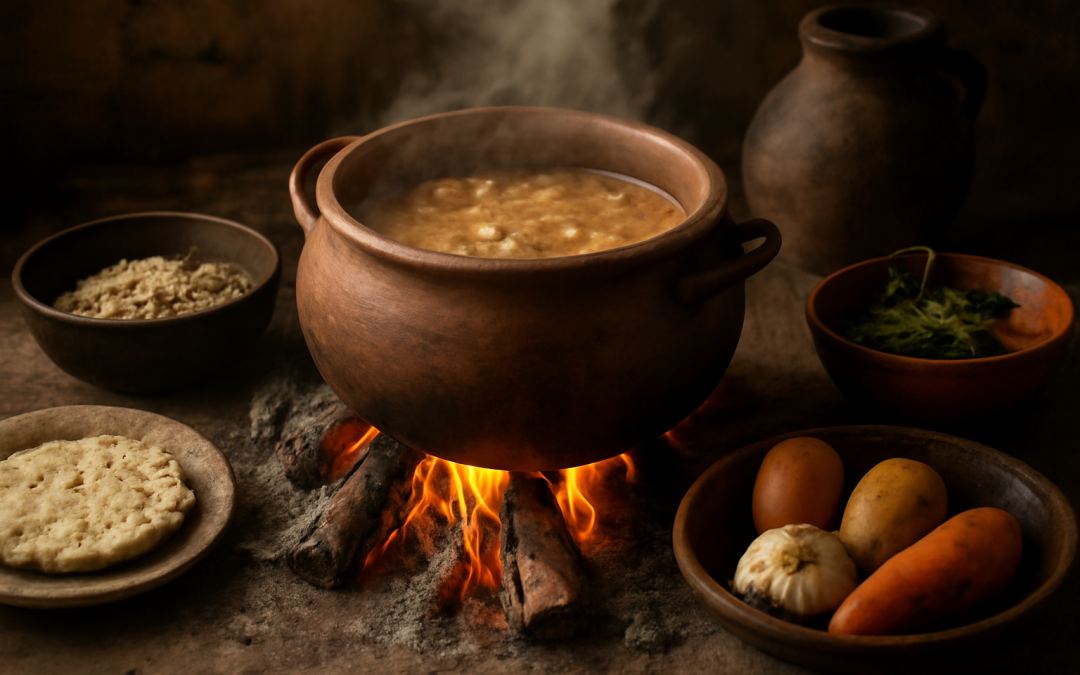
Long before the convenience of cookbooks, printed instructions, or even written language as we know it, people were preparing meals with ingenuity, passed-down traditions, and intimate knowledge of their environment. Ancient cooking without written recipes was an art shaped by observation, memory, and communal experience rather than documentation. This approach relied on practical skills, sensory judgment, and cultural transmission that sustained societies across millennia, providing nourishment and celebration without the need for textual instruction.
In prehistoric times, cooking was an intuitive process. Early humans learned to harness fire, a discovery that transformed their diets and lifestyles. The ability to roast, boil, or smoke food introduced flavors and textures previously unattainable, while also improving digestibility and safety. This knowledge spread through generations by demonstration and imitation, with parents teaching children directly through hands-on experience. In many respects, the process was more about tuning in to the natural world than following prescribed steps. Recognizing when berries were ripe, which roots were edible, and the right moment to pull a cooked piece of meat from embers were valuable skills developed through close observation.
As civilizations evolved, the absence of written recipes did not hinder the refinement and variety of culinary practices. Instead, oral traditions and apprenticeship played significant roles in preserving food preparation methods. Within households, knowledge was often shared among women who acted as keepers of the family’s culinary heritage. Elders and community leaders passed down techniques and tips, sometimes embedding them in songs, stories, or rituals. These cultural practices helped maintain consistency in flavor and technique, embedding food preparation into the fabric of daily life and celebration.
Moreover, the diverse availability of ingredients across different geographic regions shaped culinary traditions uniquely. In coastal areas, seafood was abundant, and cooking methods emphasized grilling, drying, or fermenting fish. Inland communities often relied on grains, legumes, and domesticated animals, developing methods such as boiling, baking in clay ovens, or roasting over open flames. This adaptive knowledge was practical and deeply connected to the seasons and environment, requiring continuous learning and adjustment rather than strict adherence to a recipe list.
The sensory approach to cooking was paramount. Without recipes to consult, cooks depended on sight, smell, texture, and taste to gauge readiness and balance flavors. For example, determining when a stew was perfect involved noticing aromas mingling, the thickness of the broth, or the tenderness of meat. Salt, herbs, and spices were added in measured intuition, guided by tradition and repeated practice rather than written quantities. This heightened sensory awareness cultivated a deeper relationship between cook and ingredients, allowing improvisation and customization to suit personal or communal preferences.
The social dimension of ancient cooking cannot be overstated. Food preparation was often a communal act, fostering cooperation and shared responsibility. Gathering food, preparing it, and consuming meals together strengthened social bonds and transferred culinary wisdom within family groups and communities. Festive occasions and religious ceremonies often featured special dishes prepared through collective effort, symbolizing unity and cultural identity. In many cases, the transmission of culinary knowledge was embedded in the performance of these rituals, making it both a spiritual and practical exercise.
Another critical element in ancient culinary traditions was experimentation and adaptation. While certain combinations and methods gained popularity within communities, individual cooks would often modify ingredients or techniques based on availability or preference. This trial-and-error approach led to diversity in ancient cuisines long before formal codification. It was through repeated practice and experience that cooks learned to combine ingredients harmoniously, achieve desired textures, and preserve food. Fermentation, salting, sun-drying, and other preservation techniques emerged from such experimentation driven by necessity and innovation.
Even the architecture and tools of the kitchen had a profound impact on ancient culinary practices. Hearths, clay ovens, grinding stones, and pottery vessels were crafted with the dual purpose of nurturing effective cooking and suiting local resources. The design of these implements affected cooking times, temperatures, and methods. For example, tightly sealed earthenware allowed slow-cooking and steaming, which transformed ingredients chemically and texturally in unique ways. These technologies complemented the tacit knowledge accumulated by cooks and contributed to the sophistication of their culinary outputs without the need for recipe documentation.
The relationship between food and medicine in many ancient cultures further underscored the importance of culinary expertise. Ingredients were often selected not just for flavor but for their perceived healing properties. Knowledge of these dual functions was preserved through oral transmission, and meals were carefully prepared to maximize both nourishment and health benefits. This holistic approach blurred the lines between cooking and caregiving, enhancing the cultural value of culinary knowledge and heightening the responsibility of cooks within their communities.
Moreover, the absence of written recipes allowed for flexibility and adaptation, which were essential in times of scarcity or change. When faced with new environments or limited resources, ancient cooks demonstrated remarkable resilience by substituting ingredients or inventing new methods. This adaptability ensured survival and fostered innovation, particularly during migrations, trade expansions, or climatic shifts. Culinary traditions thus became living, evolving systems rather than rigid formulas, capable of responding creatively to circumstances while preserving core cultural identities.
The transition from purely oral to partly written culinary records marks an interesting stage in history but did not render ancient cooking obsolete or simplistic. Archaeological findings, such as residue analyses on pottery or depictions of food preparation in art, provide clues to the sophistication of these practices. They reveal complex cooking techniques, use of spices, and specialized tools that attest to a rich culinary heritage developed independently of textual recipes. Additionally, some early writing systems included practical instructions or inventories, suggesting that while written communication gradually supplemented oral tradition, the core of cooking knowledge remained experiential and tacit.
Importantly, the enduring nature of many traditional cuisines today speaks to the longevity and effectiveness of ancient culinary methods. Modern chefs and food historians often seek inspiration from ancestral cooking, recognizing that this wisdom embodies sustainability, seasonality, and a deep connection to place. Rediscovering these methods highlights the value of sensory cooking, communal knowledge-sharing, and adaptive creativity that does not solely depend on fixed written guidance. This rekindling of ancient techniques reinforces the cultural importance of cooking as a living practice, continuously handed down through time.
In a world increasingly reliant on screen-based instructions and standardized recipes, the ancient approach offers valuable lessons. It reminds us to trust our senses, embrace improvisation, and value the stories behind food. Ancient cooking without written recipes reveals the fundamental human skill of turning raw ingredients into satisfying meals through observation, memory, and community interaction. It teaches that knowledge is not only found on pages but also lives in hands, voices, and shared experiences—a timeless way to nourish both body and spirit.
In summary, the practice of cooking across ancient societies was shaped not by formal documentation but by embodied knowledge passed down generations. Oral traditions, sensory intuition, environmental awareness, and social cooperation ensured that culinary skills flourished without the need for written recipes. This historical perspective underscores the importance of experiential learning, cultural transmission, and adaptability in the art of cooking. Understanding these ancient methods enriches our appreciation for the diversity of human culinary heritage and invites a broader, more intuitive engagement with the food we prepare today.

by admin | Oct 19, 2026 | Food & Beverage
In many households, the aroma of a simmering sauce or the warmth of a freshly baked pie carries more than just the promise of a delicious meal—it carries history, memories, and a sense of identity. Recipes passed down through generations offer a unique glimpse into family traditions, cultural heritage, and the stories of those who came before. Preserving family recipes is an act that transcends simple cooking; it is a way to maintain a tangible connection to one’s roots, to recognize the evolution of culinary practices, and to ensure that cherished flavors and techniques are not lost to time.
At the heart of this preservation lies the understanding that family recipes are living documents, often shaped by the availability of ingredients, regional influences, and personal adaptations. It is rare to find a recipe that has remained completely unchanged over decades, as each generation inevitably adds their own twist, whether intentionally or through the natural evolution of cooking preferences. This dynamic nature makes the effort to preserve family recipes both challenging and rewarding. Capturing these dishes in writing or other forms ensures that their unique lineage continues, reflecting both the past and present creativity of the family.
One of the primary motivations for preserving family recipes is the desire to pass down more than just food. Meals prepared from these recipes often accompany special occasions, holidays, and everyday family gatherings, embedding themselves deeply in the collective memory of relatives. When a dish made with care and love is recreated, it fosters a sense of belonging and continuity, reminding everyone of the shared history and values that bind the family together. In times when families become geographically dispersed or when older family members pass away, these recipes become crucial tools for maintaining a connection to ancestral traditions.
To effectively preserve these culinary treasures, it is important to document them accurately while allowing room for personal variations. Many families still rely on handwritten notes or faded recipe cards, often tucked inside cookbooks or stored in drawers, which can be susceptible to damage or loss. Digitizing these recipes by typing them into a document, photographing original cards, or even creating family recipe blogs helps guard against deterioration and makes sharing with distant family members easier. Furthermore, recording anecdotes, cooking tips, and the stories behind each dish enriches the recipe, transforming it from a mere set of instructions to a meaningful narrative.
The process of collecting and preserving family recipes can also serve as an opportunity to bring relatives together. Family reunions or special cooking days, where different members contribute recipes and share cooking techniques, can become joyous occasions full of laughter, learning, and rediscovery. These gatherings foster intergenerational dialogue and provide younger members with firsthand experience of traditional cooking methods, ensuring that these invaluable skills are passed down through practice, not just paperwork. Such collaborative efforts often lead to a renewed appreciation of the culinary heritage, rekindling interest in dishes that may have been neglected over time.
Cultural diversity within families often enriches the range of recipes that merit preservation. In multicultural households, recipes may represent a blend of different culinary traditions, showcasing the fusion of flavors and adaptations made during immigration, travel, or intermarriage. Preserving these recipes acknowledges not only the personal history of the family but also broader social histories, connecting the family’s narrative to global contexts. By carefully documenting recipes from different cultural backgrounds and sensibilities, families contribute to preserving a multifaceted heritage that celebrates diversity and adaptation.
While preserving the recipes themselves is important, it is equally vital to sustain the knowledge of cooking techniques and ingredient selections that define these dishes. Many traditional recipes may assume a familiarity with certain preparation methods, cooking tools, or indigenous ingredients that younger generations might lack. Including step-by-step instructions, photographs, or videos that demonstrate techniques helps bridge the gap between generations. Ensuring that the nuances, such as the appropriate texture of a dough or the subtle aroma of toasting spices, are communicated enhances the likelihood that these recipes can be faithfully recreated in the future.
Another significant factor influencing the preservation of family recipes is the modern pace of life. As schedules become busier and convenience foods more tempting, the time and patience traditionally devoted to creating family dishes has dwindled in many households. This shift heightens the urgency of documenting recipes while memories and expertise are still vivid. Additionally, adapting recipes to contemporary lifestyles without compromising their soul is an art in itself. Substituting ingredients with healthier alternatives, adjusting cooking times for modern appliances, or converting measurements to metric or imperial units all contribute to making recipes accessible and relevant to today’s home cooks.
Considering the evolving palate of younger generations is essential as well. Food preferences change with exposure to different cuisines and dietary requirements, and a family recipe that once featured prominently in meals may lose favor. Instead of allowing these recipes to disappear, finding creative ways to adapt them—whether by modifying ingredients, presentation, or portion sizes—can breathe new life into these dishes. Encouraging experimentation around classic family recipes not only keeps traditions alive but also empowers each generation to make the recipe their own, ensuring continuity through transformation.
Emotional resonance plays an understated but powerful role in the preservation process. Food is frequently tied to feelings of comfort, nostalgia, and love, particularly when linked to significant family members such as grandparents or parents. Preparing and sharing a beloved family recipe evokes these sentiments, reinforcing emotional bonds and providing a sense of stability in times of change or loss. Recognizing this emotional dimension helps highlight why preserving family recipes is about more than culinary practice; it is about honoring relationships and legacy.
Challenges do arise when attempting to preserve family recipes. Some recipes are notoriously imprecise, relying on observational skills, instinct, or “a pinch of this” rather than exact measurements. Others might include ingredients no longer available or techniques that require uncommon skills, making replication difficult. In these cases, families may choose to supplement the recipe with comprehensive notes, offer alternatives, or consult older relatives to capture the essence of the dish. Persistence and collaboration are key to overcoming these obstacles, turning the preservation into a collective family project involving research, interviews, and trial-and-error cooking sessions.
The role of technology in preserving family recipes cannot be overstated in the current era. Mobile apps, websites, and social media platforms provide innovative ways to record, share, and celebrate these culinary traditions. Families can create digital cookbooks complete with photos and videos, conduct live virtual cooking sessions, or maintain social media groups dedicated to family food culture. These tools not only safeguard recipes from physical loss but also cultivate an interactive environment where members can exchange tips, modifications, and memories in real time, further strengthening connections and keeping traditions vibrant.
Beyond individual families, the preservation of recipes contributes to the broader cultural heritage and collective memory of communities and societies. Traditional family recipes often reflect regional agriculture, historical trade routes, religious practices, and seasonal cycles, capturing the essence of place and time. By documenting and sharing these recipes, families indirectly participate in cultural preservation, fostering an appreciation for culinary diversity and history. Engaging with local cultural organizations, heritage societies, or community cooking projects can also amplify the impact of preservation efforts and provide additional resources and platforms to celebrate family culinary legacies.
In educational contexts, family recipes can serve as powerful tools to teach younger generations about history, science, nutrition, and the arts. Cooking together offers experiential learning opportunities that engage multiple senses, making abstract concepts tangible and memorable. It also opens doors to conversations about cultural identity, migration, and personal stories linked to food. Introducing family recipes into formal or informal education initiatives can enrich curricula and foster meaningful intergenerational exchanges.
Ultimately, the act of preserving family recipes is an intentional choice to cherish the past while embracing the future. It requires effort, dedication, and an understanding that food is an ever-evolving expression of family love, culture, and creativity. By investing time in documenting recipes, sharing stories, embracing innovation, and nurturing emotional connections, families ensure that the flavors and traditions handed down to them will endure, delighting future generations and keeping their heritage alive at the family table.
As families continue to face rapid social changes and increasing global movement, the importance of preserving these culinary legacies grows stronger. Maintaining the knowledge and practice of family recipes stands as a testament to resilience, adaptation, and the enduring power of shared experience. It is a celebration of identity and belonging, a tribute to ancestors, and an offering to those yet to come. In preserving the recipes of the past, families safeguard a piece of history that continues to nourish the body and soul, creating timeless bonds that can never be broken.