by admin | Oct 6, 2026 | Food & Beverage
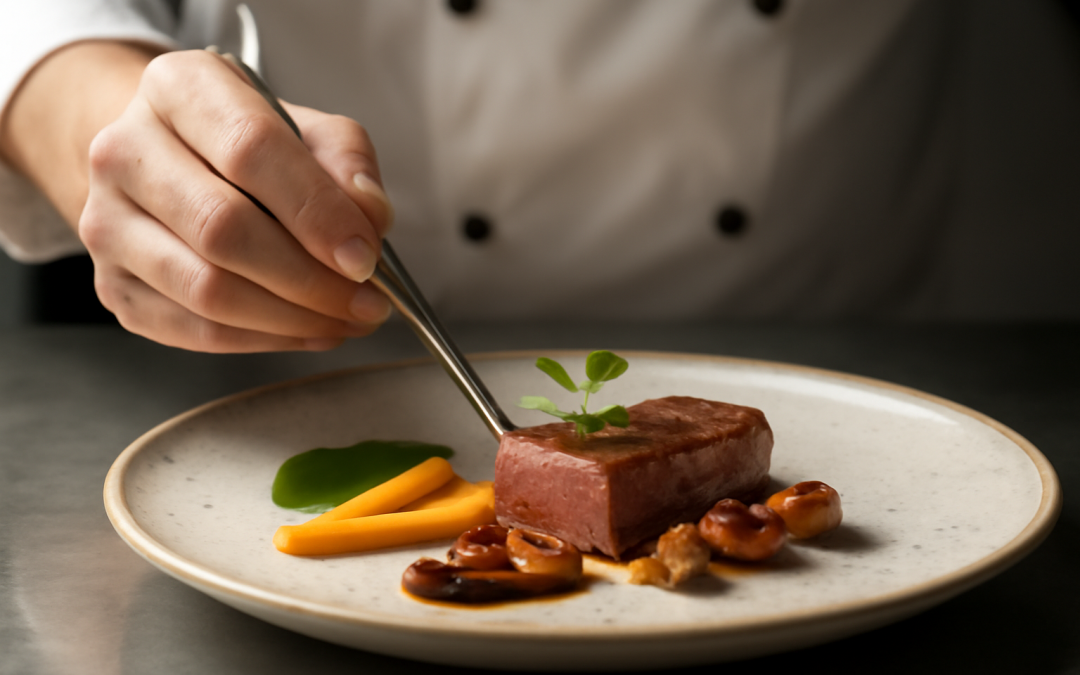
The way a dish is presented is often the first impression a diner receives, and it can significantly influence their anticipation and enjoyment of the meal. Plating as culinary art goes beyond merely arranging food on a plate; it is a thoughtful and deliberate practice that elevates the dining experience. This practice blends creativity, technique, and an understanding of colors, textures, and proportions to create a visually stunning masterpiece that appeals not only to the palate but also to the eyes. Much like a painter approaches a blank canvas, chefs use plating to tell a story that adds depth and dimension to their culinary creations.
Every element on a plate serves a purpose, from the positioning of proteins and accompaniments to the strategic use of garnishes and sauces. Plating as culinary art emphasizes balance — not only in flavors, but also in visual weight and symmetry. The arrangement can lead the diner’s eyes across the plate, inviting them to explore and interpret the dish before the first bite. Sometimes, the plate itself becomes part of the art, with its color, shape, and texture selected carefully to complement the food, enhancing the overall aesthetic. The choice of plate can frame the dish, making certain colors pop or softening the presentation to suit the mood of the meal.
Color theory plays a fundamental role in plating. Chefs must understand how to combine complementary hues or contrasts that make the dish vibrant and appetizing. The natural colors of ingredients provide a palette from which the chef composes. For example, the deep reds of roasted beets might be softened by a dollop of creamy white yogurt, while a bright green herb sauce can breathe life into neutral tones. At the same time, chefs must avoid overwhelming the diner with too many disparate shades, which can confuse the visual perception and distract from the intended harmony of the plate.
Texture is another vital consideration in the art of plating. Combining crisp, creamy, tender, and crunchy elements not only offers a satisfying mouthfeel but also creates visual intrigue. A sprinkle of toasted nuts or crunchy croutons can be scattered artfully to create contrast and break up monotony. Likewise, sauces can be swiped, dotted, or drizzled in patterns that add dynamic movement to the composition. These textural choices are carefully orchestrated to ensure each bite delivers layers of sensory pleasure, both tactilely and visually.
The concept of negative space is often underestimated in plating. Leaving parts of the plate intentionally empty can draw focus to the main ingredients and prevent overcrowding. Much like in fine art, negative space can provide balance and elegance, allowing the dish to breathe. Excessive filling of the plate tends to clutter the presentation and dilute the impact of each component. Skilled chefs manipulate space and portion size to cultivate an inviting simplicity that encourages diners to appreciate every detail.
In addition to individual creativity, plating as culinary art also embodies the culture and philosophy of the chef or establishment. Some cuisines favor minimalist presentations that highlight the purity of ingredients and subtle flavors, such as Japanese kaiseki or modern Nordic gastronomy. Others might embrace abundance and vibrancy, reflecting traditions of communal and celebratory feasting as seen in Middle Eastern or Indian cuisine. Understanding these cultural nuances enriches the way plating is approached, revealing stories and values embedded in the patterns and arrangements. Consequently, plating becomes a form of non-verbal storytelling that transcends language and connects diners to heritage and place.
The rise of social media and food photography has also heightened the importance of plating in modern dining. With the potential for dishes to be shared instantly and widely, chefs are often motivated to produce plates that are visually striking and Instagram-worthy. This trend has encouraged experimentation with unconventional plating techniques and exotic edible decorations. Yet, successful plating balances these visual innovations with maintaining the dish’s integrity and flavor, ensuring that the artistic elements do not overshadow the food itself.
Plating techniques often borrow from classical aesthetics, such as symmetry, the golden ratio, and the rule of thirds, lending a sense of order and sophistication. For example, rather than centering elements arbitrarily, chefs might place components off-center to generate interest and encourage dynamic viewing angles. The height and layering of ingredients introduce a three-dimensional quality that makes the plate visually richer. Verticality, achieved by stacking or piling, adds drama and can convey the chef’s attention to detail.
An essential tool in the plating process is timing. Food should be plated and served at the optimal moment to preserve the textures, temperatures, and visual appeal intended by the chef. A meticulously arranged dish loses its impact if sauces are smeared or components wilt before reaching the table. Thus, plating requires precision, speed, and coordination within the kitchen. The execution is as important as the concept behind it, and mastery of plating is a mark of professionalism and dedication.
Innovation plays a considerable role in evolving plating as culinary art. Modern chefs often challenge conventions by approaching plating with a multidisciplinary mindset, merging gastronomy with fine art, architecture, and even technology. Techniques like molecular gastronomy inspire novel textures and presentations, while edible flowers and microgreens add both color and a sense of freshness. Furthermore, sustainable plating practices encourage the use of local and seasonal produce, promoting environmental responsibility without compromising the beauty or taste of the dish.
Training and experience profoundly influence a chef’s plating skills. Aspiring culinary artists study classical methods alongside contemporary designs, gaining an appreciation for the balance between tradition and modernity. By practicing sketching plate designs or using food models, chefs refine their vision and problem-solving abilities during service. Feedback from diners and colleagues further informs improvements, highlighting how plating interacts with sensory perception and emotional response.
The psychological impact of plating should not be underestimated. Humans are naturally drawn to aesthetics, and beautifully plated food can trigger appetite, elevate mood, and prolong the dining pleasure. This psychological response connects directly to the presentation’s success, often defining a memorable meal. The artful arrangement signals care and respect for the ingredients and the guest, fostering a deeper connection and appreciation for the culinary craft.
Culinary competitions and fine dining have propelled plating into a celebrated art form, with some events focusing almost exclusively on the visual and conceptual strength of dishes. Chefs push boundaries by incorporating unexpected elements, playing with scale, or creating edible illusions that engage all senses. Such artistic endeavors create lasting impressions and sometimes inspire trends that permeate home cooking and casual eateries, democratizing the appreciation for plated food and transforming eating into an immersive experience.
Despite the focus on appearance, it remains crucial that plating never overshadows the food’s quality and taste. The best presentations enhance the dining experience while honoring the flavors and textures at the heart of the dish. When plating becomes purely decorative or overly complex, it risks alienating diners or distracting from the food’s essence. The true mastery lies in seamless integration, where aesthetics and flavor are in harmony, making each meal a multisensory pleasure.
Plating also fosters sustainability by encouraging mindful portioning and reducing food waste. Thoughtful design can deter over-serving and ensure balanced nutritional elements, which is increasingly important in contemporary dining. Chefs who consider the environmental impact of their plating choices demonstrate a holistic approach to culinary art, one that respects not only the diner but also the planet.
In the broader context of hospitality, plating reflects the ethos of service and excellence. A flawlessly plated dish conveys professionalism, attention to detail, and pride in one’s work. This care resonates with guests, significantly impacting their overall dining satisfaction and loyalty. It also sets a standard that influences the entire culinary team, inspiring continuous refinement and innovation.
Ultimately, plating as culinary art is a dynamic dialogue between chef and diner, culture and modernity, tradition and innovation. It is a medium through which culinary artisans communicate their vision, celebrate ingredients, and captivate audiences. As the food landscape continues to evolve, so too will the techniques and philosophies surrounding plating, ensuring that this delicate art form remains vital, inspiring, and endlessly fascinating.
by admin | Oct 5, 2026 | Food & Beverage
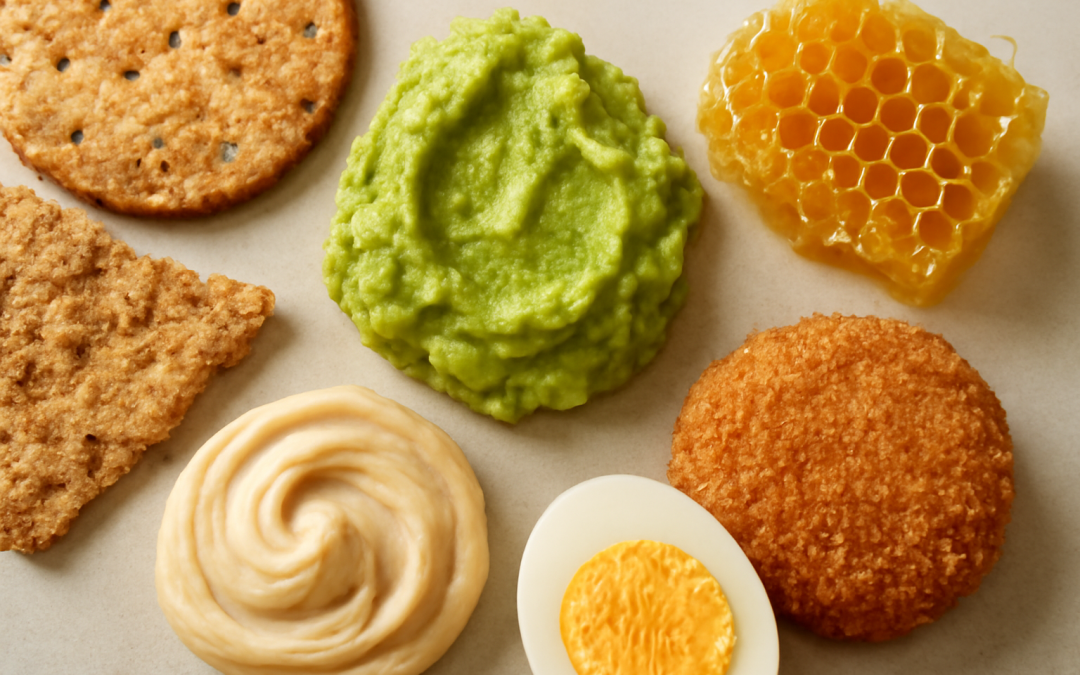
The sensory experience of eating goes far beyond taste alone; it encompasses a rich interplay of sight, smell, sound, and, significantly, texture. Texture in food design is a fundamental yet often underappreciated element that shapes how we perceive and enjoy our meals. It refers to the physical characteristics—such as smoothness, crunchiness, chewiness, and creaminess—that affect a dish’s mouthfeel and overall appeal. Chefs and food designers harness texture to evoke emotions, create contrast, and deepen the sensory journey of eating, making it a vital component of culinary artistry.
Understanding texture involves delving into the science of food composition and how ingredients interact during cooking and preparation. Proteins, fats, carbohydrates, and water all influence texture in distinct ways. For instance, the gluten network in bread dough is crucial in developing its chewiness, while the arrangement of fat crystals can determine the flakiness of pastry layers. By manipulating these molecular structures, food designers can achieve specific textural outcomes that either complement or highlight flavor profiles. The deliberate selection of ingredients and preparation techniques thus enables the creation of a multi-dimensional eating experience.
A key aspect of texture in food design lies in contrast and balance. Combining different textures within a single dish can elevate it from mundane to memorable. A creamy soup garnished with crunchy croutons, or a tender piece of fish served with crisp vegetables, demonstrates how varied textures work together to engage the palate. This diversity not only sustains interest but also helps regulate the pace at which food is consumed, with each texture prompting a different chewing or biting response. By interweaving soft, firm, brittle, and smooth textures, dishes become more dynamic and pleasurable.
The cultural context of texture is another intriguing dimension that affects food design. Different cultures prioritize distinct textural qualities based on tradition and regional ingredients. For example, the velvety smoothness of silken tofu in East Asian cuisine carries a prized softness that complements the cuisine’s delicate flavors. Conversely, many African dishes emphasize hearty, fibrous textures derived from whole grains and root vegetables, which align with local agricultural products and cooking methods. Food designers often explore these cultural texture preferences to develop authentic experiences or to innovate by fusing diverse traditions.
Texture also plays a significant role in modern gastronomy’s experimental side, especially within the realm of molecular cuisine. Chefs employ cutting-edge techniques to deconstruct and reconstruct textures, challenging conventional expectations. Through methods like spherification, gelification, or foam creation, ingredients can take on surprising and unfamiliar forms, providing novel sensations. This avant-garde approach to texture pushes the boundaries of food design by stimulating curiosity and appealing to diners’ desire for uniqueness. It places texture at the forefront as both a playground and a canvas for creativity.
Beyond the sensory and aesthetic dimensions, texture has practical implications for food consumption and nutrition. Texture influences satiety and digestion, as certain textures require more chewing and thus contribute to a feeling of fullness. For individuals with dietary restrictions or medical conditions, texture can be a decisive factor in food selection. For instance, those with dysphagia must have foods designed for ease of swallowing, employing textures that are smooth and cohesive yet nutritionally complete. Food designers in healthcare contexts must therefore pay close attention to texture, balancing safety with flavor and appeal.
The psychology behind texture preferences further complicates its role in food design. Humans often associate specific textures with freshness or quality—crisp greens, for example, are interpreted as ripe and nutrient-rich, while mushiness can sometimes signal spoilage or over-ripeness. Personal experiences and cultural conditioning shape these associations, influencing consumer behavior and expectations. Food designers must understand these psychological dimensions to curate textures that not only satisfy but also reassure and entice. Successful texture design taps into these subconscious cues to evoke comfort or excitement.
In industrial food production, texture is meticulously engineered to ensure consistency and consumer satisfaction. Mass-produced foods undergo texture optimization through machinery and ingredient modification to replicate desirable traits despite large-scale processes. Meat analogues, for example, rely heavily on textural replication to mimic the fibrous chew of real meat. Achieving acceptable texture in vegan or vegetarian products poses significant challenges but is essential for market acceptance. Advances in food science, such as the development of textured vegetable protein and 3D printing of food, expand possibilities for texture innovation on a commercial level.
The relationship between temperature and texture is another critical factor in design. Heat alters the physical properties of foods, changing firmness, moisture content, and mouthfeel. For instance, a raw carrot’s crunch transforms into tender softness when cooked, and the melting of fat imparts creaminess. Proper control of cooking temperatures is necessary to realize desired textural outcomes and prevent undesirable results, such as sogginess or over-toughness. Food designers must anticipate how texture will evolve during preparation, storage, and reheating to ensure the final product meets its textural potential.
Textural harmony within a dish also complements its flavor architecture. Certain textures amplify or mute flavors by influencing how taste compounds disperse across the palate. A silky custard can intensify the richness of vanilla, while a brittle caramel coating adds a slight bitterness that balances sweetness. The tempo of eating—dictated by texture—also affects flavor perception, as different mouthfeels release aromatic compounds at varying rates. This interplay between texture and flavor is central to culinary innovation, where sensory design works holistically to captivate the diner.
The advent of plant-based eating has brought texture into sharper focus, as it is one of the most challenging elements to replicate in non-animal products. Achieving the juicy, fibrous, and sometimes fatty textures associated with meat requires sophisticated food design and processing techniques. Innovations such as mycelium-based meat substitutes and cultured meat are promising because they seek to duplicate the texture of animal products more closely. Texture drives consumer acceptance in this burgeoning sector; satisfying textural expectations can help move plant-based products from niche markets to mainstream appeal.
Texture also holds an important place in desserts, where the interplay of chewiness, crunch, creaminess, and gelatinousness creates a compelling sensory profile. The successful dessert often depends on layering different textures—think of a chocolate tart with a buttery crust, smooth ganache, and a sprinkle of crunchy sea salt. The delicate balance of textures enhances the overall indulgence, compelling the eater to savor each bite attentively. Pâtissiers carefully consider not only the tastes but the mouthfeel to compose creations that linger delightfully on the tongue.
In crafting beverages, texture is equally significant. The mouthfeel of a wine, coffee, or cocktail includes factors like viscosity, carbonation, and astringency, which profoundly influence drinkability and enjoyment. Bartenders and sommeliers pay close attention to these aspects to pair drinks with food or tailor them to customer preferences. The creamy froth on an espresso or the effervescence of a sparkling wine exemplify how textured sensations add complexity and pleasure. Designing beverages with precise textural characteristics is thus a key skill in the wider domain of food and drink innovation.
Sustainability considerations increasingly impact texture in food design. As the food industry seeks to reduce waste and utilize alternative ingredients, texture optimization becomes a tool for making imperfect or novel raw materials more palatable. For example, underutilized plant parts or novel protein sources can be processed to achieve pleasant textures that enhance acceptance. This approach not only supports environmental goals but broadens culinary horizons. Food designers are tasked with creatively leveraging texture to transform lesser-known ingredients into delightful offerings.
Education about texture is also gaining importance as consumers become more food-savvy and adventurous. Culinary schools now emphasize the scientific and artistic aspects of texture, training chefs to perceive and manipulate it with intention. Similarly, food literacy programs educate the public about the textural dimensions of their food, encouraging mindful eating and appreciation. This growing awareness enriches culinary culture by fostering a deeper connection between eater and plate, elevating texture from a subconscious sensation to a celebrated feature.
Ultimately, texture in food design is an essential factor in crafting memorable culinary experiences. It integrates science, art, culture, and psychology, reflecting the complexity of human perception and enjoyment. Whether through traditional recipes, innovative gastronomy, or sustainable practices, thoughtful texture design enhances the pleasure and meaning of eating. By engaging with texture consciously, chefs and designers unlock new realms of creativity and satisfaction, turning each meal into a multisensory adventure that resonates long after the last bite. The power of texture lies not only in its impact on the palate but in its ability to connect us to food in intimate and profound ways.
by admin | Oct 4, 2026 | Food & Beverage
The art of combining ingredients to create harmonious dishes has fascinated chefs, food scientists, and enthusiasts for centuries. Behind every memorable meal lies a complex interplay of flavors that can either enhance or detract from one another. Understanding the science and intuition that guide the successful blending of tastes is essential for anyone looking to elevate their culinary skills. This exploration delves into the intricacies of flavor pairing theory, uncovering the principles that dictate why some combinations delight the palate while others fall flat.
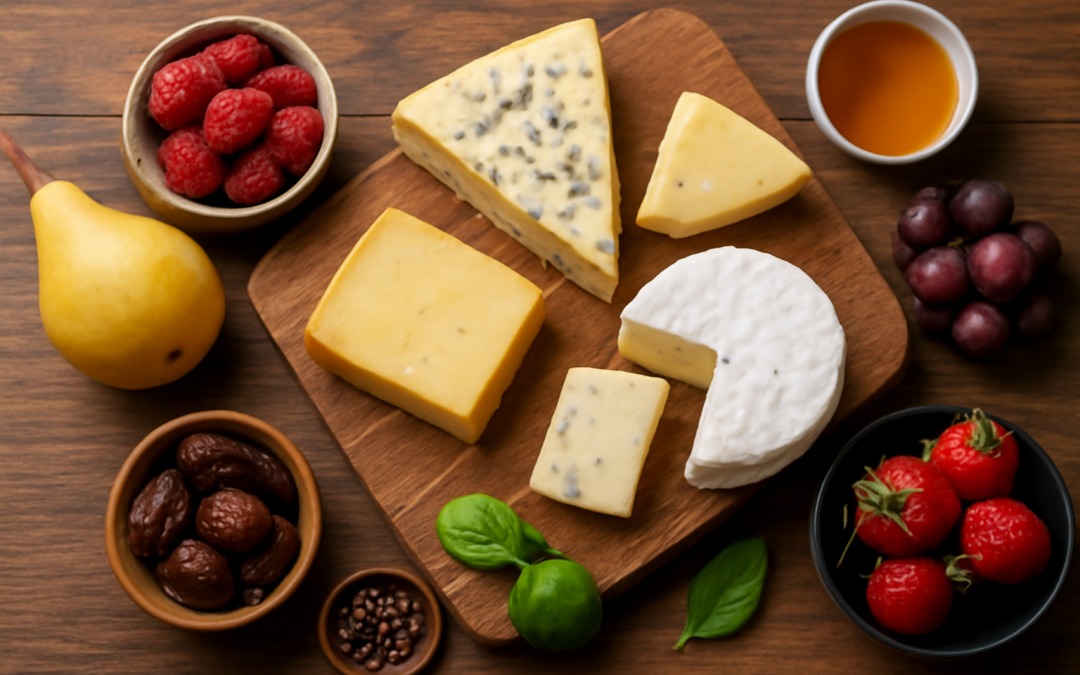
Flavor pairing theory is rooted in the chemical composition of foods and how these compounds interact when combined. At its core, the theory suggests that ingredients sharing similar flavor compounds tend to complement each other well. By identifying these overlapping molecules, chefs can create unexpected yet pleasing matches that transcend traditional pairings. For instance, the reason white chocolate pairs so well with caviar, or why strawberries harmonize with basil, lies in the shared chemical components that stimulate our sensory receptors in compatible ways.
The development of flavor pairing theory owes much to advancements in food science and molecular gastronomy. Researchers analyze the aromatic profiles of various ingredients, cataloging the volatile compounds responsible for taste and smell. By mapping these compounds, patterns emerge showing which foods are likely to blend successfully. This scientific approach has revolutionized how culinary professionals conceptualize recipes, moving beyond instinct or cultural tradition to a more empirical method of flavor creation.
Despite its scientific foundation, flavor pairing is not a rigid formula. Cultural contexts, personal preferences, and cooking techniques all influence how ingredients interact. For example, spices commonly paired in Indian cuisine may not align neatly with Western palate expectations but yield incredible flavor experiences within their culinary framework. Additionally, cooking methods such as roasting or fermenting transform chemical profiles, sometimes unlocking new affinity between ingredients that might not otherwise align. This fluidity means that flavor pairing must remain flexible, adapting to context and creativity.
Some of the most iconic food combinations demonstrate classic flavor pairing concepts in action. Tomato and basil work well together due to their shared sweet and herbaceous notes, while chocolate and chili complement each other through contrasting elements of bitterness and heat balanced on a flavor compound level. These pairings highlight how either similarity or contrast in flavor compounds can lead to pleasurable taste experiences. In the former case, chemical commonality forges harmony; in the latter, balance emerges through complementary contrasts.
Technology has further expanded the application of flavor pairing theory. Computational algorithms and flavor databases allow chefs and food manufacturers to experiment with new combinations systematically. By inputting chemical data into software programs, these tools suggest pairings that might have been overlooked by traditional methods. This intersection of science and technology accelerates innovation in recipe development, pushing boundaries beyond familiar or regional combinations to a more globalized and experimental culinary landscape.
Understanding flavor pairing not only benefits professional kitchens but also empowers home cooks to experiment with more confidence. By learning the basic principles—such as the importance of shared aromatic compounds, the balance of sweetness and acidity, or the role of texture alongside taste—home cooks can transform everyday meals into more sophisticated culinary experiences. It encourages curiosity and creativity, inspiring individuals to break free from rote recipes and engage more deeply with ingredients.
One fundamental principle in flavor pairing theory involves the role of umami, often referred to as the fifth taste. Foods rich in umami compounds, like mushrooms, aged cheeses, soy sauce, and tomatoes, tend to amplify flavors and enhance the overall savoriness of a dish. Pairing umami-rich ingredients with others that complement or balance this depth results in dishes with greater complexity and satisfaction. This principle explains why dishes such as pasta with Parmesan cheese or borscht with sour cream feel complete and comforting.
Contrasting textures also play a critical role in successful pairing, adding another dimension that influences the perception of flavor. While flavor compounds provide the taste foundation, textural elements engage the mouthfeel and can either highlight or mitigate strong tastes. For example, pairing a creamy, buttery element with a crisp, acidic one balances richness and refreshes the palate. This synergy between texture and taste ensures that flavors linger pleasantly rather than overwhelming or boring the diner.
Moreover, temperature influences flavor pairings significantly. Cold foods tend to mute sweetness and aromas, while warm temperatures can intensify and release volatile flavor compounds. This awareness guides pairing decisions, such as matching warm red wine with hearty stews or chilled white wine with fresh seafood. Common sense informs these choices, but understanding the science behind aroma volatility and taste perception at different temperatures deepens a cook’s ability to craft balanced meals that satisfy under varying conditions.
Herbs and spices offer a rich playground for exploring flavor pairing in practice. Each herb contains a unique blend of essential oils that contribute to their distinctive tastes and aromas. Combinations arise from the molecular compatibility between these oils and the components in main ingredients. Beyond flavor, herbs and spices often bring complementary nutrients and health benefits, adding layers to their culinary appeal. Their versatility and complexity make them invaluable tools for both subtle enhancement and bold experimentation.
Sweet and savory combinations are another fertile ground for flavor pairing. The contrast between sugar’s mellow, rounded flavors and salt or umami’s savory intensity plays on the palate’s craving for variety. This dynamic underlies many beloved dishes worldwide, such as salted caramel desserts, prosciutto with melon, or pineapple on pizza. The careful balancing of these opposing flavor elements activates multiple taste receptors, resulting in a more engaging and memorable mouthfeel experience.
The role of acidity in flavor pairing cannot be overstated. Acidic components like citrus juice, vinegar, or fermented foods brighten dishes and provide sharp contrasts that cut through richness. Their inclusion often brings balance and freshness to heavy or oily foods, preventing monotony and enhancing overall flavor complexity. Understanding how to introduce the right type and level of acidity into a dish is a key skill derived from flavor pairing principles, especially valuable when creating multi-course meals or layered recipes.
In recent years, flavor pairing theory has influenced the burgeoning field of plant-based cuisine. As more people adopt vegetarian or vegan diets, chefs have turned to this framework to replicate the depth and complexity of meat-based dishes using plant ingredients. By identifying and combining plant foods with complementary or synergistic flavor compounds, they create dishes boasting umami richness and satisfying textures without animal products. This scientific approach has helped elevate plant-based cooking from simple substitutions to a respected culinary discipline.
Flavor pairing also extends beyond food into beverage and cocktail creation. Mixologists employ the same principles to craft cocktails where spirits, mixers, herbs, and garnishes merge into a cohesive sensory experience. Whether balancing bitterness with citrus or matching spicy notes with sweet syrups, the fundamental chemistry remains consistent. In wine pairings, sommeliers apply these principles to enhance dining experiences, selecting varietals whose flavor profiles echo or contrast food to create dynamic interactions on the palate.
Despite the power of flavor pairing theory, intuition and experience remain indispensable. Many renowned chefs describe their ability to balance flavors as a form of artistry cultivated over years. The theory provides tools and frameworks, but tasting, adjusting, and understanding context—including cultural, historical, and environmental factors—transform these rules into inspired dishes. Successful cooks listen closely to their own sensory feedback, continuously refining their approach while respecting the underlying science.
Experimentation is essential in mastering flavor pairing. Cooks are encouraged to test unexpected combinations, chewed over carefully for balance, texture, aroma, and aftertaste. Sometimes a surprising element – a pinch of spice, a dash of acidity, or an aromatic herb – turns a traditional dish into something extraordinary. Each trial deepens understanding, enhances palate sensitivity, and builds the confidence to innovate, moving culinary practice forward. Curiosity, paired with knowledge, catalyzes the discovery of new favorites and unique signatures.
Ultimately, the study and application of flavor pairing theory embody the intersection of science and creativity. It demystifies the complex reactions happening on our taste buds, providing a roadmap for crafting dishes that delight and surprise. At the same time, it invites cooks from all backgrounds to explore, experiment, and express themselves through food. Whether in a professional kitchen, a home dining room, or a mixology bar, embracing these principles unlocks the potential to transform simple ingredients into unforgettable meals that satisfy the senses and nourish the soul.
by admin | Oct 3, 2026 | Food & Beverage
The world of taste is far richer and more complex than the traditional quartet of sweet, sour, salty, and bitter. Among these, there exists a distinctive fifth taste that has reshaped our understanding of flavor and culinary art. This taste, known by its Japanese name, umami, brings a depth and richness that elevates food beyond the basic sensations. The discovery of umami marked a pivotal moment in food science, opening new avenues for chefs, food manufacturers, and researchers alike to enhance and appreciate the subtle nuances embedded within our meals.
Umami was first identified in the early 20th century by a Japanese chemist named Kikunae Ikeda, who was intrigued by the unique savoriness present in traditional Japanese dishes such as dashi, a broth made from kombu seaweed. This savory flavor could not be accurately described by the four conventional tastes, so Ikeda hypothesized that it represented something entirely new. Through meticulous experimentation, he isolated glutamic acid, an amino acid naturally abundant in many foods, as the source of this distinct taste. Glutamate, the salt form of glutamic acid, was found to stimulate taste receptors specific to umami, thereby confirming it as a fifth taste modality alongside sweet, sour, salty, and bitter.
The implications of this discovery were profound. It explained why certain foods, particularly those rich in proteins like meat, cheese, and fermented products, had a savory, mouth-filling quality that was previously difficult to quantify. This savory taste is often described as brothy or meaty and imparts a lingering and satisfying flavor. The identification of umami helped bridge the gap between sensory experience and chemical composition, revealing how glutamates enhance taste and why they are so pivotal to culinary satisfaction.
Following Ikeda’s discovery, umami gradually gained acceptance beyond Japan and the scientific community. Researchers explored the molecular basis of umami further, uncovering that the perception of this taste arises from specific receptors on the tongue, namely the metabotropic glutamate receptors and the T1R1/T1R3 receptor complex. These receptors respond primarily to glutamate but are also influenced by certain nucleotides like inosinate and guanylate, compounds found in aged and fermented foods. This receptor synergy amplifies the umami sensation, explaining why many traditional ingredients such as soy sauce, parmesan cheese, and fermented fish products have intensified savory flavors.
Culinary traditions around the world have long utilized umami-rich ingredients without fully understanding their molecular underpinnings. For instance, in Europe, aged cheeses and cured meats offer concentrated sources of glutamate and nucleotides, contributing to their complexity and depth. Similarly, East Asian cuisines have historically incorporated dried fish, seaweed, and fermented sauces to achieve rich, savory profiles. The discovery of umami provided scientific validation for these age-old culinary practices, tying together taste, culture, and chemistry in a unifying framework.
The application of umami extends far beyond flavor enhancement; it also plays a role in nutrition and satiety. Studies have suggested that umami can stimulate salivation and appetite, improving digestion and making food more enjoyable. Moreover, umami-rich ingredients can help reduce the need for excessive sodium in cooking since the savory taste compensates for lower salt content without sacrificing flavor. This has important implications for public health, as excessive salt consumption is linked to cardiovascular diseases. Thus, understanding and utilizing umami can contribute to more flavorful yet healthier diets.
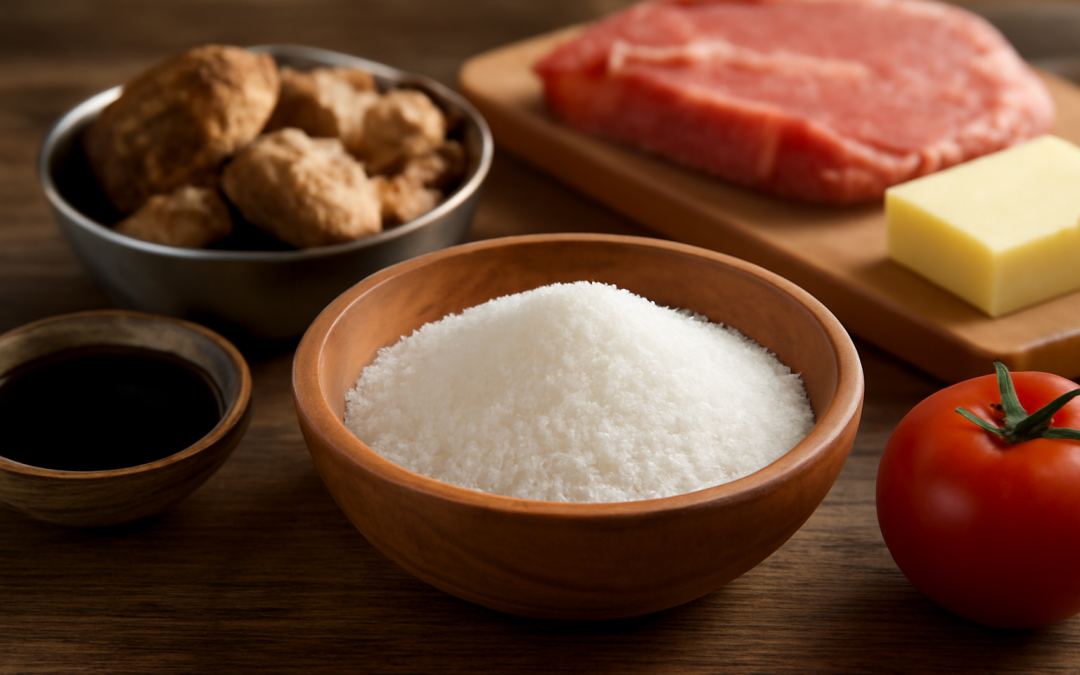
In gastronomy, the concept of umami inspired chefs to rethink flavor combinations and cooking techniques. The synergistic effect of glutamate with certain nucleotides paved the way for innovative pairings that maximize savory richness. Modern culinary approaches often seek to layer umami from multiple sources to create complex taste profiles that stimulate the palate. For example, combining mushrooms, tomatoes, and parmesan cheese in a dish exploits their cumulative umami content, creating a sensation that is far greater than the sum of its parts. This strategic layering is now a fundamental principle in many professional kitchens worldwide.
Food manufacturers also embraced umami following its scientific recognition. The widespread use of monosodium glutamate (MSG), a sodium salt of glutamate, revolutionized processed foods by providing a convenient means to enhance flavor inexpensively. Despite some controversy regarding MSG’s safety in the past, extensive research has shown that it is generally safe for consumption when used in normal quantities. Today, MSG continues to be a valuable tool in the food industry, enabling flavor enhancement in products ranging from snacks to soups and ready meals.
Beyond the culinary and commercial spheres, the discovery of umami had a profound impact on sensory science and taste receptor research. It challenged the preexisting notion that the tongue could only detect four basic tastes and encouraged scientists to look for others. Subsequent research has suggested that tastes like fat and certain metallic or starchy sensations might represent additional taste qualities, indicating that our understanding of taste is still evolving. The study of umami paved the way for more nuanced inquiries into how humans perceive food and how taste interacts with olfaction and texture to create the overall eating experience.
Culturally, the recognition of umami helped bridge Eastern and Western culinary philosophies. While Western cuisines emphasize sweetness and acidity, many Asian cuisines integrate umami carefully to achieve balance and depth. With globalization and the rise of fusion cuisine, umami’s influence has been instrumental in encouraging chefs to experiment with ingredients from diverse traditions, enriching global culinary vocabulary. This cross-cultural appreciation has contributed to a growing respect for the science behind flavor and a deeper understanding of the sensory complexity that food offers.
The discovery also fostered curiosity about the biological role of umami perception. Glutamate is an amino acid involved in protein metabolism, and its detection by taste receptors might have evolved as a natural mechanism to identify protein-rich foods essential for survival. This evolutionary perspective offers insight into why humans are naturally drawn to umami flavors and why dishes with a strong umami profile feel satisfying and nourishing. Understanding this biological basis enhances our appreciation for the intimate relationship between flavor and nutrition.
In recent years, technology has expanded the practical applications of umami in food development. Researchers have been able to manipulate the concentration of glutamates and nucleotides in ingredients through fermentation and enzymatic processes, creating tailored flavor profiles that meet consumer demand for natural and clean-label products. This has opened doors to sustainable food production, such as plant-based alternatives that recreate meaty umami notes without relying on animal products. These innovations demonstrate that the discovery of umami not only transformed traditional cooking but also plays a crucial role in shaping the future of food.
Educational efforts have also leveraged the discovery of umami to improve culinary training and consumer awareness. Cooking schools now emphasize the importance of umami in recipe development, teaching students how to balance flavors effectively. Meanwhile, food literacy programs help consumers recognize umami’s contribution to taste, enabling more informed choices and deeper enjoyment of meals. This democratization of knowledge fosters a more sophisticated palate and enhances the connection between food science and everyday eating.
The science of umami continues to evolve, with ongoing research delving into its psychophysical aspects and its interaction with other taste modalities. Investigations into how umami influences brain activity and emotional responses reveal that this taste may have broader implications for mood and mental well-being. Such findings suggest that flavor, and umami in particular, is not merely a sensory phenomenon but also a significant contributor to the overall quality of life by influencing appetite, satisfaction, and even social bonding through shared meals.
Reflecting on the journey from Kikunae Ikeda’s initial curiosity to the modern scientific understanding of umami, it is clear that this discovery has profoundly altered the landscape of taste. It has bridged gaps between science and tradition, technology and culture, health and indulgence. By revealing the molecular basis of savory flavor, umami has provided a new language to describe and appreciate the richness of food, inspiring innovation across disciplines and continents.
Ultimately, the recognition of umami enriches more than just the palate; it deepens our connection to what we eat and why it tastes good. It unlocks the potential hidden within natural ingredients, invites collaboration between science and art, and encourages us to savor the nourishing and pleasurable experience of food with greater understanding. This fifth taste, with its subtle but powerful presence, continues to shape the ways we cook, eat, and think about flavor in a world where culinary adventures are ever-expanding.
by admin | Oct 2, 2026 | Food & Beverage
The experience of taste is something so fundamental to daily life that it often goes unnoticed; however, beneath each sensation lies a highly intricate biological system. Taste buds, the specialized sensory organs responsible for detecting flavor, are remarkable structures that play a vital role in how organisms interact with their environment. These tiny yet complex clusters of cells enable the recognition of five primary tastes—sweet, sour, salty, bitter, and umami—each providing critical information about the foods we consume. Understanding taste bud biology not only illuminates how flavor perception occurs but also offers insights into nutrition, health, and even evolutionary biology.
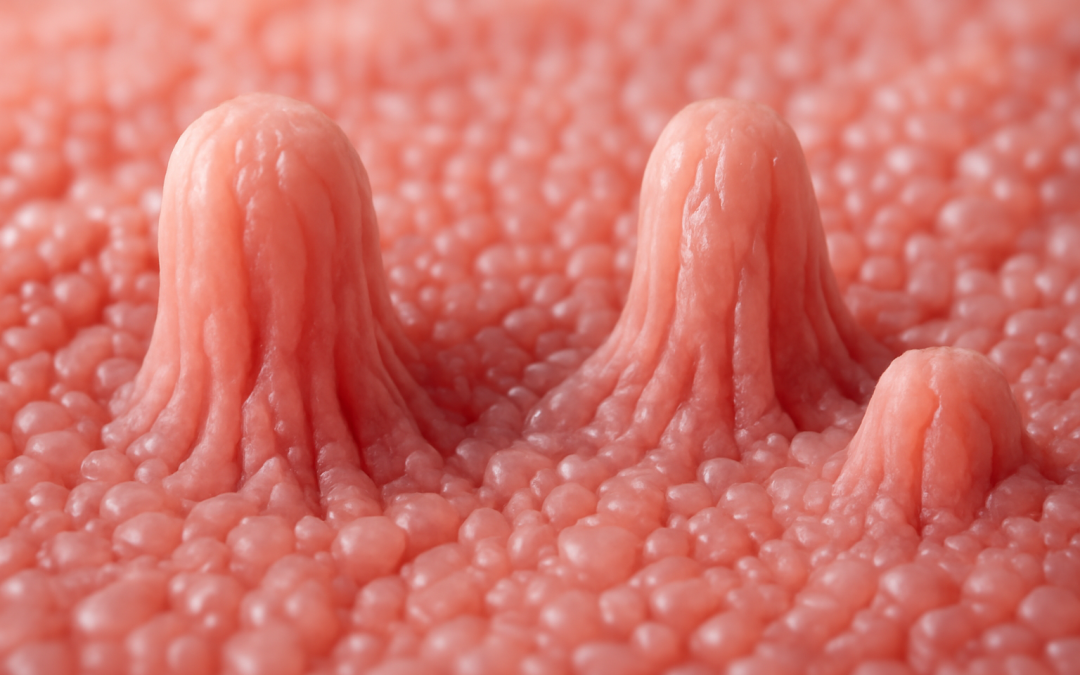
Taste buds are microscopic sensory organs primarily located on the tongue, although they are also found on the soft palate, pharynx, and epiglottis. Each taste bud comprises approximately 50 to 100 specialized gustatory receptor cells that detect chemical stimuli dissolved in saliva. These cells are surrounded by supporting cells, and the entire structure is embedded in epithelial tissue, which protects the taste bud while allowing access to dissolved compounds through a small opening called the taste pore. This arrangement is essential for the continuous monitoring of substances in the oral cavity and the rapid transmission of sensory information to the brain.
The molecular mechanisms behind taste bud function rest on the activation of specific receptors on gustatory cells. Each taste modality corresponds to distinct receptor types that initiate signal transduction pathways. Sweet, bitter, and umami sensations are mediated by G protein-coupled receptors (GPCRs), which activate intracellular pathways upon binding with tastants. For example, sweet taste receptors respond to sugars and artificial sweeteners, while umami receptors detect glutamate and other amino acids, providing a savory flavor profile. Bitter taste receptors, on the other hand, allow organisms to identify potentially toxic compounds, acting as a protective mechanism.
Unlike GPCRs, salty and sour tastes are detected through ion channels on the gustatory cells. Sodium ions from salty foods directly enter specific ion channels, causing depolarization and the generation of an electrical signal. Sour taste detection, which generally corresponds to acids, is based on proton concentration; hydrogen ions from acidic substances interact with ion channels that sense changes in pH. These different modes of detection reflect the diverse and specialized nature of taste bud biology.
Following activation, gustatory cells transmit electrical signals via afferent nerve fibers associated with three cranial nerves: the facial nerve (VII), glossopharyngeal nerve (IX), and vagus nerve (X). These nerves carry the taste information to the brainstem, specifically the nucleus of the solitary tract, from which it is relayed to higher brain regions including the thalamus and gustatory cortex. This neural pathway integrates taste input with other senses such as smell and texture, forming the perception of flavor—a multisensory experience essential for guiding food choices and dietary habits.
Taste buds are dynamic organs with the ability to continually regenerate. Unlike most neurons, gustatory receptor cells have a lifespan of about 10 to 14 days. During this time, supporting basal cells differentiate into new receptor cells to replace those that are shed or damaged. This turnover is crucial for maintaining sensitivity to taste stimuli, as the oral environment is exposed to mechanical stress, microbial presence, and chemical agents that can impair receptor function. The regeneration process is tightly regulated by local stem cell populations and molecular signaling pathways such as those involving Sonic hedgehog (Shh) and Wnt proteins.
Variations in taste bud density and function can have significant effects on taste perception. For example, “supertasters” possess a higher number of taste buds, particularly the fungiform papillae on the anterior tongue, leading to heightened sensitivity to bitter compounds and other taste sensations. This heightened perception can influence dietary choices, often resulting in aversions to certain vegetables or bitter drinks. Conversely, individuals with fewer taste buds or diminished receptor function may experience hypogeusia, a reduced ability to taste, which can affect appetite and nutritional intake adversely.
Age-related changes also impact taste bud biology. As people grow older, there tends to be a decline in both the number and function of taste buds, contributing to altered taste perception. This decline may lead to diminished enjoyment of food, reduced appetite, and subsequent nutritional deficiencies. Understanding these changes has implications for geriatric health care, where maintaining adequate nutrition is a perennial challenge.
Medical conditions and external factors can profoundly influence taste bud function. For example, viral infections—such as those caused by the influenza virus or SARS-CoV-2—can damage taste buds or their associated neural pathways, leading to temporary or sometimes permanent taste dysfunction. Similarly, chemotherapy and radiation treatments for cancer are known to reduce taste bud density and impair receptor cell turnover, resulting in taste distortions or loss. Additionally, smoking, exposure to certain chemicals, and poor oral hygiene are associated with taste bud damage and altered taste perception.
The development of taste buds begins in the embryonic stage and involves complex interactions among various cell types and molecular signals. During embryogenesis, taste buds emerge from the epithelium as placodes, thickened regions that give rise to receptor and supporting cells. The precise arrangement and patterning of these placodes are governed by signaling pathways such as fibroblast growth factors (FGFs) and bone morphogenic proteins (BMPs). Proper development ensures functional taste buds and accurate mapping of taste afferents to the brain.
Beyond their role in flavor detection, taste buds also serve as sentinels for oral health. Some studies suggest that taste receptor cells are involved in detecting bacterial byproducts and may trigger immune responses to maintain mucosal integrity. The presence of taste receptors in other parts of the body, such as the gastrointestinal tract and respiratory system, further underscores the evolutionary significance and multifunctionality of the taste system.
Emerging research in taste bud biology has delved into the genetic basis of taste perception. Variations in genes coding for taste receptors can explain individual differences in taste sensitivity and preferences. For instance, polymorphisms in TAS2R genes, which encode bitter taste receptors, are linked to variations in bitterness perception and dietary behavior. These genetic insights open avenues for personalized nutrition and therapeutic interventions tailored to individual sensory profiles.
In recent years, advances in molecular biology and imaging technologies have deepened the understanding of how taste buds detect and transduce chemical signals. Techniques such as single-cell RNA sequencing have revealed complex gene expression patterns within distinct taste cell types, clarifying their roles and interactions. Additionally, high-resolution microscopy has allowed detailed visualization of taste bud ultrastructure, elucidating the intricate architecture necessary for taste detection.
Understanding taste bud biology has practical applications beyond health and nutrition. The food industry uses knowledge of taste mechanisms to design products that optimize flavor and palatability. For example, artificial sweeteners are developed to mimic sugar’s activation of sweet taste receptors without the caloric content, catering to health-conscious consumers. Similarly, bitterness blockers are employed to mask undesirable tastes in pharmaceuticals, enhancing patient compliance.
The relationship between taste and other sensory modalities is also an area of ongoing exploration. Taste buds do not function in isolation; taste perception is influenced by aromas detected by olfactory receptors and the texture sensed by mechanoreceptors in the mouth. This complex interplay enhances the brain’s ability to identify and appreciate diverse foods, reinforcing the importance of taste buds as part of a larger sensory network.
Moreover, the examination of taste bud biology contributes to understanding how environmental and cultural factors shape dietary habits. The perception of bitterness, for example, varies among cultures, affecting the consumption of traditional bitter foods such as certain vegetables or brewed beverages. Social experiences, childhood exposure, and even psychological factors interact with taste receptor function, demonstrating the multifaceted nature of taste.
Scientific advancements have also begun to explore therapeutic approaches targeting taste buds. For individuals suffering from taste disorders, interventions aiming to promote taste bud regeneration or modulate receptor activity are promising. Stem cell therapies and gene editing techniques offer potential pathways to restore normal taste function in cases of injury or disease, highlighting the translational potential of taste bud biology research.
In summary, the biology of taste buds encompasses a sophisticated and dynamic system finely attuned to detecting chemical cues that influence diet, health, and survival. Through specialized receptor cells, intricate neural pathways, and ongoing regenerative capabilities, taste buds allow organisms to navigate complex chemical environments effectively. The integration of molecular, genetic, developmental, and clinical perspectives provides a comprehensive understanding that continues to inform diverse fields from medicine to food science. As research progresses, unraveling the mysteries of taste bud biology promises to enhance human well-being in multiple dimensions, ensuring that the simple act of tasting remains a source of pleasure and vital information.
by admin | Oct 1, 2026 | Food & Beverage
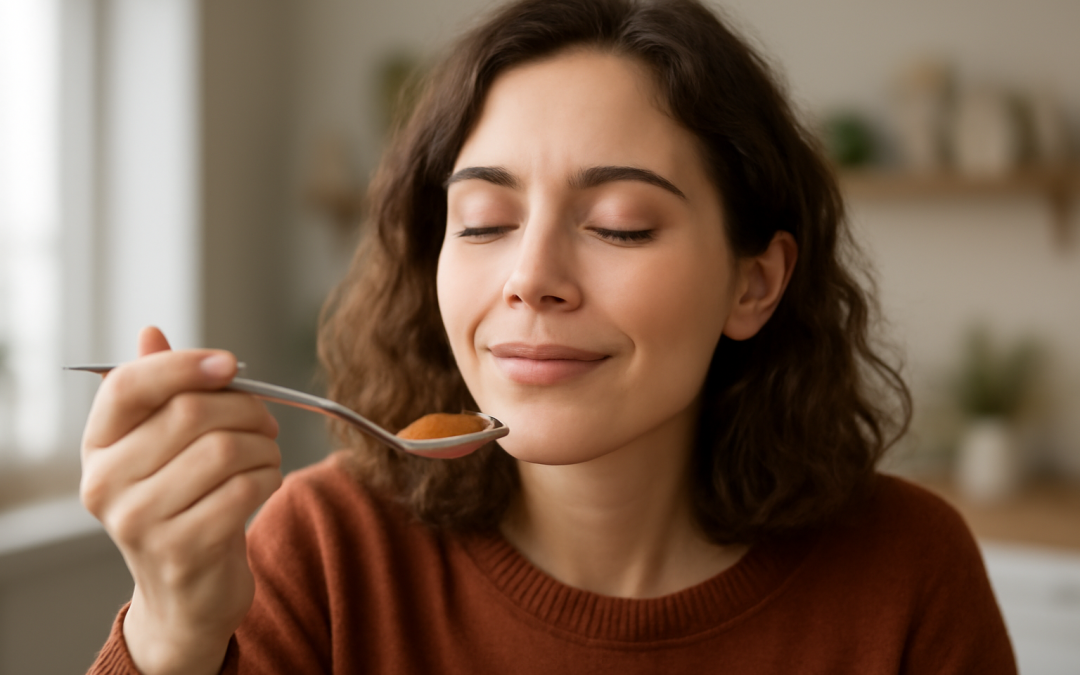
The intricate relationship between our senses and memory has long fascinated scientists and psychologists alike. Among these interactions, the connection between flavor and memory stands out as particularly compelling, partly because it involves a complex integration of sensory experiences and emotional responses. Flavor memory is not merely about recalling the taste of a food or beverage; it encompasses a rich tapestry of sensations, emotions, and contextual associations that shape how we perceive and remember flavors. Understanding this phenomenon offers profound insights into how the brain processes taste and why certain flavors can evoke vivid recollections or emotional reactions even years after they were first encountered.
At the core of flavor memory is the unique way our sensory systems work together. Flavor is not solely dictated by taste buds detecting basic tastes such as sweet, sour, salty, bitter, and umami; it is also heavily influenced by the olfactory system, the sense of smell. When we eat, volatile compounds from the food travel to the olfactory receptors in the nasal cavity, creating a rich array of smells that blend with the taste signals. This combination of taste and smell signals is processed in the brain, particularly in the orbitofrontal cortex, which plays a crucial role in integrating multisensory information. This integration forms the basis of flavor as a holistic sensation, and it is this integrated sensory input that the brain encodes as flavor memory.
The hippocampus, a region widely known for its essential role in the consolidation of long-term memories, is intimately involved in flavor memory as well. When a flavor is experienced, especially in a context laden with emotional or novel significance, the hippocampus helps bind together the sensory experience with the surrounding environment and emotional state. This is why certain foods can trigger autobiographical memories or feelings with remarkable clarity. For instance, the taste of a particular spice or the smell of baked bread can suddenly transport an individual back to a specific moment in childhood or an important life event, a phenomenon often referred to as the “Proustian effect,” named after the French writer Marcel Proust who famously described such an experience.
It is not only the brain’s memory centers that shape flavor recall but also the plasticity of sensory neurons. Research has shown that the neurons responsible for detecting taste and smell can adapt based on repeated exposures, resulting in changes in perception. This neuroplasticity means that flavor memory is dynamic rather than static; repeated exposure to certain tastes can either strengthen positive associations or, conversely, lead to aversions. This mechanism is part of why cultural and familial backgrounds strongly influence flavor preferences. Foods that are commonly eaten during formative years become deeply embedded in the flavor memory system, often contributing to lifelong preferences or dislikes.
Moreover, emotional context plays a pivotal role in flavor memory formation and retrieval. The amygdala, which is involved in processing emotions and rewards, interacts closely with other memory-related regions to modulate how flavor memories are stored and recalled. When a flavor experience is paired with strong positive emotions—such as the joy surrounding a festive meal or the comfort of a familiar homemade dish—the resulting flavor memory is more robust and enduring. Conversely, negative emotional experiences linked to a particular flavor, such as food poisoning or unpleasant social contexts, can lead to avoidance behaviors and aversive memories.
Scientific studies have delved into the nuances of how flavor memory develops and changes over time. For example, children tend to have stronger flavor aversions than adults, possibly because early taste experiences are strongly connected to survival instincts aimed at avoiding harmful substances. As the brain matures, individuals gain a greater ability to modulate these aversions through repeated exposure and learning, which explains why palates often expand in adulthood. Interestingly, the elderly often experience diminished flavor memory as sensory modalities like taste and smell decline with age, which can impair appetite and nutritional intake. This deterioration highlights the interdependence between sensory acuity and the ability to retrieve flavor memories.
The science of flavor memory goes beyond human experience to inform various industries, including food production, marketing, and healthcare. In the culinary world, chefs often leverage knowledge of flavor memory to craft dishes that evoke nostalgia or create memorable dining experiences. This understanding allows for the intentional use of familiar ingredients or combinations that tap into collective flavor memories shared by cultural groups. Similarly, the food and beverage industry uses flavor memory research to tailor products that resonate with consumers’ emotional and sensory expectations, enhancing brand loyalty and customer satisfaction.
In healthcare settings, flavor memory has practical applications in improving patient outcomes, particularly among individuals with cognitive impairments such as Alzheimer’s disease or dementia. Since flavor memory is closely intertwined with emotional memory, familiar tastes can sometimes stimulate recognition and positive responses in patients who may have difficulty with verbal communication or other forms of memory. Therapeutic interventions that utilize familiar smells and tastes are being explored as non-pharmacological approaches to enhance quality of life and cognitive engagement in these populations.
Current research also investigates how genetics influence flavor perception and memory. Variations in taste receptor genes can affect not only sensitivity to certain tastes—such as bitterness or sweetness—but also how flavor memories are encoded and retrieved. These genetic differences help explain why people have diverse flavor preferences and why some individuals are more prone to developing intense flavor memories, whether positive or negative. Furthermore, ongoing studies are exploring how epigenetic factors, including diet and environmental exposures, interact with genetic predispositions to shape flavor memory throughout life.
Another dimension of flavor memory involves its social and cultural context. Food is deeply embedded in cultural identities, rituals, and social interactions, and, as a result, flavor memories often carry shared meanings and symbolism. Communal eating experiences help to strengthen social bonds through the collective creation and reinforcement of flavor memories. This reinforces the idea that flavor memory is not only an individual sensory and emotional construct but also a social phenomenon that contributes to group identity and cohesion.
Technological advancements, such as neuroimaging and sensory testing methodologies, have enabled greater exploration of the neural underpinnings of flavor memory. Functional magnetic resonance imaging (fMRI) studies have revealed distinct brain activation patterns when subjects recall flavors compared to other types of memories, underscoring the specialized nature of flavor processing. These tools also allow researchers to examine how flavor memory interacts with other cognitive functions such as attention, decision-making, and learning.
The interplay between flavor and memory further influences dietary behavior and nutrition. Positive flavor memories can encourage consumption of healthy foods if earlier exposure was favorable, while negative associations can contribute to aversions and poor dietary choices. Understanding these psychological dimensions can assist dietitians and public health officials in designing more effective nutrition interventions that not only appeal to taste but also leverage memory and emotional connections.
In sum, flavor memory is a multifaceted phenomenon that integrates sensory perception, neural processing, emotional context, genetic factors, and social environment. This rich interplay underlies the profound ability of certain tastes and smells to transport individuals through time, evoke emotions, and solidify cultural ties. Recognizing and harnessing the science behind flavor memory opens promising pathways for innovation in culinary arts, medicine, marketing, and beyond. Ultimately, it reminds us that eating is not just a biological necessity but a deeply meaningful experience shaped by the invisible threads of memory.