
by admin | Oct 19, 2026 | Travel & Destinations
Traveling to new destinations often brings excitement and anticipation, but navigating unfamiliar places can sometimes be overwhelming and stressful. Many travelers find that joining a guided tour adds a layer of convenience, insight, and safety that greatly enriches their experience. However, selecting the right company to lead your adventures is a crucial decision that can make or break your trip. With numerous options available in the market, making an informed choice requires careful consideration of several factors to ensure a smooth and memorable journey.
The first step in choosing the right guided tour company lies in identifying the type of experience you want. Are you someone who prefers a slow-paced cultural immersion, or do you lean towards a fast-moving itinerary packed with activities and sightseeing? Some companies specialize in luxury tours, offering exclusive accommodations and personalized services, while others focus on budget-friendly group tours. Understanding your travel style and priorities will help you narrow down companies that align with your expectations. Remember that a company’s specialization often influences the overall quality of your experience.
Reputation is one of the most valuable indicators when evaluating guided tour companies. Customer reviews and testimonials provide real-world insights into the quality of service and overall satisfaction other travelers have experienced. Consulting multiple review platforms and travel forums can offer a well-rounded picture of a company’s strengths and weaknesses. Pay special attention to recurring themes in feedback—consistent praise for knowledgeable guides or complaints about logistical problems can help you avoid potential pitfalls. It’s equally wise to seek recommendations from friends, family, or trusted travel advisors who can share their firsthand experiences.
Another critical aspect to consider is the expertise and qualifications of the tour guides themselves. A knowledgeable and engaging guide can transform a simple sightseeing trip into a captivating journey through history, culture, and hidden gems. Ensure the company employs guides who are not only fluent in the language of the tour but also possess certification or extensive experience relevant to the destinations visited. Some companies provide detailed profiles of their guides on their websites, which can give you insight into their background and passion for the regions they cover. The personality and communication style of guides also matter; an approachable and enthusiastic guide contributes greatly to the enjoyment of the tour.
When examining the offerings of potential tour companies, it’s important to scrutinize the itinerary. A well-crafted itinerary balances popular attractions and off-the-beaten-path experiences while allowing sufficient downtime so travelers can absorb their surroundings without feeling rushed. Avoid companies that pack too many activities into a brief timeframe, as this often leads to a tiring and less meaningful tour. On the other hand, ensure that essential landmarks or experiences aren’t omitted in an overly relaxed schedule. Transparency about daily activities, travel times between locations, and possible optional excursions is a good sign of a company that values clear communication and customer satisfaction.
Safety standards and emergency preparedness are fundamental considerations, especially when traveling to unfamiliar or potentially challenging environments. Confirm whether the tour company adheres to local regulatory requirements and industry safety protocols. This includes proper licensing, insurance coverage, and contingency plans in case of unexpected events such as illness, political unrest, or natural disasters. Ask about the measures taken regarding health and safety, especially in light of ongoing pandemic-related concerns. Prioritizing companies that demonstrate a commitment to traveler well-being helps ensure not only a secure journey but also peace of mind.
Cost is naturally a decisive factor in selecting a guided tour service, but the cheapest option may not always deliver the best value. Consider what is included in the price—accommodations, meals, entrance fees, transportation, and tips can significantly affect overall expenses. Some companies offer all-inclusive packages, providing greater convenience, while others operate on a base rate with numerous add-ons. Beware of hidden fees or surprise costs that might arise after booking. Evaluating the cost relative to the quality, itinerary, and inclusions will help you make a more balanced and informed choice.
Sustainability and ethical practices have become increasingly important to many travelers. Supporting companies that prioritize environmental conservation, respect local cultures, and engage in responsible tourism ensures that your travel has a positive impact. Check if the company holds certifications from recognized sustainable tourism organizations or if they promote initiatives such as reducing waste, avoiding overcrowding, and supporting local communities through fair employment practices. Ethical considerations also extend to how the tours interact with wildlife and indigenous populations. Choosing a company with a strong commitment to responsible tourism enhances the integrity and depth of your travel experience.
Flexibility and customer service quality should never be underestimated. Life is unpredictable, and travel plans sometimes need to change due to unforeseen circumstances. A tour company that offers flexible booking policies, clear cancellation terms, and responsive customer service can significantly reduce stress. Examine how easily you can get in touch with representatives before booking and whether they are willing to customize tours to accommodate special needs or preferences. Good communication before, during, and after the tour reflects a company’s dedication to professionalism and customer care.
Transportation and accommodation arrangements are also central to the quality of a guided tour. Comfortable, reliable transportation that matches the number of travelers helps avoid logistical headaches and fatigue. When reviewing accommodation options, check their standard, location, and compatibility with your expectations for comfort and convenience. Some tour companies provide details or photos of lodging, enabling you to verify whether it suits your preferences. Additionally, consider the environmental impact of the transportation options offered, with many companies now including alternatives like electric vehicles or trains for lower-carbon travel.
Another factor to consider is the group size of the tour. Smaller groups often allow for a more personalized and intimate experience with easier access to the guide, more interaction among participants, and fewer crowds at visited sites. Larger groups can offer a more social atmosphere and be more cost-effective, but they may limit the depth of engagement and flexibility. Assess your comfort level with group dynamics and inquire about the typical number of participants on the tours offered by the company. This understanding can influence your overall enjoyment and the feel of the trip.
Language options are essential depending on your linguistic abilities. Some companies specialize in tours conducted in multiple languages or offer private guides who can speak your preferred language fluently. This can enhance comprehension and participation, making the tour far more accessible and enriching. If you plan on traveling to regions where the local language is challenging or distinct, ensuring effective communication through a competent guide avoids frustrations and misunderstandings.
Lastly, the company’s history and transparency in business practices matter. Established tour operators with years of successful service often have refined processes, strong industry connections, and a deeper understanding of local regulations and customs. Newer companies might bring innovative approaches but can be riskier without a track record. Look for transparency in terms of licensing, terms and conditions, and clear presentation of what is included in the tour package. Reliable operators typically have easily accessible and comprehensive websites, providing detailed information so travelers can book with confidence.
In conclusion, investing time and effort into researching and evaluating options is well worth it when selecting a guided tour company for your next adventure. By focusing on your personal travel style, the company’s reputation, guide expertise, itinerary quality, safety standards, and ethical practices, you set the stage for an enjoyable and hassle-free experience. Equally important are considerations around affordability, group sizes, language accommodations, and customer service responsiveness. Ultimately, the right guided tour company acts not just as a service provider but as a partner in crafting memories that will last a lifetime, enriching your understanding of the world and its diverse cultures. Make your choice with care, and your journey will undoubtedly reflect that wisdom.

by admin | Oct 19, 2026 | Travel & Destinations
Embarking on a trip with a guided tour can transform an ordinary vacation into an extraordinary experience. With a knowledgeable guide leading the way, travelers gain insights and context that are often missed when exploring alone. However, choosing the right guided tour company is crucial to ensuring that your adventure runs smoothly and meets your expectations. The decision involves more than just comparing prices or itineraries; it requires thoughtful consideration of various factors that contribute to the quality, safety, and authenticity of the entire experience.
One of the first aspects to evaluate is the company’s reputation. In today’s connected world, it’s easier than ever to access reviews and testimonials from past travelers. While no company is perfect, consistent positive feedback regarding professionalism, customer service, and meaningful experiences is a good indicator of reliability. Potential customers should pay close attention to detailed reviews that discuss the quality of guides, the accuracy of information provided during tours, and how the company handles unexpected challenges or changes in the itinerary. Companies that actively engage with their clients through responses to reviews are often more committed to maintaining high standards.
Transparency is another vital characteristic to look for. A reputable guided tour company should provide clear, detailed information about what is included in the tour package, such as transportation, meals, entrance fees, and accommodations. Hidden costs can quickly diminish satisfaction and cause frustration. Carefully reading the terms and conditions, cancellation policies, and refund procedures can prevent unpleasant surprises. Additionally, understanding the group size for tours is important. Smaller groups usually offer a more intimate and personalized experience, whereas larger groups might be more affordable but risk feeling impersonal or rushed.
The expertise and qualifications of the guides themselves significantly impact the tour experience. Guides should not only be knowledgeable about the destinations and historical context but also skilled communicators who can engage diverse groups and adapt to different interests and needs. Companies often highlight the backgrounds and certifications of their guides, which can include language proficiencies, emergency training, or specialized knowledge in art, history, nature, or culture. It’s beneficial to choose a provider whose guides are passionate and well-trained, as their enthusiasm often enhances the overall journey by making it more informative and enjoyable.
Safety and ethical standards must be major considerations when selecting a company. This is particularly important for adventure tours or trips to more remote regions. The chosen company should comply with local regulations, offer proper emergency procedures, and maintain high health and safety protocols. Moreover, responsible tourism practices reflect positively on a company. Many travelers today prefer companies that contribute to local communities, support environmental conservation, and respect cultural sensitivities. Asking about these topics or researching a company’s policies online can reveal whether it aligns with values that matter to you.
Customizability and flexibility can also influence the choice. Some travelers have very specific interests or physical limitations, and a one-size-fits-all tour might not be the best fit. Companies that offer tailored itineraries or the option to modify activities can provide a more satisfying experience. Flexibility in scheduling and willingness to accommodate unexpected changes can make a significant difference, especially in regions prone to weather disruptions or other uncertainties. Ensuring that the company demonstrates a customer-oriented approach to handling these issues will help avoid stress during the trip.
Another key element to consider is the cultural authenticity of the experiences offered by the company. Guided tours that emphasize genuine interactions with local residents, traditional cuisine, and authentic cultural practices tend to be more enriching. Check whether the company collaborates with local guides and businesses, supports community projects, or incorporates sustainable tourism principles. This not only enhances the quality of the travel experience but also ensures that your participation positively impacts the destination.
Pricing, while important, should not be the sole deciding factor. Extremely low prices may signal cutting corners on quality, safety, or the legitimacy of services. Conversely, the most expensive tours are not always the best option. Instead, assess the overall value based on what is included, the expertise of guides, accommodations, and the uniqueness of the itinerary. A mid-range price point often balances quality and affordability for most travelers, but researching what competitors offer in terms of inclusions and itinerary scope can help identify the most cost-effective and enjoyable option.
Communication prior to booking plays an essential role as well. A company that is responsive to inquiries, provides clear and detailed answers, and demonstrates patience with potential customers usually reflects the type of service you can expect on the ground. It may also be helpful to understand the company’s support system, such as whether they provide assistance during the tour, have local offices or representatives, and what channels are available for emergency contacts.
When deciding, it is valuable to consider the specific interests and goals you have for your trip. Whether you want a deeply educational experience, an adrenaline-filled adventure, a relaxing cultural journey, or a combination of these, selecting a guided tour company that specializes in or frequently conducts tours in your area of interest will enhance satisfaction. Specialization often correlates with deeper knowledge, industry connections, and more authentic opportunities.
Additionally, the longevity and stability of the company can offer peace of mind. Established companies with years of experience are often more reliable, having refined their operations and cultivated local partnerships over time. However, some newer companies may bring innovative approaches or niche experiences, so it is wise to accompany company age with thorough research and reviews rather than dismissing new entrants outright.
In summary, choosing a guided tour company demands a multifaceted approach that balances reputation, transparency, guide expertise, safety standards, cultural authenticity, customization options, pricing, communication, and alignment with personal travel goals. Investing time in research and critical evaluation can transform your journey from a simple sightseeing excursion into a deeply memorable and enriching experience. By selecting a company that prioritizes quality and ethical travel, you not only enhance your own adventure but also contribute positively to the places and communities you visit.
by admin | Oct 18, 2026 | Travel & Destinations
Embarking on an adventure trip is an exhilarating way to explore new environments, challenge personal limits, and discover the beauty of the natural world. However, despite the thrill and excitement, prioritizing safety is essential to ensure that the experience remains enjoyable and free from unnecessary risks. Planning an adventure trip safely requires a careful balance of preparation, awareness, and flexibility, allowing travelers to make the most of their journey while protecting their well-being.
A strong foundation begins with research. Understanding the destination thoroughly is critical—this includes climate conditions, wildlife, political stability, cultural norms, and potential hazards specific to the area. For example, a trek in a tropical rainforest demands awareness of weather patterns, terrain challenges, and local wildlife, while an expedition to a mountainous region involves preparation for altitude sickness and sudden weather changes. Utilizing reliable sources such as government travel advisories, guidebooks, and local experts helps paint a clear picture of what to expect and what precautions to take.
Physical preparation is another crucial aspect often overlooked by adventurers eager to dive into their expedition. Many adventure activities demand stamina, strength, and endurance, making it essential to assess one’s fitness level objectively. Tailoring a training routine to the type of adventure planned—whether hiking, kayaking, or climbing—reduces the likelihood of injury and fatigue during the trip. Additionally, getting a medical check-up before traveling can help identify any underlying health issues that may affect performance or necessitate specific precautions.
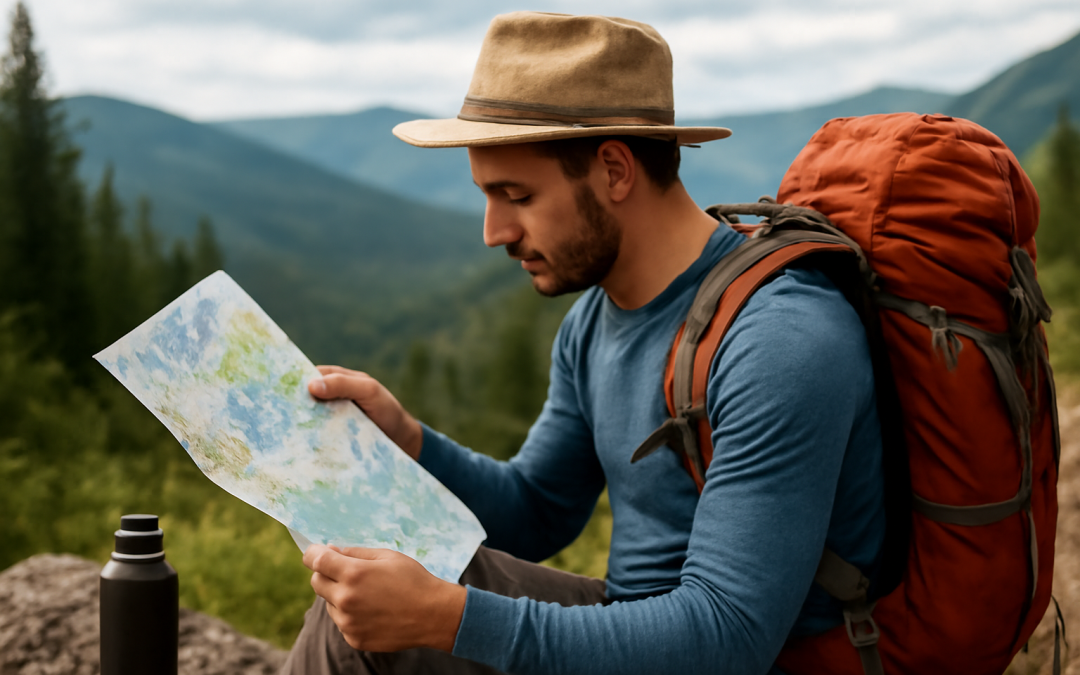
Equipping oneself with appropriate gear is a fundamental step in ensuring safety on an adventure trip. The selection of equipment should be based not only on the activities planned but also on the environment and conditions expected throughout the journey. High-quality shoes or boots, weather-resistant clothing, navigation tools, and first aid supplies are just a few essentials that can make a significant difference. Carrying redundant or backup gear, such as extra batteries or a secondary communication device, helps mitigate risks linked to equipment failure. It’s also important to test all gear in advance to ensure it functions properly and is comfortable to use.
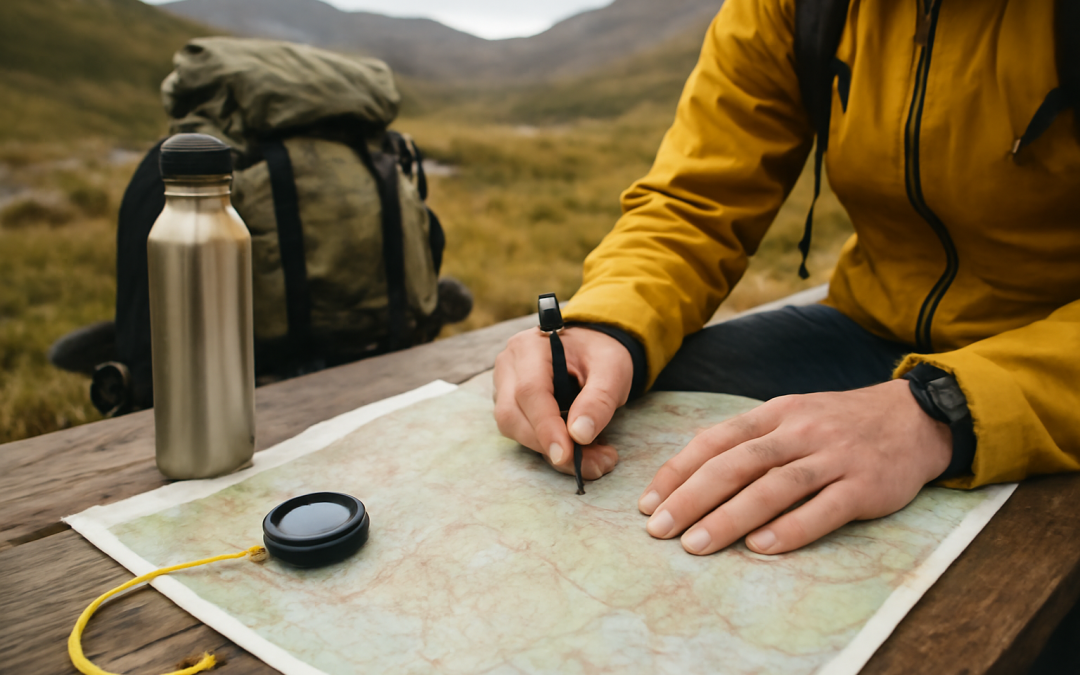
In addition to physical preparation and gear, learning essential skills related to the adventure plays a vital role in safety. Basic navigation, first aid, and emergency response training can empower travelers to react effectively during unforeseen situations. For example, understanding how to use a map and compass or how to perform CPR can be lifesaving in remote locations where professional help may be hours or days away. Consider enrolling in relevant courses or workshops before the trip, or practicing these skills through local outdoor activities.
One of the most significant safety measures involves planning the logistics around the trip. This includes designing a detailed itinerary, establishing check-in points, and sharing travel plans with trusted contacts. Such steps ensure that someone is aware of your whereabouts and expected timeline, which is critical if an emergency arises. It is advisable to factor in buffer days for unforeseen delays or adverse weather conditions, reducing the pressure to push through potentially dangerous situations. Additionally, adopting a flexible mindset allows for changes based on real-time circumstances rather than rigid adherence to the initial plan.
Communication remains a cornerstone of safe adventure travel. While modern technology offers an array of devices to stay connected, dependence on smartphones may not always be practical or reliable in remote areas. Alternative communication tools such as satellite phones, emergency beacons, or two-way radios offer enhanced coverage and can be indispensable during rescue operations. It is equally important to know how and when to use these devices correctly, as well as to carry extra power sources. Having multiple ways to communicate increases the chances of quickly accessing help when needed.
Environmental awareness is pivotal during any outdoor adventure. Respecting the terrain and local ecosystems not only preserves the beauty and integrity of nature but can also prevent encounters with dangerous conditions and wildlife. Avoiding fragile areas, following marked trails, and practicing responsible waste disposal reduce environmental impact and help maintain the safety of the trip. Before venturing into the wild, understanding the behaviors of local wildlife and how to respond to encounters reduces the risk of accidents or injuries caused by animals.
Nutrition and hydration strategies will significantly impact energy levels and overall safety during an adventure trip. Carrying sufficient water and knowing how to purify natural sources safeguards against dehydration and waterborne diseases. Similarly, packing nutrient-dense, easy-to-prepare food provides the necessary fuel for physical exertion. Planning meals and hydration with the intentions of the activity’s intensity and duration prevents fatigue and potential illness. Monitoring personal signs of dehydration or exhaustion and responding promptly by resting or hydrating can avert more serious complications.
Navigating legal and cultural aspects of the destination also contributes to a safer experience. Securing the appropriate permits or permissions for activities like camping, trekking, or fishing avoids legal troubles that might interrupt the trip. Understanding local customs, traditions, and etiquette helps foster respectful interactions with residents, reducing the chances of conflict. Being informed about regulated areas or restricted zones ensures compliance with local laws aimed at preserving the environment and protecting both visitors and locals.
Mental preparedness is an often underestimated element of safe adventure travel. Facing unpredictable weather, strenuous physical challenges, or unexpected delays can be mentally taxing. Developing resilience, patience, and problem-solving skills before and during the trip equips adventurers to handle stressful situations effectively. Setting realistic expectations also prevents frustration and risk-taking behaviors that might arise from disappointment or haste. Whether traveling alone or in groups, maintaining a positive attitude and remaining calm under pressure can be decisive in managing emergencies.
Group dynamics and safety protocols deserve attention when traveling with others. Clear communication, role assignments, and mutual support help prevent accidents and facilitate coordinated responses to issues. Establishing guidelines for staying together, handling emergencies, and decision-making creates a safety net that strengthens the group’s ability to navigate challenges. Moreover, making sure that all members are equally empowered with knowledge, skills, and equipment enhances collective preparedness. Conflict resolution strategies should also be in place to avoid disruptions that might compromise safety.
Insurance and contingency planning serve as vital backups in the event of unforeseen incidents. Travel insurance with coverage for adventure activities, medical evacuation, and trip cancellations provides financial protection and peace of mind. Understanding the terms and limitations of the policy ensures that travelers are not caught off guard when filing claims. Preparing for worst-case scenarios—such as lost gear, injuries, or sudden changes in political or environmental conditions—reduces panic and accelerates effective responses. Keeping copies of important documents and emergency contacts accessible at all times facilitates timely assistance should it be necessary.
When it comes to transportation during adventure trips, choosing reliable options and understanding the routes is essential for safety. Whether rented vehicles, boats, or trekking paths, verifying their conditions, credentials, and risks beforehand prevents exposure to avoidable hazards. For instance, driving on unfamiliar roads requires vigilance regarding traffic laws and local driving behaviors, while boat trips might demand knowledge of weather forecasts and water currents. Hiring trusted guides or transportation services adds an additional layer of security and local expertise.
Finally, post-trip assessment ensures continuous learning and improves future safety. Reflecting on experiences, identifying what worked well, and acknowledging any challenges or close calls contribute to refining planning and preparation skills. Sharing knowledge with fellow adventurers and participating in community discussions promotes collective safety awareness. Using feedback to adjust gear choices, training routines, or itinerary structures allows adventurers to evolve and enjoy safer trips moving forward.
In conclusion, venturing into the unknown with the right preparation transforms an adventure trip from a risky endeavor into an empowering and unforgettable journey. By combining extensive research, physical readiness, appropriate equipment, necessary skills, and thoughtful planning, travelers can minimize dangers and maximize enjoyment. Maintaining adaptability, respecting the environment, fostering good group dynamics, and securing proper insurance further reinforce safety. Ultimately, careful planning and responsible action ensure that each adventure not only challenges but also enriches the mind and spirit without compromising well-being.
by admin | Oct 18, 2026 | Travel & Destinations
Embarking on an adventure trip can be one of the most exhilarating and rewarding experiences in life. The thrill of exploring new terrains, immersing yourself in unfamiliar cultures, and testing your limits in the great outdoors offers a profound sense of accomplishment and joy. However, adventure travel also brings inherent risks that require careful consideration and preparation. Ensuring that your journey is both exciting and safe requires a well-thought-out approach, balancing the spirit of exploration with practical measures to mitigate potential dangers. Understanding how to plan an adventure trip safely lays the foundation for unforgettable moments without compromising your well-being.
The first step in the planning process is to conduct thorough research on your chosen destination. This goes beyond simply identifying the most scenic routes or popular activities. It involves delving into the local climate, terrain challenges, health risks, political stability, and cultural norms. Gathering detailed information from credible sources such as official tourism websites, travel advisory agencies, and seasoned travelers helps in painting a realistic picture of what to expect. Knowing these factors allows you to prepare adequately and avoid surprises that could jeopardize your safety. For example, understanding seasonal weather conditions can help prevent encountering hazardous storms or extreme temperatures during your trip.
Equally important is assessing your own physical condition and skill level relative to the expected demands of the adventure. Whether it involves trekking through dense forests, skiing down steep slopes, or diving into deep waters, ensuring that you have the requisite fitness and technical knowledge is crucial. It is advisable to gradually build your endurance and skills well before the trip, perhaps through local training or guided practice outings. Overestimating your abilities can lead to accidents or exhaustion, endangering both yourself and those with you. If you are new to a particular activity, engaging with professional instructors or guides can provide essential insights and training.
A vital aspect of planning an adventure trip safely is creating a detailed itinerary and sharing it with trusted contacts. This itinerary should include clear information about your planned routes, daily schedules, accommodation arrangements, and emergency contact numbers. Securely sharing this data with family or friends back home ensures that someone is always aware of your whereabouts. It also facilitates prompt assistance if you fail to check in or encounter unforeseen complications. In remote or isolated areas where cellphone reception may be unreliable, considering satellite communication devices or personal locator beacons can significantly enhance your safety.
When it comes to gear and equipment, meticulous selection and preparation can make a decisive difference. Choosing the right clothing and tools tailored to your specific adventure is critical for both comfort and survival. This means selecting moisture-wicking fabrics for hot climates, insulating layers for cold weather, and sturdy footwear suitable for rough terrains. Ensuring that all your gear is in optimal condition through pre-trip inspections prevents costly malfunctions in crucial moments. Carrying essential safety items such as a well-stocked first aid kit, navigation aids, and emergency shelter materials equips you to handle unexpected situations effectively.
Health precautions should never be overlooked in adventure travel planning. Vaccinations, preventive medications, and knowledge of local health hazards form an integral part of preparation. Visiting a travel clinic well in advance allows you to acquire necessary immunizations and receive personalized advice based on your itinerary and health history. Maintaining proper hygiene and carrying sanitation supplies—especially in areas with limited access to clean water—helps prevent illness. Additionally, understanding altitude sickness symptoms, dehydration risks, or local wildlife dangers enables you to take timely action in case of emergencies.
Mental preparedness plays an often-underrated role in safe adventure trip planning. The unpredictable nature of adventure travel requires adaptability, patience, and a calm mindset under stress. Developing these psychological attributes can help you navigate challenges fluidly without panic, which is essential in crisis situations. Setting realistic expectations and acknowledging the possibility of setbacks fosters resilience and encourages problem-solving attitudes. Engaging in mindfulness techniques or stress management practices before and during your trip can promote mental clarity and better decision-making.
Insurance coverage tailored to the unique risks of adventure travel should be a non-negotiable consideration. Many standard travel insurance policies exclude high-risk activities; therefore, securing specialized adventure travel insurance ensures you are financially protected in case of medical emergencies, trip cancellations, or equipment loss. Reviewing policy terms carefully to understand coverage limits and exclusions prevents unexpected expenses and complications. Having access to international medical evacuation services can be life-saving when faced with serious injury or illness in remote locations.
Environmental responsibility is another factor intertwined with safety during adventure trips. Respecting local ecosystems and regulations not only preserves natural beauty for future explorers but also reduces hazards stemming from interference with wildlife or fragile habitats. Staying on designated trails, packing out all waste, and avoiding disruptive behaviors help maintain ecological balance and community goodwill. Being conscious of how your actions impact the environment contributes to a safer and more sustainable travel experience for everyone involved.
The role of local guides and experts cannot be overstated when venturing into unfamiliar or challenging areas. Hiring knowledgeable and certified guides provides invaluable insights into the terrain, weather patterns, and cultural nuances that might be missed otherwise. Their experience aids in risk assessment and navigation, increasing your chances of a successful and safe adventure. In many regions, local guides also support community economies and foster positive intercultural exchanges. Collaborating with trusted professionals enhances both your enjoyment and security.
Packing smartly with a focus on essentials while minimizing weight is another practical consideration for safety. Overpacking can impede mobility and increase fatigue, whereas underpacking risks leaving you unprepared for adverse conditions. Prioritize versatile gear that serves multiple purposes and ensure easy access to important items like water, food, maps, and communication devices. Regularly reviewing and adjusting your packing list to reflect the latest information about the destination helps maintain balance. Efficient packing supports your ability to respond quickly to changing circumstances and reduces physical strain.
Familiarizing yourself with local laws, customs, and etiquette before departure is an essential safety measure. Different destinations have varied regulations regarding outdoor activities, interaction with wildlife, and acceptable conduct. Breaking local laws—even unintentionally—can result in legal troubles or dangerous confrontations. Learning respectful communication practices and cultural sensitivities promotes positive interactions with local residents. This understanding cultivates goodwill, which can be crucial in receiving assistance if needed and enriching your overall experience.
Emergency preparedness is a cornerstone of safe adventure travel. Beyond carrying the appropriate equipment, practicing basic survival skills prior to the trip equips you to manage unexpected predicaments. Skills such as fire-starting, water purification, basic first aid, and navigation without electronic aids can be life-saving. Familiarizing yourself with the emergency procedures specific to your chosen area, including evacuation routes and nearest medical facilities, enhances your readiness. Conducting scenario planning or simulations with your travel companions can build confidence and teamwork in managing crises.
Maintaining situational awareness throughout the trip significantly reduces risks associated with adventure travel. Being attentive to changes in weather, terrain conditions, and your physical health allows for timely adjustments to your plans. Avoiding complacency by regularly reassessing environmental cues and interpersonal dynamics among your group ensures proactive decision-making. Practicing mindful observation when hiking, climbing, or participating in other adventure activities helps you identify potential hazards before they escalate. Safety-conscious behavior is a continuous process that underpins every successful adventure.
Communication with your travel companions and local contacts sustains a network of support crucial for safety. Establishing clear protocols for check-ins, decision-making, and responding to emergencies prevents confusion and enhances group coherence. Respecting each individual’s limitations and opinions fosters collective responsibility and reduces conflicts that can compromise safety. In areas where language barriers exist, learning basic phrases or utilizing translation tools facilitates smoother interactions and quick conveyance of critical information. Effective communication is fundamental to maintaining security in unpredictable situations.
Taking time to acclimatize to the environment prior to undertaking strenuous activities safeguards against physical distress. This is particularly important in high-altitude or extreme climate destinations where the body needs adjustment to prevent complications like altitude sickness or heatstroke. Gradually increasing activity levels and monitoring how your body responds allows you to enjoy the adventure without overexertion. Adequate rest, hydration, and nutrition during this period support optimal adaptation. Ignoring acclimatization can turn a thrilling adventure into a health crisis.
Contingency planning adds a layer of protection by preparing for the unexpected. Developing alternative routes, backup transportation options, and flexible scheduling helps mitigate disruptions caused by weather, road closures, or other unforeseen obstacles. Having a financial buffer for emergency expenditures or evacuation enhances resilience in crisis scenarios. Keeping digital and physical copies of important documents such as identification, permits, and medical records ensures quick access when needed. Contingency measures embed adaptability and foresight into your travel blueprint.
Respecting wildlife from a safe distance is not only an ethical obligation but also a critical safety practice. Unexpected encounters with animals can escalate quickly if boundaries are not maintained. Understanding the behavior patterns of local fauna and adhering to guidelines on interaction minimizes risks of attacks or transmission of zoonotic diseases. Avoiding feeding or provoking animals preserves natural ecosystems and reduces dependency on human presence. Awareness and respect in this regard safeguard both travelers and wildlife populations.
Hydration and nutrition management play pivotal roles in maintaining energy and cognitive function during physically demanding adventures. Carrying sufficient water and recognizing signs of dehydration or foodborne illnesses prevent incapacitation. Opting for lightweight, high-energy foods that are easy to digest and store supports sustained activity levels. Planning for water sources and purification methods in remote locations ensures you remain well-nourished throughout your journey. Neglecting these basic physiological needs can compromise safety and enjoyment.
Finally, remaining flexible and open-minded during your adventure travel experience contributes significantly to safety. Unexpected events may require altering plans, dialing back ambitions, or seeking local assistance. Embracing these changes with a positive attitude diminishes stress and fosters solutions-oriented thinking. Viewing challenges as part of the adventure rather than setbacks promotes emotional well-being and resilience. This mindset not only enhances personal safety but deepens the fulfillment drawn from your travels.
Adventure travel offers a unique opportunity to push boundaries and create lasting memories. By embracing a comprehensive approach to preparation — rooted in research, physical and mental readiness, effective communication, and respect for nature and culture — you create the conditions for an experience that is not only exciting but secure. The careful balance of boldness and caution ensures that each step taken into the unknown is supported by a framework of safety, allowing you to return with stories of triumph and discovery rather than setbacks and regrets.
by admin | Oct 17, 2026 | Travel & Destinations
There is something profoundly liberating about stepping away from the rigid itinerary and exhaustive checklists that often dominate trip planning. A journey free from the constraints of detailed schedules allows for true relaxation, providing the space to savor spontaneous moments and absorb the environment naturally. The appeal lies in the balance between preparation and freedom—enough structure to ensure a smooth experience, but enough openness to let the day unfold on its own terms. This approach fosters a deeper connection with the destination and a genuine sense of rest and rejuvenation.
The first step in creating a relaxing trip with minimal plans is to identify the purpose and desired pace of the getaway. Are you seeking quiet solitude, creative inspiration, or simple downtime? Understanding your personal priorities helps in selecting the right destination and framing your activities without overcommitting. Choosing a place that inherently supports relaxation, such as a secluded beach town, a quiet mountain village, or a countryside retreat, sets the tone and reduces the pressure to fill every hour with activity. When the surroundings are peaceful by nature, the need for complicated logistics diminishes.
Once a destination is selected, focus on the essentials that guarantee comfort and ease during your stay. Booking accommodations early is advisable to ensure you have a chosen place to settle into without the stress of last-minute decisions. Opt for a setting that offers tranquility and convenience, such as a boutique guesthouse, a cozy cabin, or a small inn with personable hosts. These types of lodgings often provide not only a restful environment but also a degree of local insight when asked, which can inform light planning without overbearing the sense of spontaneity.
When it comes to transportation, simplicity is key. If the destination allows, try to avoid complicated connections or excessive transit time; direct routes reduce travel-related stress. If driving is an option, it offers flexibility in your daily movements, allowing for unplanned stops or detours. However, if you prefer public transportation, familiarize yourself with schedules just enough to prevent delays, while remaining open to impromptu exploration. The goal is to facilitate easy movement without encumbering yourself with strict timetables.
Pack lightly and strategically, focusing on comfort and versatility rather than preparing for every conceivable situation. Clothing choices should prioritize ease and suitability for the climate, while including a few layers for changing conditions. A small selection of personal items that bring comfort—a favorite book, a journal, or a camera—can enhance the experience without becoming burdensome. By limiting what you bring, you also psychologically reinforce the intent to go with the flow rather than adhering to plans.
A practical yet minimal planning approach involves knowing a few key points of interest and services nearby, enough to feel secure without obligation. This might mean researching the location of a nearby grocery store, a local café, or a park, so you have places to turn to without needing a fully structured agenda. Similarly, pinpointing one or two gentle activities, like a scenic walk or a scheduled yoga class, offers options when you feel inclined but leaves space for relaxation. Avoiding a packed itinerary allows you to savor quiet mornings, leisurely lunches, and unhurried evenings.
Meals become an opportunity to immerse yourself in local culture without pressure. Instead of making detailed dining plans, embrace the freedom to wander and sample whatever appeals as you move about. Visiting farmer’s markets or picking up provisions from local shops can inspire simple, fresh meals that nourish without fuss. When dining out, trust spontaneous recommendations from locals or reviews rather than pre-booking every dinner. This approach not only reduces planning but invites pleasant surprises, conversations, and encounters that enrich your stay.
Mental preparation is just as crucial as physical arrangements. Cultivating a mindset centered on curiosity and acceptance prepares you to appreciate moments as they arise rather than striving for perfection. Letting go of the need to see and do everything opens space for mindfulness and presence, two essential ingredients for genuine relaxation. Embrace the small, ordinary experiences—the quiet sunrise, the sound of waves, the aroma of fresh coffee—without the pressure of turning them into souvenirs or photographic opportunities.
It’s important to set boundaries that protect your relaxation, especially in an age when digital distraction is pervasive. Limit exposure to work emails and social media to fully disconnect and reduce cognitive clutter. Using technology intentionally, for navigation or quick reservations, without falling into habitual scrolling helps maintain focus on the present moment. Consider also moments without screens entirely—reading, writing, or simply observing your surroundings can deepen the restorative power of your trip.
Allowing room for naps, downtime, or simply sitting in one place and watching the world go by recalibrates your internal rhythm away from the rush of everyday life. It reminds you that rest is a priority and an active component of your travel experience. These pauses often become cherished memories precisely because they contrast so sharply with the usual pace. Practicing this gentle cadence during the trip can also translate into healthier habits once you return home, reinforcing the benefits of intentional slowing down.
When friends or family join you on such a trip, clear communication about the minimal plan philosophy helps align expectations. Traveling together with the shared understanding that flexibility and downtime are non-negotiable removes potential conflicts and strengthens connections. Each person can suggest simple ideas or interests without the pressure of a fixed agenda, creating a collaborative environment where everyone feels comfortable contributing or simply opting out. This unstructured togetherness nurtures easy conversation and genuine presence.
While some travelers thrive on unplanned adventures, others find comfort in having a loose framework or daily rituals. It’s helpful to consider which aspects of minimal planning support your personality and needs. For instance, starting each day with a walk or coffee at the same spot can provide a comforting anchor while leaving the rest of the day open. Alternatively, designating a single highlight per day—like visiting a museum or attending a local event—can add focus without overwhelming your schedule. Tailoring minimal plans to your style enhances enjoyment and reduces the temptation to over-schedule.
Incorporating mindfulness or meditation practices into your trip can deepen the feeling of relaxation and enhance your awareness of the environment. Setting aside a few minutes daily for breathing exercises or reflection helps center your thoughts and keeps stress at bay. These practices complement the ease created by minimal planning, nurturing a holistic sense of wellness that touches body and mind alike. Even a short mindfulness routine can transform an ordinary moment into a meaningful one, amplifying the restorative quality of the journey.
Embracing unpredictability does not mean abandoning responsibility altogether. Staying aware of basic safety guidelines, local customs, and travel advisories ensures your trip remains trouble-free. Keeping identification, emergency contacts, and funds organized gives you peace of mind. Carrying a map or having offline access to crucial information can help avoid the stress of being unprepared in an unfamiliar place. Minimal planning includes anticipating potential challenges without letting them dictate your experience.
At times, the best moments arise from unplanned encounters and unexpected detours. Leaving space for these surprises means actively resisting the urge to fill every minute with something “productive.” Sometimes a spontaneous conversation with a vendor, an invitation to a local gathering, or taking a wrong turn that leads to a hidden gem are the highlights that make your trip memorable. Being open to these experiences requires flexibility and a mindset that values process over outcome, which is the essence of a relaxing trip with minimal plans.
Transitions also deserve gentle attention. Traveling to and from your destination without rushing allows you to ease in and out of the travel mindset. Scheduling arrival and departure times that avoid peak hours or excessive traffic reduces unnecessary tension. Arriving with ample daylight or staying overnight near the airport can smooth the edges of travel fatigue. Similarly, giving yourself a buffer day before returning to obligations helps preserve the calm cultivated during the trip, preventing abrupt shifts back to busy daily life.
Reflecting on the experience at the journey’s close can consolidate its benefits and offer insights for future travel. Journaling or simply pondering what brought joy, calm, or surprise invites appreciation for both the place and the approach. Recognizing the contrast between the liberation of minimal planning and the stress of over-scheduling reinforces the intention for future trips. This reflection shift turns a one-time retreat into a sustainable practice of relaxation that can permeate everyday living.
Ultimately, crafting a trip that prioritizes relaxation over rigid plans demands a mindful balance between intention and freedom. It requires choosing the right environment, packing light, preparing just enough, and cultivating an open, present mindset. The rewards of such a journey extend beyond the days spent away—they ripple into improved well-being, renewed creativity, and a deeper sense of connection with both the world and oneself. In a culture that often equates productivity with value, this intentional relinquishing of control offers a precious reminder that sometimes the most meaningful experiences come when we allow life to unfold naturally.
by admin | Oct 17, 2026 | Travel & Destinations
In today’s fast-paced world, the idea of taking a vacation has increasingly become synonymous with cramming an itinerary so full that relaxation feels nothing more than a fleeting afterthought. Yet, there’s a growing movement toward travel that emphasizes slowing down, savoring moments, and letting spontaneity reign. Planning a relaxing trip with minimal plans isn’t about inadequacy or lack of preparation; it’s about creating space for calm, discovery, and a genuine connection to your surroundings without the pressure of a rigid schedule. The art of minimizing plans allows travelers to reclaim the essence of leisure and rediscover the joy of unstructured time.
Starting with the mindset is crucial when aiming for relaxation through minimal planning. Rather than filling every waking hour with must-see sights and pre-booked tours, embrace the idea that the journey itself is the experience. Establishing a flexible framework—selecting a destination or two, deciding on approximate dates, and booking essential accommodations—provides a loose skeleton while leaving room for fluidity. This approach reduces the overwhelm often associated with overplanning and cultivates anticipation for unexpected encounters and discoveries.
Choosing the right destination with minimal plans in mind significantly influences the overall success of the trip. Opt for places that naturally lend themselves to slow travel, such as coastal towns, quiet countryside areas, or cities with accessible parks, café-lined streets, and art galleries where it’s easy to wander without a strict agenda. Consider how well the chosen location aligns with your personal preferences for relaxation—whether that means beautiful natural settings, cultural immersion, or simply a comfortable place to unwind. Avoid highly touristy spots during peak seasons to dodge crowds, which can often disrupt a relaxed atmosphere.
When the goal is to unwind, the act of packing becomes an opportunity to simplify rather than complicate. Focus on versatile clothing layers, essentials for comfort, and leave extra space in your luggage for souvenirs or items discovered along the way. Overpacking can add unnecessary stress and slow movement, whereas a lean packing list supports the freedom of unplanned moments. Prioritize comfort and practicality over aesthetics, and include things like a favorite book, journal, or headphones—tools that enhance solitary downtime.
Transportation choices also impact the flow and mood of the getaway. Selecting modes of travel that reduce stress—direct flights, scenic train rides, or comfortable road trips—set the tone early on. Arriving refreshed and unhurried is foundational for a trip built around relaxation. Depending on the destination, consider renting a bike, walking, or using public transit to explore at a natural pace rather than rushing through multiple destinations in a single day by car or tour bus.
Once on location, one of the keys to relaxation lies in embracing an open schedule. Resist the urge to plan daily activities down to the hour. Instead, wake up with no set expectations, and gauge your desires based on energy levels and mood. Whether it’s a slow morning with coffee on a balcony or an afternoon nap under a shady tree, honoring your body’s needs promotes true rest. This organic way of experiencing a place often leads to richer, more memorable moments than a tightly packed itinerary ever could.
Exploration within a relaxed framework means engaging with the environment and the local culture at a gentle pace. Wander the streets without predetermined destinations. Stop by local markets to sample fresh produce or handmade crafts. Strike up conversations with shop owners or other travelers. These spontaneous interactions often become the highlights of a trip, adding depth and authenticity. Moreover, spending time in natural surroundings—such as parks, beaches, or gardens—without any agenda can restore mental clarity and foster a strong sense of well-being.
Downtime is as critical to a relaxing trip as exploration. Fielding moments of complete stillness, such as reading under a tree or listening to ambient sounds on a quiet beach, serves as a necessary counterbalance to activity. Prioritizing these interludes allows the brain and body to process new experiences and rejuvenate. When planning minimally, allocate time freely for such pauses, understanding that relaxation is not a byproduct to squeeze in between activities but the core intention of the journey.
Another important aspect of traveling with minimal plans is the relaxation of expectations. Often, travel frustrations arise when things don’t adhere to our desired timetable or when plans fall through. Embracing uncertainty and treating unexpected changes or delays as opportunities for new experiences helps maintain a relaxed mindset. For example, a sudden rainstorm could lead to finding a cozy café or an impromptu visit to a local museum. Accepting that not everything can be planned out fosters resilience and keeps anxiety at bay.
Digital detox can amplify the benefits of this style of travel. Limiting screen time and social media interaction enables deeper immersion in the present moment. Without the distractions of constant notifications or the urge to document every detail, travelers can fully engage with their surroundings and inner thoughts. Scheduling intentional breaks from devices or setting phone boundaries, like checking messages only once or twice daily, helps maintain a tranquil travel vibe and safeguards mental health.
Nutrition on a relaxed trip deserves attention without rigid planning. Exploring local food through casual meals at markets, street vendors, or small family-run restaurants charts a culinary adventure without the ordeal of reservations and strict dining schedules. Sampling fresh, seasonal ingredients supports health and aligns with the unhurried rhythm. Taking in meals slowly and mindfully accentuates the overall relaxation experience while forging a connection to the culture and place.
Sleep hygiene is another often overlooked element that contributes significantly to the rejuvenative goal of traveling with minimal plans. Prioritizing restful nights by choosing accommodations conducive to sleep—quiet neighborhoods, cozy rooms with good bedding, and blackout curtains—enhances ability to fully recover. Maintaining regular sleep routines as much as possible, despite the change in surroundings, helps mitigate jet lag and morning grogginess, allowing travelers to greet each day feeling refreshed and ready to embrace whatever unfolds naturally.
Budgeting is simplified with a minimalist approach. Instead of large deposits or advance payments for excursions and tours, funds are reserved for spontaneous activities or indulgences discovered on the road. This flexibility decreases the pressure to stick rigidly to prearranged plans and grants freedom to allocate more resources toward well-being experiences, such as spa visits, yoga classes, or leisurely boat rides. Furthermore, reducing pre-planned expenses helps avoid stress over non-refundable costs if plans change.
Companionship dynamics also play a role in planning a calming vacation. Traveling solo often naturally encourages introspection and peace, allowing total control over the pace and interests. However, group travel can also be relaxing if all participants agree on a light itinerary. Open communication about each traveler’s expectations fosters harmony and ensures everyone feels comfortable with the spontaneity inherent in minimal planning. Selecting companions with compatible energy levels and ideas about downtime is essential to maintain a restful atmosphere.
Incorporating creativity and mindfulness practices enhances the quality of a relaxed journey. Carrying a sketchbook, practicing meditation outdoors, or simply journaling thoughts and observations deepen the connection to the moment and provide a constructive outlet for reflection. These activities don’t require extensive preparation or rigid schedules, fitting seamlessly into unplanned pauses. They can transform quiet moments into meaningful milestones, enriching the travel experience beyond sightseeing alone.
Weather considerations, while difficult to predict far in advance when keeping plans minimal, can be managed with adaptability. Rather than forcing outings during unfavorable conditions, use inclement weather as an excuse to slow down further—visit a local library, enjoy a warm beverage at a neighborhood café, or indulge in indoor relaxation like spa treatments or reading. Flexibility in scheduling based on weather contributes to a low-stress, enjoyable atmosphere where the trip’s success hinges on responsiveness rather than control.
Lastly, the process of returning home from a vacation designed around minimal planning should also honor the spirit of relaxation. Avoid rushing into endless errands or work immediately after arrival. Allow for a gradual transition—recover from travel fatigue, reflect on moments that brought joy, and slowly reintegrate into routine life. This approach sustains the calm mindset cultivated during the trip and helps embed healthier habits long after packing is complete.
Ultimately, planning a trip with a focus on relaxation through minimal plans invites a refreshing shift in how travel is approached. It champions the value of slowing down, tuning into personal rhythms, and embracing the unpredictable nature of journeys. By reducing the pressure to maximize every minute with scheduled activities, travelers open themselves up to uncharted experiences and genuine rest. This method fosters not only a holiday but a richer, more balanced connection with oneself and the world.