by admin | Oct 13, 2026 | Travel & Destinations
Embarking on a culinary journey is one of the most enriching ways to explore a new destination. A thoughtfully crafted itinerary centered around food allows travelers to delve deeply into the culture, history, and traditions of a place, beyond what typical sightseeing can offer. By focusing your plans around local cuisine and dining experiences, you open yourself up to authentic encounters and unforgettable tastes that define the essence of your chosen location.
Creating an itinerary with a strong food focus begins with thorough research. Understanding the region’s signature dishes, staple ingredients, and dining customs will inform every element of your planning. This involves exploring food blogs, watching travel and cooking shows, reading restaurant reviews, and engaging with locals or frequent visitors through forums or social media. Such background knowledge helps identify which neighborhoods, markets, and eateries are essential to include and which culinary experiences will provide both variety and authenticity.
Once the foundational research is complete, structuring your days around meals rather than destinations is a smart strategy. Unlike a typical travel schedule that prioritizes landmarks or sightseeing times, a food-focused itinerary revolves around breakfast, lunch, and dinner, with room for snacks and special tasting experiences in between. This approach often leads to more organic exploration, enabling you to discover hidden gems like street food stalls, family-run trattorias, or exclusive chef’s tables that might otherwise go unnoticed.
When selecting restaurants and food vendors, variety is key to capturing the full spectrum of the region’s culinary landscape. Aim to balance iconic eateries known for traditional fare with trendy spots offering modern interpretations or fusion dishes. Street food and casual markets hold their own importance since they reflect the everyday eating habits of locals and showcase bold, dynamic flavors that are often game-changers. Allocating time for both planned dining at well-known venues and spontaneous sampling along the way makes the experience richer and more engaging.
Timing your visits is another crucial consideration. Many signature dishes are best savored during specific seasons when ingredients are fresh and abundant, such as picking up stone fruits at a summer market or enjoying hearty stews in winter. Additionally, some specialties only appear at certain festivals or during holiday celebrations, providing an opportunity to witness food-related cultural rituals and social traditions. Integrating these temporal elements into your itinerary adds depth and exclusivity to your travel narrative.
Immersing yourself in the local food culture also means participating in interactive activities beyond eating. Cooking classes, guided market tours, and visits to artisan producers like cheese makers, chocolatiers, or vintners enhance understanding and appreciation of the culinary craft. These experiences foster meaningful connections with the people behind the food and provide insights into the labor and passion that drive each bite. Scheduling such activities between meals allows for a dynamic itinerary that balances learning and enjoyment seamlessly.
Transportation and geographical logistics require thoughtful consideration to maximize time and minimize stress during your travels. Grouping culinary destinations that are close to one another supports a leisurely pace, avoiding long commutes that could detract from the pleasure of the experience. When venturing to far-flung locales for a specific dish or vendor, confirm operating hours and any reservation requirements well in advance to prevent disappointment. Being flexible yet organized creates space for serendipitous discoveries while ensuring that core highlights are not missed.
It is equally important to understand the dietary customs and etiquette associated with each meal to fully engage with the culinary culture. In some places, meals are a slow, multi-course affair meant to be savored, while in others, quick street eats are the norm. Awareness of local dining customs, such as sharing plates, tipping practices, or customary toasts, respects the social fabric tied to the food experience and enhances the connection between visitor and host community. Engaging in these rituals enriches the overall journey and fosters cultural empathy.
Budget planning can have a significant impact on the options available within a food-focused travel itinerary. Allocating funds wisely to balance splurges on renowned restaurants with economical street food meals ensures a well-rounded experience without undue financial strain. Additionally, some of the richest culinary offerings come in humble settings, proving that quality and authenticity don’t always equate to high cost. Researching ahead to identify affordable yet remarkable options allows travelers to indulge fully while managing expenses.
Capturing and documenting the food experiences during your travels adds lasting value to your adventure. Taking notes on the particular flavors, preparation techniques, and historical or cultural anecdotes associated with each dish enriches memory retention and can inspire future culinary experiments at home. Photography, when done respectfully and discreetly, helps share the journey with friends or online audiences but should never overshadow the act of savoring the meal itself. The emotional connection to these moments often becomes one of the most cherished souvenirs.
For trip planning, allowing some flexibility to accommodate recommendations from locals or fellow travelers often leads to unexpectedly delightful episodes. Some of the best meals arise from spontaneous decisions or hidden finds passed along through word of mouth. Therefore, while it’s essential to have a well-structured itinerary, leaving pockets of open time encourages exploration and adaptability. This balance makes the trip more authentic and responsive to unfolding opportunities.
Bringing the elements together effectively involves identifying key themes or food narratives you want to pursue throughout your trip. Whether it’s a focus on seafood in a coastal town, historical culinary traditions in an old city, or street food culture in urban centers, having a clear focus guides your choices on where and what to eat. This thematic approach shapes a cohesive experience rather than a disparate set of meals and deepens the scope of your immersion in the local gastronomy.
A well-designed food-focused travel itinerary also emphasizes sensory awareness beyond taste alone. Paying close attention to the aromas, textures, presentation, and even sounds associated with the dining environment heightens appreciation. For example, the lively chatter of a market, the sizzle of a grill, or the delicate plating of a haute cuisine dish all contribute to the overall sensory narrative. Cultivating mindfulness in these moments enriches the interaction with place and food.
Considering dining companions and their preferences can enhance the experience significantly. Sharing meals and discoveries invites connection and conversation, and the variety of tastes and dietary needs within a group can broaden the itinerary’s scope. In contrast, solo travelers may find food as a gateway to new friendships in communal settings such as cooking classes, food tours, or vibrant markets. Understanding how social dynamics influence dining can help shape the itinerary to suit different travel styles.
Lastly, reflecting on the motivations behind building a food-focused travel itinerary brings clarity to the planning process. Whether the goal is to indulge a passion for gastronomy, deepen cultural understanding, learn culinary skills, or simply enjoy memorable meals, being mindful of this intent enriches your choices. This purposeful approach ensures that every meal and food-related experience contributes meaningfully to the overall travel story.
A well-curated plan centered around food transforms travel from mere observation to participatory exploration. By researching thoroughly, embracing local customs, balancing spontaneity with structure, and engaging all senses, travelers forge a profound relationship with the destination. The richness of a food-focused itinerary lies in its power to nourish curiosity, create connections, and leave lasting impressions that go far beyond the palate. In the end, such a journey is an edible narrative that tastes like discovery, tradition, and culture—served one plate at a time.

by admin | Oct 13, 2026 | Travel & Destinations
Traveling centering on food offers a unique and enriching way to explore new destinations, transforming ordinary sightseeing into a deeper cultural immersion. Culinary traditions often carry the history, geography, and identity of a place, and a carefully crafted food-focused travel itinerary can reveal stories and experiences unavailable through conventional tours. However, designing such an itinerary requires more than just listing popular restaurants; it calls for strategic planning, thoughtful research, and an openness to unexpected discoveries.
The first step in building a food-focused travel itinerary involves identifying the destination’s culinary highlights that resonate with your personal tastes and curiosity. Every region boasts signature dishes and local ingredients that define its food culture. Investigating the historical and cultural context behind these dishes not only adds meaning to each meal but also guides choices during your travels. Whether it’s sampling street food from bustling markets in Southeast Asia or indulging in rich, hearty fare in Mediterranean villages, understanding the origin and significance of what you’re eating enriches the entire experience.
Next, consider the timing and scheduling of your food experiences to optimize not just flavor but overall enjoyment. Meals, along with markets and food festivals, follow their own rhythms and peak hours that influence atmosphere and availability. For example, early mornings are perfect for visiting fresh produce markets or grabbing a traditional breakfast, while evenings may be ideal for sitting down at family-run eateries where recipes are passed down through generations. Balancing your daily agenda with culinary adventures requires accounting for meal spacing, rest intervals, and potential travel time between venues to maintain energy and enthusiasm throughout the trip.
A successful itinerary incorporates a mixture of dining options to capture the full spectrum of the local food scene. This might mean alternating between street vendors, established restaurants, home-cooked meals shared with locals, and cooking classes that offer hands-on immersion. Each setting provides distinct insights into the food culture and social fabric of the destination. Striking a balance between these experiences helps prevent fatigue from repeated similar meals and opens doors to unexpected discoveries that traditional tourist routes often miss.
Research plays a fundamental role in shaping a food-focused travel plan. Scouring food blogs, travel forums, and local guides can provide recommendations and insider tips, but one should also explore beyond typical sources for a more authentic experience. Connecting with locals through social media groups, food tours, or even casual conversations can uncover hidden gems often overlooked by tourists. Flexibility is vital as well; sometimes the best dining experiences happen spontaneously, and an itinerary should allow room for serendipity.
Integrating cultural and educational activities alongside meals deepens the overall understanding and appreciation of the culinary heritage. Visiting farms, vineyards, or fishing ports brings insight into ingredient sourcing and sustainable practices. Food museums or local cooking schools enrich travelers with knowledge about culinary techniques, food symbolism, and changes over time. Such activities not only complement taste experiences but also create a more holistic narrative of the place’s food identity, turning meals into storytelling moments.
When tailoring an itinerary, consider dietary preferences, allergies, and health concerns in advance. While embracing new flavors and ingredients is a key part of food-focused travel, being mindful of personal restrictions ensures safety and comfort. Many destinations offer an array of options for various diets, but researching availability helps avoid frustration. Communicating dietary needs clearly with restaurant staff or guides can also open doors to custom recommendations and more enjoyable experiences.
Transportation logistics are equally important to take into account. Mapping out how to reach different food venues involves understanding local transit systems, walking distances, and travel times. In many cultural hotspots, food scenes are concentrated in specific neighborhoods or market areas, making it easier to plan a walking or cycling route. In more spread out destinations, using taxis, rideshares, or rental vehicles may be necessary. Efficient movement between locations maximizes time spent indulging rather than stuck in transit.
Budgeting also plays a crucial role in balancing culinary pursuits with other travel expenses. While some food experiences might be luxurious, with multi-course meals at gourmet restaurants, others can be delightfully affordable such as sampling street vendors or grabbing snacks from local bakeries. Allocating funds wisely across various types of dining opportunities allows for both splurge-worthy treats and everyday comfort foods, enriching the overall itinerary without going over budget.
Another pivotal aspect is documenting your culinary journey, which can turn a travel adventure into lasting memories. Recording your impressions through journaling, photography, or blogging helps capture details that might otherwise be forgotten—the way a dish smelled, textures felt, or conversations sparked around the table. This practice not only serves as a personal keepsake but can also aid you in unearthing patterns about preferences for future trips and sharing recommendations with fellow food enthusiasts.
Networking through food-focused travel communities can enhance your experience both before and during your trip. Interactions with other travelers who share your passion often lead to valuable tips, meetups, or group events centered on local cuisine. In addition, connecting with food experts, such as chefs or culinary historians, can add depth and exclusivity to your itinerary. Such collaborations transform solitary travel into a vibrant exchange of knowledge and appreciation.
Seasonality is a particularly important consideration in food travel planning. Many ingredients and dishes vary in availability or preparation methods depending on the time of year. Aligning your trip with peak seasons for particular foods or festivals can elevate your itinerary significantly. For example, visiting a region during a harvest festival or a seafood season means savoring the freshest flavors and witnessing culinary traditions in full swing. Conversely, traveling during the off-season might offer calmer dining scenes and better access to certain classes or tours but may also limit some experiences.
Technology can be a powerful ally, especially when negotiating unknown culinary landscapes. Mobile apps provide real-time reviews, directions, language translations, and even recommendations based on location and taste preferences. Utilizing these tools helps make decisions on the fly, verify quality, and discover unexpected options. However, relying solely on technology can sometimes distance travelers from spontaneous local encounters, so striking a balance is key.
During your itinerary, pacing yourself is essential to avoid culinary overload. Sampling numerous dishes or indulging in rich meals continuously can lead to palate fatigue or digestive discomfort. Incorporating breaks for physical activity or visits to non-food-related attractions offers digestion time and mental refreshment. This approach keeps enthusiasm high and energy balanced, making each meal stand out more vividly in memory.
One of the greatest joys in food-focused travel is the social dimension. Sharing meals with locals or fellow travelers fosters connections and provides insight into everyday life beyond the tourist façade. Participating in communal eating traditions, such as family-style dinners, food markets, or cooking get-togethers, reveals the social role of food as a bonding agent. Prioritizing experiences that promote interaction transforms dining from a passive activity into a shared cultural exchange.
As the journey nears its end, reflecting on lessons learned and favorite discoveries enriches both the immediate and future food travels. Consider revisiting a particular dish with new perspective or attempting to recreate a recipe from the trip once home. Sharing experiences with friends or through social platforms spreads appreciation and might inspire others to embark on their own food-centered journeys. This reflection phase transforms an itinerary from a list of places visited to a repository of meaningful sensations and stories.
Constructing a food-focused travel itinerary demands thoughtful integration of numerous factors—culinary interests, cultural depth, logistics, and personal preferences. When done well, it enriches travel with layers of sensory and emotional engagement that go beyond conventional sightseeing. By blending planning with openness to discovery, travelers unlock the potential for transformative experiences, where every bite tells a story and every meal becomes a celebration of place and people.
by admin | Oct 12, 2026 | Travel & Destinations
Traveling to experience unique cultural, musical, or seasonal celebrations can transform an ordinary vacation into an extraordinary adventure. Planning a trip around festivals and events allows travelers to immerse themselves in the local atmosphere, enjoy exclusive entertainment, and create lifelong memories. However, organizing such a trip requires more careful thought and preparation compared to a typical holiday. This is because festivals often affect accommodations, transport schedules, and overall availability of services. By approaching the planning process strategically, travelers can enjoy the best experiences these events have to offer without unnecessary stress or inconvenience.
The first step in planning a trip around festivals and events is thorough research. Understanding the event’s exact dates, location, and focus will provide a clearer picture of what to expect. Some festivals are annual, recurring at the same time each year, while others might take place irregularly or for a limited duration. Check official websites, tourism boards, and trusted event organizers for up-to-date information. Keep in mind that prominent festivals such as carnivals, music extravaganzas, or cultural celebrations tend to attract large crowds, so knowing the schedule well in advance is crucial for securing accommodations and travel bookings.
When selecting a destination based on a festival, consider the local climate and weather conditions during the event period. While some festivals celebrate winter or rainy season traditions, others are best enjoyed during warm, dry months. Ensuring favorable weather will enhance the overall experience and allow for greater participation in outdoor activities. It’s also important to take note of any public holidays linked to the event, as they may influence business operations and opening hours in the area. Adjusting your itinerary accordingly can prevent unexpected closures or limited service availability.
The popularity of the chosen event will directly impact availability and prices for flights, accommodations, and even dining options. High-demand festivals often cause spikes in prices and reduced stock, catching uninformed travelers off guard. To avoid inflated costs, it’s advisable to book flights and lodging as early as possible. Flexible travel dates can sometimes offer better deals, but when attending a specific festival, dates are generally fixed, increasing the need for timely arrangements. For accommodations, consider alternatives like vacation rentals, guesthouses, or boutique hotels, which may provide a more authentic experience and might not be as heavily booked as large hotels.
Transportation logistics within the festival destination deserve careful attention as well. Some events will increase traffic congestion, limit vehicle access in certain areas, or temporarily suspend public transit services. Researching available options such as shuttle buses, bike rentals, or walking routes will help you navigate the city efficiently. Arriving early and leaving after the event concludes can minimize complications related to transport and crowd management. In some cases, the city or festival organizers may offer special transit passes or packages that provide convenience and cost savings throughout the event period.
Understanding the cultural context and customs surrounding the festival can greatly enrich your experience. Each festival is embedded within traditions and etiquette that local attendees respect and follow. Learning about these beforehand can prevent inadvertent faux pas and foster positive interactions with locals. For example, some religious festivals may require modest dress or quiet behavior, while others celebrate exuberance and vibrant costumes. Engaging with local culture through workshops, guided tours, or community events connected to the festival often adds meaningful layers to your visit.
Food is often a highlight of festivals and can provide a delicious window into the local culture. Many events feature traditional dishes, street food stalls, or themed culinary experiences that are only available during the festival period. Planning your meals to include these special offerings ensures you don’t miss out on this flavorful aspect of the celebration. Additionally, consider whether you need to make dining reservations well ahead of time, as popular venues might fill quickly due to the event crowd. Sampling local beverages and sweets specifically prepared for the festival can further complete your sensory journey.
Safety is a paramount concern, especially when attending crowded festivals. Large gatherings can sometimes result in increased pickpocketing risks or logistical challenges during emergencies. Familiarize yourself with the festival grounds, exit points, medical stations, and security personnel locations. Keep copies of critical documents, stay aware of your surroundings, and avoid carrying excessive valuables. If traveling internationally, check for any government travel advisories related to the event or destination. Being proactive about safety enables you to focus on fun and enjoyment without undue worry.
Many festivals offer ticketed events or exclusive activities that require pre-purchasing admission. These can include concerts, special performances, workshops, or guided experiences. Waiting to buy tickets at the last minute can lead to sellouts or higher prices. Research all ticket options thoroughly, understand any restrictions on transfers or refunds, and aim to secure them well in advance. Some festivals provide early bird discounts or full event passes that offer better overall value compared to single-event tickets, so evaluate what suits your itinerary best.
Festival merchandise and memorabilia represent tangible keepsakes of your trip and provide opportunities to support local artisans. Shopping during the event can introduce you to handmade goods, artworks, and clothing specific to the celebration’s culture. However, to avoid overspending or encountering low-quality items, budget your purchases ahead of time and buy from official stalls or trusted vendors. Understanding the typical price ranges and traditional crafts associated with the festival helps in distinguishing genuine souvenirs from mass-produced items.
Flexibility in your overall itinerary is valuable when your trip centers on festivals and events. While the main attraction might dominate your plans, leave room for spontaneous exploration in the surrounding area. Nearby landmarks, parks, museums, or natural sites often complement your festival visit perfectly. In some cases, smaller sister events or community gatherings occur simultaneously and may be worth attending. Balancing structured festival participation with open time enables a richer, more diverse experiencethat promotes a deep connection to your destination.
Technology can be a great aid in maximizing your festival trip. Downloading official event apps offers real-time updates on schedules, maps, and emergency notices. Social media channels and travel forums also provide useful tips on hidden gems, transportation hacks, and live atmosphere reports. Using digital tools to plan, navigate, and stay informed keeps you connected and adaptable. Additionally, consider language translation apps if traveling to a foreign country, so you can communicate easily with locals and fully enjoy the cultural exchange.
For budget-conscious travelers, planning around festivals requires creative cost management. While event-related expenses can be higher, there are ways to stretch your funds without sacrificing quality. Staying in accommodations farther from the festival center, using public transportation, and dining at less tourist-oriented restaurants all help balance the budget. Participating in free or low-cost festival activities is another way to enjoy the spirit of the event without overspending. Establishing a daily spending limit and tracking expenses throughout the trip can prevent surprises and keep financial stress away.
Weather can sometimes impose unexpected changes to festival plans, so packing wisely is essential. Bring appropriate clothing, footwear, and gear to cope with rain, intense sun, or temperature fluctuations. Portable chargers and rain protection like ponchos or umbrellas ensure that technology and comfort needs are met even under challenging weather conditions. In the event of cancellations or delays, having backup entertainment or alternative sightseeing options can keep the trip enjoyable. Being prepared for all weather possibilities allows you to focus on the celebration itself rather than unwelcome surprises.
One of the greatest benefits of planning travel around festivals is the social aspect. These events attract diverse groups of people, providing ample opportunities to meet new friends and share memorable moments. Being open to conversations, joining group activities, or participating in workshops can build connections that extend beyond the trip itself. Making these meaningful social interactions part of your experience enriches your journey and often inspires future travel plans. Remember that respecting local customs and fellow attendees is key to ensuring positive and rewarding encounters.
It’s important to remember that not all festivals are equally accessible for every traveler. Consider any personal needs related to mobility, health, or dietary restrictions when choosing an event. Verify if festival venues and accommodation options support accessibility requirements, and if needed, connect with organizers in advance to clarify what assistance is available. Planning these logistical details in advance guarantees a more inclusive and enjoyable experience, and may also open doors to lesser-known niche events that cater to specific interests or needs.
Travel insurance is often overlooked but represents a critical safety net when plans include festivals and events. Given the higher potential for changes, cancellations, or emergencies in busy travel periods, insurance that covers trip interruption, medical emergencies, and lost belongings is highly recommended. Review policy coverage carefully, considering any special activities you plan to undertake during the festival that might require additional protection. With the right insurance in place, you gain peace of mind and financial security.
Reflecting on post-trip responsibilities can also shape your preparation. Festivals and events generate large amounts of waste and environmental impact, so thinking ahead about sustainable travel practices benefits both the destination and future visitors. Simple measures like carrying reusable water bottles, minimizing single-use plastics, and respecting event guidelines for waste disposal demonstrate responsible tourism. Supporting local businesses and participating in eco-friendly festival initiatives ensures the preservation of these cultural celebrations for generations to come.
Ultimately, planning travel around festivals and events demands intentionality, research, and flexibility. The payoff is an immersive, once-in-a-lifetime experience that deepens your understanding of a culture, brings excitement to your itinerary, and creates memories far beyond typical sightseeing trips. When well-prepared, these journeys enable you to become part of a vibrant community united by celebration and tradition. This approach to travel enhances every facet of your adventure, turning a simple vacation into a rich, meaningful exploration of the world’s diverse heritage and joy.
by admin | Oct 12, 2026 | Travel & Destinations
Planning a trip around festivals and events is an exciting way to dive deep into the culture and vibrancy of a destination. Rather than simply wandering tourist spots, scheduling travel to coincide with special occasions allows for immersive experiences that feed the soul and create lasting memories. However, organizing a journey with these dynamic factors in mind demands careful thought, particularly because festivals often involve crowds, unique logistics, and specific timing. Approaching your travel planning with intention not only helps ensure smooth logistics but also maximizes enjoyment and minimizes frustration.
The first step is to research which festivals or events align with your interests and travel timeline. Whether your passion lies in music, food, film, religious ceremonies, or cultural heritage, almost every destination has a calendar bursting with celebrations. Narrowing down your options enables you to focus on places where you are likely to connect most deeply. For example, if you love contemporary music, attending something like Glastonbury in England or Coachella in California might be ideal. For lovers of traditional dances and rituals, seeking out regional religious festivals in countries like India or Spain offers authentic, local experiences. Comprehensive planning means looking beyond just the event date to understand its full context and significance.
Once you select a festival or event, it is vital to examine the exact dates and how they might influence travel logistics. Many festivals occur annually, often at the same time each year, but it’s always essential to confirm the current year’s schedule as changes can arise. Knowing when the main event begins and ends will help you determine the best arrival and departure days to avoid unnecessary downtime or missing out. Keep in mind that some festivals have multiple stages or phases, each offering distinct experiences. Aligning your itinerary with the highlights ensures attendance during peak festivities, not just peripheral happenings.
Accommodations often become a critical concern when planning a trip around festivals and events. Popular events tend to draw large crowds, quickly filling hotels, hostels, and rental properties. Booking well in advance is typically necessary to secure a place that fits your budget and comfort preferences. In some instances, accommodations near festival sites can be prohibitively expensive or entirely booked, so consider broader areas for lodging coupled with reliable transportation to the venue. For instance, staying in a nearby town or city with good transit links can offer a less stressful and more affordable stay. Alternatively, some festivals offer camping options or partner with local hosts, providing unique lodging opportunities directly connected to the event.
Crowd management should play a significant role in your preparation. Festivals are renowned for large gatherings, which can impact everything from transport to personal safety. Arriving early helps avoid the busiest times and allows you to navigate check-ins, security, and seating with greater ease. If you attend an internationally famous festival, it’s also wise to anticipate longer lines and slower service at airports or train stations. Public transport tends to be crowded or supplemented with special shuttle services during big events, so planning your daily movements carefully reduces stress. Understanding peak crowd times and alternative routes can greatly enhance your overall experience.
Budgeting is another important consideration. Festivals and events often inflate local prices, especially for food, drinks, souvenirs, and services, as demand spikes. Factoring these additional expenses into your overall budget prevents surprises. Moreover, entrance tickets or passes to participate in specific activities sometimes sell out or come in tiers, including VIP access or early entry options, so striking a balance between cost and experience is necessary. Travel insurance might also provide peace of mind in case unforeseen circumstances, such as event cancellations or travel delays, affect your plans.
Incorporating local customs, traditions, and etiquette into your planning enriches the experience and demonstrates respect for the host community. Festivals are often deeply intertwined with regional identity and belief systems, and being mindful of appropriate behavior enhances both your safety and enjoyment. Dress codes, photography rules, and interaction protocols may vary widely depending on the event’s nature. Learning about these expectations beforehand prevents misunderstandings and allows you to participate more thoughtfully. Engaging with locals or festival organizers through community forums, social media groups, or official websites can provide invaluable insights.
Packing smartly plays a small but critical role in ensuring you are comfortable throughout your stay. Festival environments can be unpredictable—from crowded outdoor spaces to sudden changes in weather—so clothing should be adaptable. Comfortable footwear is a must, as is preparing for variable temperatures or rain, especially for multi-day events. Bringing essentials like portable chargers, reusable water bottles, and weather-appropriate gear helps you stay energized and connected without disrupting the atmosphere. Some festivals have strict rules about permitted items, so always check in advance to avoid carrying banned substances or equipment.
Travel companions can influence how you approach the entire trip. If you are traveling solo, focusing on personal interests and a flexible schedule may work best. In contrast, groups will need to coordinate logistics, such as shared accommodation and synchronized arrival times. Festivals typically create vibrant social environments, ideal for meeting new people, but also demanding patience and adaptability among friends or family. Discussing expectations and priorities early ensures everyone enjoys the experience and knows how to handle large crowds or long event hours together.
Technology can be a valuable asset when planning and enjoying trips around festivals. Using travel apps helps track schedules, book tickets, and navigate the festival site with ease. Many festivals now offer official apps that include maps, live updates, and even virtual queues, enhancing your capability to plan daily activities efficiently. Social media monitoring also provides real-time information on event updates, transportation alerts, or fringe happenings outside the main program. Keeping your mobile-powered and connected is crucial, but also take moments to disconnect and savor the festival’s atmosphere firsthand.
Flexibility remains a vital part of planning because even the most meticulously designed itinerary might need adjustment on the fly. Weather disruptions, last-minute event changes, or personal energy levels can affect your ability to participate fully. Allow buffer time for relaxation or spontaneous exploration between scheduled activities. Sometimes the most memorable experiences emerge from unplanned detours or interactions that a rigid schedule would prevent. Embracing an open mindset while respecting your primary goals creates a balanced approach between structure and serendipity.
Traveling to festivals also opens valuable opportunities to explore the surrounding destination beyond the event itself. Scheduling a few days before and after the festival enables you to discover local landmarks, cuisine, and daily life that the event highlights might overshadow. Use the festival as an anchor point for deeper travel, uncovering how the celebration fits within the broader cultural and historical landscape. Side trips to nearby towns or natural attractions can provide refreshing contrasts and prevent burnout from constant event participation. These excursions add layers to your overall journey, making each moment feel purposeful.
Health and safety considerations are crucial, as the crowded and energetic environment of festivals can pose risks. Staying hydrated, eating balanced meals, and getting sufficient rest help maintain stamina throughout the often long days. Awareness of personal belongings and emergency procedures contributes to security in busy spaces. If traveling internationally, being mindful of vaccinations or health advisories is essential, especially for large gatherings where diseases can spread more easily. Having a basic first-aid kit or knowing where medical support is located affords peace of mind, allowing you to focus fully on the joyful aspects of the event.
Finally, reflecting on your experiences after the trip deepens your appreciation and aids future planning. Journaling, photography, or sharing stories with fellow travelers allows you to savor the moment long after you return home. Consider what went well and what could be improved for next time—whether it be timing, choice of accommodations, or managing crowds. Each festival and event offers a unique learning opportunity about travel logistics, cultural engagement, and personal preferences. Carrying these insights forward ensures continual growth as a traveler, making every future adventure more fulfilling and enjoyable.
Successfully organizing travel around festivals and events requires an interplay of detailed preparation and flexible openness. By immersing yourself in the specific features of each celebration while attending carefully to practical matters, you enhance the likelihood of a rich, meaningful experience. This method of travel encourages curiosity and cultural connection, transforming ordinary vacations into extraordinary journeys. With thorough research, smart budgeting, respectful participation, and mindful pacing, you can confidently navigate the excitement and challenges of festival-centered travel to create unforgettable stories that resonate for years.
by admin | Oct 11, 2026 | Travel & Destinations
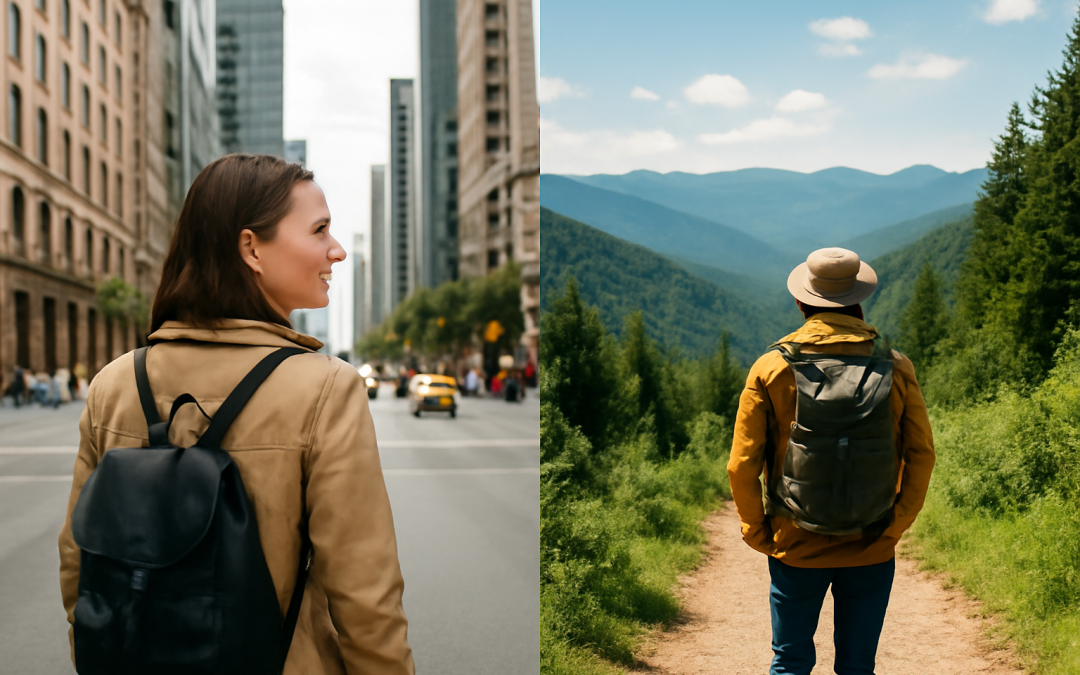
Choosing between a city break and a nature trip is a dilemma many travelers face, as both experiences offer unique advantages and cater to different preferences and needs. Whether you seek the vibrant pace of urban life or the tranquil embrace of the outdoors, understanding what each type of trip offers can help you decide which fits your lifestyle and vacation goals best. The decision hinges not only on the activities you enjoy but also on how you prefer to relax, the pace you want to maintain, and the kind of memories you wish to create.
City breaks offer a sensory overload in the best possible way. The allure of towering skyscrapers, bustling streets, and the buzz of cultural events makes cities perfect playgrounds for those who love immersion in non-stop activity. Museums, concert halls, theaters, and eateries serving a broad spectrum of cuisines bring the world to your doorstep. For travelers who thrive on structure and easily accessible entertainment, this type of trip provides convenience and excitement. Cities often have exceptional public transport networks and a wealth of accommodation options, from luxury hotels to quirky boutique stays, which make navigating and planning easier.
Moreover, urban destinations provide opportunities to engage with diverse populations and experience a blend of contemporary art, history, and modern innovation. Exploring city landmarks can satisfy even the most ardent history buffs, while shopping districts and nightlife offer endless entertainment possibilities. For those who appreciate cultural immersion yet want to avoid long hikes or nature-based physical challenges, city breaks are an ideal choice. They typically require less physical exertion, making them accessible for travelers with different activity levels or those seeking mental stimulation over physical adventure.
In contrast, nature trips cater to individuals longing for an escape from the strain of daily routines, noise pollution, and artificial environments. Time spent in forests, mountains, lakesides, or alongside the ocean provides restorative benefits that encourage slower living and mindfulness. Engaging with nature often means disconnecting from constant digital bombardment and reconnecting with the elements. The fresh air, soothing sounds of water, wind through trees, and the vastness of natural landscapes contribute to improved mental well-being and stress reduction.
When opting for a nature trip, the focus shifts from navigating urban mazes to exploring trails, wildlife, and stunning vistas. Activities such as hiking, kayaking, birdwatching, or camping foster physical health and a sense of accomplishment that many city vacations may not provide. Nature trips are also opportunities for solitude or intimate group experiences that deepen personal connections and boost creativity. For travelers who value physical activity and serenity, and who find rejuvenation in the simplicity of unspoiled environments, these trips offer profound satisfaction.
However, nature trips can sometimes pose challenges including limited access to modern conveniences and medical facilities, especially in remote areas. For those who are dependent on comfort and modern infrastructure, this might be a significant consideration. On the other hand, city breaks frequently come with more predictable amenities and services, which can ease the travel experience. This practicality makes cities particularly attractive for shorter breaks where relaxation must fit into a tight schedule.
Additionally, cultural encounters differ dramatically between the two options. City trips often provide structured opportunities to learn about human history, art, and the latest trends through museums, galleries, and historical districts. In contrast, nature trips offer education through ecological shifts, biodiversity, and the natural rhythms of life outside human development. Those interested in sustainable tourism or developing a deeper respect for environmental conservation may find nature trips deeply fulfilling and enriching. The hands-on experiences of caring for the environment or simply observing its cycles enrich the soul in ways that a city’s constructed marvels cannot fully replicate.
Another factor to consider is the social aspect of these travel styles. Cities tend to be melting pots of cultures, offering endless opportunities to meet people from various walks of life. Whether striking up a conversation in a café or joining a local event, city breaks can be deeply social, appealing to extroverted travelers or those looking to build new connections. Alternatively, nature trips often appeal to introspective travelers or small groups seeking to bond in peaceful surroundings, away from the distractions of urban life. The shared experience of overcoming natural challenges or marveling at a sunset in isolation fosters a different type of connection.
Environmental impact is an increasingly important aspect of travel decisions, and both city breaks and nature trips come with their own footprints. Urban tourism, while convenient, often involves significant energy consumption, waste, and congestion that can strain city infrastructure. In contrast, nature trips can have lower environmental impact when practiced responsibly but require careful planning to avoid disturbing fragile ecosystems. Travelers mindful of sustainability might prioritize eco-friendly accommodations and minimize waste, irrespective of whether they choose urban or wilderness destinations.
Cost is another practical consideration. City breaks vary widely depending on the metropolis chosen, with some cities being notoriously expensive due to high accommodation and dining prices. However, larger cities often provide more budget-friendly options, including hostels, public parks, and free cultural events, allowing travelers to tailor their expenses. Nature trips also range from affordable camping excursions to pricey guided adventures or luxury eco-lodges. The cost of equipment rental, park fees, or permits can add up, but the choice to camp or engage in low-impact activities enables cost control.
Travelers must also contemplate seasonality and weather preferences. Cities, with their concentrated infrastructure, often handle inclement weather better, offering indoor attractions to keep visitors entertained during rain or cold spells. Nature trips, conversely, are heavily dependent on good weather, as outdoor activities lose their appeal or accessibility when conditions deteriorate. A well-planned season can elevate the enjoyment of either trip type, but understanding these dynamics allows travelers to avoid disappointment.
Technology also influences the decision. Those who want to stay connected and have access to high-speed internet, navigation tools, and other digital comforts might lean toward city breaks. Conversely, nature enthusiasts may deliberately seek minimal connectivity to unplug and fully immerse themselves. It’s a matter of desired escape—whether from routine or from digital tethering.
In terms of personal growth, both travel styles offer valuable lessons but in different ways. Cities expose travelers to human ingenuity and adaptation, encouraging cultural curiosity and dynamism. Nature trips promote self-reliance, introspection, and an awakening to the wonders of life beyond human constructs. Understanding your personal motivations for travel—whether it is to learn, to relax, to challenge yourself, or to socialize—helps in aligning your choice with your internal desires.
Ultimately, deciding which type of trip to pursue depends largely on what you hope to gain from your time away. If you recharge through social interactions, cultural enrichment, and the comforts of civilization, a city break might be your perfect fit. If tranquility, physical activity, and reconnection to earth’s rhythms rejuvenate you, a nature trip could be the ideal choice. Many travelers find value in alternating between the two, discovering the balance between urban energy and natural calm.
Neither choice is inherently better, but rather suited to different moods, seasons of life, and personality types. By reflecting on what experiences, challenges, and environments restore your enthusiasm and peace, you can plan a getaway that truly fits you and refreshes your spirit. The joy of travel lies in discovery—be it hidden streets in a captivating city or quiet trails surrounded by untouched beauty—each path offering its own rewards, lessons, and unforgettable memories.

by admin | Oct 11, 2026 | Travel & Destinations
Choosing how to spend your vacation time can be a deeply personal decision, influenced by your interests, lifestyle, and what kind of experience you seek. When faced with the option between a bustling city break or a serene nature trip, it’s important to weigh the unique benefits and challenges each offers. Both types of travel provide opportunities for rest, adventure, and rejuvenation, but the mood and outcomes of those experiences can vary greatly. Understanding your preferences and what you aim to get out of your time away will help you decide which type of trip aligns better with your temperament and expectations.
City breaks are often characterized by their vibrant energy and rich cultural experiences. Urban environments are packed with museums, theaters, restaurants, and shopping districts, offering an endless array of activities to engage your senses and mind. The ability to explore new cuisines, attend concerts or galleries, and mingle with diverse populations can be exhilarating. For travelers who thrive on stimulation and social interactions, a city break provides a dynamic backdrop filled with non-stop entertainment and discovery. The convenience of public transport, along with the availability of guided tours and events, makes it easy to maximize your time and cover large amounts of ground in a short period.
In contrast, nature trips offer a slower pace and a connection to the natural world that is difficult to replicate in urban settings. The tranquility found in forests, mountains, lakes, or beaches provides a unique refuge from the daily stresses of life. When surrounded by nature, travelers often find themselves more attuned to their inner thoughts and feelings, fostering relaxation and mental clarity. Outdoor activities like hiking, kayaking, stargazing, and wildlife watching encourage physical movement while promoting mindfulness. For those craving solitude, fresh air, and a break from technology, nature destinations can be profoundly healing and restore a sense of balance.
One of the key considerations when deciding between these two types of travel is how you prefer to spend your leisure time. If you enjoy vibrant nightlife, trying new foods, and absorbing a city’s history and architecture, a city break may suit you best. Cities often present opportunities to immerse yourself in art, history, and cultural landmarks that have shaped societies over centuries. Walking through storied streets and visiting iconic buildings can feel like stepping back in time while simultaneously engaging with the current pulse of modern life. The hustle and bustle can invigorate those who are energized by crowds and structured schedules.
On the other hand, individuals who enjoy solitude or intimate gatherings, who seek to escape the noise and pace of daily routines, may find that a nature trip provides the ideal environment. Natural settings encourage you to disconnect from technology and reconnect with the environment around you. The therapeutic effects of spending time outdoors are well-documented, including lowered stress levels, improved mood, and enhanced creativity. Nature trips allow for contemplation and a rhythm dictated by the natural world rather than clocks and alarms. They cater to those who appreciate physical challenges as well, allowing for activities that combine exercise with the rewards of scenic vistas.
Budgetary considerations also play a role in the decision-making process. City breaks, depending on the destination, can range from economical to expensive, influenced by factors such as accommodation costs, dining options, and entrance fees to attractions. Big cities often have more accommodation choices, from budget hostels to luxury hotels, giving travelers flexibility based on their financial means. The abundance of public transportation can reduce overall expenses by avoiding taxis or car rentals. Additionally, cities frequently offer free or low-cost cultural events and museums, which can add value without breaking the bank.
Conversely, nature trips might require more logistical planning, especially if locations are remote or less accessible. Transportation costs can increase if you need to rent vehicles or hire guides to reach national parks or wilderness areas. While camping or staying in cabins can be more affordable than city hotels, some nature lodges and resorts command premium prices because of their seclusion and amenities. However, many natural sites provide the opportunity for self-directed exploration, such as hiking or cycling, which can help keep costs low. Ultimately, the financial outlay for either type of trip depends on personal choices and the length of your stay.
Another important factor to consider is the type of social atmosphere you prefer while traveling. City breaks often encourage social interaction, whether through meeting locals in cafes and bars or joining group tours. The dense urban fabric tends to facilitate spontaneous encounters and cultural exchanges that might not happen in quieter, isolated settings. For solo travelers seeking to make friends or those traveling with friends who thrive on social activities, cities offer endless possibilities. Conversely, city stays may sometimes feel overwhelming for introverted individuals or those who prefer calm and solitude.
Nature trips naturally lend themselves to small groups or solo travel, creating opportunities for deep, meaningful experiences with close companions or oneself. Natural surroundings promote introspection and connection with others in a way that noisy urban environments rarely do. Travelers who appreciate peaceful or spiritual journeys will find nature’s calm an ideal place for meditation, journaling, or simply unwinding without the distractions of crowded streets and busy schedules. Families or groups interested in bonding over shared experiences like camping or trail exploring may also derive great satisfaction from a nature trip’s immersive environment.
The health benefits connected to each option are another essential aspect. Urban destinations may offer access to fitness centers, swimming pools, and running routes through parks, along with wellness establishments such as spas or yoga studios. Healthy eating options can be abundant, though they are sometimes mixed with less nutritious fast food and restaurant fare. However, the downside of cities includes exposure to pollution, noise, and a faster pace that can potentially increase stress levels.
Nature trips emphasize physical activity in clean air and natural light, which supports both physical and mental health. The environment itself encourages movement—whether walking, hiking, or swimming—that can lead to improved cardiovascular fitness and overall vitality. In addition, natural settings can lower blood pressure and reduce anxiety, fostering a stronger sense of well-being. The disconnect from digital devices often required in these trips can also promote better sleep and more present experiences, helping individuals to recalibrate their mental focus.
Time of year and weather conditions might also influence your choice. Urban centers are often equipped with indoor activities and attractions that allow tourists to adapt to inclement weather comfortably. Museums, theaters, malls, and cafes provide shelter and entertainment regardless of rain or cold temperatures. This makes city breaks appealing year-round, as there is usually something to do indoors if the weather turns unfavorable.
In contrast, nature trips depend heavily on favorable conditions for optimal enjoyment. Hiking trails may become muddy or dangerous, beaches might be crowded or stormy, and certain wildlife may be inactive during particular seasons. Yet, visiting nature spots in different seasons can offer unique experiences—it might be the vibrant foliage in autumn, the wildflower blooms in spring, or snow-covered landscapes in winter. Planning a nature trip demands a bit more research and flexibility, but the chance to witness seasonal beauty can be highly rewarding.
The level of adventure you seek is yet another element that sets these two possibilities apart. City breaks often blend comfort with moderate exploration; activities might include walking tours, museum visits, and dining explorations rather than physically demanding undertakings. This appeals to travelers who want cultural exposure with convenient accommodations and easy access to amenities.
For those driven by adrenaline and a love of outdoor challenges, nature trips offer countless opportunities for adventure. From rock climbing and white-water rafting to backcountry camping and wildlife tracking, outdoor excursions satisfy the thrill-seeker’s soul. Even less intense activities such as canoeing or bird watching can provide a sense of discovery and connection to the environment that urban settings cannot replicate. These experiences often involve more personal risk or physical exertion, which may not suit every traveler but can be deeply gratifying for many.
The degree to which a traveler is prepared to step outside their comfort zone also matters. Urban travel, while stimulating and sometimes unpredictable, usually offers a safety net through familiar infrastructures, including healthcare services, language accessibility, and reliable communication networks. This comforting structure can make city breaks more manageable for first-time travelers, solo tourists, or those concerned with safety.
Nature trips, especially those venturing into remote or wild areas, come with challenges such as limited connectivity, exposure to wildlife, and weather uncertainties. These conditions require a readiness to embrace unpredictability and self-sufficiency, often demanding physical preparedness and wilderness skills. For some, this sense of self-reliance is part of the appeal, while others may see it as a deterrent. Hence, knowing your comfort level with uncertainty is crucial when considering an escape to nature.
Cultural immersion unfolds differently in cities versus natural settings. Urban areas offer an intense cultural mosaic, where history, art, language, and cuisine intermingle within a walking distance. Every neighborhood may have its own character, festivals, and local traditions. Participating in a cooking class, visiting street markets, or simply observing daily urban life invites travelers to engage with the culture up close.
In contrast, cultural experiences within natural environments often revolve around indigenous communities, rural lifestyles, or conservation projects. Learning about the relationship between people and their land, witnessing traditional crafts, or volunteering in eco-tourism initiatives can enrich a nature trip with meaning. These encounters, though less frequent and sometimes more challenging to access, provide a deeply authentic connection to culture rooted in the natural world.
When making a decision, the purpose of your travel is fundamental. Some people seek to rejuvenate after periods of stress or burnout, and here, a quiet retreat into nature might be most beneficial. Others desire intellectual stimulation, creativity, or social engagement, where the city’s energy can spark inspiration and broaden horizons. The length of the trip also matters; shorter getaways might suit city breaks with compact itineraries, while longer vacations could enable a deeper immersion in natural surroundings without feeling rushed.
Ultimately, the dilemma between city breaks and nature trips comes down to individual personality, interests, and goals for rest and play. Both options hold the potential for meaningful experiences that can refresh the spirit and enrich life. By reflecting on your preferences regarding activity level, social interaction, cultural engagement, budget, and desired atmosphere, you can make an informed choice that leads to a fulfilling and memorable journey. Whether you find yourself enchanted by skyscrapers and street art or soothed by the rustle of trees and starry skies, the right setting awaits to help you unwind, explore, and grow.