When the original Jurassic Park burst onto screens in 1993, it reshaped the way audiences experienced dinosaurs through the magic of groundbreaking visual effects and thrilling storytelling. Its sequel, The Lost World: Jurassic Park, arrived five years later amid towering expectations and a healthy dose of skepticism. Directed once again by Steven Spielberg, the film promised to revisit the thrilling chaos of its predecessor but through a darker, more action-packed lens. The result is a cinematic journey that dives deeper into the consequences of human hubris and the fragile line between nature and technological interference, all while delivering pulse-pounding sequences that remind viewers why these prehistoric creatures commanded awe and terror in equal measure.
Unlike the relatively contained narrative of the original film, which focused largely on a single park and the chaos unleashed within, The Lost World expands the scope dramatically. The story moves off the fictional Isla Nublar to a separate island known as Site B, where dinosaurs roam freely in their natural habitat, untouched by human civilization. This shift in setting allows the film to explore new thematic territory, particularly the idea of the dinosaurs as truly wild animals rather than mere spectacles created for entertainment. The island’s untamed environment becomes a character in itself—a vast, unpredictable space where the natural order is at constant risk due to human interference.
The Lost World: Jurassic Park is distinguished by its tone, which is noticeably darker and more intense than that of its predecessor. While the first film balanced moments of tension with wonder and awe, the sequel leans more heavily into suspense and outright danger. This is partly due to the narrative’s focus on a rescue mission gone awry and a corporate plot to capture and exploit the dinosaurs for profit. The ethical implications of these actions are woven throughout the film, contributing to a growing sense of urgency and moral reckoning. In this way, chaos returns not just through the physical destruction wrought by predatory creatures, but also through human greed and shortsightedness.
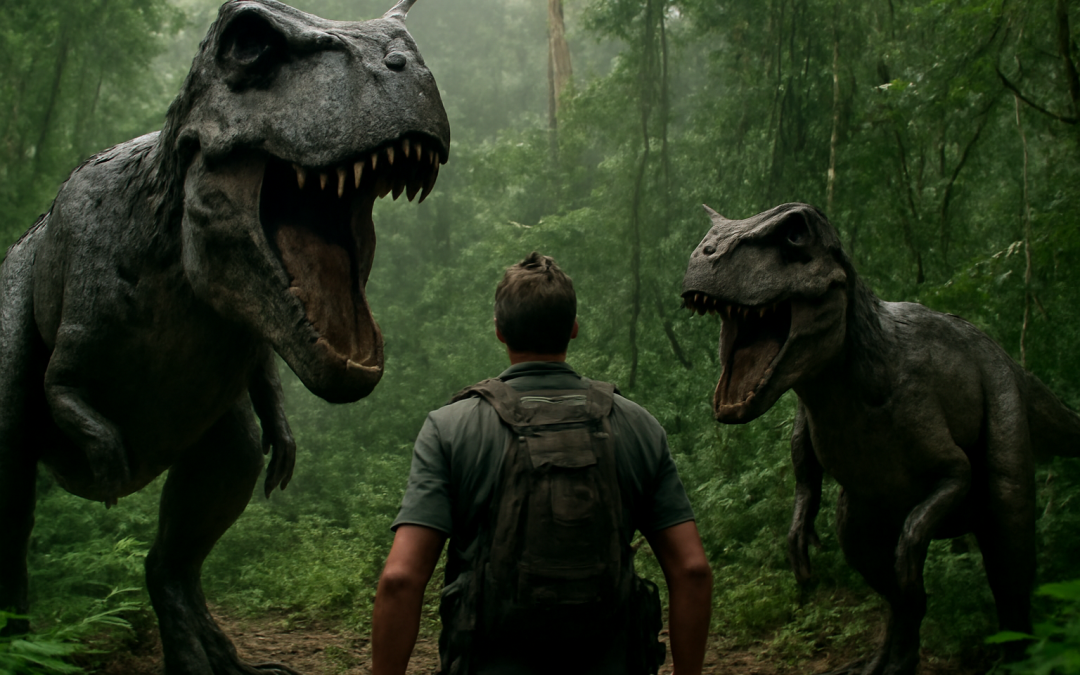
One of the standout elements of the film is its creature design and the use of special effects. By the mid-1990s, the technology had improved, and The Lost World took full advantage of the blend between animatronics and computer-generated imagery. The dinosaurs appear more realistic and more formidable, whether it’s the towering Tyrannosaurus rex or the swift and menacing raptors. Particular sequences—such as the iconic streets-of-San Diego chase—showcase the technical prowess behind the project. These scenes manage to sustain an impressive level of tension, thanks to careful choreography of the creatures’ movements and the interplay between practical effects and CGI.
While the visual effects captivate, the film’s characters often struggle to achieve the same level of depth. The returning character of Dr. Ian Malcolm, portrayed with charismatic irreverence by Jeff Goldblum, anchors much of the narrative. His skepticism and philosophical musings provide moments of levity amidst the turmoil, but other characters are less memorable. The new additions, such as the wildlife photographer Sarah Harding and the ambitious corporate agent Peter Ludlow, embody familiar archetypes—the intrepid idealist and the cold capitalist—but their development feels somewhat superficial. Their motivations drive the plot forward, but the emotional connection to their fates is diminished due to a lack of nuanced backstory or growth.
The film’s pacing reflects its heightened emphasis on action over introspection. From the moment the expedition begins, the story hurtles through a series of set pieces designed to maximize tension and spectacle. While this adrenaline-fueled approach succeeds in maintaining audience engagement, it leaves little room for the quieter moments of wonder and reflection that elevated the original Jurassic Park. The result is a film that is, at times, exhausting but rarely dull. The action sequences, from dinosaur confrontations to deadly escapes, are choreographed with care, ensuring that each installment of chaos feels earned rather than gratuitous.
Beyond the thrills and special effects, The Lost World poses intriguing questions about communication between species and the boundaries of scientific discovery. The film suggests that the dinosaurs are not merely beasts but creatures with a degree of intelligence and social structure, especially the Velociraptors. Scenes that hint at their cunning and pack dynamics underscore the unpredictable nature of resurrecting extinct animals in modern times. These thematic undercurrents add a layer of complexity to what might otherwise be dismissed as a straightforward monster movie, highlighting the ethical dilemmas embedded within the narrative.
The environmental message of the film is another facet worth noting. It implicitly critiques the commodification and exploitation of nature for financial gain. This is most apparent in the subplot involving the extraction of dinosaurs from their island habitat to be displayed and exploited on the mainland. The destruction and chaos triggered by such efforts illustrate the consequences of disrupting natural ecosystems for short-term profit. This thematic concern resonates as much today as it did upon the film’s release, serving as a cautionary tale about humanity’s ongoing impact on the natural world.
While the film is often compared unfavorably with its predecessor due to its darker tone and increased focus on action, it nonetheless offers a compelling continuation of the Jurassic Park saga. The Lost World embraces the chaos it inherited, amplifying it across larger scales and higher stakes. Though its character development falters, the film compensates with dynamic sequences and a gripping exploration of the unpredictable nature of resurrected prehistoric life. Its blend of science fiction and adventure, coupled with a persistent undercurrent of moral questioning, sustains the franchise’s enduring appeal.
One cannot discuss The Lost World without acknowledging its cultural impact and popularity among audiences, who often embrace it as a thrilling summer blockbuster. The film taps into deep-seated fears and fascinations about dinosaurs—creatures that have long captivated the human imagination—and reinvents them for a modern audience. By transporting these ancient beings into contemporary settings, the movie amplifies their mystique and terror. This juxtaposition generates moments of pure cinematic excitement as the past literally crashes into the present, leaving chaos in its wake.
Furthermore, the choice to spotlight new locations and environments invigorates the visual storytelling. From dense jungles to urban landscapes, the movie delivers a varied, immersive experience that keeps viewers on the edge of their seats. These shifts in scenery also underline the theme of nature versus civilization, as the dinosaurs’ intrusion into the human world challenges the assumption of human dominance. Each environment weaves into the storyline, supporting a narrative that is as much about survival as it is about the unpredictability of life itself.
While the film’s reception upon release was mixed, with some critics lamenting its lack of the original’s emotional depth, it has since found appreciation as a worthwhile entry within the franchise. It paved the way for subsequent installments by expanding the narrative possibilities of dinosaur resurrection, blending scientific speculation with blockbuster entertainment. This cultivation of chaos—a deliberate and sustained unraveling of control—drives the plot and creates a sense of precariousness that remains compelling across decades.
The musical score also plays a pivotal role in amplifying the film’s atmosphere. Composed by John Williams, the soundtrack recalls the iconic themes of the original while introducing new motifs that align with the sequel’s darker tone. The music rises and falls with the tension, enriching scenes with emotional weight and enhancing the visceral thrill of dinosaur encounters. Williams’ score maintains continuity within the franchise, linking the two films thematically while allowing the sequel to carve out its own identity.
In conclusion, The Lost World delivers an intense, action-driven journey that explores the repercussions of human ambition interfacing with the raw power of nature. It carries forward the legacy of its predecessor with daring visuals and a more somber cautionary message, making it both an homage and a bold expansion of the Jurassic Park universe. Despite occasional weaknesses in character development and pacing, the film’s thrilling sequences, compelling themes, and technical achievements underscore its significance as a captivating exploration of chaos returning to an already precarious world.