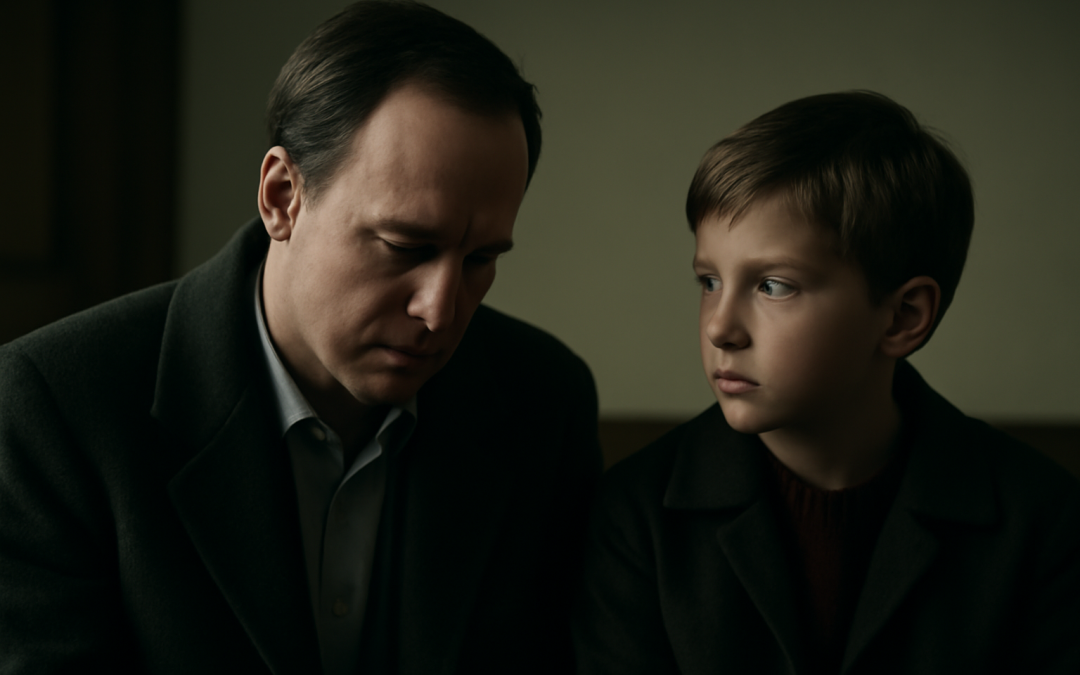
From the moment it begins, the film draws viewers into a haunting atmosphere that effortlessly blends mystery, emotional depth, and supernatural suspense. The story revolves around two central figures: a child burdened with an extraordinary and terrifying ability, and a dedicated psychologist whose own world is crumbling under the weight of personal loss. Their intersecting journeys reveal a narrative that is as much about grief and acceptance as it is about the paranormal. The sixth sense is not simply a ghost story but a profound exploration of human vulnerability and the desperate need for connection amidst pain and misunderstanding.
The film’s power lies largely in how it conveys the psychological and emotional turmoil experienced by its characters. The young boy at the heart of the story lives in constant fear and isolation because of his sixth sense—the ability to see and communicate with those who have passed on. This gift, or curse, is a source of great suffering as it alienates him from his peers and leads to frequent, unsettling encounters with the supernatural. Through detailed characterization and careful direction, the boy’s fear and loneliness resonate deeply, making his experiences feel palpable and authentic. His struggle becomes a metaphor for the universal feeling of being trapped by invisible wounds, whether emotional or psychological.
Opposite the boy stands the psychologist, a man himself grappling with unresolved issues tied to his family and career. His initial skepticism about the supernatural gradually gives way to a profound understanding, as he receives clues that challenge his rational worldview and force him to confront his grief in a new light. This transformation is handled with subtlety and care, avoiding clichés often associated with portrayals of therapists in cinema. Instead, the psychologist emerges as a deeply human character, flawed but compassionate, whose own pain makes him uniquely suited to help the boy. Their relationship becomes a cornerstone of the narrative, illustrating how empathy and trust can bridge even the widest gaps imposed by trauma and fear.
The themes of grief and revelation permeate the entire film. Rather than merely using ghosts as devices for scares, the narrative uses them as symbols of unresolved loss and lingering regrets. Each spectral appearance serves a dual purpose: it unnerves the audience and simultaneously uncovers deeper emotional truths about the living characters. This layering of supernatural elements with real emotional stakes elevates the story above a standard thriller, inviting viewers to reflect on their own experiences with grief and the difficulty of facing painful truths.
Visually and atmospherically, the film excels at creating a mood that is both oppressive and strangely beautiful. The cinematography often employs muted colors and dim lighting to mirror the internal darkness experienced by the characters. Scenes are carefully composed to emphasize isolation or connection, depending on the psychological state of the protagonists. The use of sound further heightens tension without resorting to overt jump scares, instead relying on silence, subtle audio cues, and an evocative score that enhances the feeling of suspense and melancholy.
One cannot discuss this film without acknowledging the exceptional performances that bring the story to life so convincingly. The young actor portraying the boy delivers a nuanced performance, capturing the innocence, fear, and yearning for acceptance with remarkable depth. Similarly, the actor playing the psychologist conveys a spectrum of emotions, from frustration and skepticism to empathy and sorrow, making the character’s journey believable and heartfelt. Supporting roles also add texture to the narrative, presenting various perspectives on loss and healing that enrich the film’s thematic complexity.
The screenplay itself deserves special mention for its intelligent construction and emotional resonance. Dialogue is measured and purposeful, avoiding unnecessary exposition, and allowing the silence and pauses to speak volumes. The narrative unfolds gradually, building suspense while providing ample space for character development. Key plot twists are executed with precision, particularly the revelation that recontextualizes much of what the audience has seen, prompting a powerful emotional and intellectual response. This careful pacing ensures that the film remains engaging throughout its runtime, maintaining a balance between mystery and emotional insight.
Beyond the immediate impact of the story, the film invites broader contemplation about how humans deal with trauma and the unknown. The sixth sense’s narrative suggests that denial and isolation only deepen suffering, while acceptance and openness create pathways to healing. By framing supernatural experiences as manifestations of internal psychological struggles, the film bridges the gap between genre and human drama, offering viewers a layered experience that lingers long after the credits roll.
The relationship between the boy and the psychologist also shines a light on the challenges of communication when faced with profound pain. Both characters initially misunderstand each other, hampered by fear and preconceived notions, but gradually they forge a bond that transcends their differences. This connection becomes a powerful vehicle for both characters to confront their pasts and emerge with new clarity. It’s a testament to the film’s insight into human relationships that even within a narrative centered on the supernatural, the emotional friendship remains convincing and truly moving.
Additionally, the film’s treatment of grief is neither simplistic nor sentimentalized. Instead of concluding with neat resolutions, it acknowledges that healing is often a complex, ongoing process marked by moments of revelation and acceptance. The characters’ journeys reflect the messy reality of coping with loss—the confusion, the disbelief, and the eventual courage required to move forward. This authenticity contributes significantly to the film’s enduring appeal and emotional weight.
The technical craftsmanship supporting the narrative—direction, editing, sound design—is seamlessly integrated to serve the story’s mood and themes. The director’s ability to balance suspense with emotional nuance sets the film apart from typical supernatural thrillers. The editing enhances the psychological tension, with carefully timed cuts that keep the audience on edge while allowing space for character introspection. Sound design is particularly effective in creating an immersive environment where the unseen feels real and immediate.
Equally important is the subtle but effective use of symbolism woven throughout the film. Objects, colors, and recurring motifs create layers of meaning that enrich the viewing experience. For instance, the persistent presence of certain visual elements underscores the theme of unresolved issues lingering beneath the surface. This thoughtful symbolic approach invites repeated viewing and deeper analysis, rewarding audiences who engage fully with the film’s complexities.
In the broader context of its genre, this film stands out as a benchmark for how horror and psychological drama can coexist and complement each other. Unlike many horror films that rely heavily on external shocks, this story roots its thrills in character and emotional truth. The fear it evokes is not merely of the supernatural but of being misunderstood, isolated, and unable to express one’s pain. This makes the horror more personal, more intimate, and ultimately more affecting.
Ultimately, this film’s greatest achievement lies in its ability to traverse the fine line between suspenseful storytelling and an empathetic study of human grief. The sixth sense offers not only moments of genuine fright but also profound insight into how people confront the invisible burdens they carry. It challenges viewers to reconsider their perceptions of loss and to recognize the power found in understanding and acceptance. Far from a simple ghost story, it is a timeless meditation on healing, connection, and the quiet revelations that can transform lives.