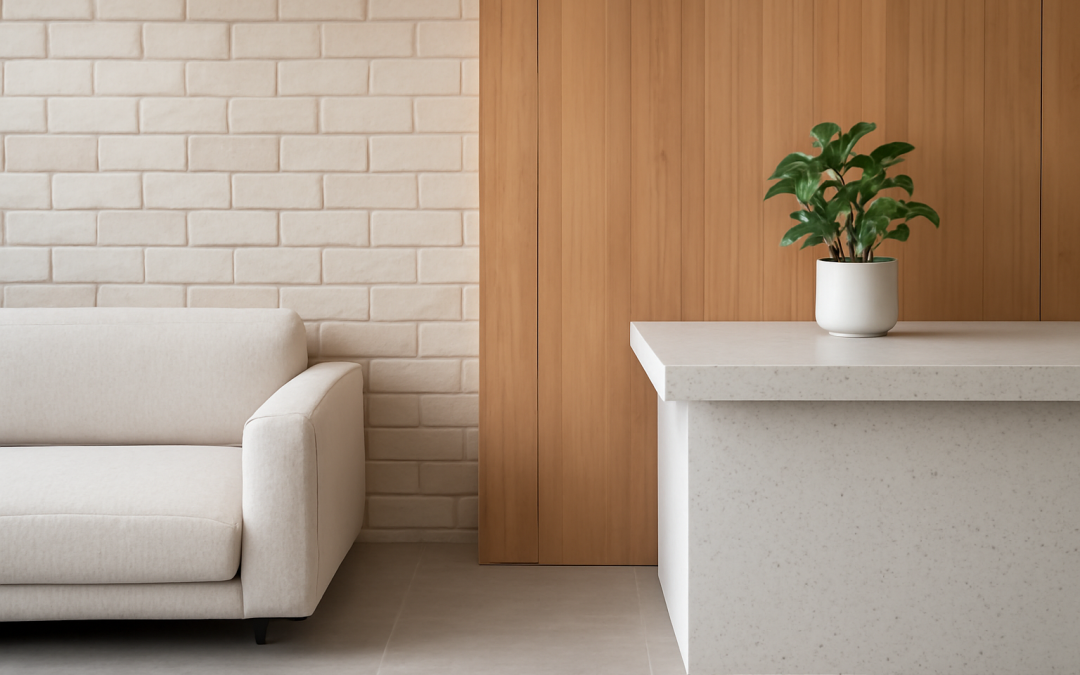
Choosing the right materials for interior spaces is a crucial decision that affects not only the aesthetic appeal of a home or office but also its upkeep and longevity. For those seeking to minimize the time, effort, and cost involved in maintaining their interiors, selecting materials that require less maintenance is a practical and wise approach. These materials can withstand the rigors of daily life with minimal wear and tear while maintaining their beauty and functionality over time.
One of the most popular choices for low-maintenance interiors is ceramic or porcelain tile. Known for their durability and resistance to stains, chips, and moisture, these tiles make excellent flooring, backsplashes, and sometimes even wall finishes. Unlike natural stone, which often requires sealing and specialized cleaners, ceramic and porcelain tiles are easy to clean with basic household products and rarely show signs of aging. Their variety in color, pattern, and texture also offers a wide range of design possibilities without sacrificing ease of care.
Vinyl flooring represents another material that has gained traction for its resilient and low-maintenance properties. Modern luxury vinyl tiles and planks are highly durable, waterproof, and resistant to scratches and dents, making them ideal for high-traffic areas. Unlike hardwood, vinyl does not need refinishing, and spills are easy to wipe away, which significantly reduces routine cleaning tasks. Additionally, advances in vinyl manufacturing have improved the material’s appearance, allowing it to mimic natural wood or stone convincingly without their associated maintenance demands.
When considering surfaces such as countertops, quartz is an outstanding material that combines beauty with functionality. Engineered quartz is non-porous, making it resistant to staining from everyday substances such as oil, coffee, and wine. It does not require sealing like granite or marble and can be cleaned simply with soap and water. Quartz surfaces resist scratches and heat damage better than many natural stones, reducing the need for frequent upkeep and repairs. This resilience makes quartz a preferred choice in kitchens and bathrooms where daily exposure to moisture and spills is common.
For cabinetry and other woodwork, medium-density fiberboard (MDF) or laminate finishes provide an excellent alternative to traditional solid wood. These engineered materials are less susceptible to warping, cracking, or fading caused by moisture or temperature changes. Laminate surfaces, in particular, can be cleaned easily and do not require polishing or special treatments to maintain their appearance. They offer the added advantage of being available in myriad colors and textures, providing versatility in interior design while keeping maintenance simple.
Another low-maintenance option gaining popularity, especially in kitchens and living areas, is stainless steel. This metal is resistant to rust, corrosion, and staining, making it ideal for sinks, appliances, and even certain types of furniture. Cleaning stainless steel is straightforward; a soft cloth with mild detergent is often enough to remove fingerprints and smudges. Its sleek, modern aesthetic also adds an element of sophistication and can easily blend with various design styles.
Wall finishes that require little upkeep include washable paints and textured wallpapers made from vinyl or other synthetic materials. These surfaces do not show dirt easily and can be spot-cleaned with a damp cloth without damage. Unlike traditional wallpapers or flat paints that stain or peel, these options are designed to endure moisture and frequent cleaning, making them suitable for kitchens, bathrooms, and children’s rooms. Choosing finishes with these characteristics reduces the frequency of repainting or redecorating, which can be both costly and time-consuming.
In spaces where warmth and softness are desired, rugs made from synthetic fibers such as nylon, polyester, or polypropylene offer a practical solution. These materials are inherently stain-resistant, dry quickly, and can be cleaned with household vacuuming or spot cleaning. Unlike natural fiber rugs, which may require professional cleaning to maintain their appearance, synthetic rugs are designed to handle foot traffic and spills more robustly. They provide comfort and style without demanding extensive care.
Leather furniture, particularly pieces made from treated or faux leather, combines elegance with lower maintenance requirements compared to fabric upholstery. Treated leather is coated to resist stains and fading, needing only occasional dusting and conditioning to retain its look and feel. Faux leather options, often made from polyurethane or vinyl, are even easier to clean, requiring only a wipe with a damp cloth to remove dirt and spills. Both options are more resistant to wear and tear than many fabrics, making them suitable for households with pets or children.
Glass surfaces, whether in the form of tables, shelving, or decorative elements, offer an easy-care option that complements almost any interior style. Glass is impervious to staining and does not absorb odors or moisture, making it hygienic and simple to maintain. While fingerprints and smudges may be visible, these can be quickly wiped away with a glass cleaner or vinegar solution. The non-porous nature of glass also prevents bacterial growth, ensuring that surfaces remain clean and safe with minimal effort.
Concrete has increasingly become a favored interior material for those looking for durability combined with low-maintenance qualities. When properly sealed, concrete floors, countertops, and even decorative elements are highly resistant to scratches, moisture, and staining. Unlike porous surfaces that require frequent resealing or delicate cleaning methods, finished concrete can be maintained with regular sweeping and occasional mopping. Its industrial, modern aesthetic is versatile, and the material’s ability to be tinted or polished adds appeal without complicating maintenance.
In bathrooms, materials such as solid surface acrylic offer an effective solution for sinks, tubs, and countertops. They are non-porous and highly resistant to mold, mildew, and stains, reducing the cleaning burden significantly. Solid surface materials can be repaired relatively easily if scratched, often through simple sanding or buffing. Their seamless design minimizes joints and grout lines where dirt and grime tend to accumulate, further simplifying upkeep.
Engineered wood flooring combines the visual richness of natural wood with enhanced durability and reduced maintenance needs. Unlike solid wood, engineered wood features a plywood base that resists warping and moisture damage, making it more stable in varying humidity conditions. It does require regular cleaning and occasional refinishing, but these tasks are less frequent and easier to manage due to the improved construction. This makes engineered wood an excellent option for homeowners who desire wood flooring without the intensive care traditionally associated with it.
Even decorative accents can be selected with maintenance considerations in mind. Metals such as aluminum and brass can be coated or brushed to resist tarnishing and corrosion, requiring minimal polishing or cleaning. Natural fibers like jute or sisal, though appealing for their texture, tend to be higher maintenance due to their susceptibility to stains and moisture damage; thus, synthetic alternatives are often preferred for a low-maintenance lifestyle.
When choosing interior materials that require less maintenance, it’s important to consider not only the material’s durability and cleaning ease but also how it responds to the specific environmental conditions in the space. Factors such as sunlight exposure, humidity levels, and foot traffic can influence how materials age and how often they need attention. Prioritizing materials that are inherently resistant to common household challenges helps in maintaining a fresh, polished look without dedicating excessive time or resources.
Overall, investing in materials that require less maintenance allows homeowners and designers to enjoy beautiful, functional interiors while minimizing wear and tear. As innovation in material science continues, the options for combining style with practicality grow, providing solutions that meet the demands of modern lifestyles. By selecting durable, easy-to-clean, and resilient surfaces and furnishings, spaces can remain inviting and attractive with fewer interventions, ultimately making interior management simpler and more sustainable.