In the realm of cinema, few films manage to capture the intersection of personal struggle and historical significance with such finesse and emotional depth. This particular piece offers a compelling portrait of a man grappling with a personal affliction that threatens not just his own aspirations, but the stability of an entire nation. The story unfolds during a pivotal moment in history, delineating the path of a future monarch whose battle with his own voice transforms into a triumph of authority and leadership. The narrative’s power lies not only in its depiction of internal conflict but also in how voice and authority intertwine to define identity and command respect.
The film’s protagonist embodies a profound paradox: a leader expected to inspire confidence and wield unshakable command, yet hindered by a stuttering impediment that undermines his public persona. This contradiction sets the tone for a story that explores vulnerability beneath regal veneer, emphasizing how true authority arises from overcoming personal barriers. The portrayal provides an intimate look at the psychological toll and relentless determination involved in mastering one’s voice, highlighting the interplay between personal resilience and societal expectation.
Central to the story’s emotional resonance is the relationship between the protagonist and his unorthodox speech therapist. Their dynamic shifts from initial skepticism and frustration to mutual respect and profound transformation. This connection is meticulously developed, showcasing how trust and relentless effort can break down the walls of self-imposed limitations. The therapist’s unconventional methods challenge traditional approaches, suggesting that genuine progress often demands innovation and empathy rather than rigid conformity.
The film also intricately weaves the broader historical backdrop, reflecting the charged atmosphere of the early 20th century, where monarchy and media intersected in shaping public perception. The timeline encompasses moments of political tension and impending war, raising the stakes for the protagonist’s quest to find his authoritative voice. His ability to articulate leadership through oratory becomes not merely a personal achievement but a necessity for national unity and morale. This layering of personal and political stakes enriches the narrative, making the protagonist’s journey emblematic of larger themes of duty, identity, and courage under pressure.
Visual storytelling plays a vital role in highlighting the protagonist’s internal struggle. Close-up shots emphasize the tension and vulnerability in moments of speech, while wider frames contrast his solitude against the grandeur of royal settings and the vast expectations that loom over him. This dynamic use of imagery accentuates the isolation felt by someone burdened by a perceived flaw, even amidst the trappings of power and prestige. The film thus crafts an immersive experience that allows viewers to feel the weight of silence and the soaring relief of breakthrough communication.
Performance-wise, the lead actor delivers a nuanced portrayal that captures the complexity of his character’s emotional landscape. His depiction of speech difficulties is handled with sensitivity and depth, avoiding caricature or oversimplification. The authenticity of his struggle invites empathy, making his eventual success feel earned and inspiring. Supporting actors also bring richness to the narrative, portraying a spectrum of relationships that influence and shape the protagonist’s evolution—from family dynamics to public officials—each interaction adding layers to the theme of voice and authority.
The screenplay’s dialogue highlights the transformative power of language and communication. Phrases and exchanges between characters often carry dual meanings, reflecting both the immediate context and broader symbolic import. Words become tools of liberation and confinement simultaneously, illustrating how speech can bridge divides or reinforce isolation. This linguistic richness elevates the story beyond a simple biography, inviting contemplation on the fundamental role of voice in human connection and leadership.
Sound design complements the thematic focus on speech by accentuating moments of struggle and triumph. The stammering is rendered with careful attention to rhythm and tone, ensuring that the audience is keenly aware of the protagonist’s challenges without it becoming distracting or overly dramatized. Conversely, moments of clear speech, especially during pivotal public addresses, are amplified to convey their significance. The contrast between silence, interruption, and eloquence weaves an auditory texture that reinforces the film’s emotional beats.
Beyond its focus on one individual, the film also reflects on societal attitudes towards disability, expectation, and resilience. The protagonist’s difficulty impacts how others perceive him, often invoking pity, ridicule, or disbelief. This portrayal challenges stereotypes and prejudices by showing that struggle is not weakness but a catalyst for strength and growth. The narrative encourages a reevaluation of what constitutes leadership and authority, suggesting that vulnerability and perseverance are integral to genuine command.
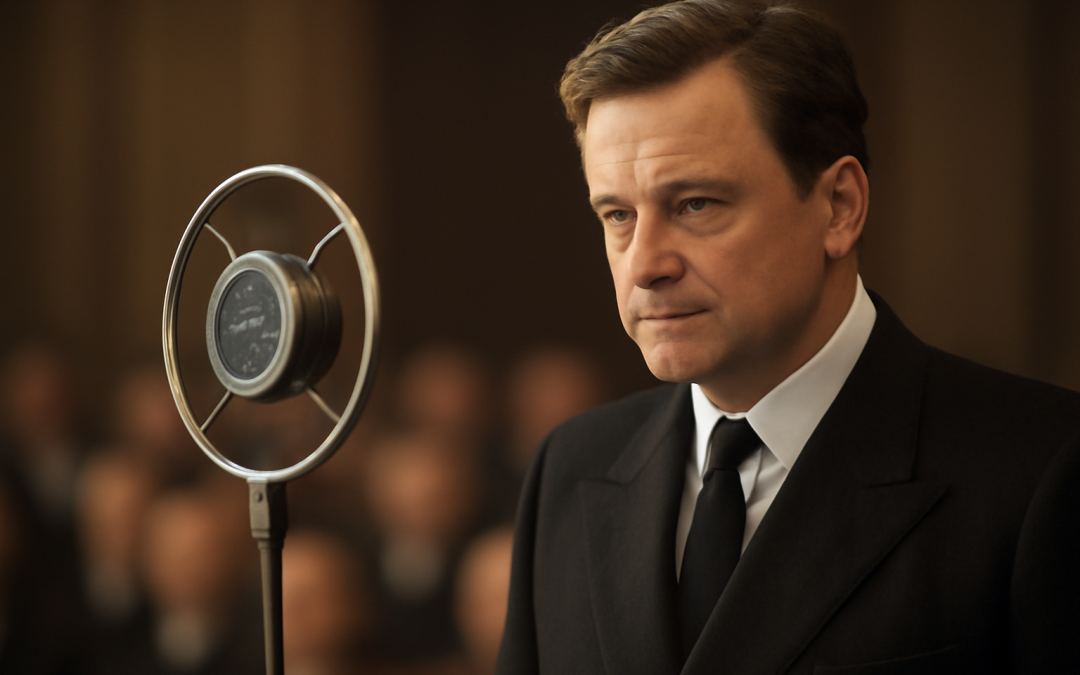
The cinematography employs subtle yet effective techniques to mirror the journey from uncertainty to empowerment. Lighting transitions from shadow-heavy interiors to more hopeful, well-lit spaces as the protagonist gains confidence. Symbolism abounds in visual motifs, such as mirrors reflecting fragmented self-images that gradually unify, or the recurring presence of a microphone that transforms from an intimidating object to a symbol of agency. These artistic choices deepen the viewer’s engagement, making the film a layered exploration of identity and voice.
Importantly, the film refrains from portraying the resolution of the protagonist’s speech impediment as a miraculous cure. Instead, it presents progress as a continuous process marked by setbacks and perseverance. This realistic depiction honors the lived experience of those with speech difficulties and emphasizes that authority does not demand perfection but rather authenticity and effort. The nuanced approach avoids simplistic narrative arcs, giving the story a grounded, heartfelt quality.
The emotional core of the film is bolstered by its pacing and structure, which carefully balances moments of tension with relief and reflection. Scenes involving public scrutiny and personal hardship alternate with intimate conversations and breakthroughs, creating a rhythm that mirrors the protagonist’s fluctuating confidence. This structure aids in maintaining audience engagement and emotional investment throughout the extensive runtime, ensuring that each development contributes meaningfully to the overarching themes.
The direction exhibits a careful hand, with a keen understanding of the subject’s emotional landscape and historical context. The filmmaker’s ability to blend biographical detail with cinematic artistry results in a work that is both informative and deeply moving. The aesthetics of the film—the period costumes, set design, and musical score—foster an immersive atmosphere that transports viewers to a critical era, enhancing the narrative’s impact. These elements collectively underscore the significance of voice and authority not only as personal attributes but as forces shaping history.
Music and score within the film serve an important function in accentuating emotional shifts and reinforcing thematic elements. Subtle orchestral arrangements underscore moments of introspection and struggle, while more stirring, triumphant compositions accompany key speeches and turning points. This careful use of sound elevates the storytelling, engaging the audience on a sensory level that complements the visual and narrative components.
One of the film’s enduring strengths lies in how it addresses the nature of leadership under duress. The protagonist’s journey illuminates that effective leaders are often those who confront their vulnerabilities rather than conceal them. The narrative critiques traditional notions of power based solely on external displays of strength, instead proposing that true authority arises from self-awareness, courage in the face of adversity, and the ability to communicate authentically. This perspective has wide-reaching implications, resonating beyond the historical context to contemporary dialogues about leadership in various arenas.
The film’s cultural and historical accuracy also deserves commendation, as it painstakingly reconstructs events and personalities to honor the complexity of the era. The inclusion of historical figures, political events, and societal reactions enriches the story, positioning the protagonist’s personal transformation within a larger tapestry of national significance. This anchoring in reality lends credibility and gravitas to the film’s portrayal of voice and authority, reminding viewers that personal challenges and public duties are often inseparable.
In terms of thematic exploration, the work delves into the psychology of fear—fear of judgment, failure, and inadequacy—that often underpins communication disorders. It explores how these fears can inhibit expression and, by extension, influence one’s capacity to lead or inspire. Overcoming such fears requires both internal resolve and external support, a message the film conveys poignantly without descending into didacticism. This nuanced treatment adds psychological depth and invites empathy from a broad audience.
The film also tackles issues of masculinity and vulnerability in ways that feel refreshingly honest and relevant. The protagonist’s struggle challenges stereotypical expectations of stoicism and invulnerability in male leaders, instead presenting a more humanized and relatable image. This portrayal encourages viewers to reconsider cultural norms surrounding strength and communication, promoting a more inclusive understanding of what it means to lead and be heard.
Moreover, the story serves as a reminder of the power of mentorship and friendship in personal development. The evolving relationship between the main character and his speech therapist exemplifies how non-traditional support systems and genuine human connection can foster growth that formal institutions sometimes fail to provide. This element of the narrative highlights the importance of empathy, patience, and innovation in overcoming challenges, further enriching the film’s message about authority and expression.
The narrative’s resolution is both satisfying and thought-provoking, avoiding clichés while delivering a powerful emotional payoff. The protagonist’s final public address signifies not just the culmination of a personal journey but a broader affirmation of resilience and hope. This moment encapsulates the film’s central thesis that voice—literal and metaphorical—is fundamental to identity, leadership, and societal cohesion. The audience is left with a profound sense of the interplay between personal triumph and historical destiny.
Ultimately, this cinematic work stands as a testament to the enduring human spirit in the face of seemingly insurmountable obstacles. Through its intricate exploration of voice and authority, it offers insights into the complexity of leadership, the nature of communication, and the profound impact of personal determination. The film encourages viewers to reflect on their own voices and the ways in which authenticity and courage can shape not only individual lives but the broader society.
In sum, the film’s rich narrative, masterful performances, and thoughtful direction combine to create a poignant and inspiring exploration of the challenges and triumphs involved in finding one’s voice. It affirms that true authority is not imposed but earned through vulnerability, perseverance, and genuine connection. This story resonates timelessly, reminding us that the courage to speak—and be heard—is a powerful force for change and unity.