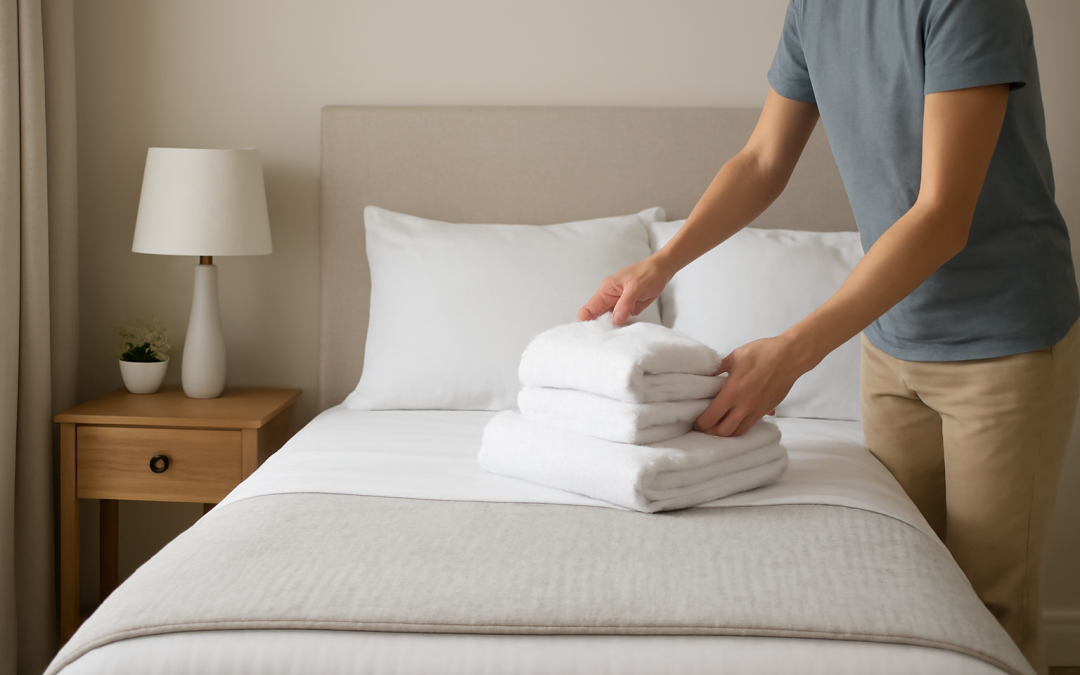
Creating a welcoming and efficient environment for guests requires regular attention to guest rooms and spare spaces. These areas often serve as multifunctional rooms, accommodating visitors and sometimes doubling as storage or workspaces when not in use. Maintaining guest rooms and spare spaces ensures they remain inviting, clean, and comfortable, which can significantly enhance the experience of visitors while also preserving the overall harmony and functionality of a home. This practice involves a combination of regular cleaning, thoughtful organization, and strategic decoration, all aimed at balancing aesthetics with practicality.
The first step in maintaining guest rooms and spare spaces involves establishing a clear purpose for each area. While it’s common for these rooms to have multiple uses, defining the primary function helps guide how the space should be maintained and arranged. For example, a room dedicated mostly to overnight guests will need comfortable bedding, proper lighting, and sufficient storage for visitors’ belongings. On the other hand, a spare space that serves as a home office or hobby room during the week requires a different approach that prioritizes organization and versatility without sacrificing comfort for guests when they arrive.
Cleanliness is paramount when maintaining guest rooms and spare spaces. Regular dusting, vacuuming, and airing out the room help keep the space fresh and free from allergens or unpleasant odors. Since these rooms are often less used than other parts of the home, they can easily become neglected, leading to the accumulation of dust or clutter that detracts from their appeal. Taking the time to deep clean upholstery, curtains, and carpets occasionally can also dramatically improve the overall ambiance. Washing all bedding and linens before any guest visits ensure a fresh and hygienic environment.
Clutter can diminish the charm and usefulness of guest rooms and spare spaces. It’s important to declutter these areas regularly, removing unnecessary items that may have accumulated. Spare rooms often turn into catch-all spaces where household items that don’t have a home end up. A simple but effective method to combat this problem is to sort through belongings every few months, deciding what should be stored elsewhere, donated, or discarded. Keeping the room minimalistic, yet functional, allows for greater flexibility when preparing the space for guests.
Organization is key to maintaining a guest room that is both welcoming and user-friendly. Providing adequate storage options such as dressers, closets, or under-bed bins helps guests find spaces to unpack and feel more at home. Thoughtful organization also means preparing seasonal amenities like extra blankets in the winter or fans in the summer, so guests have their needs met without having to ask. Neatly arranged decor, such as neatly folded towels, a bedside lamp, and a small table or nightstand, improves both the room’s function and its overall appearance.
Lighting influences mood and usability especially in a guest room or spare space. A well-lit room invites comfort and convenience while dim or harsh lighting can detract from the space. Incorporating adjustable lighting options such as bedside lamps, floor lamps, and overhead lights with dimmers creates a versatile environment. Natural light, whenever possible, should be maximized by using sheer curtains or keeping window areas unobstructed. Good lighting not only affects the practicality of the room but also makes it feel warm and inviting.
Apart from functional considerations, personal touches can transform a guest room into a delightful retreat. Simple additions like fresh flowers, a small library of books, or a welcome note can make a significant difference in how guests perceive the space. Adding artwork or photographs that reflect the homeowner’s personality can make the room feel more lived-in and cared for. However, it’s important to avoid overwhelming the space with too many items or overly personalized decor that might make guests feel less comfortable.
Temperature control is another critical element in maintaining guest rooms and spare spaces. Guests come with varying temperature preferences, so providing easy-to-access options for warmth or cooling ensures everyone’s comfort. Light, breathable bedding for warm weather and heavier blankets for cooler months allow guests to regulate their own temperature. Keeping windows operational and ensuring that heating and cooling systems are functioning properly can prevent discomfort and enhance the overall experience.
Maintaining the integrity of furniture and fixtures is an often-overlooked aspect of preserving these spaces. Regularly inspecting beds, chairs, tables, and other items for wear and tear helps avoid unpleasant surprises when guests arrive. Repairing loose screws, tightening hinges, and refreshing upholstery as needed keeps the furniture looking polished and safe. This type of preventative maintenance extends the life of furnishings and ensures the room always looks cared for and presentable.
Fresh air circulation plays an important role in making guest rooms healthy and pleasant. Opening windows periodically, even when the room isn’t in use, prevents stale air from settling. Placing air-purifying plants in the room can also improve air quality and add a bit of life to the environment. Some homeowners opt for small air purifiers or dehumidifiers depending on the climate and how often the room is used. Maintaining good ventilation reduces the risk of mustiness or mildew that can deter guests and degrade the space over time.
The arrangement of furniture can significantly impact the functionality of guest rooms and spare spaces. Avoid overcrowding the room with too much furniture, which can make it difficult to move around and reduce comfort. Instead, aim for a layout that maximizes open space while providing essential seating and storage. Position the bed or sofa bed where natural light is optimized, and keep pathways clear. This encourages a welcoming feeling and creates a smoother flow, helping guests feel relaxed and at ease.
Technology has become a part of everyday life, and integrating basic modern conveniences in guest rooms can elevate their practicality. Providing easily accessible power outlets, charging stations, or Wi-Fi information can help guests stay connected and comfortable during their stay. Some may appreciate a small desk or workstation if they need to work remotely. However, it’s important to balance technology use with a clutter-free, calming environment that encourages rest rather than distraction.
The seasonal upkeep of guest rooms and spare spaces is vital to ensure long-term maintenance. For instance, switching out seasonal bedding, cleaning upholstery and rugs, and storing away items not needed for certain times of year can keep the room fresh. This transition helps prevent the room from becoming stale or neglected. It also provides an opportunity to reassess the space and make any necessary repairs or upgrades so that the room is always ready for use regardless of the season.
Another consideration is to create a seamless transition between the guest room and the rest of the home. Guests should be able to access their space easily without feeling like they are intruding on private areas. Ensuring privacy, through the use of door locks, curtains, or partitions, adds a sense of security and respect. Also, consider the proximity and availability of shared bathroom facilities, and keep the areas adjacent to the guest room clean and welcoming as well.
Proper storage solutions can also greatly improve the usability of spare spaces. Many spare rooms double as places for seasonal storage, hobby equipment, or extra household items. Investing in sturdy shelving units, labeled containers, and adjustable closets maximizes the available space and keeps clutter contained. This organization ensures that when the room is needed for guests, miscellaneous items are out of sight and do not disrupt the room’s inviting atmosphere.
Maintaining guest rooms and spare spaces is also about anticipating guests’ needs and preferences. Providing essentials like toiletries, extra pillows, blankets, and even a small clock helps guests feel cared for without requiring them to bring everything along. A small basket stocked with travel-sized toiletries or a drawer designated for these essentials can make a significant difference in convenience and comfort. By thoughtfully preparing for varied needs, the host demonstrates consideration and attentiveness.
Regularly reviewing how these rooms are used can also lead to better long-term maintenance. Feedback from guests, even informal comments, can reveal what is working and what might need adjustment. For instance, if guests frequently mention the room feeling cluttered or uncomfortable, it’s worth reassessing furniture arrangements or storage strategies. Taking proactive steps based on guest experiences ensures these spaces remain functional and pleasant for future visitors.
The psychological and emotional impact of a well-maintained guest room should not be underestimated. Visitors often feel more relaxed and valued when staying in a space that is neat, comfortable, and thoughtfully arranged. For hosts, maintaining these rooms is an extension of hospitality that reflects care and pride in their home. Regular upkeep helps avoid the stress of last-minute preparations and allows hosts to focus on spending quality time with their guests rather than scrambling to fix forgotten issues.
In some homes, guest rooms and spare spaces are used infrequently, which makes it even more important to have a routine for their care. A neglected room can quickly become a repository for dust, pests, or unwanted clutter. Scheduling monthly or seasonal check-ins allows homeowners to air out the room, inspect for any signs of damage or infestation, and update supplies. This routine prevents deterioration and ensures the space stays welcoming, regardless of how often it is occupied.
Adapting guest rooms and spare spaces for accessibility can also be an important maintenance consideration. If guests with mobility challenges are expected, making sure doorways are clear, furniture is easy to navigate around, and necessary aids such as grab bars or firm mattresses are available shows thoughtful preparation. Accessibility isn’t only about physical needs; it also includes accommodating dietary restrictions by providing a mini fridge for medications or special foods if necessary.
Lastly, personal growth as a host often comes through the ongoing care and maintenance of guest rooms and spare spaces. Over time, homeowners learn what items and arrangements best suit their guests and appear more adept at creating a comfortable atmosphere. This evolution reflects attention to detail, empathy, and a genuine desire to make all visitors feel truly at home. The investment of time and care in maintaining these spaces can yield lasting rewards in terms of cherished relationships and positive memories.
By focusing on cleanliness, organization, functionality, and hospitality, guest rooms and spare spaces can be transformed from overlooked areas into cherished retreats. Their upkeep requires consistent effort, thoughtful planning, and an understanding of guest needs. When maintained well, these rooms not only enhance the home’s aesthetic and practical value but also embody the warmth and generosity that make every visit special.