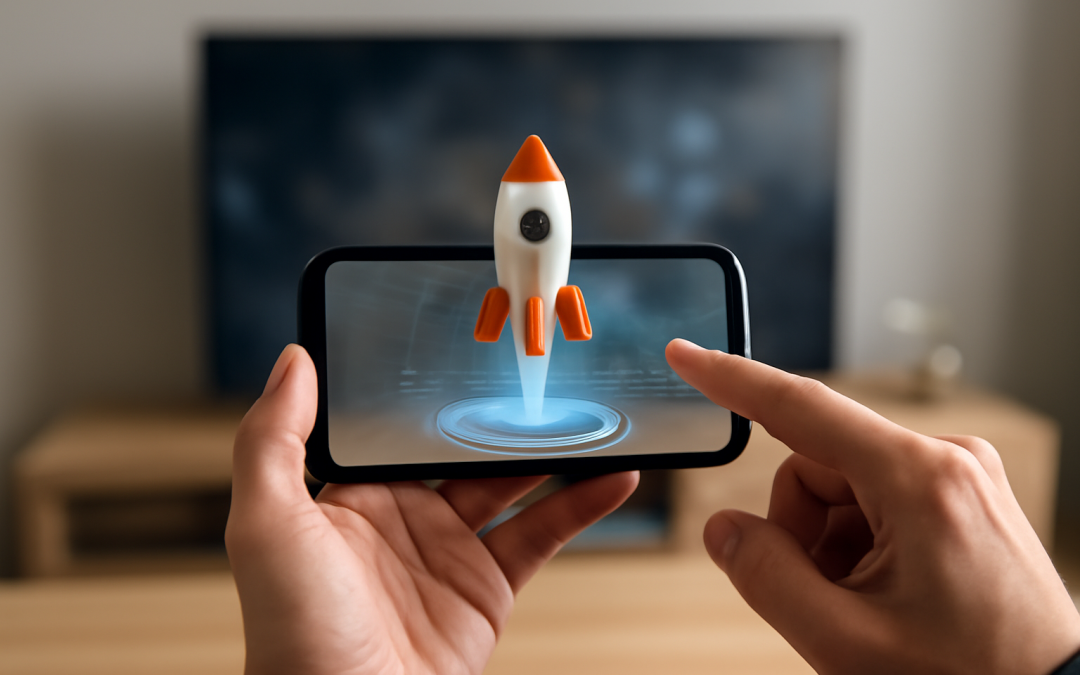
The integration of augmented reality into the media landscape marks a significant evolution in how content is created, delivered, and consumed. As digital technology continues to advance, augmented reality has become a vital tool for media professionals seeking to engage audiences more immersively. By overlaying digital information onto the real world, augmented reality transforms traditional media formats, providing interactive experiences that blend physical and virtual elements seamlessly. This fusion creates new opportunities for storytelling, advertising, and audience participation, fundamentally altering the way media is perceived and experienced.
Augmented reality’s impact on journalism is profound. Traditional news reporting often relies on static text and images, but AR enables journalists to present information in a dynamic and spatial format. Through this technology, news outlets can offer interactive 3D models, real-time data visualizations, and location-based stories that resonate more deeply with viewers. For instance, during breaking news events or disaster reporting, augmented reality can simulate the scene, allowing audiences to grasp the scale of an incident or explore affected areas virtually. This immersive approach not only enhances understanding but also fosters empathy by placing users in the midst of the story.
In entertainment media, augmented reality has sparked a creative revolution, pushing the boundaries of audience engagement. Films and television shows now often incorporate AR elements to extend the viewer experience beyond passive observation. For example, promotional AR apps can enable fans to interact with characters or settings from their favorite franchises, inviting them to participate actively in the narrative universe. Similarly, AR can be used in live performances, theater, and concerts to create hybrid realities where digital effects blend with physical environments, enriching the sensory experience and amplifying emotional impact.
Advertising and marketing industries have embraced augmented reality as a powerful medium for brand storytelling. The ability to overlay branded content onto everyday surroundings allows marketers to craft personalized and context-aware campaigns that capture consumer attention more effectively than traditional advertisements. AR-based ads can invite users to try products virtually, explore brand stories interactively, or engage in gamified promotions that increase retention and shareability. Such immersive campaigns not only drive consumer interaction but also provide valuable data insights by tracking user preferences and behaviors in real time.
Social media platforms are another arena where augmented reality is reshaping communication and content sharing. With the widespread adoption of AR filters and lenses, users can modify their visual appearance, create playful environments, or add fantastical elements to their photos and videos. These tools democratize creative expression, enabling individuals to participate in trends and viral content while fostering deeper social connections through shared experiences. Furthermore, as AR technology becomes more sophisticated, it is anticipated that social media will evolve into fully immersive platforms where users can gather, interact, and content-create in virtual-physical hybrid spaces.
The rise of augmented reality in media also has significant educational implications. Both formal and informal learning environments benefit from AR’s ability to contextualize information within a tangible framework. Museums, galleries, and cultural institutions use AR to provide rich, interactive exhibits that enrich visitor experiences by bringing static displays to life with layered multimedia. News media can help educate the public on complex issues by allowing audiences to explore scientific phenomena, historical events, or economic data through engaging, interactive content. This form of experiential learning is shown to enhance retention and understanding, making media not only informative but transformational.
While the potential of augmented reality is vast, there are also challenges that the media industry faces in adopting this technology extensively. High development costs and technical complexities can be barriers for smaller organizations aiming to implement AR in their content production. Additionally, there are concerns related to user privacy and data security, as augmented reality applications often require access to personal and location information. Creating universally accessible AR experiences is another hurdle, considering the varying capabilities of consumer devices and the digital divide. Despite these challenges, ongoing innovations and the growing demand for immersive media experiences suggest that augmented reality will continue to expand its role across all media sectors.
One of the most exciting developments is the convergence of augmented reality with other emerging technologies such as artificial intelligence, 5G, and the Internet of Things (IoT). AI enhances AR by enabling more intelligent, context-aware interactions and personalized content delivery. With the ultra-fast connectivity of 5G networks, AR applications can offer seamless, high-quality experiences even in densely populated areas. IoT, by interconnecting devices and environments, enriches AR capabilities by providing real-time data streams that improve the relevancy and interactivity of AR content. Together, these technologies are laying the groundwork for a future where media experiences are not only augmented but also adaptive and responsive to user environments and preferences.
The entertainment sector, in particular, is witnessing a transformation driven by the fusion of AR and game design principles. Augmented reality games invite players to explore real-world environments while interacting with virtual characters and objects, thus blurring the lines between the physical and digital worlds. This genre’s success reflects broader media trends toward participation and interactivity, where audiences seek not just to consume but to co-create content. Beyond pure entertainment, these AR applications encourage physical activity, social interaction, and community building, demonstrating the broader societal value embedded in this technology.
In addition, augmented reality is increasingly leveraged as a tool for brand differentiation and market positioning. Media companies and content creators use AR to set themselves apart in a crowded digital marketplace by offering unique, personalized experiences. From interactive advertisements in magazines and billboards to AR-enhanced live broadcasts, the technology offers novel ways to captivate audiences and extend the lifecycle of media content. This experiential approach to media also opens new revenue streams through premium AR features, virtual goods, and immersive event ticketing, enabling organizations to monetize engagement more effectively.
The growing ubiquity of AR-enabled devices, such as smartphones, tablets, smart glasses, and headsets, is crucial to the widespread adoption of augmented reality in media. These devices serve as gateways to AR content, making it accessible anywhere and anytime. Mobile AR, in particular, has become mainstream thanks to the widespread availability of AR development kits and platforms that simplify content creation for developers. As the hardware continues to improve in terms of computing power, battery life, and display technologies, the scope of what can be achieved in AR media experiences will only expand, making them more believable, responsive, and enjoyable for users.
Looking toward the future, the notion of a spatial web or an augmented metaverse presents a revolutionary shift in media consumption and production. In this interconnected, immersive space, media content is no longer constrained by traditional screens but exists as part of an interconnected 3D environment accessible through AR devices. Users can move fluidly across physical and digital realms while engaging with media in personalized, situated contexts. Content creators and media companies will then have the tools to craft deeply immersive narratives that respond dynamically to audience inputs and real-world conditions, fostering unprecedented levels of engagement and interaction.
The ethical considerations surrounding augmented reality in media are equally important to address as the technology evolves. Issues around misinformation, manipulation, and content authenticity gain new dimensions when digital information is layered onto the physical world. As media becomes more immersive and potentially persuasive, there is a heightened responsibility to ensure transparency, accuracy, and the protection of user consent. This includes developing standards and regulations to prevent misuse, establish clear boundaries for virtual content creation, and safeguard the mental well-being of users exposed to immersive media environments.
Moreover, the cultural impact of augmented reality in media cannot be overlooked. By creating inclusive, borderless environments where diverse narratives and perspectives can flourish, AR offers a platform to elevate marginalized voices and stories. It provides a new canvas for artistic innovation, allowing creators to experiment with form, interaction, and meaning in ways previous media could not support. As this medium continues to mature, it has the potential to foster global cultural exchange by making content accessible to a broader audience, transcending linguistic and geographic barriers.
In practical terms, businesses and media organizations are increasingly investing in AR to future-proof their operations and stay competitive in a rapidly changing digital ecosystem. Incorporating augmented reality into media strategies requires not only technical expertise but also a deep understanding of audience behavior and preferences. Organizations that successfully integrate AR into their content will build stronger connections with their audiences by offering memorable experiences that resonate emotionally and intellectually. This strategic adoption of AR is poised to become a critical differentiator in an increasingly crowded media space.
In conclusion, augmented reality is reshaping the media landscape by introducing new dimensions of interactivity, immersion, and personalization. It empowers storytellers, advertisers, educators, and social media users to create richer, more engaging experiences that redefine the boundaries between the real and virtual. Despite challenges in accessibility, privacy, and ethical concerns, its integration with emerging technologies and its broad applicability across media formats suggest that augmented reality will be a cornerstone of future media innovation. Embracing this technology will enable media professionals and organizations to connect more deeply with audiences, tell more compelling stories, and deliver content that inspires, educates, and entertains in unprecedented ways.