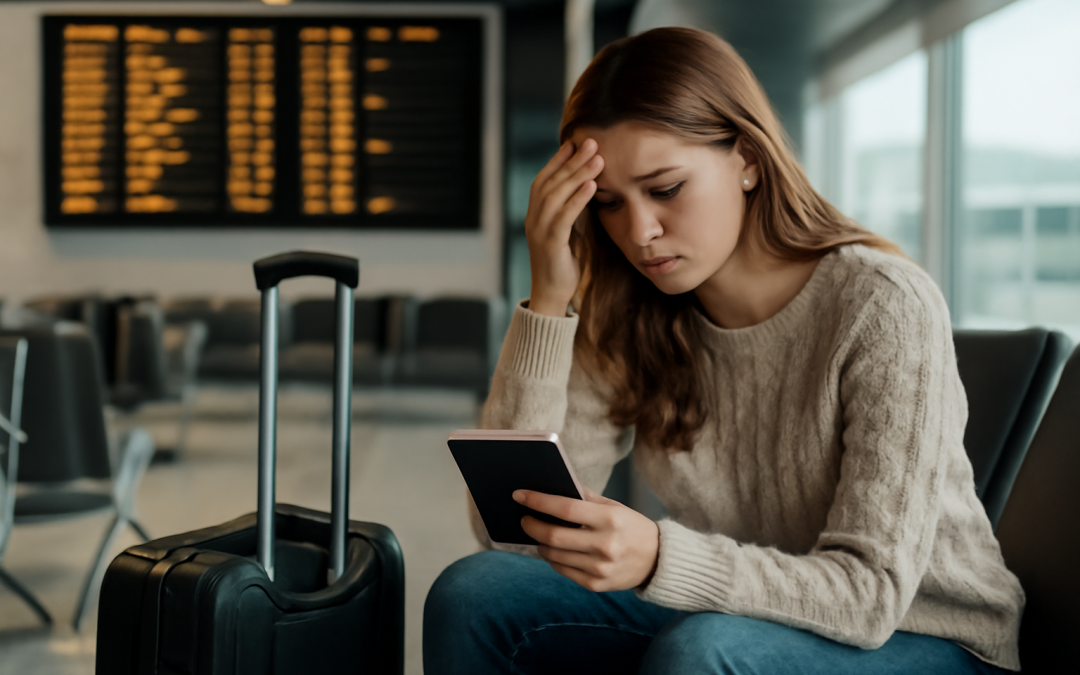
Few travel experiences are quite as frustrating as arriving at the airport only to discover that your flight is delayed. Whether it’s by a few minutes or several hours, an unexpected hold-up can derail carefully laid plans, stir anxiety, and exhaust your patience. Missing connecting flights, important meetings, or family gatherings can feel like an ordeal when you’re stuck waiting and uncertain about what to do next. However, knowing how to handle delays can make a significant difference, helping you minimize inconvenience and even turn a difficult situation into something more manageable or productive.
When a delay occurs, the first and most important step is to remain calm and gather information. Flight delays are often caused by factors outside anyone’s control, such as weather conditions, air traffic control restrictions, or mechanical issues with the aircraft. Understanding the reason behind the delay and the estimated length of the waiting period allows you to make more informed decisions. Checking announcements at the gate, airline apps, or official social media accounts can provide real-time updates directly from the source. This helps avoid unnecessary trips to customer service counters and prepares you to explore alternative options if needed.
Once you know the scope of the delay, it’s wise to contact your airline as soon as possible to understand your rights and available options. Airlines often have different policies on compensation, rebooking, and assistance, depending on the reason for the delay and its duration. Some carriers offer meal vouchers, lounge access, or hotel accommodations when the wait extends beyond a few hours, especially if it’s due to internal delays. If your flight faces a significant postponement, asking about standby flights or alternative routes can save time and reduce missed connections.
Keeping in mind that other passengers are likely experiencing the same delay, lines at counters can be exceedingly long and frustrating. If your airline provides an app or online customer service chat, it’s often more efficient to make inquiries digitally. During busy periods, gate agents may be overwhelmed, making digital communication more reliable and faster. It’s also a good idea to sign up for airline notifications in advance for future travel, as many airlines notify passengers about delays via text or email, which can give you a head start on managing the situation.
While waiting at the airport, use the unexpected downtime constructively. Instead of stressing over the delay, consider reviewing your travel itinerary, catching up on reading, or working remotely if you have tasks that can be done on a laptop or smartphone. Many airports now offer free Wi-Fi and charging stations, so you can stay connected and productive. Stretching your legs with a walk around the terminal helps reduce stiffness and anxiety, which tend to increase during long waits. If the delay forces you to spend more time at the airport, exploring dining options or airport lounges—sometimes accessible by purchasing passes—can make the experience more comfortable.
In cases where a delay will cause you to miss a connection, proactively inform the airline staff. They may assist with rebooking the onward flight and advising on accommodations or meals if the layover becomes unexpectedly long. It’s preferable to seek solutions before you’re stranded because proactive communication helps secure more options. Always keep receipts if you end up paying out of pocket for meals, transportation, or lodging, as some airlines or travel insurance policies might reimburse these expenses depending on circumstances.
Travel insurance can be a lifesaver when flights are delayed. Many policies cover additional expenses related to significant travel disruptions, including accommodation, meals, and alternative transportation costs. If you frequently travel, investing in comprehensive travel insurance provides peace of mind and financial protection against unforeseen events. Before traveling, familiarize yourself with your policy’s coverage details and emergency contact procedures to streamline claims if the need arises.
Beyond the immediate logistical concerns, flight delays can take a toll on your emotional well-being. It’s natural to feel frustrated or anxious during extended waits, especially when travel is tied to important personal or professional events. Practicing patience and engaging in calming techniques such as deep breathing, listening to music, or meditating can alleviate stress. If traveling with others, try to maintain a positive and cooperative attitude as supporting each other will make the disruption more bearable. In some cases, talking to fellow travelers in similar situations can foster a sense of camaraderie, easing the overall frustration.
If you find yourself repeatedly experiencing delays with a particular airline or route, consider researching alternatives for future trips. Sometimes, flying at different times of day or choosing airports with better on-time records can vastly improve your chances of a smooth trip. Frequent travelers can check historical data and customer reviews focused on punctuality and reliability when selecting flights. Additionally, joining airline loyalty programs might grant you access to expedited customer service, standby privileges, or priority rebooking, all of which are advantageous during delays.
When delays are announced well in advance, it may be possible to reschedule travel plans before heading to the airport. Many travelers overlook the option to get a refund or full reschedule without penalty if they catch the delay early through airline notifications. Such proactive handling avoids the inconveniences of long waits or last-minute rebooking. If you are traveling for flexible purposes, assessing whether postponing travel altogether is feasible can save stress and financial costs.
Technology has revolutionized the way passengers manage delays, offering access to apps tailored for flight tracking and real-time updates. Using flight tracking apps is invaluable not only for receiving immediate alerts but also for comparing alternate flights and checking airport conditions like security wait times. These tools empower travelers to make better decisions faster, circumventing the guesswork and uncertainty typical of travel interruptions. Familiarity with such resources enhances your ability to respond effectively to flight delays.
Despite best efforts, flight delays sometimes lead to cancellations or extended overnight waits, which require additional problem-solving. In these situations, negotiating with airline representatives becomes essential. Expressing your concerns clearly and politely can yield better assistance since airline staff are often more willing to help cooperative passengers. Requesting specific accommodations that align with your needs, whether meal vouchers or hotel stays, and documenting conversations or receiving written confirmations helps when escalating complaints or claims later.
For travelers on international routes, flight delays can have further consequences, such as visa complications, missed customs or immigration windows, or conflicts with connecting public transportation schedules. Carrying all necessary documents, including printed boarding passes and copies of travel insurance, ensures you’re prepared for such challenges. Additionally, notifying contacts at your destination about delays can manage expectations and avoid worries caused by silence or lateness, which often magnifies stress.
In some jurisdictions, passenger rights are legally protected through compensation schemes for long delays or cancellations. For example, passengers flying within or from the European Union often qualify for monetary compensation if delays exceed certain thresholds. Knowing your rights and how to claim compensation can turn inconveniences into a small financial recovery. It’s important to research applicable regulations based on your route’s departure and destination points so you are fully informed. Advocacy groups and online resources provide guidance for filing claims, often saving you time and effort.
Understanding how to deal with flight delays is not only about navigating immediate disruptions but also about preparing mentally and logistically for the possibility. Accepting that delays are sometimes inevitable and maintaining a flexible attitude can transform the travel experience. Planning trips with buffer times between connections, packing essentials such as snacks, entertainment, and medications in carry-ons, and dressing comfortably are small steps that pay dividends during unexpected holds. This preparedness reduces dependency on airport resources and elevates your level of comfort.
Ultimately, the key to managing delayed flights effectively lies in a combination of knowledge, patience, and proactive engagement. Gathering timely information, communicating clearly with airlines, utilizing technology, and taking care of your well-being can significantly mitigate the impact. Even though nobody likes to wait unnecessarily, turning delay time into an opportunity for rest, reflection, or productivity can shift perception of the unfortunate event. With thoughtful preparation and coping strategies, disruptions need not ruin your travel plans or your mood.
Traveling is an inherently unpredictable activity, so equipping yourself with the skills and mindset to handle delays is essential to becoming a resilient and confident traveler. By anticipating what to do if your flight is delayed, you gain control over an uncontrollable situation and improve your experience despite setbacks. The airport waiting area doesn’t have to be a place of frustration; it can be a space where calmness and composure prevail, ultimately enhancing your overall journey from start to finish.