Few films capture the unsettling descent into psychological terror as viscerally and poetically as Stanley Kubrick’s adaptation of Stephen King’s novel. From the opening sequences, a haunting atmosphere envelops the viewer, where expansive snowy landscapes contrast sharply with the claustrophobic interior of the Overlook Hotel. This vast isolation becomes a crucible, not only for the characters confined within but also for the audience, who sense a gradual erasure of sanity as the story unfurls. The film teeters expertly between reality and nightmare, plunging deeper into madness with each passing scene.
The protagonist’s journey is as much internal as it is external. Jack Torrance arrives at the Overlook Hotel with aspirations of peace and a fresh start, hoping to repair fractured family ties. Instead, he confronts a labyrinth of his own psyche, mirrored by the hotel’s eerie and often inexplicable happenings. Kubrick’s precise direction allows audiences to witness Jack’s slow unraveling with unnerving clarity. The isolation imposed by the season and setting isn’t merely physical but a symbolic representation of his mental disintegration, a descent marked by mounting paranoia, aggression, and a loss of self.
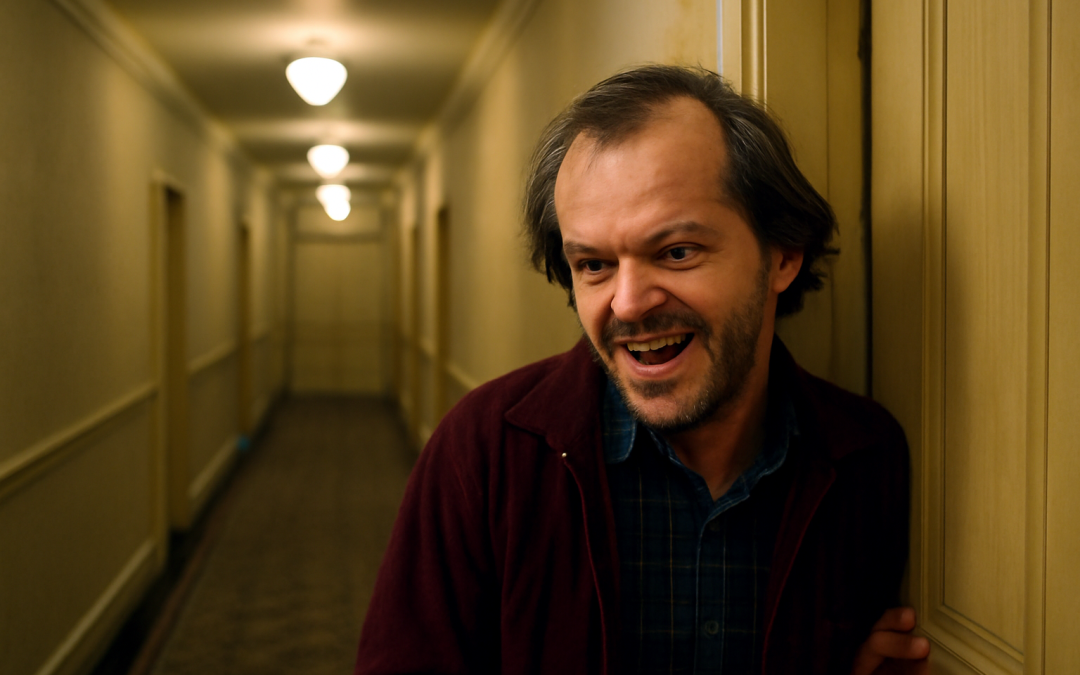
Central to the film’s terror is the way the hotel itself acts as a character—malevolent, ancient, and hungry for chaos. It becomes clear that the Overlook’s vast emptiness is not just a backdrop but an active force. It manipulates reality, preying on the deepest fears and suppressed impulses of its inhabitants. The hallways stretch endlessly, reflecting Jack’s mental labyrinth, while supernatural elements intensify his psychological torment. This merging of setting and psyche edges the narrative into a realm where madness is almost inevitable, making the hotel a mirror that amplifies isolation and inner darkness.
Coupled with an atmospheric score and meticulous cinematography, the film’s exploration of isolation is both literal and metaphorical. The physical seclusion during the off-season traps the characters, but the emotional isolation is even more profound. Wendy, Jack’s wife, finds herself increasingly alienated amidst the growing tension and terror, her vulnerability underscoring the human cost of being trapped—not only in a remote location but in a toxic relationship spiraling out of control. The film carefully navigates the fragile dynamics of family disintegration as influenced by external pressures and internal demons.
Kubrick’s attention to detail enhances the psychological horror, using setting and camera work to disorient and intensify. The famous Steadicam tracking shots glide fluidly through the hotel’s corridors, offering an almost ghostly perspective that immerses the viewer within the oppressive environment. This visual technique mirrors the characters’ inescapable entrapment, reinforcing a sense of creeping dread. The hotel’s imposing architecture feels both labyrinthian and suffocating, a spatial metaphor for the collapse of rationality under the weight of isolation and supernatural influence.
An important aspect of the film’s enduring resonance emerges from its thematic ambiguity. The viewer is left questioning the nature of Jack’s madness—whether it is the result of supernatural possession or a gradual psychological breakdown. Kubrick resists clear answers, instead allowing ambiguity to amplify unease. This uncertainty blurs the lines between external malevolence and internal fragility, suggesting that isolation itself can be a catalyst, exposing and exacerbating one’s darkest tendencies. This mutual reinforcement between environment and psyche is a hallmark of enduring psychological horror.
The performances, particularly Jack Nicholson’s portrayal of Jack Torrance, bring tremendous depth to the exploration of madness. Nicholson’s gradual transformation from a hopeful caretaker to a menacing figure addicted to violence is chilling and compelling. His expressive range captures the volatile mix of vulnerability and menace, making the character’s descent horrifyingly believable. Shelley Duvall’s portrayal of Wendy adds a vital emotional counterpoint, embodying fear, resilience, and helplessness in a harrowing situation. Together, their interactions highlight the corrosive effects isolation has on personal relationships.
The screenplay’s structure also reinforces the themes of repetition and cyclical madness. The hotel’s past tragedies are hinted at through cryptic dialogs and symbolic imagery, suggesting that the horrors experienced by the Torrance family are not isolated events but part of a recurring nightmare. This cyclical pattern underscores the inescapability of madness once the seed of isolation and repression is sown. The film’s pacing follows this pattern, building tension meticulously until chaos erupts, only to leave viewers with lingering questions and unease.
Sound design plays a crucial role in the psychological landscape the film crafts. The use of haunting, discordant music and sudden silences creates moments of intense suspense and dread. Background whispers, echoes, and unexplained noises heighten the sense of paranoia and uncertainty. These auditory choices immerse the audience in the same unstable mental state experienced by the characters, with sound becoming a vehicle for isolation—not only from the world outside but from one’s own sense of reality. The sonic environment operates almost as a character itself, shaping the emotional tone throughout the film.
Despite being rooted in supernatural elements, the story’s real horror lies in the portrayal of mental illness and familial breakdown. The pressure of isolation exacerbates pre-existing fractures within the family unit, bringing long-buried tensions to the surface. Jack’s internal struggles with anger and addiction combine with external supernatural forces, creating a perfect storm. The film’s ability to intertwine these elements elevates it beyond conventional horror. It becomes a meditation on human vulnerability, how isolation can distort perception, and the precarious divide between sanity and madness.
Ultimately, the film’s enduring impact stems from its unsettling portrayal of psychological fragmentation in hostile environments. It challenges viewers to consider how isolation, whether physical or emotional, can unravel the mind and amplify inner darkness. The Overlook Hotel represents a space where the boundary between reality and nightmare dissolves, forcing characters and audience alike to confront disturbing truths about the human condition. Its legacy lies in this complex and haunting portrayal of a descent into madness, where isolation is both catalyst and prison.
Through its meticulous craftsmanship, compelling performances, and layered storytelling, the film remains a benchmark in the horror genre. It transcends simple scares by delving deeply into the psychological effects of solitude and mental collapse. The unsettling synergy between environment, character, and narrative structure ensures it continues to captivate and disturb new generations of viewers. It is not just a story of haunted halls but a profound exploration of the mind’s fragility when left to wander the shadowed corridors of isolation and madness.