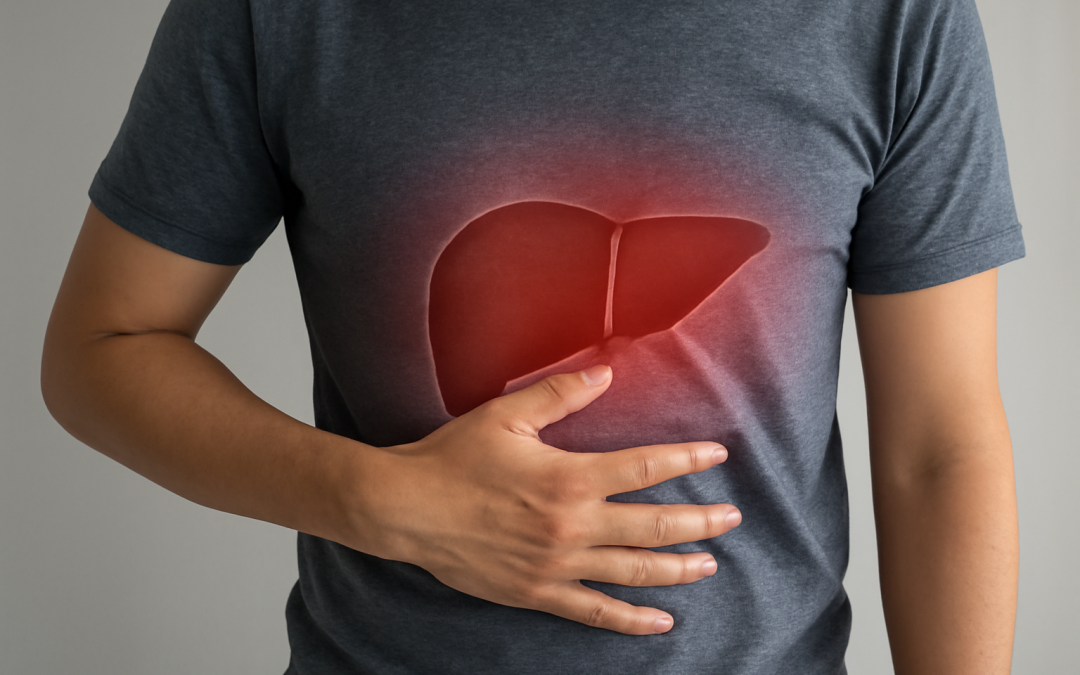
The liver plays a crucial role in maintaining overall health, yet it often operates silently, without obvious signs to alert us when it is under strain. Recognizing early symptoms can be vital, as a liver that is overworked may lead to more serious health complications if left unaddressed. For many people, the liver’s ability to filter toxins and process nutrients is taken for granted until something goes wrong. Understanding the subtle ways your body communicates distress is the first step toward safeguarding this vital organ.
One common indication of an overburdened liver is persistent fatigue. When the liver struggles to detoxify efficiently, waste products and toxins accumulate, which can lead to a sense of ongoing exhaustion and low energy levels. This type of fatigue is different from what might be resolved with rest; it lingers and can significantly affect daily functioning. Alongside tiredness, many individuals report brain fog or difficulty concentrating, suggesting that toxin buildup is impacting the nervous system. These cognitive challenges often signal that the liver is not processing waste as effectively as it should.
Digestive disturbances are another key symptom linked to an overworked liver. Because the liver produces bile, crucial for digesting fats and absorbing fat-soluble vitamins, impairment can result in bloating, constipation, or diarrhea. People might notice that their stools become pale or greasy, which can indicate inadequate bile production. Besides digestive discomfort, a reduction in appetite or unexplained weight fluctuations may also point to hepatic stress. In some cases, food sensitivities or unexplained allergic reactions can develop as the liver’s ability to manage toxins diminishes.
Changes in skin health frequently accompany liver dysfunction. A classic sign is jaundice, a yellowing of the skin and eyes caused by excess bilirubin in the bloodstream due to impaired liver clearance. Beyond jaundice, individuals might notice persistent itching without an apparent rash, which occurs because bile salts accumulate beneath the skin. Chronic dryness, redness, and the development of spider-like blood vessels on the face or chest are additional external markers. These visible manifestations serve as clear indicators that the liver is struggling to perform its detoxification role.
Hormonal imbalances are another subtle yet significant consequence of a liver under duress. The liver helps regulate hormones by breaking down excess amounts and maintaining balance. When it falters, symptoms such as irregular menstrual cycles, mood swings, and unexplained weight gain, particularly around the abdomen, can be observed. Men may experience a decrease in libido or erectile dysfunction, which can also trace back to hepatic stress. These disturbances highlight how liver health impacts a wide range of bodily functions beyond simple toxin filtration.
Swelling and fluid retention throughout the body are further signs to watch for. In a properly functioning liver, proteins like albumin help maintain fluid balance in the blood vessels and tissues. When the liver is compromised, low albumin levels can lead to the accumulation of fluid in the abdomen, known as ascites, or swelling in the legs and ankles. This swelling is often painless but noticeable and can progress if the underlying issues are not addressed. Experiencing unexplained swelling should prompt further evaluation of liver function and other related health parameters.
Another less obvious indicator is an increased sensitivity to medications and chemicals. As the liver is responsible for metabolizing most drugs, an overworked liver can slow this process, causing medicines to linger in the body longer than intended. This leads to stronger side effects or reduced effectiveness. People might also find themselves more susceptible to environmental toxins, such as pollutants or chemicals in cleaning products. Recognizing this heightened reactivity can be important for adjusting lifestyle choices and medical treatments.
Gastrointestinal discomfort paired with a persistent bitter taste or bad breath can signal liver congestion. The liver’s inability to properly clear toxins often results in these subtle yet unpleasant symptoms. The bitter taste in the mouth and foul breath stem from the toxins that would normally be eliminated through the liver’s processes but instead accumulate and enter other systems. This symptom may be dismissed or mistaken for dental problems, but it can provide valuable insight into liver health when combined with other signs.
In some cases, mental health issues such as anxiety and depression may be linked to liver strain. The liver’s detoxification role extends to clearing metabolic waste products that could affect brain chemistry. When these waste products accumulate, they may disrupt neurotransmitter balance, causing mood changes and emotional instability. This connection between liver health and mental well-being underscores the importance of considering liver function in holistic health assessments, especially when unexplained emotional disturbances arise.
It is also important to consider lifestyle factors that contribute to liver overload. Excessive alcohol consumption, poor diet high in processed foods and sugars, sedentary behavior, and exposure to environmental toxins can all place significant demands on the liver. Chronic viral infections and certain medications can also exacerbate liver stress. Identifying and modifying these factors is essential not only for alleviating symptoms but for preventing long-term damage such as fatty liver disease, fibrosis, or cirrhosis.
Despite the many signs of liver distress, the organ’s remarkable ability to regenerate means that early interventions can lead to substantial recovery. Addressing diet by incorporating liver-friendly foods such as leafy greens, cruciferous vegetables, and antioxidant-rich fruits can support detoxification. Adequate hydration and regular physical activity further enhance liver function. Consulting healthcare professionals for appropriate testing, including liver enzyme panels, can provide a clearer picture of liver health and guide treatment plans.
In summary, the liver’s health is vital for maintaining overall bodily balance, and recognizing its distress signals can prevent more serious illness. Symptoms such as fatigue, digestive upset, skin changes, hormonal disruptions, swelling, medication sensitivity, and cognitive issues all provide important clues. By paying close attention to these signs and making lifestyle adjustments, it is possible to support liver health and enhance one’s quality of life. Timely action and awareness not only protect this essential organ but also promote a more vibrant and resilient state of well-being.