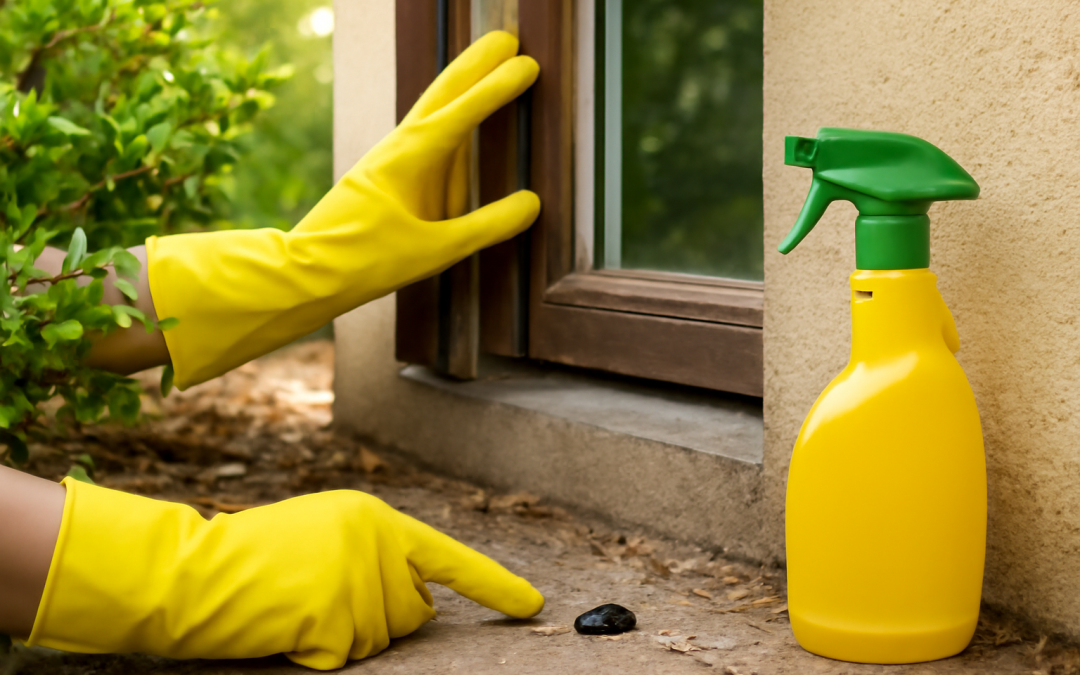
As the chill of winter retreats and the warmer air of spring begins to settle in, home environments become more inviting not just for people, but for a variety of pests as well. The shift in temperature and increased moisture create ideal conditions for insects and rodents to emerge from hidden winter hiding places in search of food, water, and shelter. Many homeowners find themselves unprepared for these unwelcome visitors, often discovering infestations only after significant damage or discomfort has occurred. The good news is that proactive measures can dramatically reduce the risk of pest problems as the season changes.
One of the most effective steps in spring pest prevention involves carefully inspecting the exterior of your home. Pests like ants, spiders, and cockroaches often enter through tiny cracks and gaps in the foundation, siding, and around windows and doors. Sealing these entry points with weather-resistant caulking or expanding foam not only prevents unwanted guests but also improves energy efficiency by reducing drafts. Special attention should be paid to areas where utility pipes and wires enter the house, as these can be easy access points for rodents and insects to slip inside unnoticed.
Maintaining a clean and clutter-free environment around the property plays a crucial role in deterring pests. As spring causes plants to bloom and soil to stay moist, many pests thrive in overgrown yards, dense shrubbery, and piles of leaves or debris. Keeping vegetation trimmed back and removing yard waste eliminates shelter and breeding grounds for pests such as ticks, mosquitoes, and rodents. Additionally, storing firewood away from the home and elevating it off the ground prevents termites and carpenter ants from gaining direct access to wooden structures.
Water management becomes especially important during spring when rainfall and melting snow create ample moisture, attracting pests like mosquitoes and some beetle species. Ensuring that gutters and downspouts are clean and direct water well away from the house foundation helps prevent standing water, which is a breeding site for mosquitoes. Similarly, repairing leaky outdoor faucets, sprinklers, and hose connections cuts down on excess moisture that might invite pests into your yard and ultimately inside your home.
Inside the home, simple daily habits can make a considerable difference in curbing pest activity. Regularly cleaning kitchen surfaces and promptly storing food in airtight containers remove the scent trails that ants and rodents follow. Garbage disposal should be handled carefully, with bins tightly covered and emptied frequently to prevent attracting flies and cockroaches. Reducing access to food and water sources indoors often forces pests to look elsewhere, decreasing the likelihood of an infestation.
Spring is also an ideal time to check and replace screens on windows and doors. Torn or missing screens allow flying insects like moths, flies, and mosquitoes to enter freely. Installing door sweeps and weather stripping can further block entry points at the bottom of exterior doors, offering an additional layer of protection. Homeowners should also be vigilant about closing windows and doors promptly, especially during early morning and evening hours when many pests are most active.
Pest prevention extends beyond the physical barriers and cleanliness to include monitoring and early detection efforts. Using sticky traps or pheromone lures inside closets, basements, and other vulnerable areas can alert you to the presence of pests before they multiply. Regularly inspecting pet bedding, houseplants, and storage boxes helps identify unwanted hitchhikers such as fleas, mites, or pantry beetles. Early intervention not only avoids costly exterminations but also mitigates health risks associated with certain pests.
Integration of natural deterrents can provide an eco-friendly supplement to mechanical and chemical strategies. Essential oils like peppermint, eucalyptus, and citronella are known to repel many common pests when applied appropriately around entry points and living spaces. Similarly, introducing beneficial insects like ladybugs and predatory mites into garden areas can keep harmful pest populations in check without the need for harsh pesticides. Encouraging birds and bats by installing birdhouses and bat boxes can contribute naturally to insect control since these animals consume large quantities of mosquitoes and other flying pests.
For more severe pest problems or recurring infestations, consulting a professional pest control service may be necessary. Experts bring specialized knowledge, tools, and treatments that can safely eradicate pests while minimizing risk to residents and pets. Many companies now offer preventive maintenance plans tailored to specific seasons, ensuring ongoing protection throughout the year. Investing in professional help can be a cost-effective option in preventing structural damage and maintaining a comfortable home environment.
It is also worth considering storage and organizational habits during the spring cleaning process. Pests often take advantage of cluttered basements, attics, and garages to establish nests. Items stored in cardboard boxes are especially vulnerable to damage from rodents and insects. Replacing these boxes with plastic bins with tight lids can significantly reduce the chance of pest colonization. Keeping spaces tidy and periodically redistributing stored items disrupts hiding spots and makes it easier to detect early signs of infestation.
Beyond the home itself, community-wide efforts can support individual pest prevention initiatives. Working with neighbors to remove standing water, keep communal areas clean, and share information about local pest sightings can enhance the overall effectiveness of control measures. Many pests, such as ticks and mosquitoes, thrive in larger ecosystems and controlling them requires a collaborative approach. Staying informed about local pest trends and participating in regional pest management programs helps keep the entire neighborhood safer during peak pest seasons.
Climate considerations also influence the type and intensity of pest challenges faced each spring. Mild winters and warm springs often lead to earlier and larger pest outbreaks, while wet conditions increase breeding sites. Staying attuned to yearly weather patterns and adjusting prevention tactics accordingly can improve results. For instance, in regions prone to termite activity, extra vigilance in inspecting wooden structures and soil treatments around the perimeter may be necessary. Similarly, areas with heavy mosquito populations benefit from enhanced water drainage and larvicide applications.
Ultimately, an integrated approach combining sanitation, home maintenance, personal habits, natural remedies, and professional assistance creates the strongest defense against the seasonal surge of pests in spring. Waiting until pests become visible or causing problems is often too late and can lead to more severe infestations and damage. By adopting a proactive mindset and taking consistent steps, homeowners can enjoy the beauty and freshness of the season without the annoyance and hazards posed by unwanted pests. Being prepared not only safeguards the home but contributes to a healthier, more comfortable living environment for family and pets alike.
By incorporating these strategies into regular springtime routines, individuals can significantly reduce the risk of pest intrusions before they begin. Understanding the biology and behavior of common pests enhances the ability to anticipate and address vulnerabilities effectively. Whether it is through sealing entry points, managing moisture, maintaining cleanliness, or utilizing natural repellents, each action strengthens the barrier between pest frustrations and peaceful home life. In this way, embracing comprehensive spring pest prevention ensures that the season remains a time of growth, renewal, and enjoyment rather than stress and infestation.