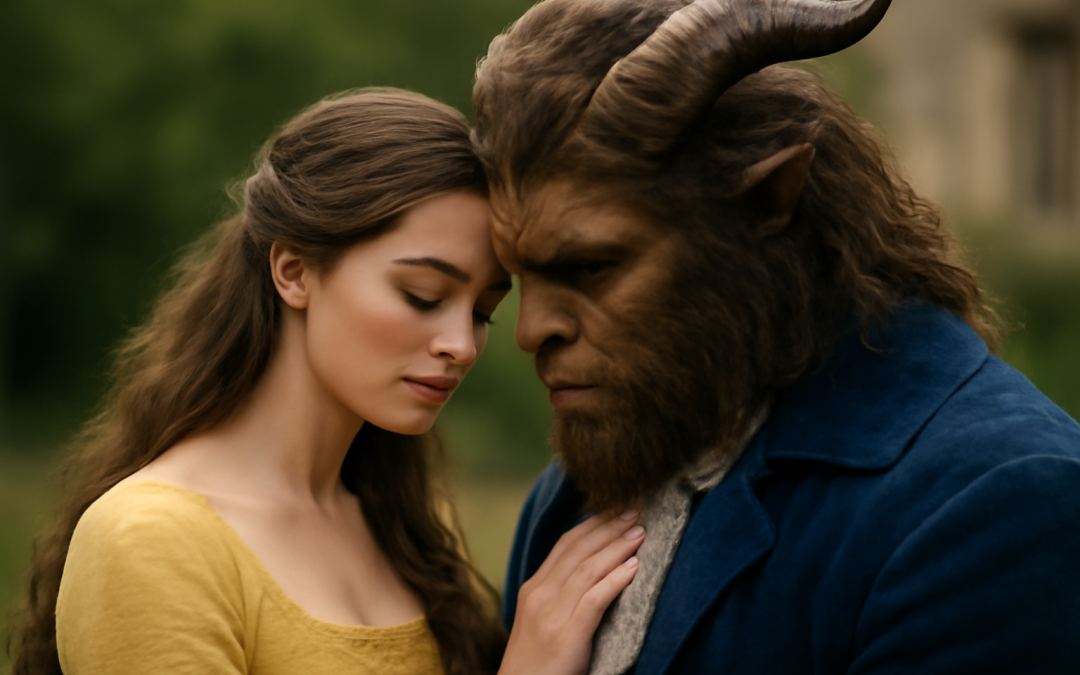
Few animated films have managed to capture the collective imagination and emotional resonance of audiences quite like this timeless tale. At its core, the story transcends the boundaries of a simple fairy tale, weaving a complex web of themes such as love, acceptance, and transformation. The animation serves not only as a visual spectacle but also as a vital conduit through which the narrative delivers its profound emotional impact. This combination of art and heart ensures that the movie remains a lasting cultural touchstone, enchanting viewers of all ages with its blend of enchanting visuals and stirring sentiments.
The animation techniques employed are a masterclass in classical storytelling fused with innovative artistry. From the sweeping, hand-drawn sequences to the groundbreaking use of computer-generated imagery for certain scenes, every frame is crafted meticulously. The fluidity of the characters’ movements and the intricate detailing of the backgrounds contribute to a palpably immersive environment. This technical prowess enriches the storytelling, making the enchanted castle feel alive and every flicker of emotion on the characters’ faces believable. The marriage of traditional and digital animation techniques not only advanced the art form but created a lush, vivid world that invites the audience to lose themselves in its beauty.
Beyond the technical execution, the animation excels in its ability to communicate emotion without words. The subtle blinking of the Beast’s vulnerable eyes, the gentle curve of Belle’s smile, and the dynamic expressions of supporting characters all serve to deepen our connection to their journeys. Because so much care is placed on these visual cues, the emotional beats hit with greater force, making the highs feel triumphant and the lows genuinely heartrending. This emphasis on expressive animation allows viewers to intuitively understand the characters’ inner lives, fostering empathy and investment in the unfolding story.
The color palette is another critical aspect that elevates the animation and emotion. Rich, warm tones dominate scenes of comfort and hope, while dark, muted shades envelop sequences that signify danger or despair. This intentional use of color complements the narrative, shaping the viewer’s emotional experience on a subconscious level. For instance, the transformation of the castle from a cold, forbidding fortress to a bright, welcoming home parallels the Beast’s own growth and the blossoming of love. Such visual storytelling techniques enrich the film’s layers, making it a feast for the eyes and the heart simultaneously.
Music and animation work in harmonious conjunction to amplify the emotional landscape. The soaring melodies and poignant lyrics serve as emotional signposts that guide the audience through the story’s peaks and valleys. During musical numbers, vibrant animation sequences burst to life with energy and dynamism, heightening the sense of wonder or urgency. Moments of silence or quiet reflection contrast these high-energy scenes, allowing the animation to pull viewers deeper into the characters’ emotional states through nuanced facial expressions and body language. This interplay illustrates how animation is not merely a backdrop but an active participant in conveying the emotional core of the narrative.
Character design deserves special mention because it encapsulates the theme of transformation both literally and symbolically. Belle’s design embodies intelligence, kindness, and curiosity, with subtle details like her expressive eyes and soft features reinforcing her empathetic nature. In contrast, the Beast’s monstrous appearance is rendered with complexity—simultaneously fierce and tragically human. His design allows audiences to see beyond his exterior into the layers of pain and longing within. The gradual softening of his features as he evolves emotionally mirrors the progression of the story, making the transformation believable and deeply affecting.
The supporting cast adds richness and diversity to the emotional spectrum of the film. Characters like Lumière, Cogsworth, and Mrs. Potts are not only comically entertaining but also embody themes of loyalty, hope, and resilience. Their animation is equally detailed, with lively movements and expressive interactions that provide levity and warmth. These characters help to flesh out the world and reinforce the idea that love and kindness persist even in difficult circumstances. Their presence contributes to an overall balance in tone, preventing the story from becoming too somber while still respecting its emotional seriousness.
One of the most striking aspects of the animation is the balance it achieves between fantasy and realism. While the story is steeped in magical elements—enchanted objects, spells, and transformations—the visual style grounds these fantastical elements in believable physicality. Textures like wood grain, fabric folds, and ice crystals are rendered with care, making the world tangible and relatable despite its magical underpinnings. This careful attention to detail allows the suspension of disbelief to remain intact, fostering a deeper emotional engagement because the environment feels authentic within its fairy tale context.
The storytelling itself leans heavily on the potent combination of visual narrative and emotional resonance. Without preaching or overt melodrama, the film explores themes of acceptance and inner beauty in a way that feels genuine and heartfelt. The animation aids this by showing rather than telling—moments of quiet tenderness or frustration are depicted through body language and facial cues rather than dialogue alone. This subtlety enriches the experience, encouraging viewers to reflect on the characters’ journeys personally. It’s this ability to merge animation and emotion seamlessly that makes the film enduring and impactful.
Furthermore, the pacing and structure of the animation scenes are carefully designed to maximize emotional payoff. Key moments—such as the iconic ballroom dance or the heart-wrenching confessions—are given time to unfold gracefully, allowing the animation to build tension and release in tandem with the music and narrative. Scenes are composed with thoughtful camera angles, lighting, and motion that enhance mood and underscore emotional beats. This cinematic approach to animation broadens the expressive possibilities of the medium, turning scenes into immersive experiences that linger long after the screen fades to black.
The themes explored through the animation extend beyond romance into broader ideas about identity and transformation. The characters’ journeys illuminate the ways that love can challenge preconceptions and inspire change. Through the Beast’s struggle with anger and isolation, the film delves into the human condition with sensitivity and depth. Belle’s courage and wisdom question societal norms, emphasizing the value of intellect and compassion over superficial judgments. The animation brings these themes to life, making abstract ideas tangible and accessible to audiences of all ages.
From a cultural perspective, the film’s animation set a new standard for what could be achieved within the genre. It demonstrated that animated features could evoke complex emotions and tell mature stories without sacrificing the enchantment that draws children to fairy tales. The success of this approach inspired countless filmmakers and animators to explore more ambitious projects, advancing the medium’s artistic and narrative potential. This legacy underscores the importance of thoughtful animation combined with emotional storytelling as a powerful vehicle for cinematic expression.
In addition, the use of animation to portray the contrast between light and darkness enriches the film’s emotional texture. The interplay of shadows and illumination not only creates visual drama but symbolizes the characters’ internal struggles and hopes. Moments of darkness often highlight fear, loneliness, or despair, while bursts of light signal hope, love, and acceptance. This visual metaphor heightens the audience’s emotional response by aligning the aesthetic experience with the story’s thematic undercurrents. Such sophistication in design elevates the film beyond simple entertainment into the realm of art.
The emotional impact sustained throughout the film is a testament to its careful craftsmanship and empathetic storytelling. Rather than relying on cheap thrills or sentimentality, the animation invites a genuine emotional journey that respects the audience’s intelligence and heart. By investing in fully developed characters and richly textured environments, the film creates a world that feels alive and emotionally authentic. This synthesis of style and substance allows the movie to resonate deeply with viewers, making moments of joy, sorrow, and redemption feel earned and meaningful.
In the end, the success of the film lies in its synthesis of enchanting animation and profound emotional storytelling. It is a rare example of how the medium of animation can be used to explore complex human feelings through a visually stunning and narratively rich experience. It invites viewers to look beyond appearances, to embrace compassion and hope, and to believe in the transformative power of love. This enduring appeal ensures that it will remain a beloved classic, cherished not only for its beauty but for the emotional truth it conveys.