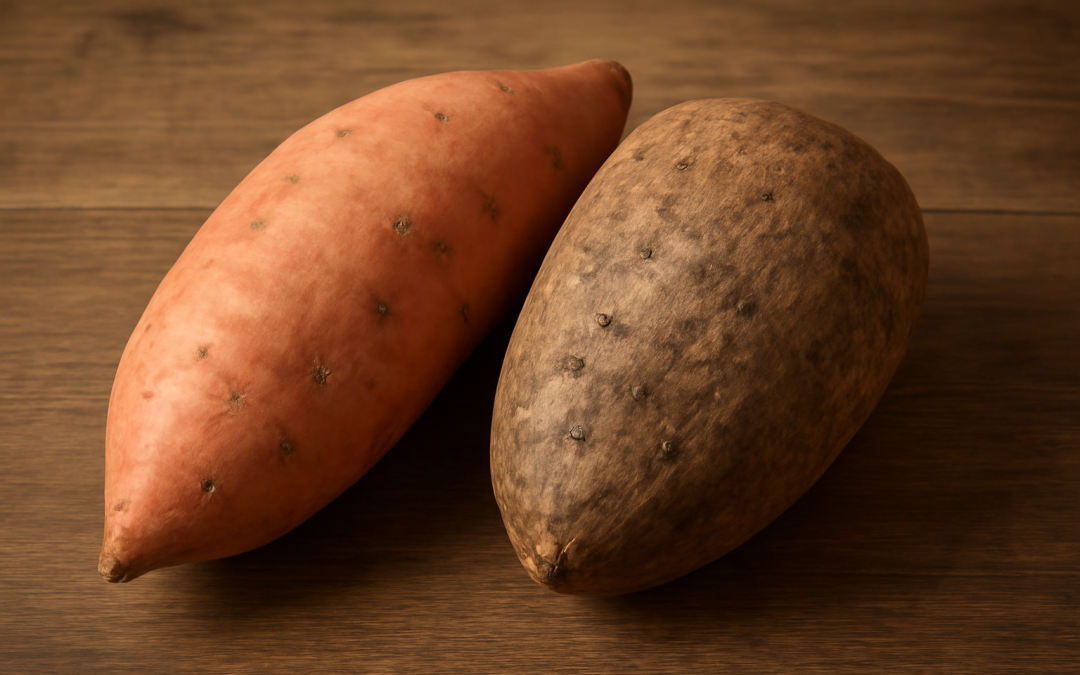
The confusion surrounding sweet potatoes and yams is widespread, often leading to misunderstandings in kitchens and grocery stores alike. Despite their visual similarities, these two root vegetables are quite distinct in origin, flavor, texture, and nutritional content. Clarifying these differences is essential not only for culinary purposes but also for consumers seeking to make informed dietary choices. Exploring the characteristics, cultural significance, and health benefits of each helps demystify the common misconceptions and highlights their unique qualities.
Sweet potatoes, native to Central and South America, belong to the Convolvulaceae family. They are typically characterized by a smooth skin and a flesh that ranges from pale yellow to orange or even purple. One of the most common varieties found in the United States has a vibrant orange flesh that is both sweet and moist when cooked. In contrast, yams, which belong to the Dioscoreaceae family, are native to Africa and Asia. They feature a rough, scaly, dark brown exterior and a starchy, dry flesh that can be white, purple, or reddish. The distinct botanical families indicate that these vegetables are not closely related, despite their overlapping uses in cooking.
Culturally, sweet potatoes have become a central ingredient in many American dishes, particularly in holiday meals such as Thanksgiving. Their naturally sweet flavor lends itself well to both savory and dessert preparations. Yams, on the other hand, hold a more prominent place in African and Caribbean cuisines, where their starchier consistency is preferred in hearty, traditional dishes. This regional variation in usage often contributes to the confusion, especially in supermarkets where “yams” might actually be labeled sweet potatoes to conform to consumer expectations.
Nutritionally, sweet potatoes are a powerhouse of beta-carotene, especially the orange-fleshed varieties. This powerful antioxidant precursor to vitamin A supports eye health, immune function, and skin integrity. They are also rich in vitamins C and B6, potassium, and dietary fiber, making them a well-rounded choice for maintaining overall health. Additionally, sweet potatoes have a relatively low glycemic index compared to other starchy foods, which means they can help regulate blood sugar levels. Yams typically contain less sugar and more resistant starch, which is beneficial for digestive health and offers a slower energy release. They are also a good source of potassium and vitamin C but contain fewer antioxidants compared to sweet potatoes.
In terms of texture and flavor, sweet potatoes present a creamy and moist mouthfeel, especially when baked or mashed. Their natural sweetness is complemented by a hint of earthiness, making them versatile for both sweet and savory dishes. Yams, by contrast, are much drier and have a more neutral, starchy taste. This makes them ideal for recipes where a more substantial, crispy, or dense texture is desired, such as in fritters, pounded yam (a popular West African dish), or thick stews. It is this variation in moisture content and flavor that influences how these tubers are prepared and enjoyed across different culinary traditions.
The agricultural aspects also differ significantly between sweet potatoes and yams. Sweet potatoes thrive in warmer, temperate climates and require a relatively short growing season, which makes them accessible to many farmers worldwide. Yams necessitate more tropical environments with longer growth periods and are often cultivated on a larger scale in countries like Nigeria and Ghana. This difference in cultivation lends to their availability and the relative freshness one might find in various markets. For instance, sweet potatoes are commonly stocked year-round in U.S. supermarkets, while yams are more seasonal and may only be available in specialty stores.
From a culinary perspective, the misuse of the terms “yam” and “sweet potato” has extensively muddled recipes and dining expectations. In the United States, what is often labeled as a “yam” in grocery shops is, in many cases, a soft orange sweet potato. This labeling practice began decades ago when producers sought to distinguish between the softer, orange-fleshed sweet potatoes and the firmer, lighter-fleshed varieties. Meanwhile, true yams remain a less familiar vegetable to American consumers, although their popularity is growing with the rise of global cuisine interest. For anyone attempting to follow a recipe or recreate a dish authentically, understanding these differences is paramount.
Cooking methods differ too, with sweet potatoes adapting well to baking, roasting, mashing, and even frying. Their higher sugar content caramelizes beautifully when roasted, enhancing their natural flavor. Sweet potato fries have become a popular alternative to traditional potato fries due to their sweetness and nutritional benefits. Yams, with their denser texture, are often boiled, steamed, or pounded. They hold their shape well and offer a more robust bite, making them ideal in dishes that require structural integrity. The choice of tuber therefore impacts not only taste but also the final texture and presentation of a meal.
In terms of storage and shelf life, sweet potatoes require cool, dry, and well-ventilated conditions to remain fresh for several weeks. Due to their thinner skin, they are more susceptible to bruising and spoilage if mishandled. Yams, conversely, have a thicker, tougher skin that protects them from damage and dehydration, allowing them to be stored for longer periods in appropriate conditions. This difference in durability can affect how these vegetables are transported from farms to consumers and how well they retain quality over time.
Medicinally and historically, sweet potatoes have been used in traditional medicine to treat various ailments, thanks to their rich nutrient profile. For example, they have been employed in folk remedies for digestive issues and inflammation. Yams have also been associated with health benefits, particularly in regard to their phytochemical content, which includes diosgenin—a compound studied for its potential hormone-balancing properties. As such, yams have been used historically in herbal medicine, especially in cultures where they are a dietary staple.
The economic impact of these tubers is significant in their respective regions. Sweet potatoes support agriculture industries in the Americas and parts of Asia, creating jobs and contributing to food security. Yams play a vital role in West African economies, where they are a major export commodity and a source of income for smallholder farmers. Understanding these economic dynamics adds another layer of appreciation for both vegetables beyond the kitchen.
For those mindful of dietary restrictions or looking to diversify their diets, incorporating both sweet potatoes and yams provides a variety of nutrients and flavors. Each offers unique benefits and can complement different dietary needs. For example, diabetics might prefer yams due to their lower glycemic index, while those seeking an immune boost and antioxidant support could prioritize orange-fleshed sweet potatoes. Chefs and home cooks who recognize the distinct qualities of these vegetables can better tailor menus for health, taste, and texture.
In the context of growing sustainable food systems, sweet potatoes have garnered attention for their relatively efficient water usage and ability to thrive in poor soil conditions, making them a resilient crop under changing climate conditions. Yams, while more demanding in terms of growing environment, contribute to biodiversity in agriculture and traditional farming systems. Encouraging the cultivation and consumption of both tubers promotes ecological balance and helps preserve ancient culinary heritage.
Cross-cultural culinary exchanges have introduced both sweet potatoes and yams to new audiences and cuisines over time. Korean cuisine, for instance, incorporates sweet potatoes into desserts and snacks, while Caribbean cooking relies heavily on yams for savory stews and side dishes. Fusion recipes blending these two ingredients are becoming increasingly popular, showcasing their adaptability and appeal.
In sum, the distinction between sweet potatoes and yams extends far beyond mere appearance. Their separate botanical classifications, nutritional profiles, textures, culinary applications, and cultural histories all contribute to the rich tapestry of global food traditions. Recognizing and respecting these differences enriches culinary experiences and fosters greater appreciation for the diversity of root vegetables available. Whether roasted, mashed, fried, or boiled, these tubers offer versatile, nutritious, and delicious options that can satisfy a wide range of palates and dietary needs.
Ultimately, understanding the disparities between the two is crucial for anyone seeking to navigate recipes, grocery aisles, or cultural food practices with confidence. Armed with this knowledge, consumers and cooks alike can make better-informed choices that enhance the enjoyment and health benefits of their meals. The sweet potato and yam each hold a unique place in worldwide gastronomy, and embracing their individuality encourages a broader and more nuanced appreciation of their culinary and cultural importance.