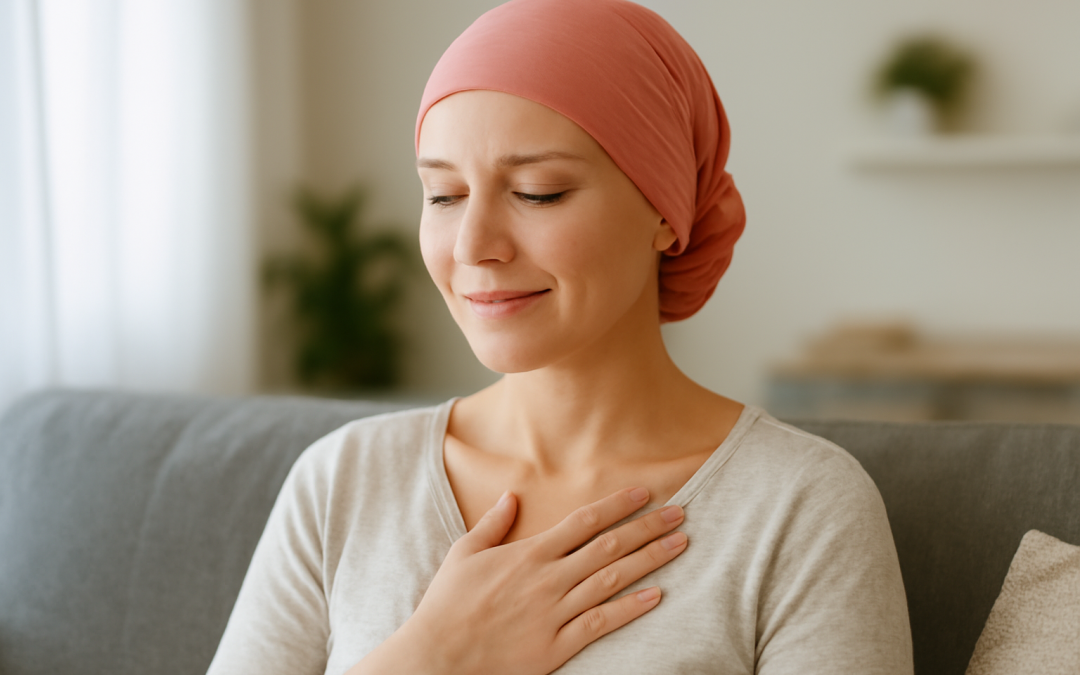
The journey of healing following cancer treatment is a complex, intricate process that involves the entire body working to restore balance, repair damaged tissues, and rebuild strength. Cancer therapies are often aggressive and can leave physical and emotional scars that take time to mend. Understanding how the body heals after cancer treatment is essential for patients, caregivers, and healthcare providers alike, as it offers insight into recovery timelines, potential complications, and ways to support healing effectively. From cellular repair to systemic recovery, the body undergoes profound changes as it seeks to regain its former resilience and health.
Cancer treatments such as surgery, chemotherapy, radiation, immunotherapy, and targeted therapies each impact the body in unique ways. Surgery physically removes tumors but can disrupt normal anatomical structures and nerve pathways, necessitating tissue regeneration and sometimes rehabilitation to restore function. Chemotherapy and radiation, while designed to eradicate rapidly dividing cancer cells, also affect ordinary cells, especially those in the bone marrow, lining of the gut, and hair follicles, which leads to side effects such as fatigue, anemia, and gastrointestinal upset. The challenge the body faces during recovery is enormous, as it must rebuild healthy cells while eliminating residual damage and preventing recurrence.
One of the earliest aspects of healing seen after cancer treatment is the body’s ability to regenerate healthy cells to replace those harmed by therapy. Stem cells and progenitor cells in the bone marrow play a critical role in restoring blood cell populations depleted by chemotherapy. White blood cells, vital for fighting infections, often dip during treatment, creating vulnerability, but over weeks or months, the marrow produces fresh immune cells to replenish the system. Similarly, red blood cells, which carry oxygen throughout the body, gradually return to normal levels, improving energy and endurance. Platelets, essential for blood clotting, also recover, reducing bleeding risk. This hematologic regeneration is fundamental to overcoming the immediate toxic effects of treatment.
Beyond the blood system, the immune system undergoes a cascade of changes after cancer therapy. Radiation and chemotherapy can suppress immune function, leaving the body more susceptible to infections. However, as the treatments conclude, immune cells begin to repopulate and retrain, a process that can take months or even years depending on the intensity of treatment and individual factors such as age and overall health. Emerging research shows that this immune recovery is not merely a restoration of numbers but involves recalibration, where immune cells learn to distinguish normal cells from residual cancer cells or abnormal proteins. This reeducation is crucial for long-term surveillance against cancer recurrence and contributes to the body’s ongoing defense mechanisms.
The repair of damaged tissues, especially those exposed to radiation or removed surgically, is another cornerstone of the healing journey. Radiation therapy, while localized, can cause inflammation, fibrosis, and scarring within healthy tissues adjacent to the tumor site. The body’s response involves an intricate interplay between inflammatory cells, fibroblasts, and the extracellular matrix, orchestrated to replace damaged cells and remodel tissue architecture. This can result in gradual restoration of function over months to years, but sometimes leads to long-term changes such as stiffness or reduced elasticity, particularly in areas like the lungs, skin, or gastrointestinal tract. Scar tissue itself, while protective, may alter normal physiological processes, requiring physical therapy or medical interventions to optimize recovery.
The muscular and skeletal systems also require attention during healing. Prolonged inactivity, weight loss, and chemotherapy-induced peripheral neuropathy can lead to muscle wasting and weakness. Rebuilding muscle mass and strength is therefore a vital part of the rehabilitation process. Physical therapy, tailored exercise programs, and nutritional support help stimulate muscle protein synthesis and improve coordination and balance. In cases where surgery involves bone removal or joint replacement, the body embarks on a journey of adapting biomechanically, often needing extended rehabilitation to regain mobility and mitigate pain.
The nervous system’s healing after cancer treatment is particularly complex. Certain chemotherapeutic agents are known to cause peripheral neuropathy, which manifests as tingling, numbness, or pain in the limbs. Although the mechanisms are not fully understood, damage to nerve fibers can be partially reversible as nerve cells slowly regenerate, supported by Schwann cells and neurotrophic factors. However, many patients experience lingering symptoms that can impact quality of life. The brain itself, in cases of brain tumors or metastases, may undergo plastic changes to compensate for lost function. Cognitive difficulties collectively known as “chemo brain” can improve but often stay with survivors for months or longer, underscoring the brain’s need for supportive care and cognitive rehabilitation.
The gastrointestinal system often endures significant disruption during cancer treatment, with mucositis, nausea, diarrhea, and altered absorption being common challenges. The healing of the gut lining is essential not only for nutritional status but also for immune balance, as the gut microbiome interacts closely with systemic immunity. Post-treatment, the intestinal epithelium regenerates, aided by stem cells in the crypts, but the microbiota may take time to restore its diversity and function. Nutritional counseling and probiotic supplementation can support this balance, helping reduce inflammation and promoting gut barrier integrity. Proper gastrointestinal healing has ripple effects on the entire body’s recovery, improving energy, immunity, and mental well-being.
Emotional and psychological healing are equally critical components of the recovery process. The trauma of cancer diagnosis and the rigors of treatment can lead to anxiety, depression, and post-traumatic stress in many survivors. The brain’s neuroplasticity and individuals’ coping mechanisms facilitate psychological healing, which may require professional counseling, peer support, and sometimes pharmacological intervention. Positive psychological states, such as hope and resilience, have been shown to influence physical recovery pathways by modulating stress hormones and immune function. Integrating mental health support into post-treatment care plans thus enhances holistic healing and quality of life.
Nutrition plays a pivotal role in the body’s ability to heal after cancer treatment. As a cornerstone of cell repair, regeneration, and energy production, adequate intake of protein, vitamins, minerals, and calories is necessary to meet the increased metabolic demands during recovery. Deficiencies in nutrients such as vitamin D, calcium, and iron can hinder bone and blood cell regeneration. Anti-inflammatory foods may reduce chronic inflammation, a known hurdle in post-treatment recovery that can contribute to fatigue, pain, and secondary conditions such as cardiovascular disease. Tailored nutritional plans developed by dietitians help patients achieve balance, manage side effects, and rebuild strength.
Sleep also significantly influences healing pathways. Sleep facilitates the body’s repair mechanisms by promoting the release of growth hormones, regulating immune responses, and consolidating memory. Post-treatment fatigue is pervasive and can be exacerbated by insomnia or disrupted sleep patterns common in cancer survivors. Addressing sleep quality through behavioral interventions, environmental modifications, and treatment of sleep disorders enhances the efficiency with which the body recovers. Over time, improved sleep contributes to better physical endurance, cognitive function, and emotional stability, all of which are vital for successful rehabilitation.
The endocrine system is another critical player in post-cancer recovery. Many cancer treatments affect hormone-producing glands, resulting in altered levels of hormones such as thyroid hormones, sex steroids, or cortisol. These changes can influence metabolism, energy levels, bone density, and mood. For example, hormone therapy for breast or prostate cancer intentionally alters hormone levels to fight cancer but can cause side effects such as hot flashes, osteoporosis, or fatigue. The body attempts to rebalance these hormones or adapt to new levels, sometimes requiring careful monitoring and possibly hormone replacement therapy. Maintaining endocrine health is central to sustained recovery and long-term wellness.
The cardiovascular system can also be impacted by cancer treatments, with certain chemotherapeutic agents and radiation posing risks of heart damage. The body’s healing process involves repairing damaged blood vessels, restoring endothelial function, and reducing oxidative stress. Cardiac rehabilitation programs, emphasizing gradual physical activity, heart-healthy nutrition, and stress management, support recovery of cardiovascular fitness. Monitoring and managing blood pressure, cholesterol, and diabetes becomes more critical during this phase to reduce the risk of late-onset cardiac complications. The vascular system’s resilience is essential to overall recovery, affecting oxygen and nutrient delivery to all healing tissues.
Lymphatic circulation is often compromised, especially when lymph nodes are removed or irradiated during cancer surgery and radiation. The resulting lymphedema—a chronic swelling caused by impaired lymph drainage—poses a challenge to healing. The body attempts to compensate by rerouting lymph flow and stimulating lymphatic vessel growth, but these mechanisms can be insufficient. Specialized physical therapies, including manual lymph drainage and compression garments, aid in reducing swelling and promoting lymph circulation. Successful management of lymphatic health improves mobility, reduces infection risk, and enhances the comfort of survivors.
One cannot overlook the role of genetics and individual variability in the pace and extent of healing after cancer treatment. Factors such as age, gender, comorbidities, and genetic predispositions influence how well the body tolerates treatment and repairs itself afterward. For some, robust DNA repair mechanisms and efficient cellular regeneration pathways expedite recovery. For others, slower healing or chronic complications may arise, necessitating personalized follow-up care and interventions. The emerging field of precision medicine seeks to tailor both treatment and recovery plans according to these individual characteristics, optimizing outcomes.
Emerging therapies and complementary approaches are adding new dimensions to how we support the body’s healing after cancer treatment. Integrative medicine, including acupuncture, massage, mindfulness meditation, and yoga, addresses symptoms such as pain, fatigue, and nausea, enhancing quality of life and supporting physical recovery. Novel agents under investigation aim to stimulate stem cell regeneration, modulate immune responses, or reduce tissue fibrosis. Advances in rehabilitation technology, like virtual reality and robotic-assisted therapy, are enabling more effective restoration of function in patients who have suffered significant physical deficits. These innovations highlight the growing recognition of recovery as a dynamic, multifaceted process deserving comprehensive support.
The healing journey post-cancer treatment is neither linear nor uniform. It requires time, patience, and coordinated care involving oncologists, primary care physicians, rehabilitation specialists, nutritionists, mental health professionals, and supportive caregivers. Tracking progress through regular medical assessments, imaging, blood tests, and patient-reported outcomes helps identify issues early and tailor interventions accordingly. Survivorship care plans that incorporate physical, emotional, nutritional, and lifestyle elements empower patients to take an active role in their recovery, fostering autonomy and hope.
After intense and often exhausting treatment, the body’s ability to heal reflects its remarkable resilience and adaptability. Repairing DNA damage, regenerating blood cells, rebuilding tissues, restoring immune function, and recalibrating hormonal and neurological systems all contribute to a renewed sense of vitality. The emotional and psychological restoration deeply intertwines with physical healing, underscoring the holistic nature of recovery. While challenges and long-term effects may persist, ongoing research and supportive care are continuously improving outcomes and quality of life for cancer survivors. Ultimately, the body’s healing after cancer treatment is a testament to human strength, the advances of modern medicine, and the enduring hope that defines the cancer survivor experience.