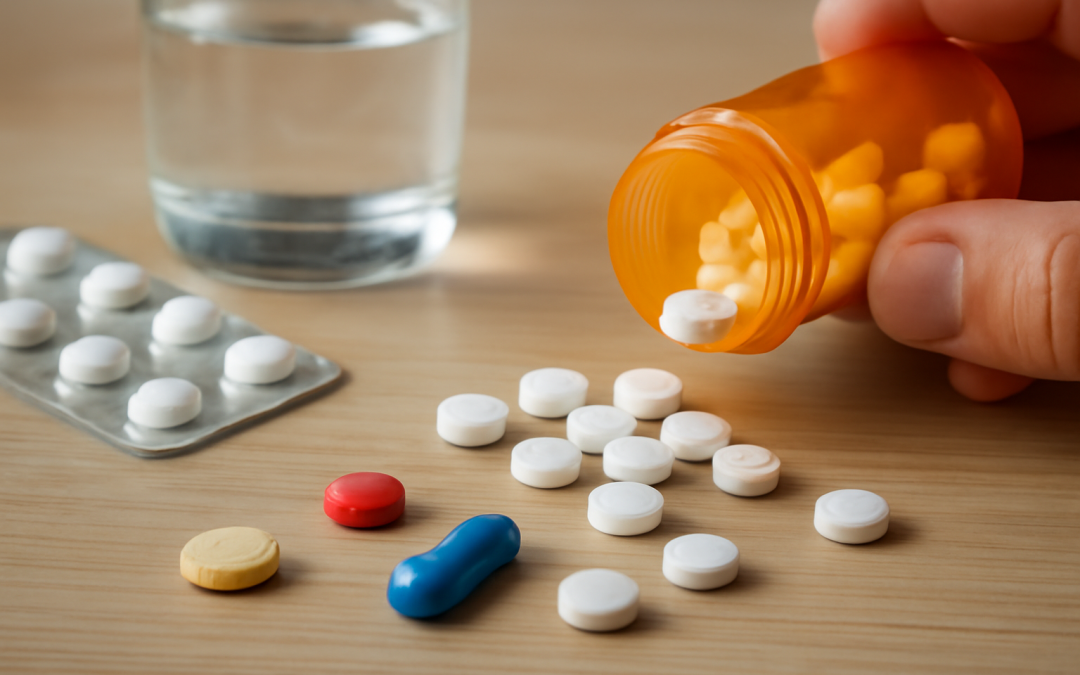
When individuals take multiple medications, whether prescribed or over-the-counter, the likelihood of unintended drug interactions becomes a significant concern. These interactions can alter the way a drug works, potentially reducing its effectiveness or increasing the risk of side effects. Understanding how drug interactions happen is essential for both healthcare professionals and patients to avoid negative health outcomes and optimize therapeutic benefits.
Drug interactions typically occur when the presence of one substance affects the pharmacokinetics or pharmacodynamics of another. Pharmacokinetics involves the absorption, distribution, metabolism, and excretion of drugs, while pharmacodynamics pertains to the biochemical and physiological effects drugs have on the body. Changes in either process can lead to interactions that are either synergistic, antagonistic, or unrelated in their effects.
One of the primary avenues through which drug interactions happen is via the metabolism of drugs in the liver. The liver uses a set of enzymes, primarily from the cytochrome P450 family, to metabolize many medications. When two drugs are metabolized by the same enzyme, one can inhibit or induce the enzyme’s activity, thereby affecting the metabolism rate of the other drug. For example, if Drug A inhibits a particular cytochrome P450 enzyme responsible for metabolizing Drug B, then Drug B’s breakdown slows down, leading to increased levels of Drug B in the bloodstream. This can enhance toxicity or side effects. Conversely, if Drug A induces the enzyme, it accelerates the metabolism of Drug B, resulting in decreased levels and reduced therapeutic effectiveness.
In addition to metabolism-based interactions, absorption processes in the gastrointestinal tract are also common sites where drug interactions happen. Certain medications or supplements can alter the pH of the stomach or bind directly to other drugs, preventing them from being absorbed efficiently. For instance, antacids containing aluminum or magnesium can bind to specific antibiotics like tetracyclines, reducing the antibiotics’ absorption and rendering them less effective. Similarly, some drugs require an acidic environment to dissolve properly; when stomach acidity is reduced by proton pump inhibitors or H2 blockers, absorption of those drugs could be compromised.
Distribution of drugs throughout the body can be influenced by interactions involving plasma proteins like albumin. Many drugs bind to these proteins in the bloodstream, and only the unbound or free portion is pharmacologically active. When two drugs that compete for the same binding site are administered together, they might displace each other, increasing the free concentration of one drug. This can potentially lead to toxicity if the displaced drug has a narrow therapeutic window. While not all displacement interactions lead to clinically significant effects, they remain an important consideration in polypharmacy scenarios.
Excretion, primarily through the kidneys, represents another stage where drug interactions happen. Some drugs can alter renal function or affect the transport mechanisms responsible for eliminating other medications. For example, nonsteroidal anti-inflammatory drugs (NSAIDs) reduce kidney filtration rates, which can hinder the elimination of other drugs like lithium, causing their levels to rise and possibly resulting in toxicity. Additionally, certain diuretics or drugs affecting electrolyte balance can influence the renal clearance of other compounds, impacting their therapeutic outcomes.
Another way drug interactions happen is through additive or antagonistic effects on the same physiological system or receptor. Drugs that produce similar effects may amplify each other’s actions when taken together. For example, combining two central nervous system depressants, such as benzodiazepines and opioids, can lead to profound sedation and respiratory depression. On the other hand, some drugs have opposing effects on the same receptor system, which may negate each other’s benefits. An example is the use of certain beta-agonists alongside beta-blockers, where one drug stimulates and the other inhibits the beta receptors, diminishing overall efficacy.
The timing and sequence of drug administration also significantly influence interactions. Some drug interactions depend on whether medications are taken simultaneously or spaced apart. Food and beverages can further complicate these interactions. Grapefruit juice, for example, is notorious for inhibiting certain cytochrome P450 enzymes, particularly CYP3A4, in the small intestine, thereby increasing the bioavailability of some drugs and risking toxicity. Patients may be advised to avoid such foods when using susceptible medications.
Beyond clinically prescribed drugs, over-the-counter products, herbal supplements, and even certain foods can contribute to interactions. Herbal remedies like St. John’s Wort are potent inducers of drug-metabolizing enzymes and transporters and can decrease the effectiveness of other drugs such as oral contraceptives and anticoagulants. Similarly, the concurrent use of non-prescription medications such as antihistamines, decongestants, or pain relievers without professional guidance significantly raises the risk of unintended interactions.
Patient-specific factors can further influence how drug interactions happen and their clinical relevance. Age, genetics, liver and kidney function, and the presence of other medical conditions all play a role in how a person processes and responds to medications. Elderly patients often have reduced organ function and are more likely to be on multiple medications, increasing their risk of harmful drug interactions. Genetic variations in drug-metabolizing enzymes can result in some individuals being poor or ultra-rapid metabolizers, impacting the interaction profiles of certain medications.
Healthcare providers implement various strategies to manage and prevent harmful drug interactions. These include thorough medication reconciliations, reviewing patient histories for potential interaction risks, and using drug interaction databases and software tools. Patient education is equally important, as individuals must understand the importance of compliance, the risks of self-medicating with other substances, and the need to communicate all medications they are taking.
In clinical settings, monitoring is crucial when drug interactions are anticipated or suspected. This may involve measuring blood levels of certain drugs, assessing organ function through laboratory tests, or observing clinical symptoms that indicate toxicity or therapeutic failure. Adjusting dosages, changing medications, or timing doses appropriately are common approaches to mitigating interaction risks.
In conclusion, drug interactions happen through complex mechanisms that involve alterations in the pharmacokinetics and pharmacodynamics of medications. They can be influenced by multiple factors, including enzyme metabolism, absorption, protein binding, excretion, and the pharmacological actions of drugs on shared receptors or pathways. The risk increases when multiple medications, supplements, or foods are involved, especially in vulnerable populations. Understanding these mechanisms enables better clinical decisions and patient care, ultimately optimizing the safety and effectiveness of drug therapy.