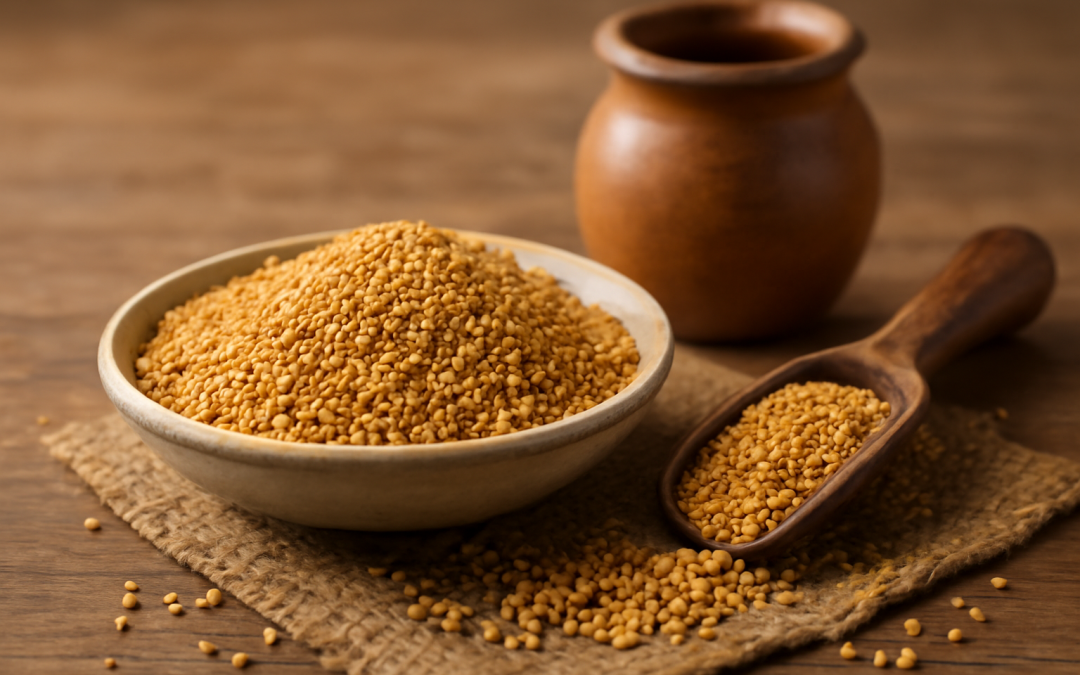
The humble mustard seed, a tiny grain often overlooked, carries a history that spans thousands of years and crosses numerous cultures and continents. Despite its small size, it has played an outsized role in culinary traditions, agriculture, and even spiritual teachings throughout human civilization. From ancient civilizations that revered it for its medicinal qualities to the modern global spice rack, the mustard seed stands as a remarkable symbol of growth, resilience, and influence.
The origins of mustard seed trace back to the early agricultural societies in the Mediterranean region, particularly in areas now known as the Middle East and Europe. Ancient texts, including those from Egyptian, Greek, and Roman civilizations, provide evidence that mustard seeds were among the earliest cultivated crops. These seeds were not only used to create pungent condiments but also valued for their therapeutic properties. Records from the Ebers Papyrus, an Egyptian medical document dating to 1550 BCE, mention mustard as a remedy for a variety of ailments. This underscores how the seed’s significance was recognized beyond just flavor enhancement.
In the ancient world, the mustard seed was cultivated from two primary plant species: Sinapis alba, commonly referred to as white or yellow mustard, and Brassica nigra, known as black mustard. Both species produced seeds that were harvested, ground, and used in the preparation of condiments, sauces, and medicines. The Greeks and Romans, in particular, had a strong affinity for mustard seeds. Roman naturalist Pliny the Elder documented the use of mustard in his encyclopedic work “Natural History,” highlighting how the Romans ground the seeds into a paste with wine and vinegar to create a precursor to the modern mustard condiment we know today.
The spread of mustard seed cultivation beyond its Mediterranean cradle was facilitated largely by the expansion of the Roman Empire. With Roman roads and trade networks extending across Europe, mustard seeds and their culinary applications were introduced to new regions, including what is now France, Germany, and Britain. In fact, France became a notable center of mustard production during the Middle Ages. The city of Dijon, in particular, gained fame for its mustard, developing recipes and techniques that would influence mustard-making for centuries to come. This evolution of mustard from a simple seed to a staple culinary ingredient in European kitchens marks an important phase in its history.
At the same time as its culinary rise in Europe, mustard seeds held spiritual and symbolic significance in many cultures. In biblical texts, the mustard seed is frequently used as a metaphor for faith and growth. The New Testament contains parables where the mustard seed illustrates the power of small beginnings leading to great outcomes, emphasizing humility and hope. In this context, the seed is an embodiment of potential hidden within something seemingly insignificant. Similarly, in Hinduism and Buddhism, mustard seeds are sometimes used in rituals and traditional medicines, reinforcing the idea that their potency is not merely physical but also spiritual and symbolic.
Throughout the medieval period, mustard seeds continued to be valued in Europe not only for their culinary applications but also for their medicinal properties. Physicians and herbalists wrote extensively about mustard in their pharmacopeias, recommending mustard poultices to relieve muscle pain and digestive issues. The seeds’ natural pungency, attributed to a compound called allyl isothiocyanate, made them effective stimulants in topical treatments. This medicinal use carried into the Renaissance and even early modern periods, when mustard plasters became common household remedies, emphasizing the seed’s enduring utility.
By the 18th and 19th centuries, mustard seed farming had become more systematic and commercially organized. The advent of industrial agriculture and advancements in milling technology allowed for greater production and distribution of mustard-based products. In America, mustard seeds were brought over by European settlers and quickly assimilated into local agriculture and cuisine. The American Midwest emerged as a significant hub for growing mustard crops due to favorable climate conditions. Mustard was widely incorporated into condiments, dressings, and pickling sauces, becoming part of the culinary fabric across the United States.
The 20th century saw the globalization of mustard seeds as part of an increasingly interconnected food supply system. Through international trade and cultural exchange, mustard seeds found their way into diverse global cuisines. In Indian cooking, for example, mustard seeds serve as a fundamental spice, used for tempering dishes and adding depth to a wide variety of regional recipes. The seeds are usually fried briefly in oil until they crackle, releasing their characteristic nutty aroma. This preparation technique showcases the versatility of the mustard seed and its integral role in South Asian culinary traditions. Likewise, mustard seed varieties adapted to different growing conditions continue to thrive worldwide, from the temperate fields of Europe to the tropical regions of Asia.
Besides their culinary and historical importance, mustard seeds also have ecological and agricultural significance. Mustard plants are often used as cover crops to improve soil health, reduce erosion, and suppress weeds. Their fast-growing nature and nutrient uptake capacity make them valuable in crop rotation systems. Moreover, mustard seeds contribute to sustainable agriculture through the production of mustard oil, which is both a cooking oil and a biofuel source in some regions. The cultivation and utilization of mustard thus extend beyond food, playing a role in environmental stewardship and energy diversification.
The scientific study of mustard seeds has also expanded, particularly in recent decades. Modern research has identified numerous bioactive compounds within mustard that exhibit antioxidant, anti-inflammatory, and antimicrobial properties. These findings have led to renewed interest in mustard seeds for pharmaceutical and nutraceutical applications. For example, compounds extracted from mustard seeds are being studied for their potential to aid in cancer prevention and to improve cardiovascular health. This scientific dimension enriches the historical narrative, connecting ancient uses of mustard with contemporary medical research and innovation.
Culturally, mustard seeds embody a rich tapestry of meanings and functions. They symbolize strength emerging from endurance, a motif celebrated in folk tales, proverbs, and religious teachings. The paradox of a tiny seed capable of producing a plant large enough to house birds or providing the basis for a powerful condiment resonates deeply in human imagination. Mustard seeds have thus transcended their agricultural origins to become a metaphor for transformation, potential, and the persistence of life.
In the culinary realm, mustard seeds continue to inspire chefs and home cooks alike, thanks to their unique ability to impart sharpness and complexity to dishes. Whole seeds add texture and bursts of flavor to stews, pickles, and spice blends, while ground mustard seeds serve as the foundation for countless sauces and dressings worldwide. The diversity of mustard seed varieties, from the mild white to the potent black and brown types, allows for nuanced flavor profiles that adapt to regional tastes and preferences. This adaptability ensures that mustard remains a staple spice in kitchens across the globe.
The history of the mustard seed is thus a testament to the interconnectedness of human culture, agriculture, and natural science. It is a reminder that even the smallest elements in nature hold enormous significance when nurtured and understood. The mustard seed’s journey from humble beginnings to widespread culinary and symbolic importance illustrates how people have continually found value and meaning in the natural world. Through centuries of cultivation, culinary experimentation, medicinal use, and spiritual reflection, the mustard seed has secured its place in the story of human civilization.
Ultimately, the legacy of mustard seed history is a celebration of growth—from the seed’s potential to the flourishing plant and the vibrant cultures it has influenced. It invites appreciation for the intricate ways simple natural elements can shape food traditions, health practices, and philosophical concepts. This modest seed, packed with flavor, symbolism, and resilience, continues to grow not only in fields around the world but also in the rich soil of human heritage and daily life.