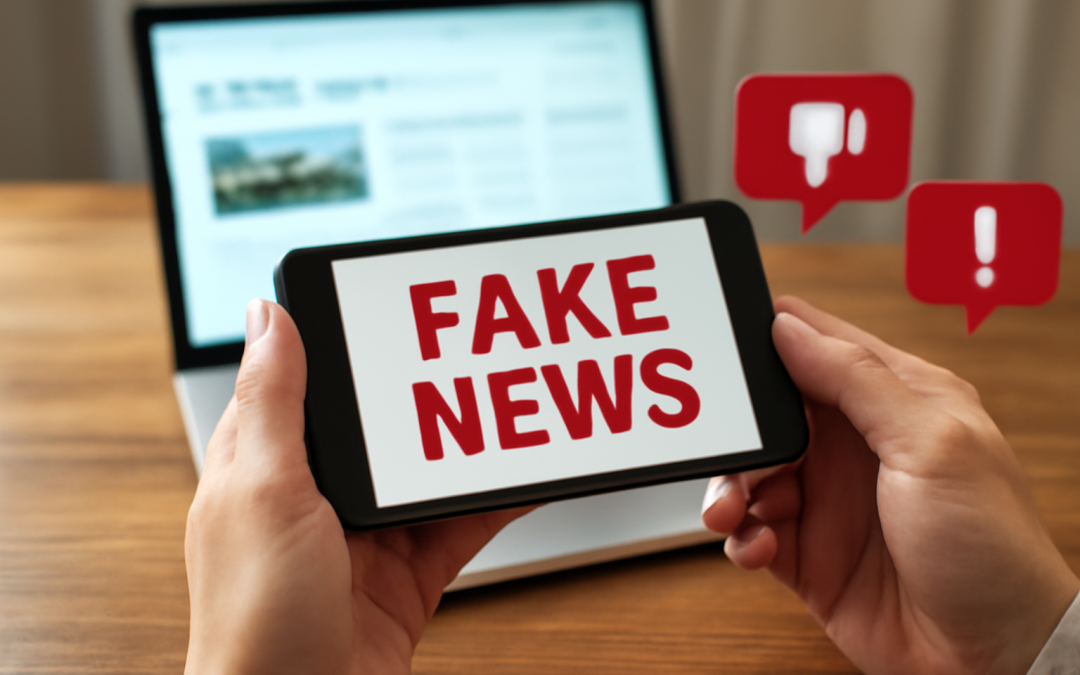
In an era dominated by digital communication and social media platforms, the phenomenon of fake news has emerged as a significant challenge to societies worldwide. The ease with which information spreads, combined with the rapid pace of online interactions, has created an environment where false narratives can gain traction quickly and influence public opinion. Understanding precisely how this occurs is essential to addressing the consequences of misinformation and finding ways to promote accurate reporting.
Fake news often originates from various sources, ranging from individuals seeking attention or profit to politically motivated groups aiming to manipulate public perception. The production of fabricated stories or distorted facts is no longer confined to obscure websites; it now permeates mainstream channels, making it increasingly difficult for audiences to distinguish truth from falsehood. The impact of such misinformation can be profound, affecting political processes, public health policies, and social cohesion.
One of the primary mechanisms behind the spread of fake news is the psychological appeal it holds for readers. Sensational headlines, emotionally charged content, and controversial topics catch the eye and urge users to share quickly without verifying the validity of the information. This impulsive sharing facilitates a rapid dissemination loop in online communities, enabling false information to reach a vast audience within minutes or hours. Furthermore, cognitive biases, such as confirmation bias, lead individuals to accept and propagate news that aligns with their preconceived beliefs, reinforcing existing divisions within society.
The role of social media platforms in amplifying fake news cannot be overstated. Algorithms designed to maximize engagement prioritize content that evokes strong emotions, often favoring misinformation because it provokes anger, fear, or excitement more than mundane factual updates. These algorithms feed users a tailored stream of news and opinions, sometimes creating echo chambers where users are rarely exposed to differing perspectives or corrections. The viral nature of such content makes containment and correction more challenging for fact-checkers and platform moderators.
Another significant factor contributing to the spread of fake news is the decline in traditional journalistic standards and the economic pressures on news organizations. As advertising revenue shifts towards digital platforms, many news outlets have reduced investigative reporting or relied heavily on trending topics to attract readers. This shift sometimes blurs the line between responsible journalism and sensationalism, opening the door for misinformation to enter the public discourse through seemingly credible sources. Additionally, the increasing difficulty in distinguishing between legitimate news sites and fraudulent ones has exacerbated the problem.
The geopolitical implications of fake news are particularly concerning. State-sponsored disinformation campaigns aim to destabilize democracies, manipulate elections, and sow discord among populations. By disseminating false narratives strategically targeted at vulnerable groups or exploiting existing societal tensions, these campaigns undermine trust in institutions and democratic processes. The covert nature of such operations makes them complex to detect and counteract, highlighting the need for international cooperation and robust information security measures.
On a societal level, fake news contributes to polarization and mistrust among communities. When individuals accept conflicting versions of reality, dialogue becomes fraught with misunderstanding and suspicion. This fragmentation hampers efforts to address collective challenges such as climate change, public health crises, or economic inequality. Moreover, misinformation around crucial issues like vaccines or pandemics has direct consequences on public behavior, risking lives and public safety.
Education plays a vital role in mitigating the impact of fake news. Developing critical thinking skills and media literacy helps individuals recognize misleading content and verify sources before accepting or sharing information. Schools, universities, and community programs can all contribute to fostering an informed citizenry capable of navigating the complexities of the information age. Additionally, encouraging skepticism towards sensational headlines and promoting a culture of fact-checking are crucial in slowing the spread of misinformation.
Technology companies are under increasing pressure to address the spread of fake news on their platforms. Measures such as flagging disputed content, de-ranking false stories, and improving transparency around algorithms are steps taken to empower users and reduce the reach of misinformation. However, these interventions raise questions about censorship, freedom of expression, and the balance between platform responsibility and user autonomy. Striking an effective balance requires ongoing dialogue between technology firms, policymakers, civil society, and users.
Fact-checking organizations have emerged as critical players in the fight against fake news. By rigorously examining claims and providing evidence-based assessments, they help debunk myths and clarify misunderstandings. The challenge remains, however, to ensure that fact-checks reach the same audiences as false information and that such efforts are perceived as impartial and trustworthy. Collaboration with social media platforms and integrating fact-checks directly into users’ feeds are potential strategies to enhance their effectiveness.
The psychological impact of continuously encountering conflicting information also needs attention. The overwhelming nature of misinformation can lead to skepticism not only about false news but about all news, resulting in cynicism and disengagement from important social and political issues. Addressing this requires promoting transparency and accountability within media organizations and nurturing a culture of openness and dialogue that restores public trust.
Legal and regulatory frameworks are also evolving to address the challenges posed by fake news. Some governments have introduced laws targeting deliberate misinformation campaigns, imposing penalties on perpetrators or compelling platforms to remove harmful content promptly. While these regulations aim to protect the public interest, they must be carefully designed to avoid overreach or restrictions on legitimate free speech. International cooperation is essential, given the borderless nature of the internet and the global reach of many misinformation campaigns.
Understanding the dynamics of fake news spread also involves examining the technical methods used by malicious actors. Automated bots and coordinated networks amplify false stories, creating the illusion of widespread support or belief. These systems can manipulate trending topics, inflate follower counts, and drown out opposing viewpoints. Detecting and dismantling such networks require sophisticated technological tools and vigilant monitoring by platform operators and cybersecurity experts.
Cultural factors also influence how fake news spreads. Societies with lower levels of media trust or high political polarization tend to be more susceptible to misinformation. Furthermore, language barriers and differing levels of access to reliable information can shape local patterns of fake news dissemination. Tailoring educational initiatives and policy responses to specific cultural contexts enhances their effectiveness and relevance.
In recent years, developments in artificial intelligence and deepfake technology have brought new challenges. Sophisticated forgeries of audio, video, and images make it increasingly difficult to ascertain authenticity, opening new avenues for spreading fake news. The potential for these technologies to be weaponized in misinformation campaigns necessitates ongoing research into detection methods and the establishment of ethical standards around their use.
Collaborative efforts between governments, private sector entities, non-governmental organizations, and civil society are necessary to build resilient information ecosystems. Initiatives promoting transparency, accountability, diversity of perspectives, and media literacy contribute to reducing the susceptibility to fake news. By fostering environments where truth can flourish and misinformation is swiftly countered, societies can better uphold democratic principles and social harmony.
Ultimately, confronting the challenges posed by fake news requires a multifaceted approach involving individuals, institutions, and technology working in concert. Recognizing the complexities behind the spread of misinformation is the first step towards mitigating its harmful effects. Through sustained effort and innovation across various domains, it is possible to preserve the integrity of information and support informed decision-making in an increasingly interconnected world.