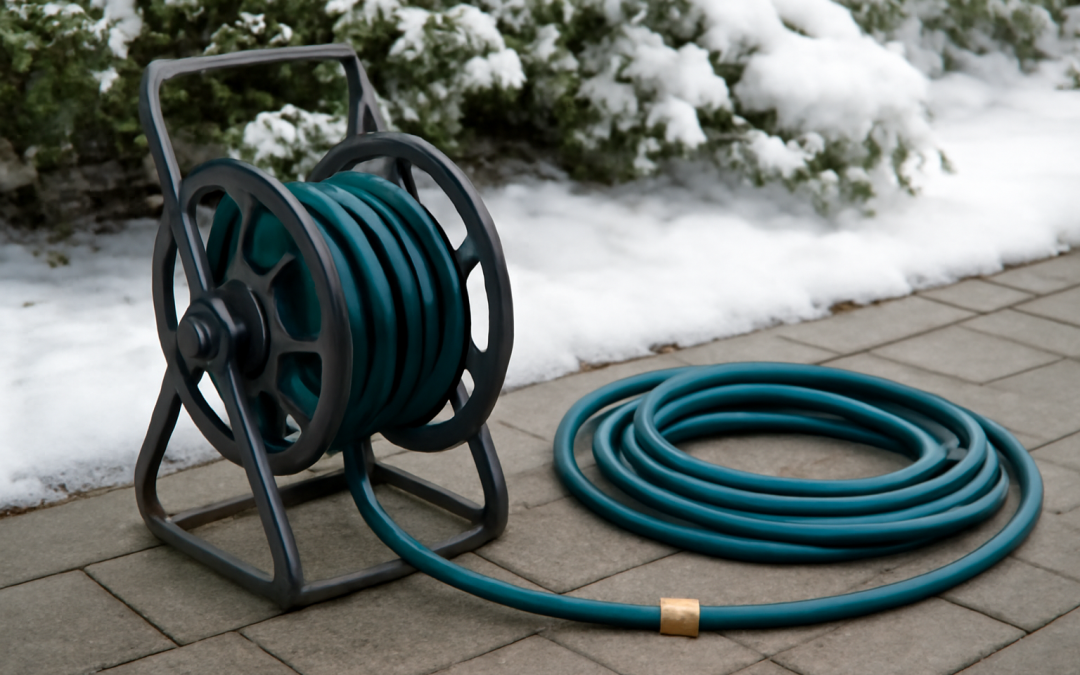
Proper care and timely maintenance of garden equipment can significantly extend its lifespan and improve performance, and one of the most overlooked tools in this category is the hose reel. As winter approaches, ignoring the upkeep of your hose reel can lead to costly damages caused by freezing temperatures and moisture accumulation. Ensuring that your hose reel is well cared for before the cold season arrives is an essential task that can save you both time and money in the long run.
Hose reels come in various designs and materials, and they are purpose-built to conveniently store garden hoses, prevent tangling, and maintain hose condition. However, without routine maintenance, dirt, dust, and lingering water inside coils can wreak havoc on the mechanism and the hose itself. In particular, when temperatures drop below freezing, any residual water left on or inside the reel or hose can freeze, expanding and potentially causing cracks, leaks, or damage to the reel’s moving parts. A proper winter preparation routine can effectively eliminate these risks.
One of the first steps in caring for your hose reel is to inspect it thoroughly for signs of wear and tear. Check for rust on metal components, cracks on plastic parts, and general looseness in the reel mechanism. If the unit shows significant corrosion or damage, it might be worthwhile to consider repairing or replacing parts before winter sets in. Rust weakens the structural integrity and can accelerate the deterioration of the reel. Similarly, if the hose reel’s crank handle or swivel mechanisms feel stiff or rough, applying appropriate lubrication can keep them functioning smoothly and reduce the risk of breakage.
Draining the hose and the reel assembly is critical to winterize the equipment. Trapped water inside the hose or the reel housing is one of the main causes of damage during freezing weather. After disconnecting the hose from the water supply, fully unwind it and allow any water inside to drain out. Pressure within a closed loop can also cause damage when water freezes, so it is important to unhook the hose completely and coil it loosely on the reel in a way that allows for water to escape. For hose reels with internal swivel joints, consider flushing out these areas to prevent water accumulation.
Cleaning the hose reel and the hose before you store them can also significantly reduce the chance of damage. Dirt and organic debris can retain moisture, promoting rust and mildew growth. Washing the hose reel with mild soap and water and rinsing thoroughly helps to remove contaminants that can degrade materials over time. Once clean, the reel should be dried completely, preferably outdoors in a shaded area to avoid UV damage while drying. The hose should also be cleaned and allowed to dry to prevent mildew and mold growth. This is particularly important if your garden hose has been used with fertilizers or pesticides, which can be corrosive to the reel’s finish and internal components.
Where you store your hose reel during the winter months matters a great deal. Ideally, the reel should be kept indoors, in a garage, shed, or basement that stays above freezing temperatures. Indoor storage protects the hose reel from the severe weather elements such as heavy snow, ice, and fluctuating temperatures. If indoor storage is not possible, try covering the hose reel with a heavy-duty, waterproof cover to shield it from moisture and winter precipitation. Make sure that the cover fits well and does not trap moisture inside, as condensation can also cause damage.
Selecting the right kind of hose reel for your climate can be a preventive measure in itself. For colder regions, reels made from durable, rust-resistant materials such as aluminum or stainless steel are advisable. Plastic reels, while often lighter and less expensive, may become brittle in freezing temperatures and crack easily. Additionally, hose reels equipped with enhanced sealing mechanisms to prevent water ingress or reels with detachable hoses simplify winter storage and reduce the risk of damage.
Maintenance does not end with winter preparation; it is a year-round responsibility. Regularly inspecting your hose reel for damage, cleaning it periodically, and lubricating moving parts will ensure that it functions smoothly and lasts longer. Pay special attention to hose reel springs, which can weaken or break over time, rendering the reel’s winding mechanism ineffective. If a spring breaks during the cold of winter, the cold itself may have contributed to the failure. Replacing worn springs before winter can prevent this problem.
Another important component of hose reel care is managing the hose itself in tandem with the reel. Using a tape or strap to secure the hose loosely to the reel prevents it from unwinding or becoming tangled during storage. This not only neatly organizes your garden area but also prevents stress points on the hose that can develop cracks or leaks. Hoses made of rubber may stiffen in cold weather, so it is wise to invest in hoses designed for all-season use or those made from materials that maintain flexibility in cooler temperatures.
It is also beneficial to test your hose reel’s function before putting it into winter storage. Wind and unwind the hose to make sure the reel turns smoothly without resistance or noises that indicate internal friction or obstruction. During the test, check for leaks or weak spots on the hose itself, and take note of how well the reel locks into place. Identifying minor issues early means repairs can be done before temperatures drop and worsen damage.
Using corrosion inhibitors or protective sprays specifically formulated for garden tools can add an extra layer of protection to your hose reel. Applying these treatments to metal parts can prevent buildup of rust over the winter season. Just be cautious not to spray lubricants onto rubber or plastic components, as these substances can cause deterioration or surface damage. Carefully reading labels and following manufacturer recommendations is key when selecting products for maintenance.
If the hose reel is mounted on an exterior wall or attached to a water faucet, consider installing a frost-free hydrant during the colder months or using insulated faucet covers to prevent water in the pipe from freezing and causing pressure build-up. Frozen pipes can back up pressure into the hose and reel, potentially damaging them. Disconnecting the hose entirely and draining the water supply to those faucets before winter is a prudent practice.
In some situations, if a hose reel is an older model or not designed for frequent seasonal exposure, it might be time to upgrade to a more winter-proof design. Modern hose reels come with features such as quick-release couplings, anti-kink hose guides, and weatherproof coatings that make winter care less labor-intensive. While this requires an initial investment, the savings from avoiding repairs or replacements can quickly outweigh the cost.
Educating oneself about the specific maintenance needs of the hose reel brand and model can be invaluable. Many manufacturers provide care instructions tailored to their products that can optimize performance and prevent premature failure. Following these guidelines ensures that winter preparation is done correctly, maintaining warranties and receiving full benefit from the equipment.
Finally, patience and diligence in hose reel care pay off when spring arrives. A well-maintained and properly stored hose reel will operate smoothly, save time during garden setup, and avoid the frustrations of leaks or tangled hoses. Winterizing your hose reel is a proactive step that signals good stewardship of your gardening tools, protecting your investment and ensuring years of reliable use. Taking these precautions now creates less hassle and expense down the line, helping to maintain a healthy, enjoyable outdoor space year after year.
In conclusion, hose reel care combined with thorough winter preparation is essential to safeguarding your equipment from the damaging effects of cold weather. By inspecting, cleaning, draining, properly storing, and performing routine maintenance, you create an effective barrier against corrosion, cracking, and mechanical failure caused by freezing conditions. Thoughtful attention to the hose reel and hose not only extends their usable life but also enhances overall garden maintenance efficiency. When spring returns, the ease and reliability of a well-cared-for hose reel will be a testament to the time invested during the colder months, ensuring your landscaping tools are ready for action whenever needed.