Outdoor hoses are an essential tool for any homeowner, providing access to water for gardening, cleaning, and a variety of other tasks. However, without proper care, these hoses can become damaged, leading to leaks, cracks, and reduced longevity. Maintaining and storing your outdoor hose correctly ensures not only that it remains functional for many seasons but also that you avoid costly replacements. Understanding how to care for these hoses can improve their performance and ultimately save time and money.
One of the most important aspects of outdoor hose maintenance is regular inspection. Over time, hoses are exposed to sun, dirt, water pressure, and temperature changes, all of which can lead to wear and tear. It is crucial to examine the entire length of the hose for any visible signs of damage, such as cracks, splits, or bulges. Detecting minor issues early can prevent more significant problems from developing, as small cracks can expand under pressure and cause leaks. Additionally, checking the hose connectors or fittings is equally important since these parts can become rusty or loose, affecting the hose’s ability to deliver water effectively.
Cleaning the hose is another key step in its maintenance. Dirt, debris, and algae can accumulate on and inside the hose, particularly if it is stored outdoors or in damp environments. Flushing the hose with clean water helps remove any blockages or build-ups inside, ensuring smooth water flow. Using a mild detergent to wash the outer surface removes harmful substances that can degrade the hose material over time. By keeping the hose clean, you not only improve its appearance but also reduce the risk of deterioration caused by dirt and microbial growth.
Proper handling during use can significantly impact the hose’s lifespan. Dragging it across rough surfaces, stepping on it, or sharply bending it can cause damage that might not be immediately visible but will worsen with time. Avoiding these practices helps maintain the hose’s structural integrity. When using the hose, unroll only the needed length to reduce kinks and tangles. Kinks can obstruct water flow and weaken the hose material, leading to premature failure. After finishing, it’s advisable to drain the hose completely to avoid trapped water that can freeze in colder months, causing internal damage.
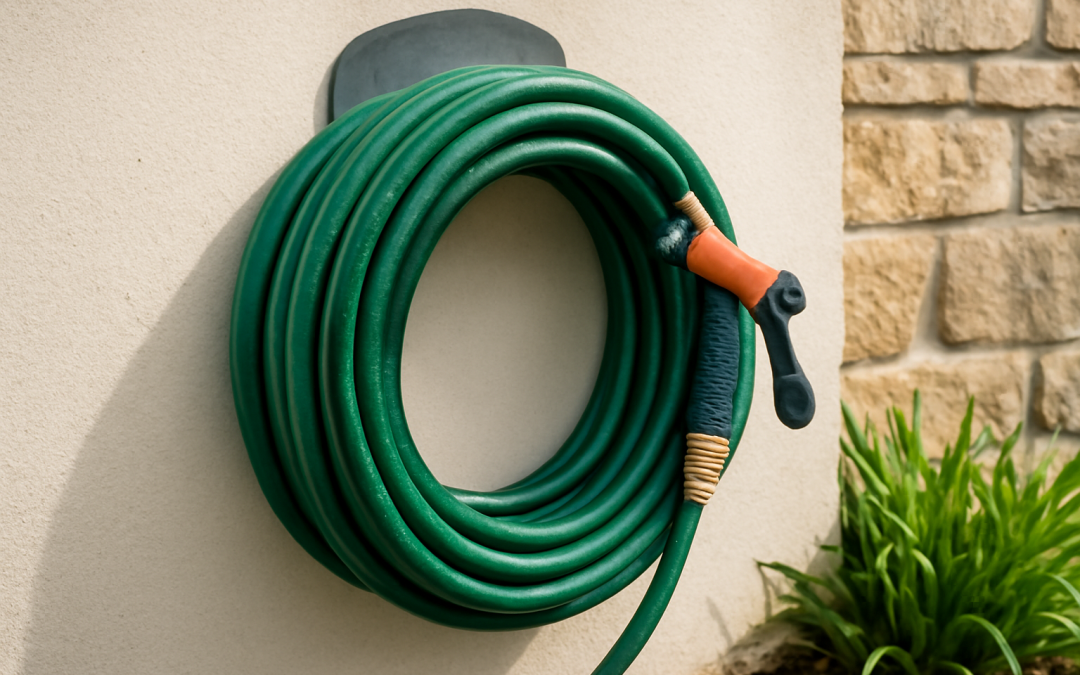
Storage plays a pivotal role in prolonging the life of an outdoor hose. Leaving a hose coiled on the ground or exposed to the sun can accelerate wear. To protect it from the elements, it is best to store the hose in a shaded area or inside a garage or shed when it’s not in use. Using a hose reel or hanger keeps the hose neatly coiled and off the ground, minimizing contact with abrasive surfaces and reducing the chance of tangling. When storing the hose for an extended period, especially during winter, completely drain it and store it in a dry, frost-free environment to prevent freezing and cracking.
Temperature fluctuations throughout the year can be detrimental to outdoor hoses. Extreme heat can cause the hose material to expand and weaken, while freezing conditions can make it brittle. It’s important to adapt your maintenance routine seasonally by draining and storing the hose indoors during colder months. During hot weather, avoid direct prolonged exposure to sunlight by storing your hose under cover whenever possible. This practice helps preserve the flexible and durable qualities of the hose, preventing it from becoming stiff and prone to damage.
Repairing minor damage promptly can extend the usability of an outdoor hose. Small leaks can often be patched using repair kits available in hardware stores. These kits typically include adhesive patches or replacement connectors, allowing you to fix punctures or worn fittings without replacing the entire hose. Learning basic repair techniques, such as cutting out damaged sections and reconnecting the hose with appropriate fittings, can save both money and resources. However, it is also important to recognize when damage is beyond repair and that replacing the hose is the safer and more effective option.
Selecting the right type of hose for your needs can influence its maintenance requirements. Hoses are made from various materials, such as rubber, vinyl, or reinforced textiles, each with different levels of durability and flexibility. Rubber hoses tend to be more resilient but heavier, while vinyl hoses are lightweight but more susceptible to kinks and damage. Understanding these differences can help you choose a hose that suits your climate and intended use. A higher-quality hose may have a higher upfront cost but will likely require less frequent repairs and replacements, offering better value in the long run.
Water pressure is another factor that affects hose longevity. Excessive pressure can strain the hose walls and connectors, increasing the risk of bursts or leaks. It is advisable to use a pressure regulator if your water supply exceeds the recommended pressure limit for your hose. Additionally, turning off the water supply when the hose is not in use reduces unnecessary wear and helps prevent accidental flooding. Regularly checking the pressure and flow rate during use ensures your hose is functioning within safe parameters and helps identify issues before they worsen.
Avoiding chemical exposure can also help extend the life of your outdoor hose. Some cleaning agents, fertilizers, or pesticides may react with the hose material, causing it to deteriorate faster. Rinsing the hose thoroughly if it comes into contact with harsh chemicals prevents absorption and damage. Additionally, storing the hose away from chemical storage areas reduces the likelihood of accidental contamination. Being mindful of what substances your outdoor hose encounters during its use and storage minimizes the risk of chemical degradation.
Incorporating a routine into your outdoor hose maintenance schedule can make all the difference. Setting aside time monthly or seasonally to inspect, clean, and store your hose properly ensures consistent care and helps catch any issues early. This routine becomes especially important before winter storage and following periods of heavy use. Establishing good habits around the care of your hose will not only keep it in peak working condition but also give you confidence that your watering system will be ready when you need it most.
Overall, effective upkeep and careful storage are essential practices to maximize the lifespan and performance of outdoor hoses. With just a little attention and preventative care, a hose can continue to provide reliable service over many years. By regularly inspecting, cleaning, repairing, and storing the hose appropriately, you minimize the risk of damage caused by environmental factors and improper handling. Investing time into proper maintenance ultimately pays off with convenience, efficiency, and savings on unnecessary replacements. Taking proactive steps to look after your outdoor hose will ensure that it remains a dependable tool for all your watering and outdoor needs.