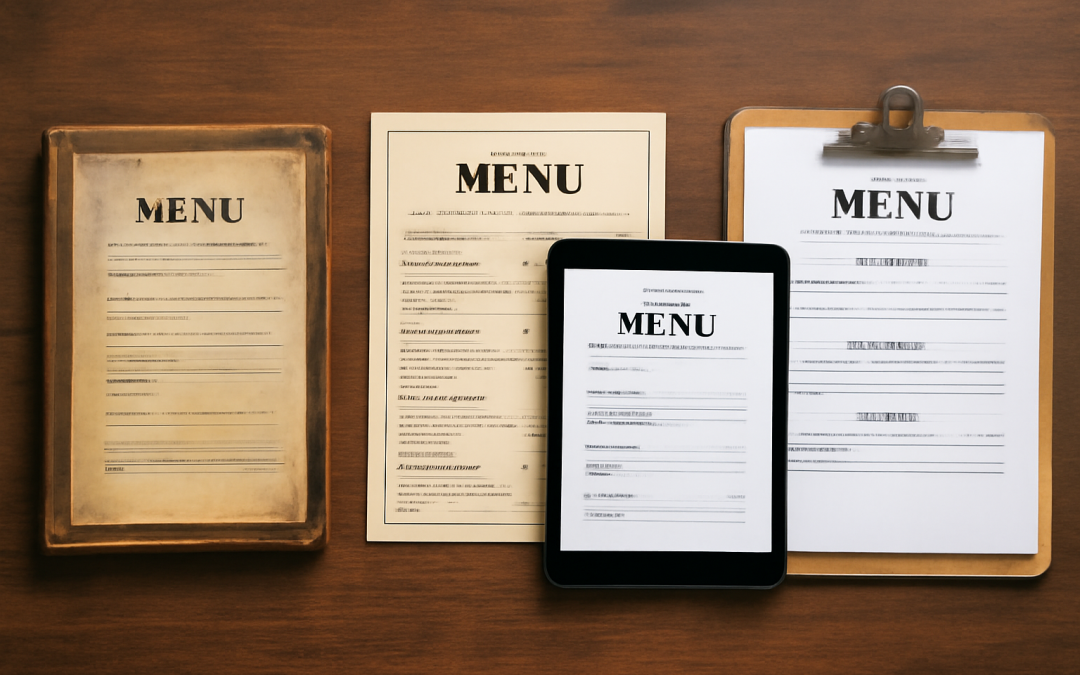
The concept of dining has always been closely tied to the menus that restaurants offer. Over the decades, menus have transformed from simple handwritten sheets to elaborate presentations designed to entice, inform, and delight customers. This transformation is not only a reflection of changing culinary trends but also a window into cultural shifts, technological advancements, and evolving consumer preferences. As restaurants strive to stay relevant and competitive, the restaurant menu evolution has played a crucial role in shaping the dining experience.
In the early days of dining establishments, menus were often minimal or even non-existent. Many taverns and inns simply served what was available based on seasonality and local produce, offering guests whatever the cook had prepared that day. This approach was practical in a time when supply chains were limited, and conservation of resources was essential. The first printed menus appeared in the 18th century in France, particularly in Paris, where meals were becoming more standardized and restaurants began to emerge as distinct social spaces. These early menus were straightforward, listing a small number of dishes with prices, primarily designed to present options rather than influence choice.
As culinary arts evolved, the structure and content of menus became more sophisticated. By the 19th century, restaurants began to use menus not only as informational tools but also as marketing devices. Restaurateurs understood that the way dishes were described could entice customers and elevate certain selections. The introduction of a la carte menus, allowing diners to choose individual items rather than full-course meals, empowered patrons with more control over their dining experience. This flexibility mirrored broader social changes, where consumer choice was becoming more valued.
The emergence of French haute cuisine greatly influenced the growth and refinement of menus during this period. Chefs such as Auguste Escoffier championed the organization of menus into distinct courses—appetizers, main dishes, desserts—each carefully curated to balance flavors and seasonal availability. Restaurant menus began reflecting this structure, providing clear guidance and encouraging diners to savor a multi-course meal. The language of the menu itself became more elaborate, showcasing sophisticated culinary terminology designed to appeal to an increasingly educated and cosmopolitan clientele.
With the 20th century came technological and cultural revolutions that further accelerated the transformation of the restaurant menu. The rapid urbanization and rise of the middle class created a demand for accessible dining options, causing a shift towards menus that could accommodate diverse tastes and budgets. Diners wanted quick service, variety, and consistency, an expectation that led to the rise of standardized menus in chain restaurants. These menus often featured simplified item descriptions, calorie counts, and nutritional information as public health awareness increased.
Moreover, the design and presentation of menus began to incorporate graphic design principles and psychology. Research into consumer behavior revealed that the positioning of items, font choices, and even color schemes could influence ordering decisions. Restaurateurs started to strategically highlight high-profit dishes or ‘chef’s specials’ through bold fonts or framed boxes, a technique known as the “menu engineering” approach. This clever use of design helped shape not only what people ate but how restaurants maximized profitability without compromising customer satisfaction.
In recent decades, the digital revolution has had a profound impact on the way menus are created and accessed. The rise of smartphones and digital technology has introduced online menus, QR codes, and mobile apps, allowing customers to engage with menus interactively. This shift has made it easier for restaurants to update their offerings instantly, incorporate multimedia elements, and accommodate changing dietary preferences quickly. Digital menus can showcase high-resolution images, customer reviews, and ingredient sourcing, enhancing transparency and engagement in ways traditional paper menus could not achieve.
Simultaneously, the evolving emphasis on health, sustainability, and customization has prompted menus to reflect these values. Many contemporary menus now include vegan, gluten-free, and allergen-friendly options prominently. Local sourcing and organic ingredients are often highlighted to appeal to environmentally conscious diners. The restaurant menu evolution mirrors larger trends in society, responding to demands for ethical consumption and healthier lifestyles. In some cases, menus have become storytelling tools, narrating the journey from farm to table or spotlighting the chef’s philosophy and cultural heritage.
Another significant aspect of recent menu changes is the increasing role of data analytics. Restaurants harness customer feedback, ordering patterns, and even social media trends to tailor their menus more precisely to local tastes and dietary trends. By analyzing which items are popular and which are underperforming, establishments can dynamically adjust their offerings to optimize satisfaction and reduce food waste. This data-driven approach marks a departure from the traditional reliance on the chef’s intuition and reveals how modern technology is shaping dining experiences.
The pandemic of the early 2020s was a dramatic catalyst for change in restaurant menus worldwide. With restrictions on in-person dining and a surge in takeout and delivery services, many restaurants reimagined their menus to suit new consumption patterns. Simpler, portable dishes that travel well and packaging-friendly formats became essential. Menus grew more flexible, often shifting daily or weekly to adapt to supply chain uncertainties and shifting customer demands. This period spotlighted the importance of agility in menu design and the benefits of digital tools for rapid updates and customer communication.
In the context of cultural shifts, restaurant menus have also become venues for celebrating diversity and fusion cuisine. As globalization has connected people and cultures more intimately, menus frequently blend ingredients and techniques from different culinary traditions. This fusion creates novel dining experiences that cater to adventurous eaters seeking fresh tastes beyond traditional borders. The menu evolution reflects a growing openness and curiosity about world cuisines, with restaurants paying homage to the heritage of their cooks and communities.
At the same time, there has been a resurgence of interest in heritage and authenticity. Some restaurants emphasize traditional recipes and rustic presentations, often accompanied by stories that connect guests to a particular place or time. These menus serve as cultural archives, preserving and sharing culinary legacies with modern audiences. The balance between innovation and tradition is a delicate one, and the ongoing evolution of menus reflects the dynamic tension between these forces.
Beyond the practical and aesthetic aspects, the social role of menus has shifted. Originally a utilitarian list, menus today often serve as a critical component of the dining ambiance and brand identity. Designers and chefs collaborate to create menus that complement interior decor, music, and service style, aiming for a cohesive and memorable experience. The menu itself can symbolize the restaurant’s values—whether casual, luxurious, health-focused, or experiential.
Looking forward, the restaurant menu evolution is likely to continue in response to both human creativity and advancements in technology. Artificial intelligence and augmented reality may soon become commonplace tools in menu customization and presentation, providing hyper-personalized dining experiences. Environmental pressures could also lead to more sustainable menu development, emphasizing local and low-impact ingredients. The future menu might be highly interactive, constantly evolving, and deeply integrated with individual diners’ preferences and ethical choices.
In conclusion, the journey of restaurant menus from rudimentary lists to sophisticated, multi-functional tools is a fascinating story of adaptation and innovation. They serve not just to communicate dishes but to shape culinary trends, influence dining behaviors, and reflect broader societal movements. By understanding this rich evolution, restaurateurs and diners alike gain deeper appreciation for the art and science behind menu creation, and the ongoing impact it has on the culinary world. The menu remains a vital bridge between kitchen and customer, continually reinvented to meet the desires and challenges of each new era.