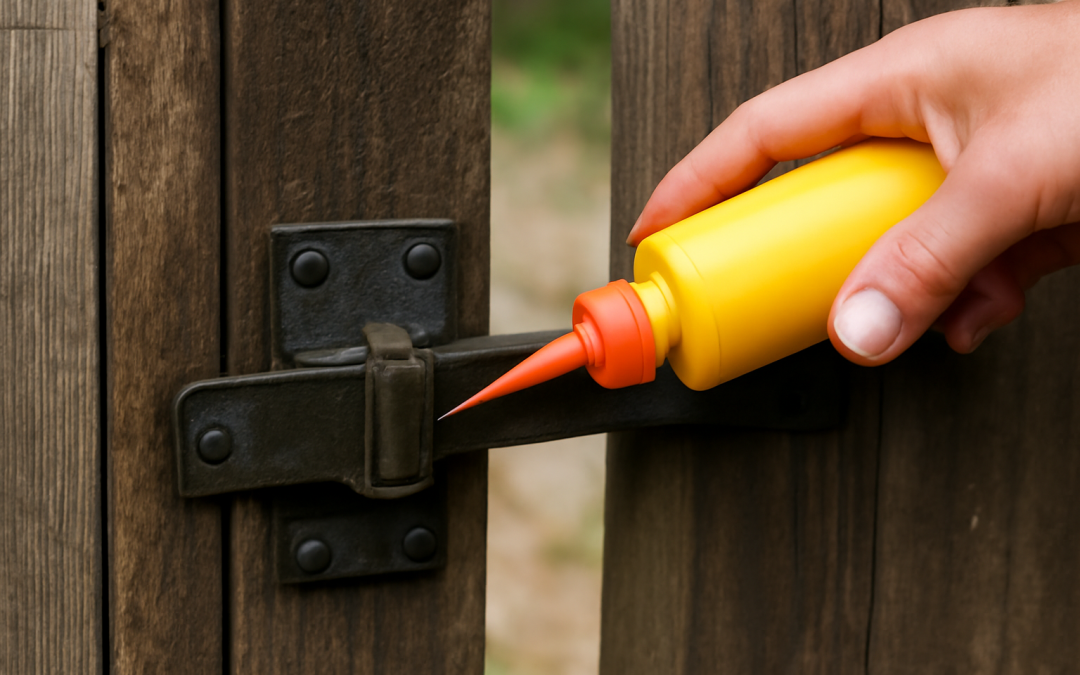
Maintaining the moving parts of a gate is essential not only for functional purposes but also for safety and aesthetic appeal. Over time, due to exposure to weather conditions, frequent use, and general wear and tear, gate hinges and latches can become stiff, rusty, or misaligned. Addressing these issues through regular maintenance ensures smooth operation and prolongs the life of the gate. This process requires some attention to detail, appropriate tools, and an understanding of the mechanisms involved.
The gate hinge, an integral component that allows the gate to swing open and closed, requires special attention. It bears the majority of the gate’s weight and experiences constant movement, which subjects it to stress and friction. When hinges are neglected, they may start to squeak, bind, or become loose, impairing the gate’s proper function. The first step in maintaining hinges is inspecting them for signs of wear, such as rust or bending. Rust can degrade metal hinges significantly, especially if the gate is situated outdoors in humid or rainy climates.
Cleaning the hinges regularly is a vital practice. Dirt, debris, and accumulated grease can cause the hinges to stick or make the movement uneven. Using a wire brush or an old toothbrush to remove visible grime, followed by wiping the hinges with a cloth dampened with a mild detergent, can restore some of the smoothness in the hinge mechanism. For particularly stubborn rust, applying a rust remover or a mixture of vinegar and baking soda can be effective. However, care should be taken not to damage any protective coatings.
Lubrication is another critical aspect. After cleaning, hinges must be lubricated with appropriate lubricants like silicone spray, penetrating oil, or lithium grease. These products reduce friction and help prevent rust. Applying lubricant to the pivot points of the hinge ensures the gate swings quietly and effortlessly. It is advisable to avoid heavy greases as they attract dirt and dust, which can further exacerbate wear. Depending on usage patterns and environmental exposure, lubrication might need to be reapplied every few months.
In some cases, hinges may become loose or misaligned. This could happen if screws or bolts have worked themselves loose over time or if the post supporting the gate has shifted. Tightening all fasteners is an essential step in gate hinge maintenance. For wooden gates, replacing worn-out screws with longer or wider ones can provide better grip. In metal gates, using washers or lock nuts can prevent fasteners from loosening. If the gate sags or does not align properly, adjusting the hinges may be necessary. This can be done by loosening the hinge screws slightly, repositioning the gate, and retightening the screws to hold the new position.
Apart from hinges, latches are equally important in gate maintenance. A latch ensures that the gate stays closed securely and prevents accidental openings. Latches vary in complexity from simple hook-and-eye types to more intricate locking mechanisms. Whatever the design, maintaining the latch starts with a thorough inspection. Check for rust, broken parts, or misalignment that could make the latch difficult to use.
Cleaning latches involves removing accumulated dirt and rust, just as with hinges. For metal latches, a light sanding with fine-grit sandpaper can remove surface rust and smooth rough edges. After cleaning, a suitable lubricant should be applied to all moving parts to facilitate ease of use. It’s also important to ensure the latch closes firmly and securely. If the latch is loose or wobbly, retightening the screws or bolts that hold the latch together often solves the issue.
Sometimes, the latch may not align properly with the catch or strike plate, causing difficulty in securing the gate. This misalignment can stem from shifting posts, warping of wooden gates, or damage caused by impacts. Adjusting the position of the catch plate, or in some cases altering the latch itself, can resolve these issues. For example, repositioning the strike plate by loosening the screws slightly and moving it into better alignment can make the latch automatically close and lock as intended.
Periodic replacement of worn parts is also a key consideration. Hinges and latches that have become too rusted or damaged beyond repair should be replaced with new ones. Modern replacements come in various materials such as stainless steel or galvanized steel, which offer better resistance to corrosion. Selecting quality parts not only improves the lifespan of the gate hardware but also the overall security and smooth operation.
Besides routine cleaning and lubrication, protecting the hardware from the elements can significantly extend its life. Applying protective coatings such as rust-resistant paint or sealants on metal parts can shield them from moisture and oxidation. For wooden gates, weatherproofing the wood with stains or varnishes helps prevent warping, which indirectly affects the alignment and function of hinges and latches.
Environmental factors should also be considered in the maintenance plan. For example, gates exposed to salty sea air require more frequent attention to prevent accelerated corrosion. Likewise, gates in dusty rural areas might need more cleaning to remove dirt build-up. Seasonal maintenance schedules can be developed to address the varying conditions through the year. For instance, a thorough inspection and lubrication after winter will help clear any accumulated salt or grime and prepare the gate for frequent use in warmer months.
Knowing when to seek professional help is important. If hinges or latches are severely damaged or if the gate itself is leaning or has structural issues, consulting a professional is advisable. Professionals can assess whether the gate frame needs reinforcement or if specialized hardware installation is required. They also have the tools and expertise to perform alignments or replacements that might be challenging for an average homeowner.
Another essential maintenance step is monitoring the gate’s overall frame and support structure. An unstable or rotten post can cause the hinges to misalign and place undue stress on the latch. Ensuring the posts are firmly set in concrete and checking for cracks or signs of rot can prevent hardware issues. Repairs to the frame should take priority to maintain gate function and safety.
Regular use also plays a role in maintenance. Gates that are opened and closed frequently need more upkeep than those rarely used. Conversely, gates that remain closed for extended periods can seize up if hinges and latches are neglected. Periodic operation of the gate, accompanied by visual and tactile inspections, helps identify potential problems early before they escalate into costly repairs.
In summary, consistent maintenance of gate hinges and latches involves inspection, cleaning, lubrication, adjustment, and timely replacement of worn components. Protecting gate hardware against environmental damage and addressing structural integrity ensures safe and efficient gate operation. By adopting a proactive approach, gate owners can enjoy a smoothly functioning entranceway that enhances both security and curb appeal for years to come.