In the digital age, understanding the fundamental components that make up computing systems is essential. When examining the building blocks of a computer or any electronic device, the terms hardware and software frequently arise. These two concepts embody different but interdependent elements that allow technology to function effectively. By exploring what hardware and software mean, one gains insight into how devices operate, communicate, and deliver the wide array of services we rely on daily.
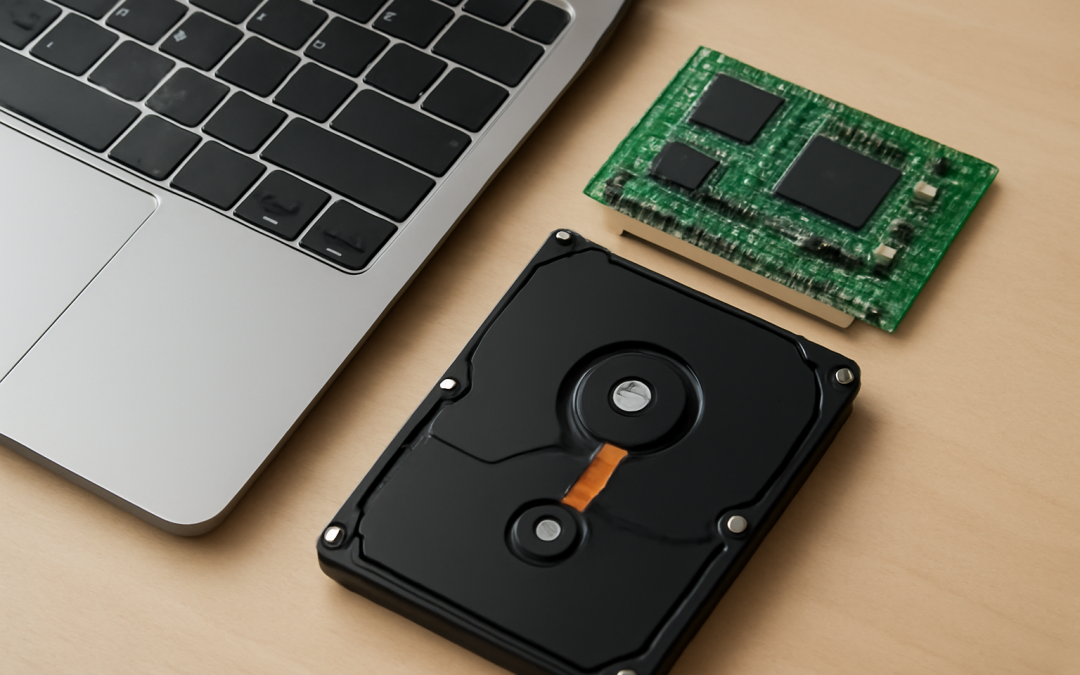
Hardware refers to the tangible, physical components of a computer system or any electronic device. These are the parts one can see and touch, such as the central processing unit (CPU), memory modules, hard drives, monitors, keyboards, and mice. Hardware forms the foundation on which digital processes take place. Without it, a computer or device would have no means of performing logical operations, storing information, or interacting with its user. Essentially, hardware is the body that brings the digital world into a physical form.
The components categorized as hardware can be divided into several groups based on their function. Input devices, like keyboards and cameras, allow users to provide data and commands to the computer. Output devices, such as monitors and printers, convey results or processed information back to the user. Storage devices preserve data for immediate or future use, including hard drives and solid-state drives. Processing units perform calculations and operations necessary for running software applications. Peripheral hardware extends the device’s capabilities, encompassing items like external drives and networking equipment.
Software, on the other hand, is the intangible, coded set of instructions and programs that tells hardware what to do and how to do it. While hardware represents the physical machine, software serves as its brain and glue, enabling the execution of tasks and interactions. Software can range from system-level programs, such as operating systems, to application software used for specific functions like word processing or gaming. Without software, the hardware remains idle and unable to perform meaningful functions.
At the core of software lies the concept of code, written using programming languages that are translated into machine language understood by the processor. This code dictates everything from how the operating system manages hardware resources to how applications enable users to accomplish particular jobs. Software is persistently evolving and expanding, adapting to new hardware capabilities and user needs. Its development is central to technological innovation and serves as the driving force behind the continuous improvement in device performance and usability.
The relationship between hardware and software is symbiotic. Hardware provides the physical infrastructure necessary for software to operate, while software bridges the user’s commands and the hardware’s physical abilities. To illustrate, installing a word processing program (software) allows the computer’s hardware components — the CPU to process text, the memory to store documents temporarily, the keyboard to input data, and the monitor to display the document — to work in harmony. Without software, the hardware would lack instructions; without hardware, software would lack a platform.
Another key distinction between hardware and software is their susceptibility to wear and longevity. Hardware components are subject to physical degradation over time due to factors such as heat, dust, and mechanical wear. Software, being intangible, does not physically wear out but can become outdated or incompatible as hardware evolves or new software versions are released. Maintaining hardware often requires cleaning, repairs, and sometimes replacement, while updating software involves patches, upgrades, or complete reinstallations to fix bugs or improve functionality.
Advancements in technology increasingly blur the lines between hardware and software. Modern hardware often includes firmware — a special type of low-level software embedded into hardware devices that controls and manages their specific operations. Firmware acts as a bridge between hardware and higher-level software, ensuring that devices perform consistently and reliably. This embedded software is updated to enhance performance or fix issues without changes to the physical hardware.
The history of hardware reflects the evolution of computing from large, room-sized machines to compact, powerful devices that fit in our pockets. Early computers relied heavily on electromechanical parts and vacuum tubes, which were large and fragile. Modern hardware incorporates microprocessors, memory chips, and integrated circuits that provide extraordinary computing power within tiny modules. This transformation has enabled the widespread use of digital devices across all facets of society.
Similarly, software has undergone substantial growth and transformation. Early software was rudimentary, closely tied to hardware architecture and written in low-level languages like assembly. As computing needs grew, higher-level programming languages emerged, allowing for more complex, modular, and user-friendly applications. Software development methodologies have evolved to include collaborative and iterative approaches, ensuring software is more efficient, reliable, and tailored to users’ needs.
In contemporary settings, the importance of both hardware and software is evident in numerous industries. In healthcare, for example, advanced hardware such as MRI machines process enormous data volumes, while specialized software interprets these images to aid diagnosis. The automotive sector combines sensors and processors (hardware) with navigation and safety algorithms (software) to create autonomous driving capabilities. In entertainment, sophisticated graphic cards work in tandem with rendering software to deliver immersive experiences.
The interplay of hardware and software also extends into the realm of cybersecurity. Hardware solutions like secure processors provide a layer of protection against hacking, while software applications detect, prevent, and mitigate cyber threats. These fields demand coordinated enhancement to both hardware robustness and software reliability to safeguard sensitive information and maintain system integrity.
With the rise of cloud computing and networked services, the divide between hardware and software continues to evolve. Cloud providers maintain massive collections of physical servers (hardware) that run virtualized software environments accessible remotely by users worldwide. This model reduces the emphasis on individual user hardware capabilities and shifts the focus towards software efficiency and connectivity. Consequently, users can leverage powerful computing resources without possessing equally powerful local hardware.
One of the major challenges in technology stems from ensuring compatibility between hardware and software. New hardware features might require software updates or entirely new programs to utilize their capabilities fully. Conversely, software applications may impose hardware requirements that dictate the specifications of devices. This interdependence necessitates continuous coordination between hardware designers and software developers to optimize user experience and performance.
Understanding what hardware and software mean also means appreciating their distinct roles in the field of computer troubleshooting and maintenance. When a device malfunctions, determining whether the issue originates from hardware — such as a faulty memory module or broken screen — or from software — such as corrupted files or incompatible drivers — is crucial. Resolving these issues often involves diagnostic tools that test hardware components or software utilities that scan for errors and conflicts, emphasizing the need for knowledge in both areas.
Moreover, the rapid pace of innovation in hardware and software constantly reshapes the skills demanded of professionals in information technology. Careers focused on hardware may involve designing circuits, assembling components, or repairing devices. Software professionals might engage in programming, software design, or cybersecurity. Increasingly, interdisciplinary expertise is valued, as understanding how software interacts with hardware can lead to more efficient, innovative solutions.
From a user perspective, the distinction between hardware and software influences the purchase and usage of technology. When buying a computer, customers often consider hardware specifications like processor speed, RAM capacity, and storage options to match their needs. However, the software environment, including the operating system and available applications, determines how those hardware components can be used. This dual consideration underscores the importance of understanding both elements when making technology decisions.
The future of computing hints at even more integration between hardware and software. Trends such as artificial intelligence and machine learning require specialized hardware architectures capable of handling vast datasets with speed and efficiency, paired with complex software algorithms that learn and adapt. Advances in quantum computing promise hardware unlike anything we have today, accompanied by new software frameworks to harness its unprecedented power.
In educational settings, teaching the fundamentals of hardware and software fosters critical digital literacy among students. Understanding these concepts helps users gain confidence when engaging with technology — whether installing software, upgrading components, or navigating troubleshooting procedures. This literacy empowers individuals to adapt to evolving technologies and make informed choices in a world increasingly driven by digital innovation.
In conclusion, hardware and software are two inseparable aspects of modern technology. Hardware provides the physical platform, while software supplies the instructions necessary for operation and interaction. Together, they form the indispensable foundation upon which computing systems are built. As technology continues to advance, the synergy between hardware and software will remain pivotal, influencing everything from everyday computing to groundbreaking scientific research and technological development. Appreciating what hardware and software mean not only clarifies how devices work but also highlights their ongoing evolution and the exciting potential they hold for the future.