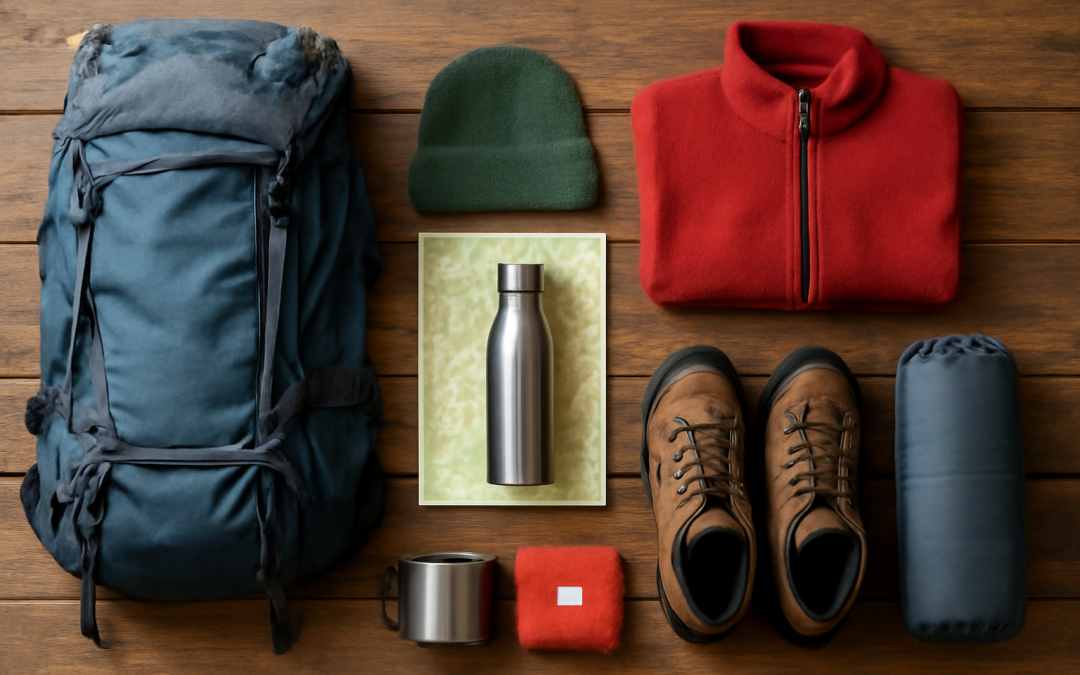
Embarking on a mountain trip promises fresh air, breathtaking views, and a chance to reconnect with nature. However, one of the common challenges faced by adventurers is the tendency to overpack, which can weigh down the journey and hamper the overall experience. Carrying excess gear not only makes the trek physically demanding but can also complicate mobility and efficiency. Striking the right balance between preparedness and simplicity is crucial for a successful mountain excursion.
Understanding the environment and conditions of the specific mountain range you plan to visit is the first critical step. Weather in mountainous areas can be unpredictable, ranging from scorching sun to sudden rain showers and even snowstorms depending on the altitude. Investigating the climate during your trip dates is essential to determine the type and amount of clothing and gear necessary. This research helps avoid the temptation to bring unnecessary bulky layers or redundant equipment “just in case,” which frequently leads to overpacking.
Selecting versatile clothing items is integral to packing smartly for a mountain trip. Instead of bringing multiple items for different weather conditions, focus on clothing that can serve various purposes. Breathable, moisture-wicking base layers made from synthetic fabrics or merino wool are excellent choices, as they regulate temperature and minimize odor. Mid-layers such as fleece jackets offer warmth without excessive bulk, and a lightweight waterproof shell can protect against rain and wind without adding much weight. Choosing clothing that can be layered allows adjustment to changing weather with fewer pieces, effectively reducing the amount one needs to carry.
Footwear is another essential component that demands careful consideration. Mountain terrain can be unpredictable, with rocks, mud, and steep inclines challenging your stability and comfort. A well-fitted, durable pair of hiking boots or trail shoes that provide good ankle support and traction is a wise investment. Avoid bringing more than one pair to save weight, but ensure they are broken in before the trip to prevent blisters and discomfort. Sometimes, packing a pair of lightweight camp shoes can provide comfort after a day of hiking without adding significant weight.
When it comes to gear, minimalist packing means focusing on necessity and multifunctionality. A well-chosen backpack that fits comfortably and distributes weight evenly is the foundation of smart packing. The pack should be large enough to carry essentials, yet not so big that it encourages overpacking. Prioritize items that serve multiple roles—for example, a headlamp with adjustable brightness settings can handle all lighting needs, or a multitool that combines several tools reduces the need for singular items.
Prepping meals and snacks for a mountain trip without overpacking requires strategic planning. Opt for lightweight, nutrient-dense foods that provide energy without excess weight. Dehydrated or freeze-dried meals are popular among hikers because they are compact and easy to prepare by simply adding hot water. Trail mix, energy bars, nuts, and dried fruit are excellent snacks that support stamina on the trail while minimizing bulk. Carry only the amount of food needed for the planned duration and consider portioning meals into resealable bags to reduce waste and unnecessary packaging.
Hydration gear is equally important and should be approached with weight and convenience in mind. A reusable water bottle or hydration bladder should be sufficient, and if water sources are available along the route, a reliable water filter or purification system can spare you from carrying excessive water weight. This approach ensures you remain hydrated without the burden of heavy water containers.
Sleeping arrangements can also influence how much you pack. If camping overnight, a lightweight, compact sleeping bag matched to the expected temperature is crucial. Selecting a sleeping pad that provides comfort but packs down small will keep your load manageable. Tent or shelter choices should balance protection from the elements with packability. Ultralight tents, tarps, or bivy sacks can reduce bulk but require familiarity to set up quickly. For those staying in mountain huts or lodges, the need for sleeping gear diminishes, allowing room for other essentials.
To further curb the tendency to overpack, making a checklist based on researched needs is invaluable. Start by determining the absolute essentials for survival, comfort, and safety. Anything not mandatory or that can be shared among group members can be eliminated or consolidated. Weighing each item before packing helps maintain awareness of the overall load. Items like extra books, multiple electronic gadgets, or excessive clothing changes often sneak into bags and should be reassessed seriously.
Training physical endurance and packing efficiently go hand in hand. Carrying unnecessary weight strains muscles and joints, increasing fatigue and injury risk. Training with a backpack loaded to your expected pack weight helps adjust your pace and stamina before the trip. This experience often reveals surplus items that can be removed, and builds the confidence to trek lightly without compromising safety.
Technology, while helpful, can also contribute to overpacking if not managed thoughtfully. Portable chargers, GPS devices, cameras, and multiple charging cables can accumulate quickly. Consider combining functions, such as using a smartphone for navigation, photography, and communication. Portable power banks should be chosen based on capacity needed for the trip’s length rather than just maximum power. Minimizing electronic gear reduces both weight and complexity.
Packing smart also involves organizing items strategically inside the backpack. Heavier items should be placed close to the back and centered to optimize balance. Frequently used items, like maps, snacks, or rain gear, should be easily accessible without unpacking the entire bag. Using compression sacks for clothing and sleeping bags shrinks their volume, freeing up space for other essentials. Good organization encourages lighter packing by helping you keep track of what you have and discourages duplications.
It is also worth considering the philosophy of buying or renting high-performance gear that is built to be minimal and efficient. Modern materials and designs offer durable yet lightweight options that fit compactly, specifically intended for activities like mountain trekking. Investing in such gear may require initial expenditure, but the benefits of reduced weight and increased comfort often pay off over many trips. Alternatively, renting gear can allow access to these specialized items without long-term commitments, which is helpful if packing space is limited.
The mental approach to packing is as impactful as the physical act. Avoid the mindset of preparing for every possible “worst-case scenario,” which leads to carrying extra weight “just in case.” Instead, focus on informed preparation—knowing the route, weather, and potential hazards—so that the gear brought is tailored and sufficient. Trusting your knowledge and skills reduces anxiety over unexpected events and diminishes reliance on unnecessary gear. Remember that a lighter pack not only improves your hiking experience but often enhances safety by reducing fatigue and allowing better focus.
One effective strategy to prevent overpacking is to conduct a trial pack and review session days before departure. Lay out all intended items and critically assess each for necessity and potential alternatives. If an item has not been used in recent practice hikes or trips, question its inclusion. By packing and unpacking multiple times, the true essentials become clear, and you avoid last-minute impulse additions.
Respect for the natural environment also encourages minimalist packing. Bringing only what is necessary helps minimize human impact and reduces waste carried into and out of mountain settings. Less gear means less chance of leaving behind equipment or litter, aligning your trip with principles of Leave No Trace and responsible outdoor ethics.
Above all, the goal is to create a balanced packing list that allows freedom and security, supports mobility on varied terrain, and enhances enjoyment of the mountain experience rather than detracting from it. Learning to pack efficiently takes time and experience but yields lasting benefits for every mountain enthusiast. By committing to thoughtful preparation, layered versatile clothing, multifunctional gear, and conscientious organization, travelers can fully immerse themselves in the adventure with a pack that carries only what truly matters.
In conclusion, successful preparation for a mountain trip without overpacking lies in understanding the environment, selecting versatile and lightweight gear, and adopting a focused mindset on essentials. Avoiding excess not only eases the physical burden but also amplifies the joy and safety of the journey. With deliberate planning and mindful packing, each expedition into the mountains can become a more streamlined, rewarding experience that leaves lasting memories without the drag of unnecessary weight.