Ensuring safe and accessible walkways is essential for both residential and commercial properties. Uneven pathways, often caused by shifting soil, tree root intrusion, or natural wear and tear, can create trip hazards that pose significant risks to pedestrians. Regular walkway leveling and trip hazard checks are crucial preventive measures that help maintain a smooth, safe surface and reduce the likelihood of accidents. These inspections not only protect people from potential injuries but also help property owners avoid costly liability claims and expensive repairs down the line.
The foundation of effective walkway maintenance lies in understanding the common causes of uneven surfaces. Over time, environmental factors such as weather conditions, freezing and thawing cycles, and water drainage issues can cause the ground beneath walkways to settle unevenly. Tree roots may grow underneath, pushing up concrete slabs or paving stones, while erosion can wash away soil, leaving certain sections higher or lower than others. These subtle changes might seem minor at first but can quickly become dangerous tripping points, especially in heavily trafficked areas or locations frequented by children, the elderly, or individuals with mobility challenges.
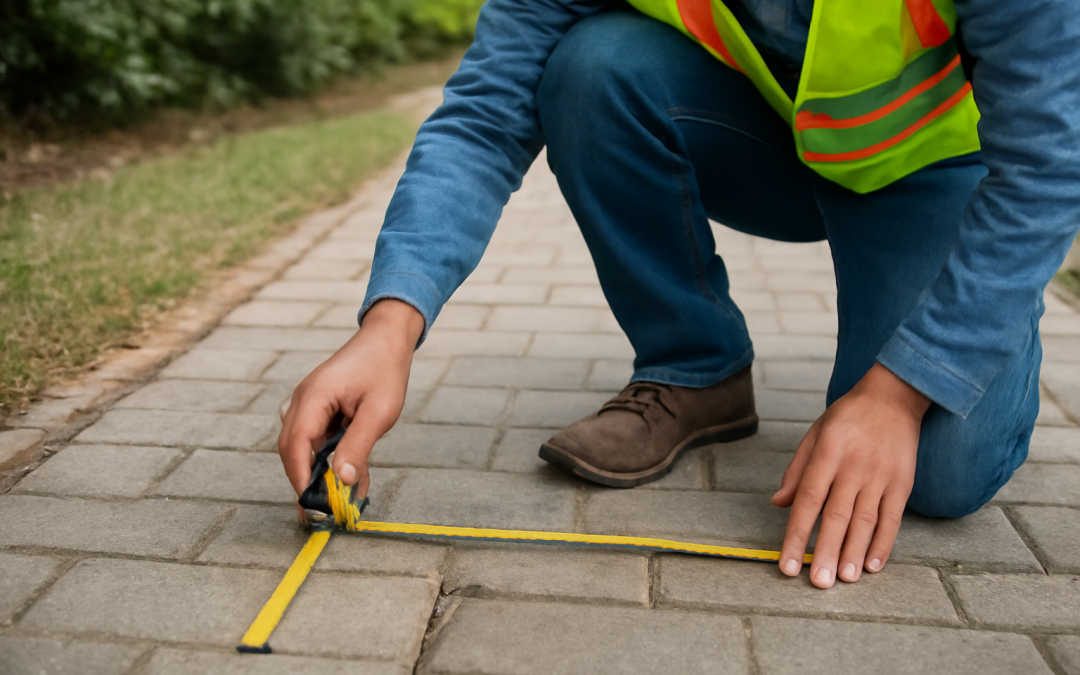
Performing regular trip hazard checks is an essential step in preventing accidents. This process involves visually inspecting walkways for cracks, lifted edges, and uneven segments, as well as physically running a foot over the surface to detect irregularities that may not be immediately visible. Effective assessments should be systematic, covering all walkways on the property including entrances, exits, ramps, and driveways. In addition to visual inspections, the use of tools such as measuring gauges or levels can help quantify unevenness and determine whether repairs are necessary. This careful approach ensures no potential hazard goes unnoticed and allows for timely intervention.
Once trip hazards are identified, walkway leveling becomes the next priority. The approach to leveling varies depending on the materials used in the walkway and the severity of the unevenness. For concrete surfaces, options include mudjacking, where a thin grout mixture is pumped underneath the slabs to lift them back into place, or slab replacement if the damage is extensive. In brick or paver walkways, individual stones may be lifted and re-laid after leveling the foundation soil or base materials. The choice of method often depends on budget, extent of damage, and the desired longevity of the repair. Regardless of the technique, the ultimate goal is to create a flat, stable walking surface that blends seamlessly with the rest of the pathway.
Besides correcting existing hazards, a proactive maintenance plan can greatly reduce the appearance of future trip hazards. Proper drainage systems must be in place to prevent water from pooling and eroding the soil beneath walkways. Regular trimming of nearby trees and plant roots can prevent root intrusion that lifts pavement. It is also important to use appropriate materials and construction techniques during installation to ensure longevity and resistance to environmental shifts. Installing walkways with adequate joint spacing and proper bedding materials will allow for slight ground movements without causing severe cracking or displacement.
The benefits of investing in walkway leveling and trip hazard checks extend beyond safety and liability reduction. A well-maintained walkway enhances the aesthetic appeal of any property, contributing to positive impressions by visitors and potential buyers. It also ensures accessibility for everyone, including people with disabilities who rely on smooth surfaces for maneuvering mobility aids. Compliance with local regulations and accessibility standards, such as the Americans with Disabilities Act (ADA), often mandates regular inspections and prompt repairs, making trip hazard management not only a safety issue but also a legal responsibility.
Many property owners hesitate to address walkway issues promptly due to perceived nuisance or costs. However, delaying repairs typically leads to worsening conditions that require more extensive interventions. Small uneven patches can quickly grow into larger cracks or breaks, escalating the risk of accidents and dramatically increasing repair expenses. Early detection and correction are much more cost-effective and contribute to a longer lifespan for the walkway infrastructure. Furthermore, maintaining a safe environment demonstrates care and responsibility, fostering trust and goodwill among occupants and visitors alike.
Technology and innovation continue to improve the methods available for walkway inspections and repairs. Advanced laser scanning tools and drones can create precise surface maps that detect even minor deviations in walkway elevation. These high-tech methods enable property managers and contractors to develop accurate maintenance schedules and tailor repair strategies to specific problem areas. In repairs, newer materials such as polymer overlays and quick-setting concrete products reduce downtime and improve durability. Embracing these advancements can optimize safety and maintenance efficiency in ways that traditional methods alone cannot achieve.
Ultimately, the goal of walkway leveling and trip hazard checks is to create an environment where pedestrians can move with confidence and without fear of injury. This requires a harmonious balance between regular, detailed inspections, prompt repairs, and preventive maintenance practices. Property owners and facility managers should prioritize these efforts as part of an overall safety and upkeep plan, recognizing that the consequences of neglect can affect not just physical well-being but also financial stability and reputation.
In summary, the importance of maintaining level, hazard-free walkways cannot be overstated. Regular trip hazard checks enable early identification of potential dangers, while effective leveling repairs restore safety and accessibility. Proactive maintenance strategies mitigate the risk of future hazards and protect the investment in walkway infrastructure. By committing to these ongoing efforts, property owners create safer, more attractive environments that benefit everyone who uses them, reaffirming a commitment to public safety and responsible property management.