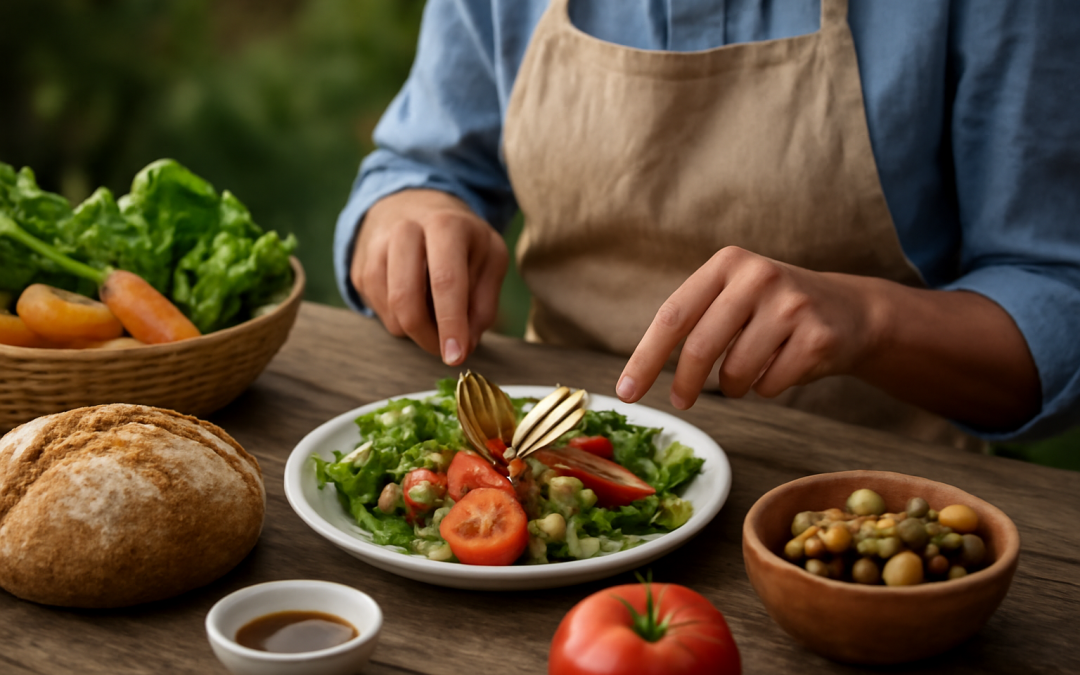
In an era dominated by convenience and speed, where fast food chains span every corner and meals are often just brief interruptions in a hectic day, there is a growing collective desire to reclaim the joy and meaning of eating. The slow food movement offers a compelling alternative, emphasizing not just the act of nourishment but the entire experience of food—from how it is grown and prepared to how it is consumed and appreciated. This approach challenges the prevailing modern habits of industrialized food production and consumption, advocating for a deeper connection between people, their food, and the environment.
At its core, the slow food movement is about valuing quality over quantity, taking time to savor the flavors and cultural significance embedded in every meal. It emerged as a response to the rapid globalization of food cultures and the environmental, social, and health consequences of fast food. Rather than rushing through meals or settling for mass-produced, standardized options, the slow food ethos encourages individuals to engage with food in a more mindful and deliberate way. It promotes locally sourced ingredients, traditional cooking methods, and communal dining experiences that foster relationships and cultural heritage.
One of the foundational principles of this movement is supporting local farmers and producers who use sustainable practices. Industrial agriculture often prioritizes yield and profit over ecological balance, resulting in soil degradation, loss of biodiversity, and increased greenhouse gas emissions. Slow food advocates believe that reconnecting with the sources of our food can help restore ecological health and preserve regional food traditions. By choosing foods that are grown close to home and produced with care, consumers can reduce their carbon footprint and contribute to the vitality of local economies.
Moreover, the slow food movement emphasizes the importance of biodiversity in agriculture. The wide variety of plant and animal species that traditional farming systems nurture has dwindled significantly due to monocultures and genetically uniform crops. This loss threatens food security and resilience. Slow food encourages the cultivation and consumption of heirloom varieties and heritage breeds, which are often better adapted to local conditions and more flavorful. Preserving culinary diversity is seen as a way of protecting cultural identity as well as promoting healthier and more interesting diets.
The commitment to food education is another crucial aspect of this movement. Knowledge about where food comes from, how it is grown, and how it should be prepared has been eroded in many parts of the world. Through workshops, community gardens, food festivals, and educational programs, slow food initiatives aim to rekindle these skills and awareness. Teaching children and adults alike to cook from scratch, to understand seasonal rhythms, and to appreciate the labor behind every dish nurtures respect and mindfulness. This education empowers consumers to make informed choices and challenges the anonymity often associated with processed foods.
In addition to environmental and cultural concerns, the slow food movement addresses public health by promoting whole, natural foods while discouraging heavily processed items laden with additives and preservatives. The rise of chronic diet-related diseases such as obesity, diabetes, and heart conditions parallels the global spread of fast food consumption. By encouraging balanced meals made from fresh, nutrient-rich ingredients, slow food supports better health outcomes. It also fosters the pleasure of eating, which can be therapeutic in its own right and enhances mental wellbeing through social connection and sensory enjoyment.
The social dimension of this movement cannot be overlooked. Eating slowly and sharing meals with others is a practice that restores conviviality and community spirit in a time when social isolation is becoming increasingly common. Slow food events often focus on bringing people together to celebrate local culinary traditions and engage in dialogues about sustainable food systems. In doing so, it strengthens social bonds and cultivates a sense of belonging. Communal meals generate meaningful exchanges and provide opportunities to learn about diverse food cultures and histories.
The global spread of the slow food philosophy has fostered networks of people dedicated to food sovereignty—the right of communities to control their own food production and consumption. This stands in opposition to the overwhelming influence of multinational corporations, which often dictate what crops are grown and which products dominate markets worldwide. Slow food champions food justice, seeking to ensure equitable access to healthy, culturally appropriate food for all. This includes advocating for fair wages and ethical labor conditions within the food industry, recognizing that social and economic sustainability are intimately linked with environmental stewardship.
From a gastronomic perspective, the slow food movement celebrates regional flavors and culinary techniques that tell the story of a place and its people. In a globalized world where fast food franchises promote uniformity, slow food encourages chefs and home cooks alike to experiment with local ingredients and preserve recipes passed down through generations. This not only enriches the culinary landscape but also can be seen as an act of cultural preservation amid rapid modernization and urbanization. The appreciation of seasonal and local produce reinvigorates menus and inspires creativity in cooking.
At the same time, slow food embraces innovation when it aligns with sustainability and respect for the environment. It is not about rejecting technological advances outright but about applying them thoughtfully. For instance, renewable energy can power sustainable farming practices, and advances in food science can help reduce waste by finding better preservation methods. The ethos is one of balance—honoring tradition while adapting to contemporary challenges, all while maintaining a reverence for the natural world and the integrity of food.
Internationally, the slow food movement has mobilized millions of people and has influenced policy discussions concerning agriculture, food labeling, and public health. Many governments and institutions have recognized the value of promoting sustainable local food systems. Festivals like Terra Madre and initiatives to protect traditional food products through geographical indications foster collaboration between producers, consumers, and policymakers. This multi-tiered effort illustrates how grassroots activism can intersect with formal governance to create meaningful change in how societies relate to food.
Critics of the slow food movement sometimes argue that its ideals are impractical in the face of population growth and urbanization or that it risks being elitist due to the time and financial resources needed to pursue slow cooking and sourcing. While these concerns highlight genuine challenges, many proponents emphasize that the philosophy can and must be inclusive. Efforts are underway to make slow food principles accessible to diverse communities, including low-income neighborhoods and urban areas. This involves community gardening projects, cooperative buying groups, and affordable cooking classes that empower people regardless of background to participate in transforming their food systems.
The future of the slow food movement is tied to broader global efforts to create resilient, equitable, and ecologically balanced societies. Climate change, biodiversity loss, and social inequalities pose immediate threats that require transformational changes in how we produce and consume food. The slow food approach offers a blueprint centered on respect—respect for the earth, for human dignity, and for cultural heritage. By encouraging us to slow down and reconnect with the origins and purpose of what we eat, it provides a pathway toward healthier individuals, communities, and ecosystems.
Ultimately, this movement invites a reimagining of the relationship between food and life. It suggests that eating is not merely a routine but an opportunity for reflection, celebration, and stewardship. In slowing down our pace, we open up space for gratitude and understanding, recognizing that every meal is a testament to the labor of farmers, the rhythms of nature, and the bonds we share. This renewed approach has the potential to nourish not only our bodies but also our souls, creating a more balanced and harmonious world to pass on to future generations.