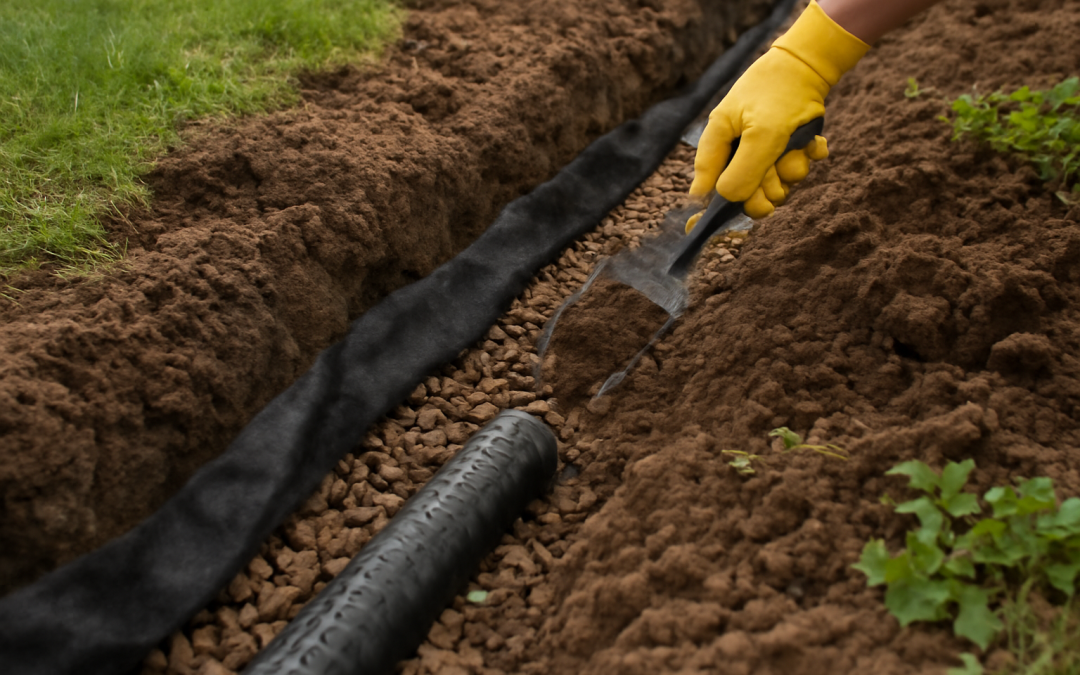
Effective drainage is essential for maintaining the health and stability of any landscape, especially in areas prone to excessive rainfall or poor soil drainage. A French drain serves as a reliable solution, channeling water away from critical zones like foundations, gardens, and low-lying areas. However, like any drainage system, it requires regular upkeep to function optimally and prevent costly damage. Understanding how to properly care for a French drainage system can significantly extend its lifespan and ensure it continues to protect your property from water-related issues.
One of the most important aspects of maintaining a French drain is routine inspection. Seasonal changes, particularly in the spring and after heavy storms, can introduce new challenges such as sediment buildup or blockages. Homeowners should inspect the outflow areas for signs of water pooling or poor drainage. This visual check can reveal whether the system is effectively redirecting water or if there are areas where water stands, indicating potential clogs or damage within the system. It is also critical to look for signs of erosion around the drain, as this can compromise its structural integrity.
Sediment accumulation is a common issue that can impair the function of a French drain. Over time, dirt, leaves, and other debris can enter the trench, filling the gravel and clogging the perforated pipe that carries water away. Routine cleaning involves removing any visible debris from the surface and flushing the pipe with a garden hose to dislodge trapped materials. In some cases, it may be necessary to excavate small sections to clean or replace clogged gravel and check pipe conditions thoroughly. Preventative measures, such as installing a filter fabric around the drain, can help minimize sediment infiltration.
Vegetation management is another crucial part of the upkeep process. While surrounding plants can stabilize soil and reduce erosion, roots can sometimes invade the drain system, leading to blockages. It is advisable to plant non-invasive ground covers or grasses around the drainage area rather than trees or shrubs with aggressive root systems. If roots manage to penetrate the pipe, they must be removed promptly, often requiring professional assistance to avoid damaging the drainage infrastructure. Regularly trimming back overgrown vegetation ensures that the French drain remains accessible for maintenance and inspection.
Proper grading and soil conditions around the French drain directly influence its effectiveness. Soil erosion or compaction can disrupt the natural flow of water toward the drain, reducing its efficiency. Periodically, the area surrounding the system should be regraded to promote optimal water flow. Maintaining a gentle slope away from foundations and toward the drainage outlet is essential. Additionally, the soil’s porosity should be checked; highly compacted soils may necessitate aeration or the addition of soil amendments to enhance water permeability, ensuring water moves freely through the drain’s gravel bed rather than pooling on the surface.
Drain covers and catch basins also require attention. These components trap larger debris and prevent it from entering the pipe system. Over time, they can become clogged with leaves, twigs, and other materials, hindering water flow. Maintaining these parts involves regular clearing and washing. Failing to keep catch basins clean can cause water to back up into the system, increasing the risk of flooding or damage. Ensuring these elements are clear also helps identify potential sources of debris and may give a clearer indication of when more thorough system maintenance is required.
Climate conditions significantly impact the maintenance routines needed for a French drain. In areas with freezing winters, water inside the pipe can freeze, causing blockages or even pipe damage due to expansion. To mitigate this, drainage systems should be installed below the frost line whenever possible. During cold months, inspections should include checks for ice buildup at outflow points and general functionality despite freezing temperatures. In warmer, wetter climates, the frequency of inspections might increase to address faster vegetation growth and more substantial sediment accumulation.
In cases where unexpected drainage problems occur, it may be necessary to investigate deeper issues within the system. A professional plumber or drainage expert can use specialized camera equipment to inspect the interior of the pipes without excavation. This technology allows for precise identification of blockages, root intrusion, or collapse. Based on these findings, appropriate repair actions can be taken, such as pipe replacement, cleaning with hydro-jetting, or chemical root treatment. Regular professional inspections every few years can help catch problems before they escalate, extending the functionality of the entire drainage setup.
Installing enhancements or modifications might also be considered during maintenance to improve system performance. For example, adding additional gravel layers or upgrading to higher quality perforated piping materials can increase durability and efficiency. Installing a sump pump in conjunction with a French drain can be particularly beneficial for properties with high water tables or frequent water accumulation issues. However, any modifications should be carefully planned to ensure they complement the existing system without causing unintended drainage problems.
Water runoff management on the surface should not be overlooked when considering French drain maintenance. Properly directing roof gutters, downspouts, and surface water away from vulnerable areas lessens the burden on the French drain system. Cleaning gutters regularly and ensuring downspouts direct water into areas where it can be safely absorbed or channeled prevent unnecessary water overload. Sometimes, redirecting runoff away from the drain outlet can avoid erosion or flooding issues. A comprehensive approach to water management around the home protects both the drainage system and the surrounding landscape.
Preventative care and timely response to issues are critical. Ignoring early signs of malfunction can lead to larger problems such as foundation damage, structural instability, and landscape degradation. Understanding the signs of a failing French drain, such as persistent puddling, foul odors from stagnant water, or unusually lush vegetation growth near the system, can prompt immediate investigation. Timely interventions save considerable costs in repairs and remediation compared to extensive overhaul or replacement caused by neglect.
In addition to physical inspections and cleanings, documenting maintenance activities and problem occurrences can be highly beneficial. Keeping a log of when cleaning was performed, inspections checked, and repairs made creates a useful history for future reference. This record assists homeowners and professionals in identifying patterns, seasonal concerns, or recurrent issues, enabling more targeted and effective maintenance. Over time, this practice contributes to better-informed decisions, extending the operational life of the French drain and protecting property investment.
Landscape alterations adjacent to a French drain should be approached cautiously. Excavations, planting large trees, or making significant changes to grading can disrupt the delicate balance of the drainage system. Before undertaking such projects, consulting with a landscape architect or drainage professional is advisable to ensure that changes support proper water movement rather than hinder it. Preventing damage from these types of activities is far easier and less expensive than restoring a compromised drainage system.
It’s also important to understand that maintenance frequency depends largely on environmental and site-specific factors. Properties in areas with dense foliage or those surrounded by multiple large trees may require more frequent clearing and inspection due to increased organic debris falling into the system. On the other hand, a home situated in open, grassy fields may need less frequent attention. Adapting maintenance schedules to the unique conditions of each location ensures resource efficiency and system reliability.
Some DIY maintenance tasks can be conducted by homeowners, such as removing visible surface debris, flushing pipes, and checking for water pooling. However, when deeper cleaning, pipe repairs, or root intrusion is suspected, it is prudent to call professionals. Certified drainage experts have access to specialized tools and knowledge that reduce the risk of damaging the system or missing hidden problems. Professional involvement also guarantees compliance with local regulations, particularly if repairs require excavation near utility lines or building foundations.
Understanding the materials used in French drain construction helps guide maintenance decisions. Most systems utilize perforated PVC or corrugated plastic pipes surrounded by gravel and a filter fabric. Over time, plastic pipes can become brittle or crushed by shifting soil, while filter fabric may degrade, allowing sediment to infiltrate the gravel. Routine inspections should evaluate the condition of these materials and, if necessary, sections may need replacement to restore full function. Knowing what components are present allows for targeted maintenance and avoids unnecessary work.
In some cases, upgrading an existing French drain might be more cost-effective than repeated repairs. Freestanding or surface-level drains can deteriorate faster, while fully buried systems with proper materials tend to last longer. Modern innovations in drainage materials and techniques offer improved durability and performance. When considering system improvements, weighing future maintenance requirements alongside initial installation costs helps homeowners make informed decisions that minimize long-term expenses and interruptions.
Maintaining the aesthetic value of the yard while caring for drainage is possible through thoughtful design choices. Gravel cover, landscape fabric, and planting choices around a French drain can be integrated into the overall landscape plan, ensuring that drainage functionality does not detract from curb appeal. Avoiding the accumulation of standing water also protects lawn and plant health, preventing mold or fungus growth associated with poor drainage. A well-maintained French drain not only safeguards structures but also enhances the beauty and usability of outdoor living spaces.
By keeping a French drain system well-maintained, property owners protect one of their most critical yet often overlooked infrastructure features. Consistent effort to inspect, clean, and repair ensures effective water diversion, preventing expensive damage to both the landscape and buildings. This proactive approach supports sustainable water management and contributes to the long-term stability and attractiveness of the property. Attention to detail and timely action transform a French drainage system from a passive feature into a reliable defender against water-related challenges.
Ultimately, the care invested in a drainage system reflects an understanding of its role in preserving the foundation of a home and the health of its surroundings. Adhering to regular maintenance schedules, addressing emerging issues promptly, and seeking professional guidance when needed creates a comprehensive strategy for successful drainage management. This attentiveness not only extends the life of the system but also provides peace of mind, knowing that water is effectively managed even during the most challenging weather conditions. The benefits of such diligence far outweigh the time and resources spent, making maintenance a worthwhile and indispensable aspect of property care.