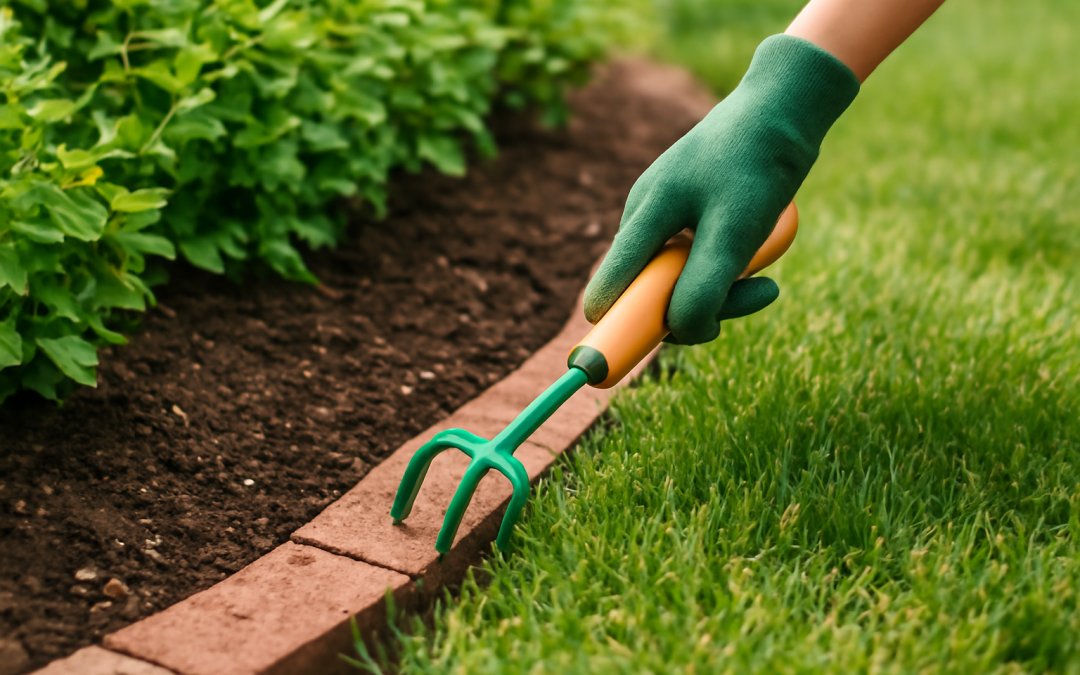
A well-maintained garden edging not only enhances the overall appearance of your landscape but also serves practical purposes such as defining garden beds, preventing grass encroachment, and controlling soil erosion. Proper attention to garden edging maintenance can prolong its lifespan, keep it looking sharp, and ensure it continues to function effectively in your garden. Whether you have metal, plastic, wood, stone, or brick edging, understanding how to care for and maintain these materials will help you avoid costly repairs and replacements.
One of the most essential steps to maintaining garden edging is routine inspection. Periodically checking the condition of your edging allows you to identify and address issues early, such as displacement, cracking, or rotting. For example, wooden edging may suffer from rot or insect damage, while plastic edging can become brittle and crack over time due to exposure to sunlight and weather. Stone or brick edging might shift or settle unevenly. A thorough inspection ensures you catch these problems before they worsen and affect the garden structure.
Cleaning your garden edging is equally important to maintain its aesthetic appeal and prevent materials from degrading over time. Dirt, moss, algae, and weeds commonly accumulate along garden borders, creating untidy edges and potentially damaging the materials. For metal or plastic edging, a simple wash using water and a gentle detergent can effectively remove grime. Wooden edging may benefit from light sanding and the application of protective sealants to prevent moisture penetration. Stone and brick edging often require scrubbing with a stiff brush and occasional use of specialized cleaners to tackle moss and mildew buildup.
Weed control plays a significant role in garden edging maintenance because weeds not only detract from the neatness of garden lines but can also disrupt edging materials by growing underneath and pushing them out of place. Using a weed barrier fabric beneath the edging during installation can greatly reduce weed growth. However, persistent weeds may still sprout around the edges. Regularly pulling weeds by hand or carefully applying targeted herbicides helps keep the growth in check without harming surrounding plants.
Adjusting and realigning edging is a common maintenance task, especially after heavy rain, freeze-thaw cycles, or physical impacts. Soil movement and garden activity can cause edging pieces to shift, creating uneven borders or gaps. Wooden stakes might become loose, metal strips bent, or stones displaced. To maintain a crisp edge, it’s important to reset any moved pieces promptly, ensuring they are firmly anchored. In some cases, additional supports such as landscape spikes or cement may be necessary to stabilize edging components.
For wooden garden edging, treating the wood with preservatives or sealants is essential for longevity. Exposure to moisture and insects can quickly degrade untreated wood, leading to splintering, discoloration, or decay. Annual application of wood sealant or stain tailored for outdoor use provides a protective barrier against moisture and UV rays. If you notice any signs of rot or damage, promptly replacing affected sections prevents problems from spreading to adjacent boards.
Metal edging requires its own special attention to prevent rust and corrosion. While many metal edgings are made from galvanized steel or aluminum to resist rust, constant exposure to moisture can still cause deterioration. Cleaning the metal surface regularly to remove dirt and moisture, and applying rust-inhibiting paint or coatings as necessary, prolongs the material’s life. If rust spots do appear, sanding them down before reapplying protective layers can stop the corrosion from advancing.
Plastic garden edging, often used for its ease of installation and flexibility, can become brittle and cracked over time, particularly when exposed to extreme temperatures or UV rays. To maintain its appearance and function, it is best to inspect plastic edging annually for damage. In cases where sections are cracked or warped, replacing those segments prevents unsightly gaps and ensures the barrier remains intact. Additionally, securing the plastic firmly into the ground can prevent warping caused by soil movement.
For natural stone or brick edging, maintaining the joints and preventing shifting stones is critical. Over time, mortar or polymeric sand between bricks and stones may erode or wash away, leading to instability. Regular inspection of the joints allows you to reapply mortar or sand as needed, ensuring the edging remains secure and neat. Additionally, removing moss and algae growth with suitable cleaners helps keep stones slip-free and visually appealing.
In addition to addressing visible maintenance concerns, seasonal preparation is a helpful strategy for preserving garden edging. Before the onset of winter, clearing debris, pruning nearby plants, and checking for any loose edging components can minimize weather-related damage. Frozen ground and snow accumulation often exacerbate uneven settling or cause breakage. Likewise, spring maintenance involves cleaning away winter debris, resetting any displaced edging, and applying protective treatments.
Another important consideration is the interaction between edging and irrigation or landscaping activities. Sprinkler systems that spray directly onto edging can cause excess moisture buildup, accelerating material wear. Adjusting irrigation to minimize water contact with edging or choosing materials resistant to water damage can reduce maintenance needs. When gardening or lawn mowing near the edging, take care to avoid hitting or dislodging the garden borders, as frequent impacts can lead to misalignment or damage.
In some cases, integrating edging maintenance with overall garden care ensures a more streamlined and effective approach. Regular mulching within beds can reduce weed pressure adjacent to edging, while trimming back overgrown plants prevents them from encroaching onto borders. Periodically adding fresh soil or compost behind the edging helps maintain correct bed height and prevents soil from spilling over pathways or lawn areas.
Maintenance supplies suited to your specific edging material make the process more efficient and yield better results. Using appropriate tools for cleaning, such as plastic scrapers for delicate edges or wire brushes for metal, prevents unnecessary damage. Selecting high-quality sealants, preservatives, or protective coatings formulated for outdoor garden use promotes durability. Having a small stock of replacement parts, like wooden stakes or edging clips, allows for quick fixes without delaying repairs.
Lastly, understanding when to replace garden edging entirely is just as crucial as performing routine upkeep. Even the best-maintained materials succumb to wear and age eventually. Indicators such as widespread cracking, extensive rot, rust holes, or persistent shifting that cannot be corrected by simple repairs signal that replacement is necessary. Replacing garden edging with materials better suited to your climate and garden style can improve both longevity and aesthetics moving forward.
Gardening enthusiasts who invest time and effort into regular garden edging maintenance will be rewarded with a landscape that looks tidy, feels structured, and functions properly. The boundaries created by well-kept edging help plants thrive by defining growing spaces and protecting soil, while preventing lawn and garden areas from blending together. With careful attention to cleaning, weed control, realignment, and treatment tailored to the particular edging material, garden borders will maintain their beauty and durability year after year.
In summary, proactive care of garden edging involves a mix of regular inspections, cleaning routines, material-specific treatments, and timely repairs or replacements. Managing problems such as weed invasions, material weathering, and displacement conserves the integrity of your garden design. Seasonal preparation and mindful interaction between edging and other garden elements further enhance maintenance efforts. By embracing these practices, your garden edging can remain a strong, attractive, and functional feature that sets your outdoor space apart for many seasons to come.