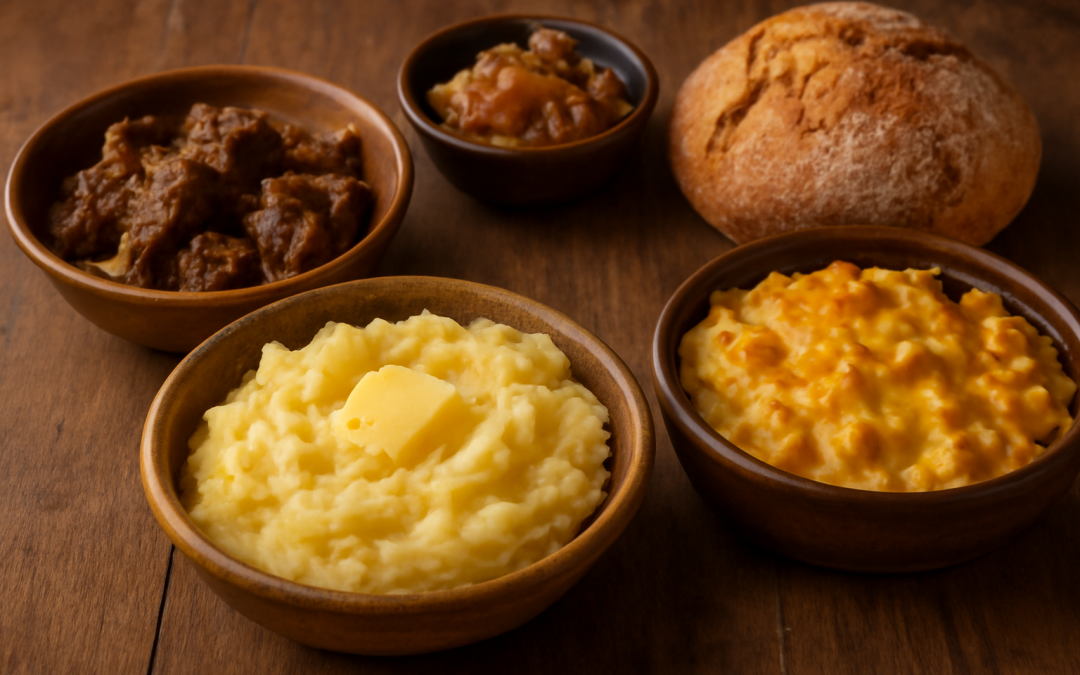
Throughout history, many of the most prized and beloved foods in the world began as humble, everyday staples eaten by peasants and working-class communities. These dishes were born out of necessity and frugality, transforming simple, readily available ingredients into hearty meals that sustained families through hard times. Over centuries, shifts in perception, improvements in culinary techniques, and the rise of global interest in authentic and traditional foods have elevated these once-basic dishes to the status of delicacies enjoyed in fine dining establishments and celebrated by food connoisseurs worldwide.
The journey from peasant fare to delicacy often reflects broader social, cultural, and economic changes. Traditionally, peasants relied on what they could grow, gather, or afford—typically inexpensive grains, root vegetables, pulses, and sometimes offal or less desirable cuts of meat. These ingredients were combined creatively, sometimes with preserved or fermented elements, to create flavorsome and nutritious meals. What were once considered poor foods have undergone a transformation, appreciated now for their rich heritage and complex flavors rather than just their affordability.
One quintessential example is the French dish coq au vin. Originally a rustic meal made from an older rooster that was tough and less desirable, peasants braised it slowly with wine, onions, mushrooms, and herbs to tenderize the meat and boost its flavor. This slow-cooking method enhanced the dish’s complexity, and today coq au vin is recognized as a classic of French haute cuisine, demonstrating how peasant ingenuity can produce dishes worthy of global acclaim.
Another fascinating evolution is found with polenta, a simple dish made by boiling ground cornmeal into a porridge. Polenta was once the primary food for poor families in northern Italy, especially in regions where wheat was scarce or expensive. It was often paired with whatever vegetables or scraps of meat were available. Now, polenta appears on gourmet menus as a creamy or grilled accompaniment to refined meats and sauces, celebrated for its comforting texture and versatility.
Risotto, much like polenta, provides another compelling narrative. Though it’s now associated with Italian fine dining, risotto started as a rural peasant dish using inexpensive grains like rice grown in the marshes of northern Italy. By slowly cooking the rice with broth and adding local cheeses or seasonal vegetables, peasants lifted a plain starch into a satisfying meal. Today, chefs experiment with variations involving truffles, saffron, and seafood, turning this once-modest fare into a sophisticated dish with endless possibilities.
Bread itself, a staple for so many cultures, also embodies this story of transformation. Consider sourdough bread, which has ancient roots among peasants who relied on naturally fermented dough to produce nutritious, long-lasting loaves. The process of fermentation gave the bread a distinctive tang and improved digestibility. While sourdough was originally a necessity for survival, it is now cherished for its artisanal qualities and prized by bakers and enthusiasts everywhere.
The humble potato, another ingredient central to many peasant diets, illustrates this upward journey as well. Born in the Andean region of South America and introduced to Europe in the 16th century, potatoes became a vital source of sustenance during times of scarcity. Dishes such as pommes Anna or duchess potatoes, which involve careful cooking or creative presentation, have elevated this once-simple tuber into the realm of gourmet cuisine. Even French fries, long considered fast food, have been reimagined by chefs who select heirloom potato varieties and utilize precise cooking techniques to highlight their flavors.
Similarly, the classic French onion soup was originally a poor man’s dish, designed to warm and nourish using onions, a cheap and accessible ingredient. Onions were caramelized to deepen their flavor, broth was enriched with stale bread and melted cheese atop, creating a comforting, robust dish. Now, it is a sophisticated starter in many bistros and high-end restaurants, with top-quality ingredients and thoughtful preparations paying homage to its humble origins.
Offal, once discarded or given to the poorest, has gained a renewed appreciation in modern gastronomy. Dishes like haggis, a savory pudding made from sheep’s heart, liver, and lungs mixed with oats and spices, were created as economical meals for Scottish peasants. Today, haggis is celebrated as a national dish and is featured in refined culinary contexts. Chefs around the world have revived similar offal-based dishes, transforming perceived “undesirable” cuts into delicacies with rich flavors and textures that are now admired for their culinary merit and sustainability.
Fermentation, a technique widely practiced by peasants to preserve food, has also contributed to the transformation of simple foods into delicacies. Sauerkraut, kimchi, and pickled vegetables were once essentials for survival during harsh winters but are now recognized for their complex, tangy flavors and probiotic benefits. These fermented foods have grown in popularity beyond their traditional regions, sparking creative interpretations and fostering interest in age-old preservation methods.
Peasant desserts often started as modest combinations of leftover ingredients, such as bread puddings or fruit compotes. For example, the Italian dessert zuppa inglese originated from simple layered sponge cake and custard, a creative way to stretch ingredients. This evolved over time into a beloved classic, now featuring rum or Alchermes liqueur and served elegantly in restaurants. It highlights a typical progression from utilitarian food to gastronomic enjoyment.
In many parts of the world, beans have been a cornerstone of the peasant diet due to their affordability and nutritional value. Dishes such as feijoada, the Brazilian stew made with black beans and various pork cuts, were initially humble meals for slaves and peasants using inexpensive ingredients. Feijoada’s slow cooking melds flavors into a deeply satisfying experience now regarded as Brazil’s national dish, celebrated both for its taste and cultural history.
Another profound transformation can be seen in dishes involving rice pudding or congee, traditional comfort foods across Asia. These dishes were initially simple, nourishing porridges made with leftover rice and water or milk. With time, they have been elevated through the addition of spices, nuts, fruits, and delicate garnishes, becoming intricate desserts or refined starters that honor their origins while showcasing culinary sophistication.
Notably, fish and seafood, too, often began as poor man’s fare. Fishermen and coastal peasants relied on what was locally abundant and sometimes less desirable fish or shellfish parts. Bouillabaisse, a rustic fish stew from Marseille, was crafted using bony rockfish and other catch rejected by markets. Its slow-cooked layers of herbs, vegetables, and seafood stock gave rise to a dish now esteemed worldwide for its depth of flavor and cultural significance.
The same can be said for peasant-style stews that incorporate tough cuts of meat, root vegetables, and legumes. Irish stew, for example, used affordable lamb or mutton with potatoes and onions to create a simple, filling meal. Today, it is prepared with attention to choice ingredients and meticulous technique, featured on menus far beyond its humble origins.
Sourdough pancakes and flatbreads, such as Ethiopian injera or Indian dosas, were historically staples for peasants due to their ease of preparation and nutritional value. Made from fermented grains or pulses, these breads serve as both plate and utensil, reflecting the resourcefulness of peasant cooking. With rising global appreciation for authentic and traditional foods, these breads have entered global culinary conversations and graced tables in high-end restaurants.
The rise in popularity of “peasant foods” as delicacies also speaks to a modern shift in eating habits and values. In an age where sustainability, authenticity, and heritage foodways are increasingly prized, dishes rooted in peasant traditions embody these principles. Their reliance on local, seasonal, and often minimal ingredients aligns with contemporary concerns about resource use and food waste. This resurgence has encouraged chefs and home cooks alike to rediscover these recipes, not only for their flavors but also for their ethical and cultural significance.
Revisiting ingredients once dismissed as coarse or undesirable—such as off-cuts of meat, lesser-known vegetables, or fermented staples—reflects a broader culinary trend valuing nose-to-tail cooking and whole-food approaches. This shift honors the ingenuity of past generations who made the most of what nature and circumstance provided, often under conditions of scarcity.
Understanding that the line between “peasant food” and “delicacy” is often one of context and perspective invites a richer appreciation of global cuisine. Many beloved dishes transcending economic and social boundaries serve as culinary bridges connecting us to history, place, and the enduring creativity of everyday cooks. Celebrating these foods reminds us that extraordinary flavors and meaningful traditions can arise from the simplest beginnings.
Ultimately, the elevation of these once-humble dishes is a testament to the resilience and inventiveness of those who created them. It underscores the idea that great cuisine is not solely the province of the wealthy or aristocratic but can emerge from necessity and ingenuity. The flavors, stories, and cultural heritage embedded in these foods enrich our palates and deepen our understanding of the culinary arts.
As modern diners increasingly seek meaningful connections with their food, peasant-origin dishes provide a pathway to authenticity, sustainability, and a shared history. These delicate yet robust foods invite us to savor not only taste but the remarkable narratives of survival, adaptation, and celebration that have allowed them to endure and thrive. In doing so, they continue to remind us that culinary excellence thrives not only in grand settings but equally in the daily meals of those who tilled fields, cooked over open fires, and nourished their communities with the gifts of the earth.