A bird bath serves as a charming focal point in many backyards, inviting vibrant bursts of avian activity while adding a touch of natural beauty and tranquility to outdoor spaces. However, the joy of watching birds sip, splash, and preen in a clean water source comes with the responsibility of maintaining its cleanliness. Regular attention to bird bath cleaning is not merely a matter of aesthetics; it is a crucial practice that supports the health of the local bird population and prevents the spread of disease. Understanding the importance of hygiene in bird baths and adopting proper maintenance routines can create a safer environment for birds and enhance the overall backyard ecosystem.
Bird baths offer birds more than just a refreshment spot; they provide essential hydration, especially during hot or dry weather, and a place for bathing that helps birds keep their feathers in optimal condition. Clean feathers are vital for insulation, waterproofing, and flight efficiency. However, standing water, if left unchecked, can quickly become a breeding ground for harmful pathogens, parasites, and mold. Dirty water can harbor bacteria such as Salmonella and parasites like avian pox, which can severely impact the health of visiting birds. Consequently, neglecting bird bath cleaning may inadvertently cause more harm than good, turning a source of life into a reservoir of disease.
The accumulation of algae and organic debris in bird baths poses additional challenges. Algae thrive in warm, stagnant water and can discolor the bath, create slippery surfaces, and further deteriorate water quality. While a small amount of algae might seem harmless, excessive growth lowers oxygen levels in the water, stressing the birds that rely on it. Moreover, fallen leaves, feathers, pollen, and droppings contribute to the accumulation of organic matter that can decompose and produce unpleasant odors. These factors collectively necessitate timely and effective cleaning to maintain a healthy environment.
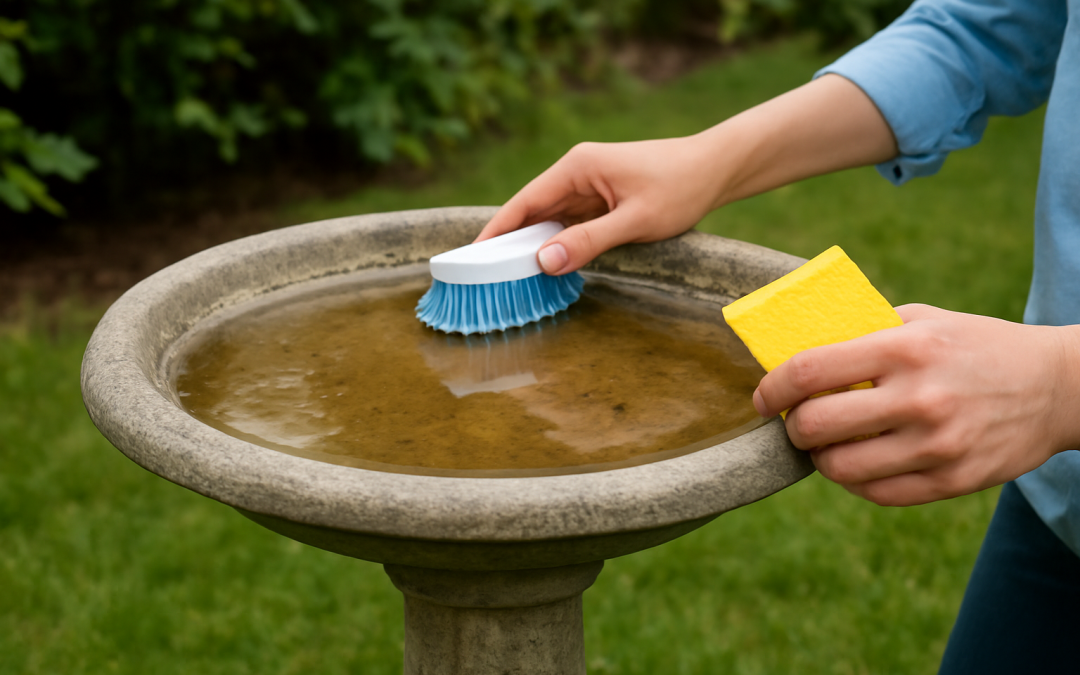
Proper bird bath cleaning begins with emptying the water and discarding any residues that have collected at the bottom. Next, the wash should be thorough, yet gentle enough to avoid damaging the bird bath’s material—whether it be stone, ceramic, plastic, or metal. Using a scrub brush or a sponge is advisable to remove stubborn algae and dirt. A mixture of mild dish soap and warm water works well for regular cleaning. After scrubbing, the bird bath should be rinsed thoroughly with clean water to eliminate any soap residues that could be toxic to birds. This common-sense approach balances cleanliness with bird safety effectively.
For a more natural cleaning method, a solution made from one part white vinegar to nine parts water is highly recommended. Vinegar is a natural disinfectant and helps dissolve mineral deposits and algae without harmful chemicals. Allow the solution to sit in the bath for several minutes before scrubbing. Afterward, rinsing thoroughly ensures the removal of vinegar traces. This eco-friendly method benefits both backyard wildlife and the environment, preventing the introduction of harsh chemical residues into the ecosystem.
Frequency plays an important role in ensuring the water remains clean and inviting. During warm weather, daily water changes and cleanings might be necessary because higher temperatures accelerate algae growth and bacterial multiplication. In cooler months, biweekly cleanings may suffice, though regular monitoring should dictate actual needs. Refilling the bird bath with fresh water after each cleaning encourages continuous use by birds and prevents stagnation-related issues. Additionally, avoiding the use of standing or stagnant water sources such as rain barrels or bird bath reservoirs without regular maintenance can deter potential problems.
Reviewing the design and placement of bird baths is another layer of care that can influence hygiene. Shallow basins with smooth, non-porous surfaces are easier to clean and are preferred by most bird species. Deep bowls or rough, porous materials can harbor dirt and bacteria in crevices. Furthermore, positioning the bird bath in a partly shaded spot reduces the speed of water warming and algae growth. The presence of nearby plants and trees can provide shelter and perching spots, but excessive foliage may increase debris accumulation, necessitating more frequent cleaning.
Winter months traditionally present a challenge for maintaining bird baths due to freezing temperatures. However, birds remain dependent on water sources even in cold weather, and offering fresh, unfrozen water can support overwintering species. Using a thermostatic bird bath heater or regularly replenishing water sources prevents ice formation. During these times, cleaning remains essential, as ice can trap dirt and organic matter, leading to contamination once thawed. Safeguarding bird baths throughout the seasons requires adherence to cleaning practices tailored to variable weather conditions.
It’s also critical to understand the impact of cleanliness beyond the immediate benefits to birds. A well-maintained bird bath contributes to the ecological balance of the backyard. Healthy birds are effective seed dispersers and insect controllers; therefore, by preventing disease and encouraging healthy bird populations, the cleaner bird bath influences plant propagation and reduces pest burdens naturally. Moreover, a clean bird bath attracts a wider variety of bird species, enhancing biodiversity and creating a dynamic and engaging environment for bird watchers and nature enthusiasts alike.
In addition to physical cleaning, practicing good sanitation habits can reduce contamination risks. Avoid feeding birds directly from the bath, as food particles and bird droppings often mingle with the water, increasing microbial growth. If feeders are placed nearby, ensure they are kept clean and well away from the bath’s edge to minimize debris transfer. Also, consider monitoring bird activity; noticing signs of unhealthy or unusual bird behavior or increased bird mortality might indicate the need for more stringent cleaning or veterinary consultation.
While cleaning bird baths often involves manual labor, some products on the market can aid in maintenance. For example, floating oil products designed to suffocate mosquito larvae can help reduce pests without harming birds. However, these products should be used carefully, with regard to both safety and environmental impact. It is always advisable to prioritize mechanical cleaning over chemical treatments and to use all cleaning aids sparingly to avoid disrupting the delicate balance of the backyard environment.
Ultimately, maintaining a clean bird bath is an ongoing commitment that fosters a healthy and thriving backyard habitat. The combination of proper cleaning techniques, strategic placement, and routine water replacement aligns with a holistic approach to backyard wildlife care. This dedication not only protects birds but also enriches the living experience for garden enthusiasts, offering continuous opportunities to connect with nature. Investing time and effort in bird bath cleaning yields lasting rewards that extend beyond the confines of the garden, promoting ecological well-being on a broader scale.
In conclusion, the health of backyard birds is intimately tied to the condition of their water sources. Regular and thorough bird bath cleaning is essential for preventing disease, encouraging diverse bird visitation, and sustaining a balanced ecosystem. By understanding the risks posed by neglect and adopting effective cleaning strategies, backyard stewards can create nurturing environments that support avian populations season after season. With clean water and proper care, bird baths flourish as vibrant hubs of life and a testament to the harmony possible between human spaces and wild neighbors.